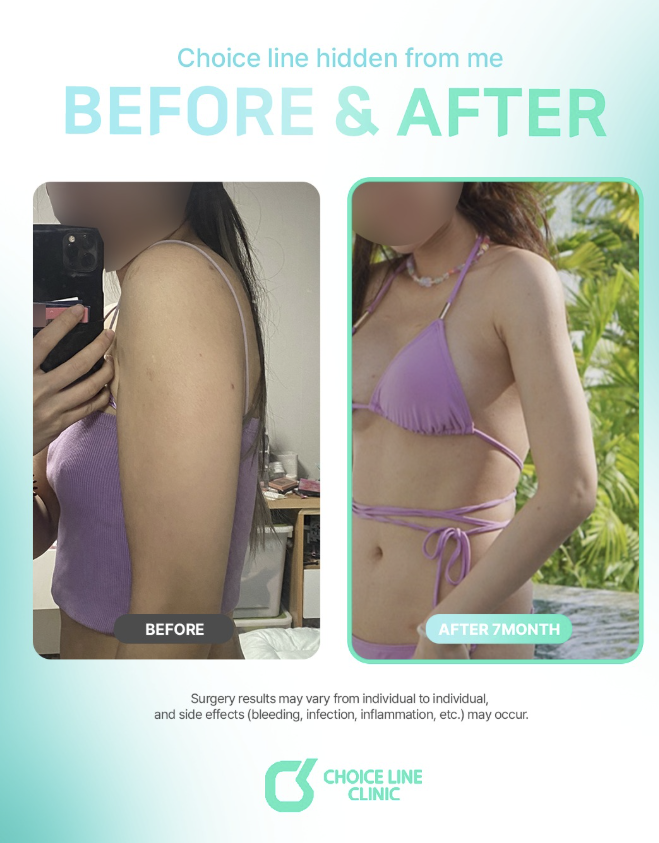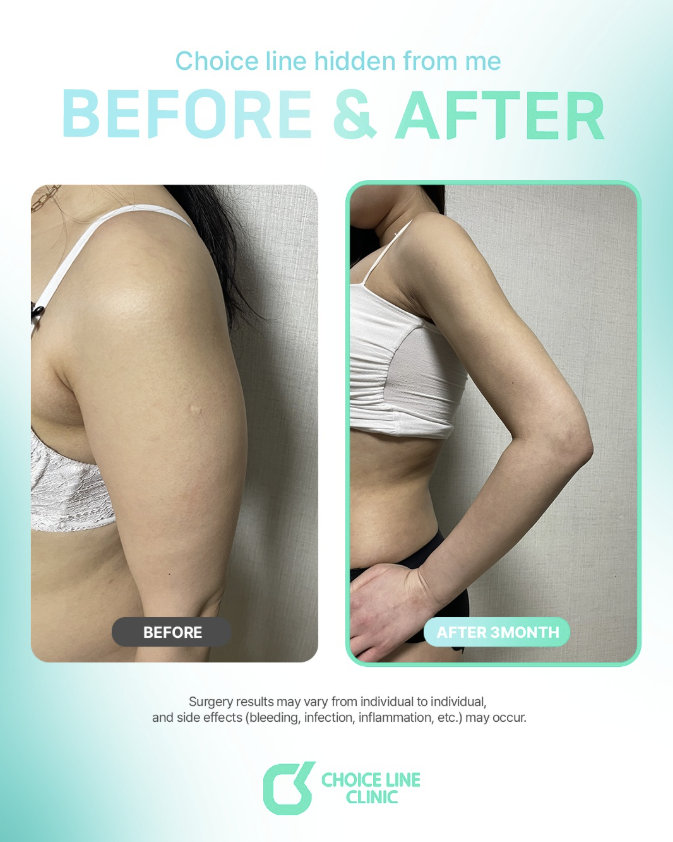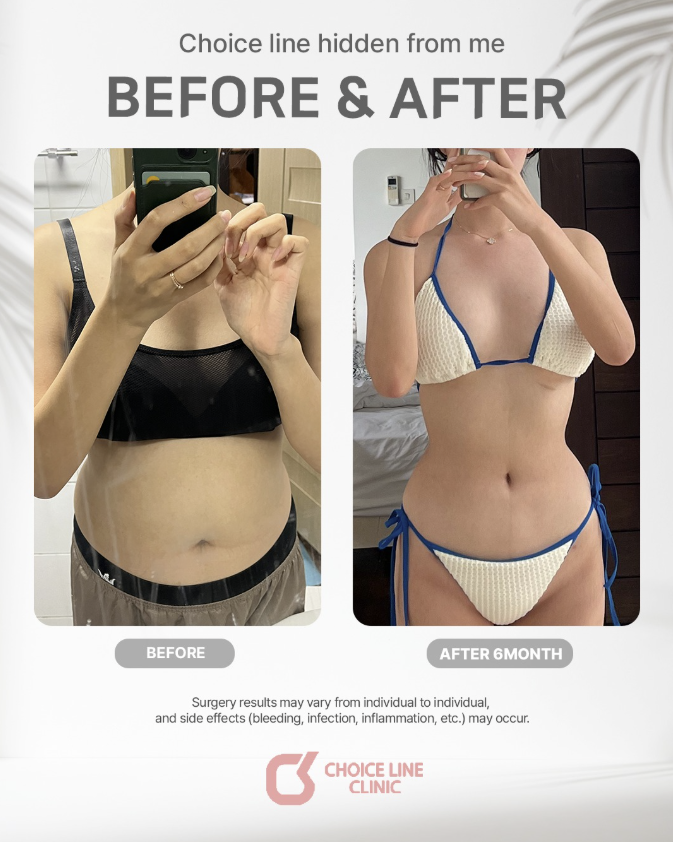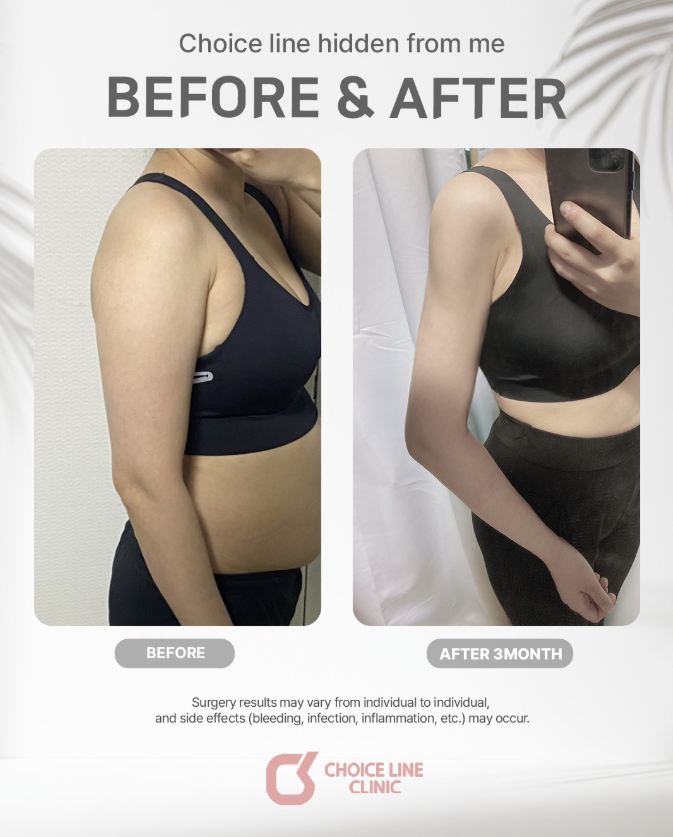




What BMI Is Best for Liposuction?
What BMI Is Best for Liposuction?
Body Mass Index (BMI) is one of the most commonly used indicators when evaluating whether a patient is a good candidate for liposuction. While BMI alone does not determine eligibility, it helps surgeons assess safety, expected outcomes, and whether the procedure should focus on contouring or weight reduction. In Korea, particularly in cosmetic surgery clinics in Seoul, doctors tend to prioritize body proportion, fat distribution, and skin quality in addition to BMI when deciding suitability for liposuction.
Ideal BMI Range for Liposuction
In most cosmetic surgery settings, including Korean clinics, the ideal BMI range for liposuction is generally considered to be:
- BMI 18.5 – 24.9 (Normal range)
Best results for body contouring and definition
Patients in this range typically:
- Have localized fat deposits
- Maintain stable body weight
- Achieve smoother contouring results
- Require less extensive fat removal
This range is often considered the safest and most predictable for aesthetic outcomes.
Can People Above the Ideal BMI Get Liposuction?
Yes, patients with a higher BMI may still be considered for liposuction, but the approach is usually more cautious. Instead of focusing on large-volume fat removal, surgeons often prioritize safety and staged contouring.
For patients with higher BMI:
- Liposuction may still be possible
- Fat removal volume may be limited
- Multiple sessions may be recommended
- Combination with lifestyle changes is often advised
In some cases, doctors may recommend weight reduction before surgery for safer and better results.
Why Extremely High BMI Is Not Ideal
When BMI is significantly elevated, liposuction becomes more complex and may carry higher risks. It is also less effective as a standalone solution for overall weight reduction.
Higher BMI may increase:
- Surgical risk and anesthesia strain
- Recovery time and swelling
- Difficulty achieving smooth contours
- Likelihood of uneven results
- Complication risk in large-volume procedures
Because of this, Korean clinics often carefully evaluate whether surgery or weight management should come first.
Low BMI Patients and Liposuction
Interestingly, liposuction is not only for overweight individuals. Patients with lower BMI values can also be good candidates if they have stubborn fat pockets that do not respond to diet or exercise.
Low BMI candidates often seek:
- Double chin reduction
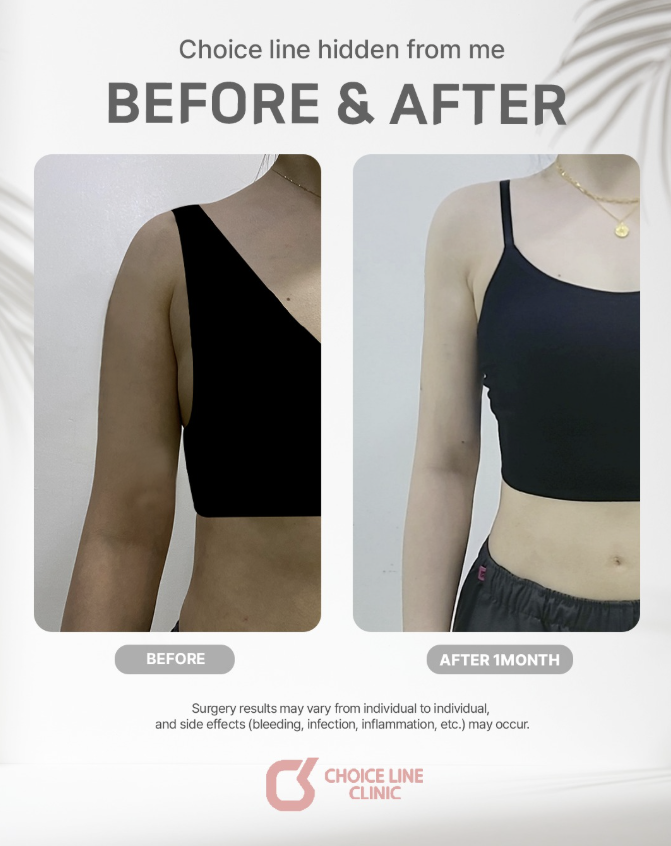
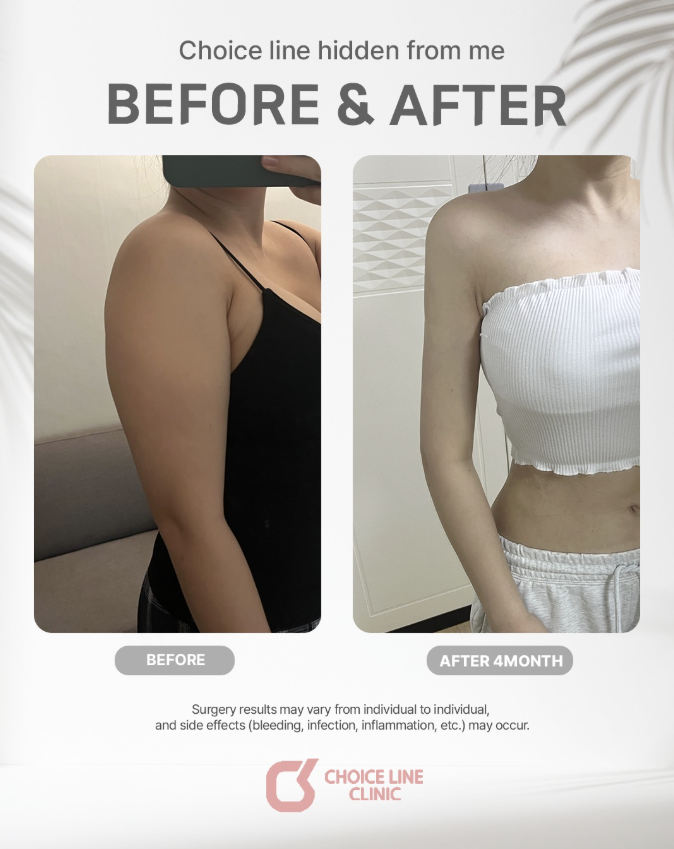
- Arm contouring
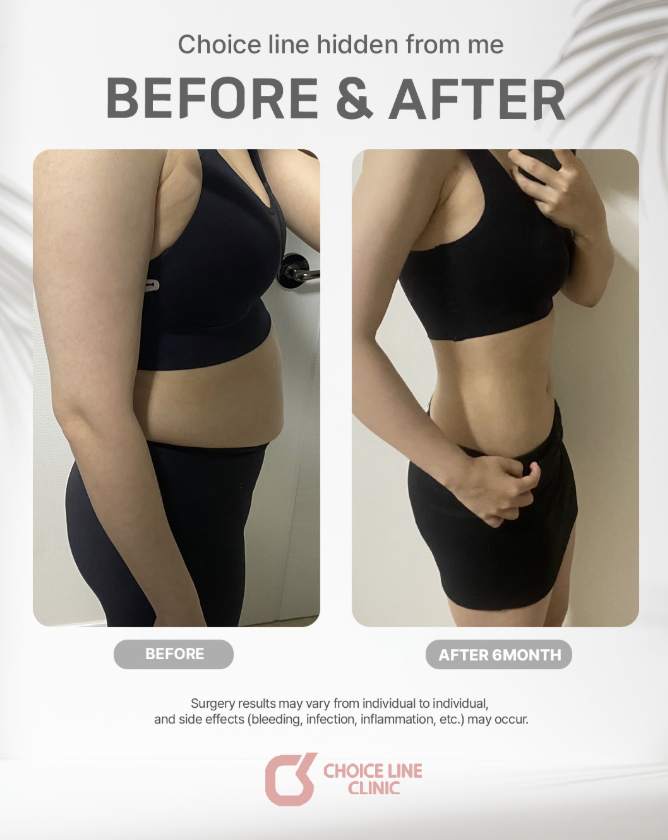
- Waistline refinement
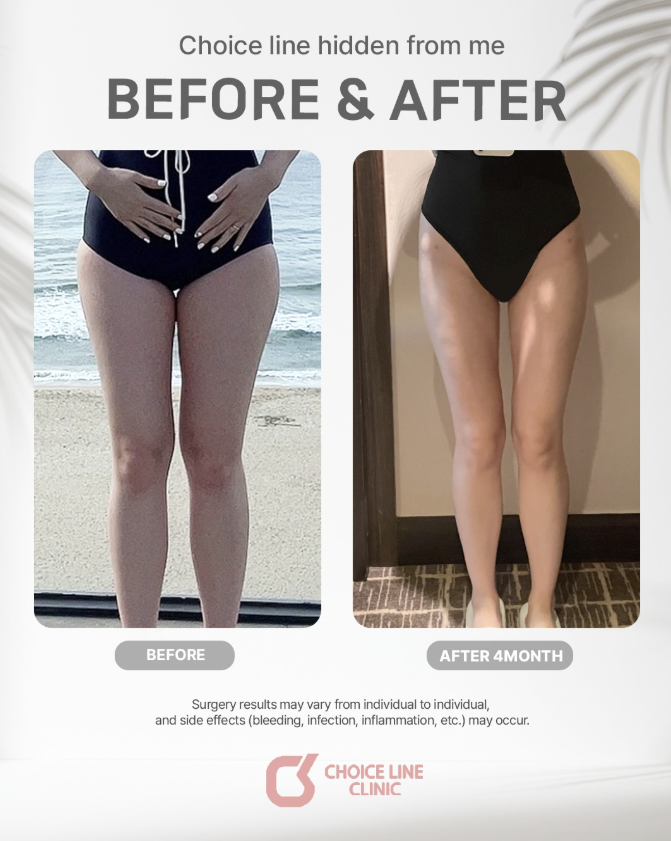
- Thigh shaping
- Subtle body definition
In these cases, the focus is purely on contour enhancement rather than fat reduction.
BMI Alone Is Not Enough for Evaluation
Korean surgeons emphasize that BMI is only one part of the assessment. Two patients with the same BMI can have very different body shapes and fat distribution patterns.
Other important factors include:
- Fat location and distribution
- Skin elasticity
- Muscle tone
- Body proportions
- Overall health condition
- Lifestyle stability
This is why detailed consultations are essential before deciding on surgery.
Skin Elasticity and BMI Relationship
Even within the ideal BMI range, skin quality plays a major role in determining final results. Patients with good elasticity tend to achieve smoother contours regardless of minor BMI differences.
Better outcomes are associated with:
- Firm, elastic skin
- Minimal sagging
- Good collagen structure
- Younger skin condition
Poor elasticity may require additional skin tightening procedures.
Korean Clinics Focus on Proportion Over Numbers
In Korea, particularly in body contouring-focused clinics, surgeons often prioritize visual balance over strict BMI cutoffs. The goal is to create natural proportions rather than simply meeting a numerical target.
This approach emphasizes:
- Waist-to-hip ratio
- Upper vs lower body balance
- Smooth silhouette lines
- Natural aesthetic harmony
Because of this, BMI is used as a guideline, not a strict rule.
When Doctors Recommend Weight Loss First
In some cases, Korean surgeons may advise patients to reduce weight before considering liposuction. This is usually recommended when:
- BMI is significantly above normal range
- Fat distribution is very widespread
- Health risks are present
- Skin elasticity is reduced
Weight loss before surgery can improve safety and enhance final results.
Final Thoughts
The best BMI for liposuction is generally within the normal range, but ideal candidacy depends on much more than just numbers. Korean clinics evaluate body composition, fat distribution, skin quality, and aesthetic goals to determine suitability. While patients with both lower and higher BMI values may still be candidates, the most predictable and natural-looking results are typically achieved when BMI is stable and within a healthy range. Ultimately, liposuction works best as a body contouring procedure rather than a weight loss solution, regardless of BMI.