
How Many Days Do You Need in Seoul for Liposuction?
How Many Days Do You Need in Seoul for Liposuction?
The number of days you should stay in Seoul after liposuction depends on the treatment area, amount of fat removed, type of anesthesia, and how quickly you recover. For a small procedure, a relatively short stay may be possible, while abdomen, thigh, 360°, or multi-area liposuction usually requires more time for early recovery and follow-up. International patients should plan their trip around medical care rather than choosing a return date based only on airfare or vacation schedules.
How Long Should You Stay for Small-Area Liposuction?
Smaller procedures generally require less recovery time.
Examples may include:
- Double chin
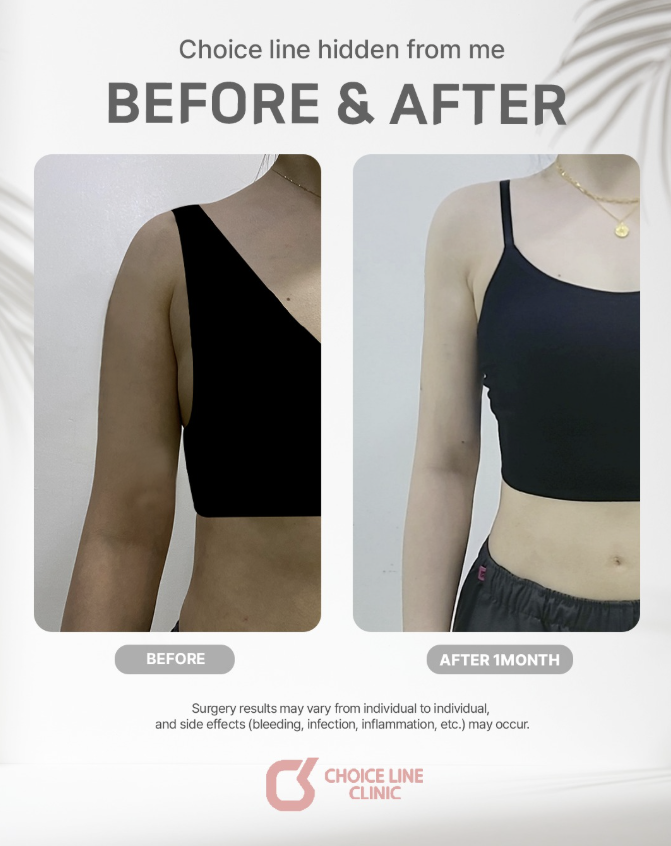
- Small arm area
- Limited waist area
- Small localized fat pocket
Some patients may be able to travel after approximately a week, depending on recovery and medical clearance.
However, swelling and tenderness may still be present when returning home.
What About Abdominal Liposuction?
Abdominal liposuction usually requires more recovery than a small-area procedure.
Patients may need time for:
- Swelling to improve
- Incisions to be checked
- Compression garment adjustment
- Comfortable walking
- Postoperative follow-up
A stay of around 7–10 days or longer may be more practical for many international patients, depending on the extent of treatment.
How Long Should You Stay After 360 Liposuction?
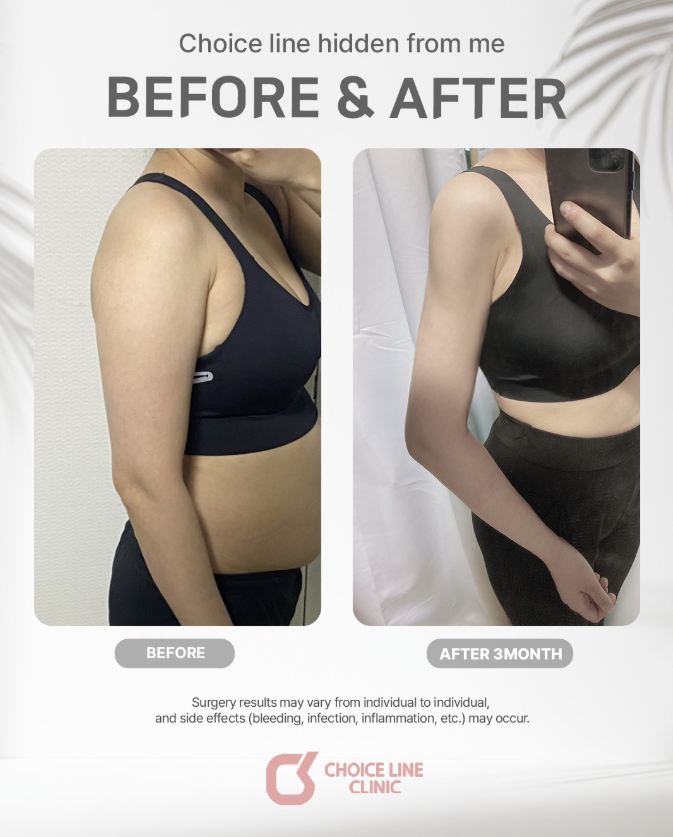
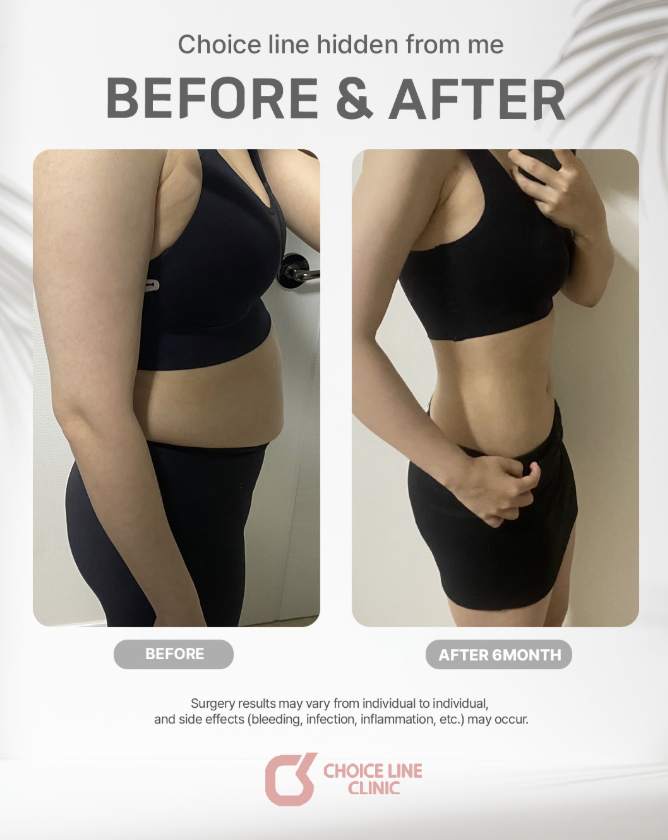
360° liposuction treats several connected areas around the torso, such as the abdomen, waist, flanks, and back.
Because the procedure is more extensive, patients may experience:
- Greater swelling
- More soreness
- Difficulty sitting or bending
- Longer compression garment use
- Increased fatigue
A longer stay, often around 10–14 days or more, may allow more time for early recovery and follow-up before a long flight.
What If Several Areas Are Treated Together?
Combining areas such as the arms, abdomen, thighs, and back can significantly increase the recovery burden.
Patients may need additional time because:
- More tissue is healing
- Swelling affects several areas
- Movement can be more difficult
- Surgery may be longer
- Follow-up needs may be greater
For extensive multi-area liposuction, planning approximately two weeks or longer in Seoul may be more comfortable than attempting a short medical trip.
Should You Arrive Before the Surgery Date?
Yes. It is generally better to arrive before the actual procedure rather than scheduling surgery immediately after landing.
Extra time allows for:
- In-person consultation
- Medical testing
- Surgical planning
- Anesthesia evaluation
- Rest after international travel
Arriving one or more days before surgery can also reduce unnecessary stress.
Why Are Follow-Up Appointments Important?
Patients should remain in Seoul long enough to complete important early postoperative checks.
Follow-up may include:
- Incision evaluation
- Dressing changes
- Swelling assessment
- Compression garment checks
- Medication review
- Stitch removal when necessary
The exact schedule varies by clinic and procedure.
When Can You Start Walking Around Seoul?
Gentle walking is often encouraged during early recovery, but this is very different from normal sightseeing.
During the first few days, patients may find it difficult to:
- Walk long distances
- Use stairs
- Stand for long periods
- Carry luggage
- Spend hours shopping
Short walks for circulation are different from spending an entire day exploring Seoul.
Can You Go Sightseeing During Recovery?
Light activities may become possible as discomfort improves, but patients should keep their schedule flexible.
Early recovery should avoid:
- Long walking tours
- Intense shopping days
- Hiking
- Heavy lifting
- Strenuous exercise
- Alcohol-centered activities
Medical tourism works better when recovery days are treated as recovery days rather than vacation days.
Why Should You Avoid Flying Too Soon?
Long-distance flights involve prolonged sitting, while recent surgery is also a risk factor for blood clots.
Patients may also find flying uncomfortable because of:
- Swelling
- Tight compression garments
- Difficulty moving
- Incision tenderness
- Fatigue
The appropriate flight date should therefore be determined by the surgeon based on the individual procedure and recovery.
Does Flight Duration Matter?
Yes. Returning to a nearby country may be different from taking a long-haul flight to North America, Europe, or another distant destination.
Long flights require more attention to:
- Mobility
- Hydration
- Leg movement
- Swelling
- Blood-clot risk
Patients with additional medical risk factors may need more recovery time before traveling.
What Is a Practical Seoul Schedule?
A simple medical tourism schedule may look something like this:
- Day 1: Arrive in Seoul
- Day 2: Consultation and testing
- Day 3: Surgery
- Days 4–6: Early recovery
- Days 7–10: Follow-up and gradual activity
- Afterward: Return home when medically cleared
More extensive procedures may require additional recovery days.
Should You Book a Flexible Return Flight?
Whenever possible, flexibility can be helpful.
Recovery does not always follow an exact schedule, and a patient may need to remain in Seoul longer because of:
- Persistent swelling
- Wound concerns
- Additional follow-up
- Delayed mobility
- Surgeon recommendation
A rigid return schedule can create unnecessary pressure to travel before recovery is ready.
Where Should You Stay During Recovery?
Accommodation close to the clinic is usually more convenient.
Look for:
- Elevator access
- Short travel distance
- Comfortable bed
- Private bathroom
- Nearby food options
- Easy taxi access
Minimizing unnecessary travel around Seoul can make the first postoperative days much easier.
What Should You Confirm Before Leaving Korea?
Before flying home, international patients should understand:
- Whether healing is progressing normally
- How long to continue compression
- How to care for incisions
- When exercise can resume
- How remote follow-up works
- Which symptoms require urgent medical attention
Patients should also have a clear way to contact the clinic after returning home.
Final Thoughts
There is no single number of days that every patient needs in Seoul for liposuction. A small-area procedure may allow a shorter stay, while abdomen, 360°, or multi-area liposuction often requires around one to two weeks or longer for a more comfortable recovery and appropriate follow-up. The safest approach is to allow extra time, complete postoperative checks, and return home only after the treating medical team confirms that travel is appropriate.