



How to Choose a Liposuction Surgeon in Korea
How to Choose a Liposuction Surgeon in Korea
Choosing the right liposuction surgeon in Korea is one of the most important decisions for international patients. Price, social media popularity, and before-and-after photos can be useful when comparing clinics, but they should not be the only factors. A good surgeon should have appropriate medical qualifications, experience with the areas you want treated, a clear approach to safety, and a realistic understanding of what liposuction can achieve.
Check the Surgeon’s Medical Qualifications
Start by confirming exactly who will perform the procedure.
Patients should ask about:
- Medical specialty
- Professional qualifications
- Surgical training
- Years of experience
- Experience performing liposuction
Do not assume that every doctor working at a cosmetic clinic has the same level of surgical training or experience.
Look for Liposuction Experience
General cosmetic surgery experience is not necessarily the same as extensive experience with body contouring.
Ask how frequently the surgeon performs procedures involving:
- Abdomen
- Waist and flanks
- Arms
- Thighs
- Back
- Chin
- Multiple body areas
A surgeon who regularly treats your specific area may be better able to plan smooth transitions and balanced proportions.
Make Sure You Know Who Will Actually Operate
Large clinics may have several doctors, so confirm the identity of your surgeon before paying or scheduling surgery.
Ask:
- Who will perform my consultation?
- Who will perform my surgery?
- Will the surgeon change on the day?
- Who will manage my postoperative care?
You should know which doctor is responsible for your treatment.
Choose a Surgeon Who Focuses on Shape, Not Maximum Fat Removal
Successful liposuction is not about removing as much fat as possible.
A careful surgeon should consider:
- Natural body proportions
- Skin thickness
- Skin elasticity
- Muscle structure
- Fat distribution
- Transitions between treated areas
Removing too much fat can increase the risk of dents, hollows, loose skin, or unnatural contours.
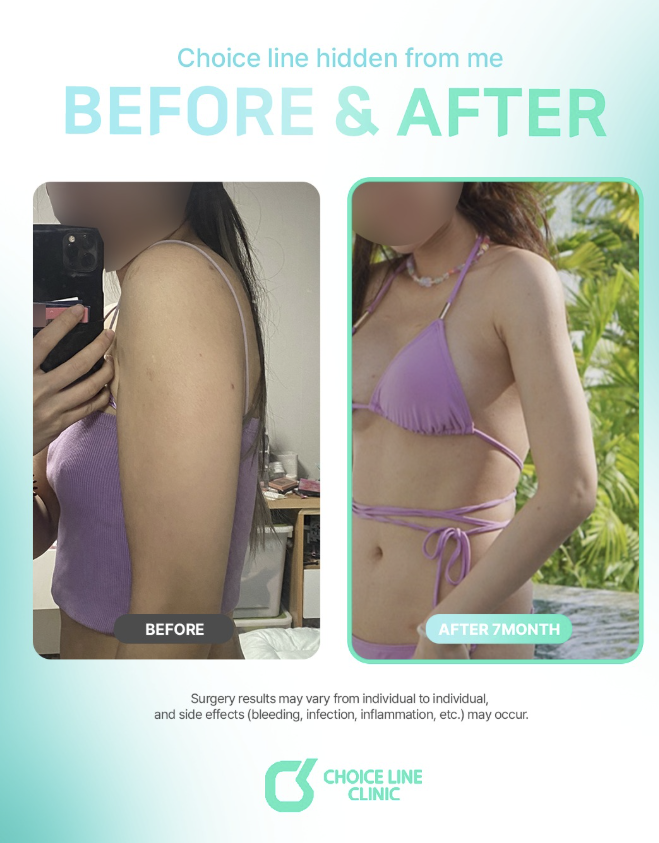
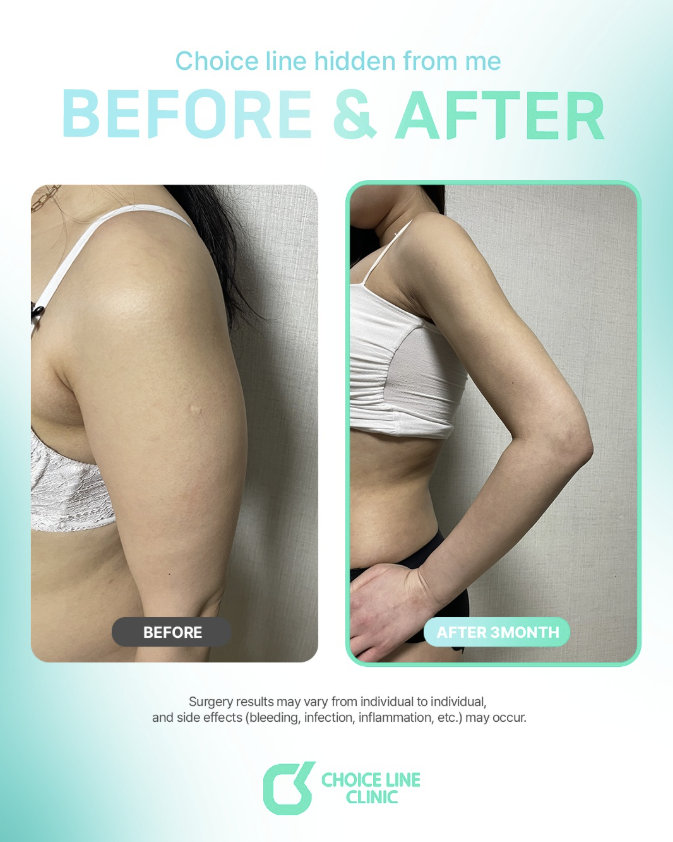
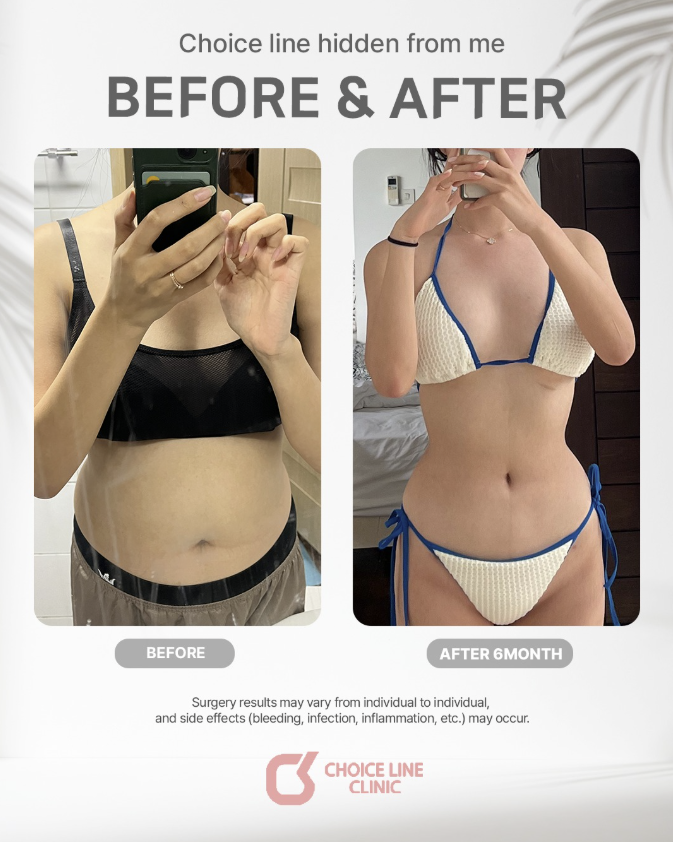
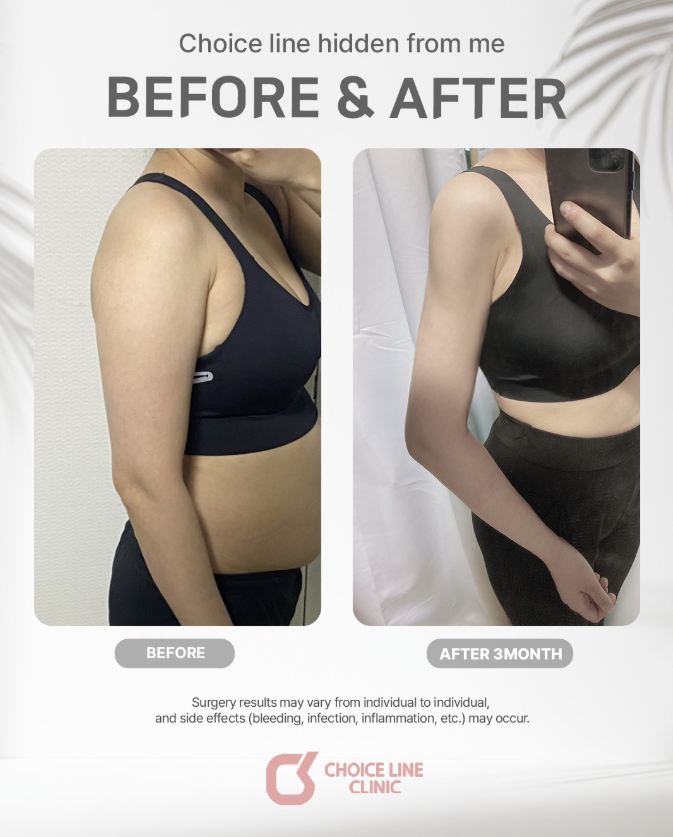
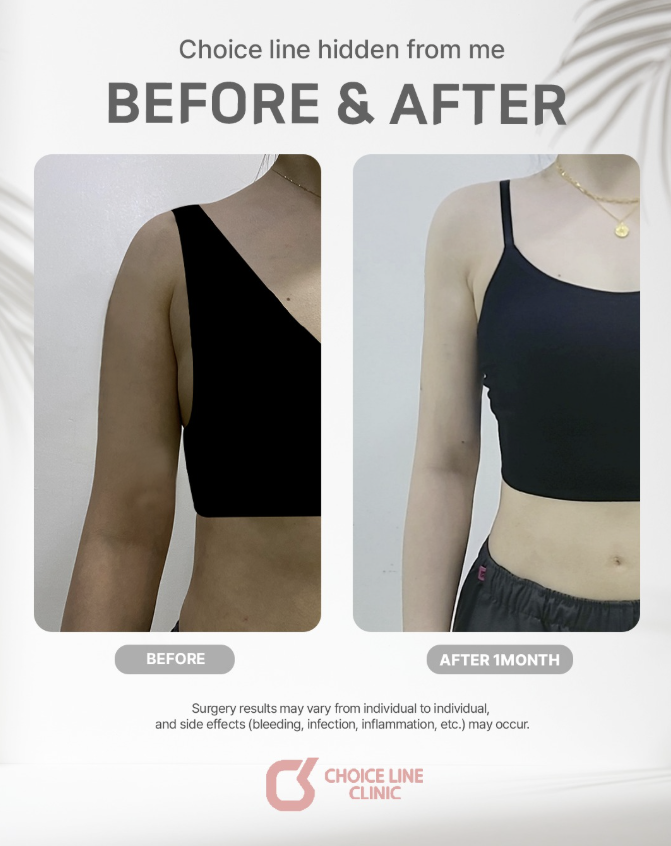
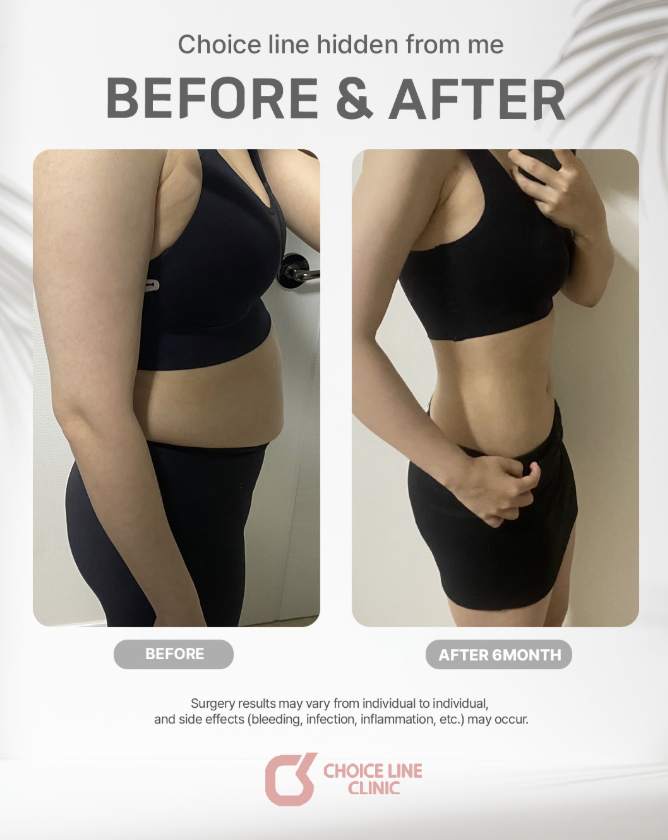
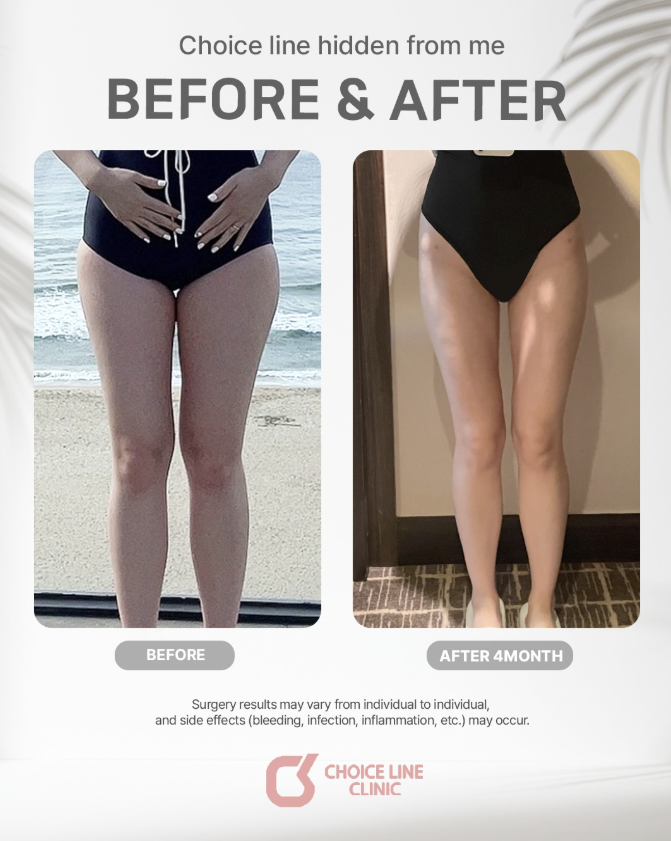
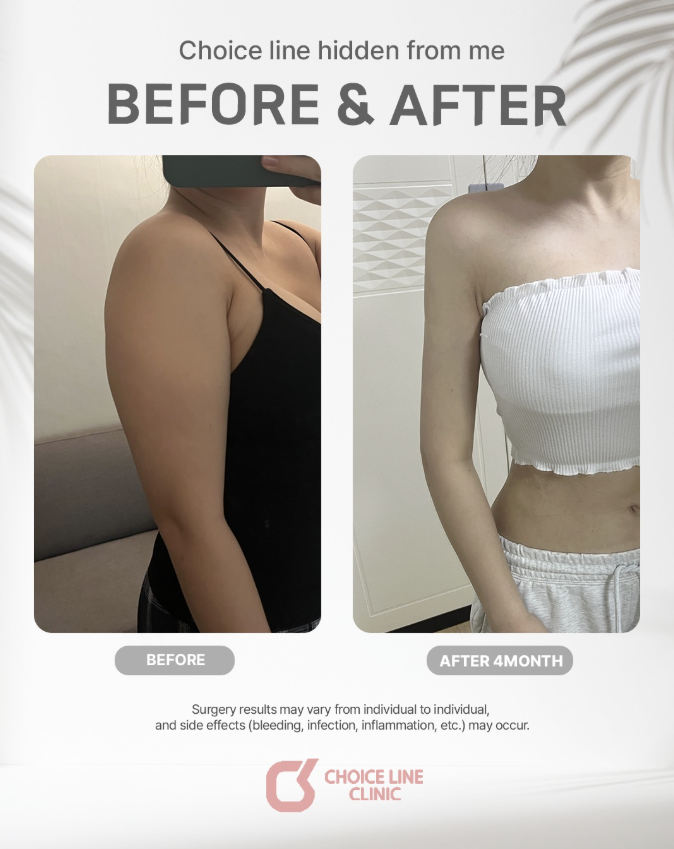
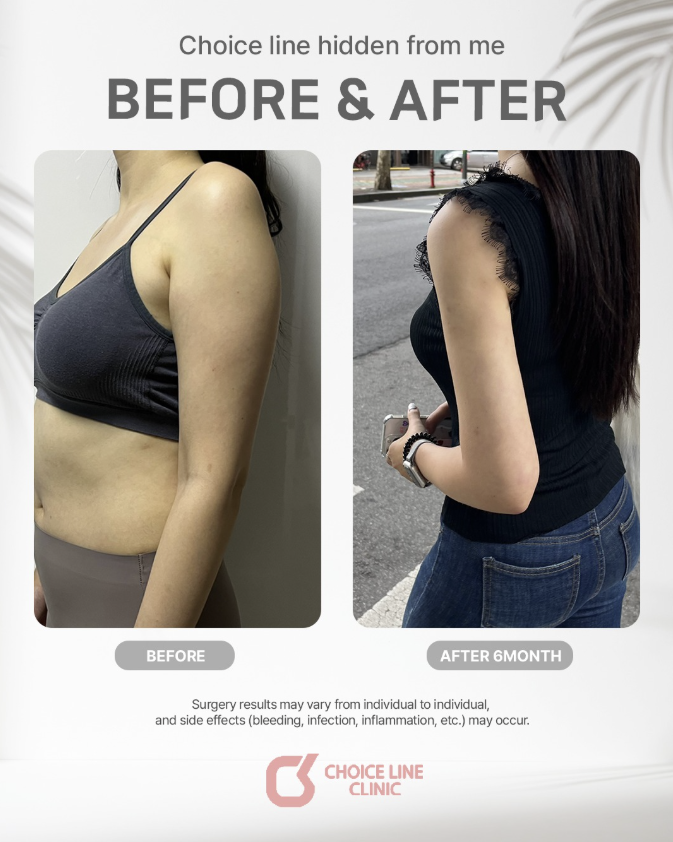
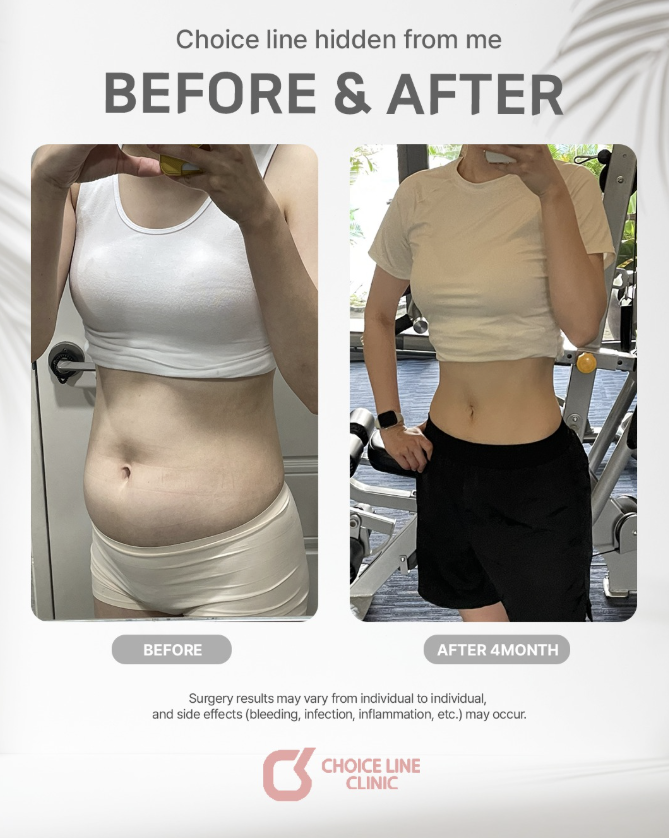
Review Before-and-After Photos Carefully
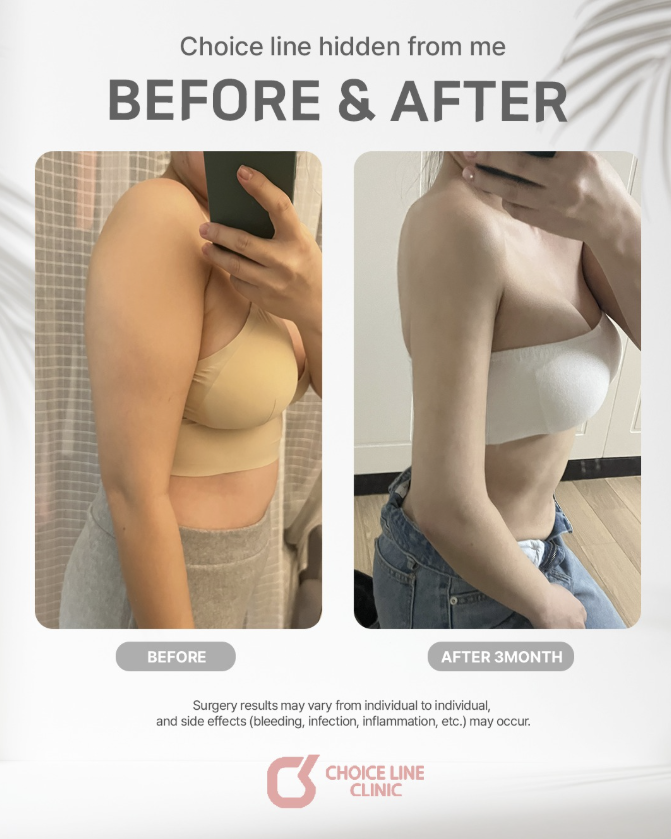
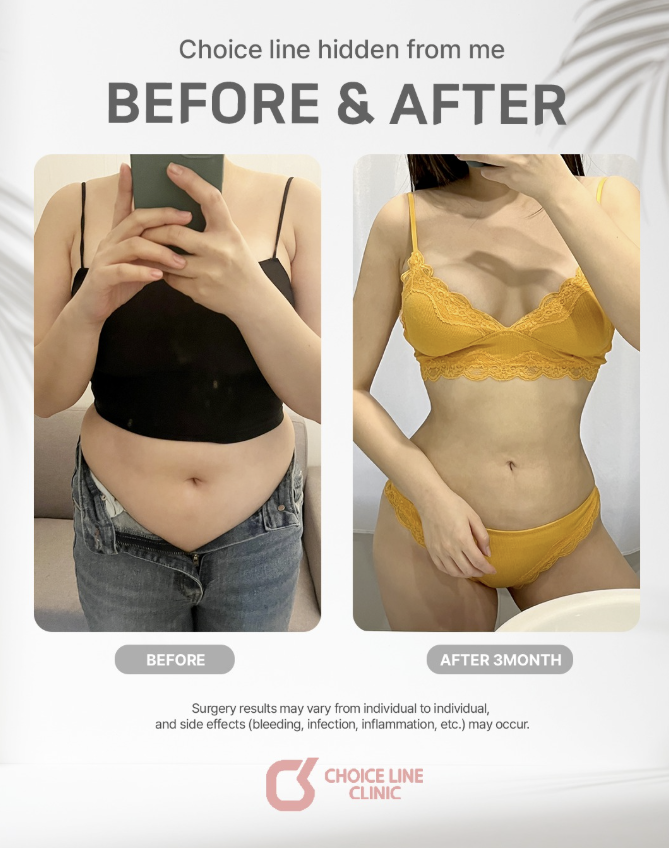
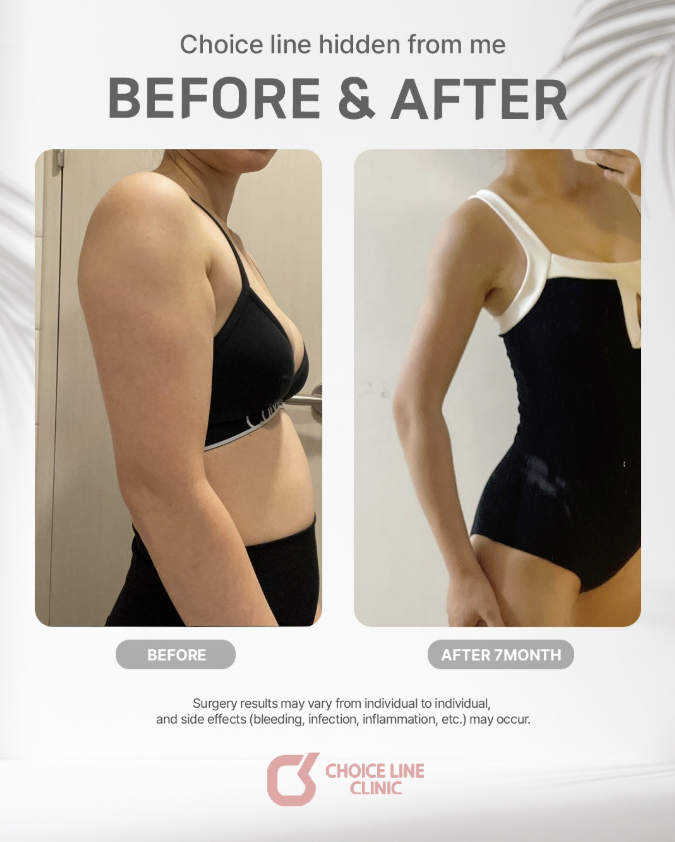
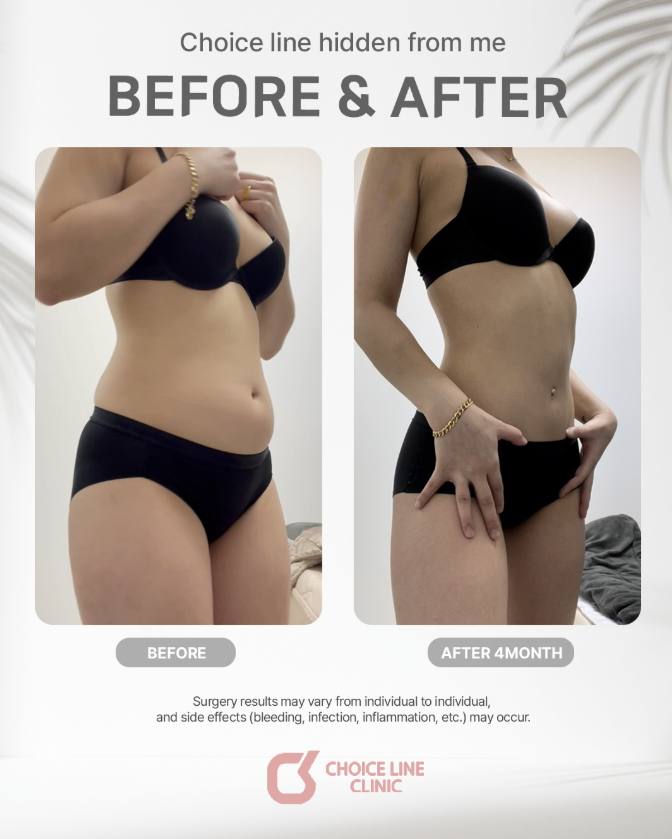
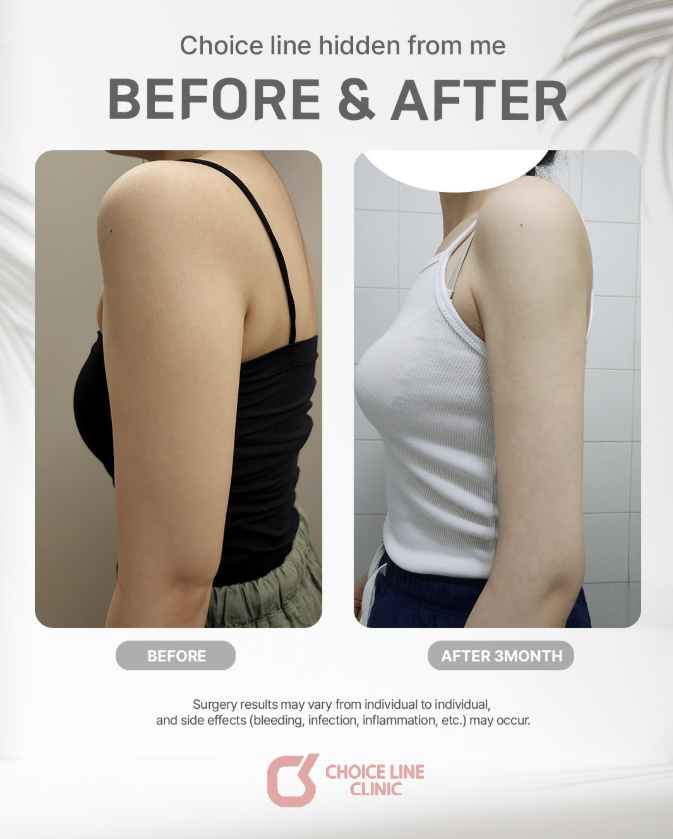
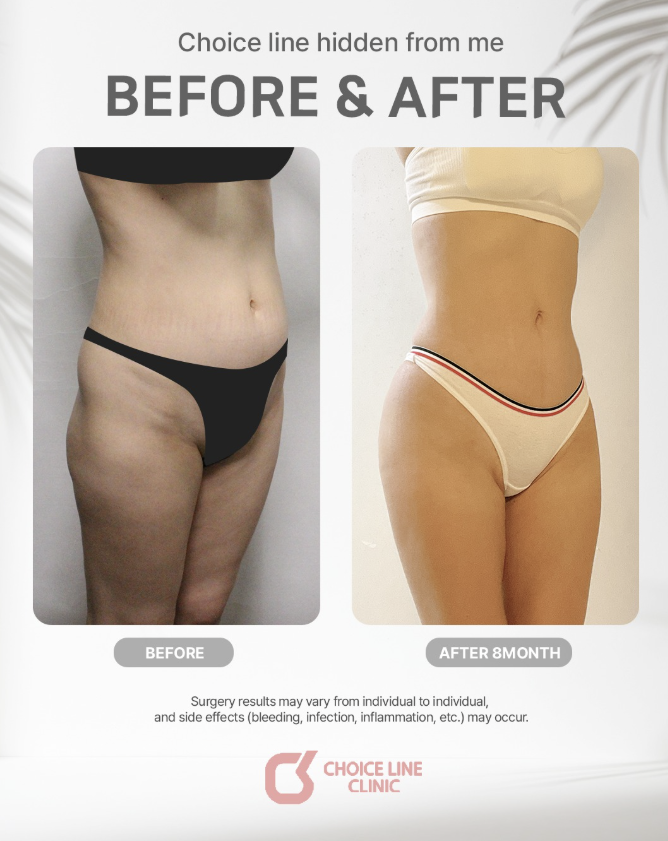
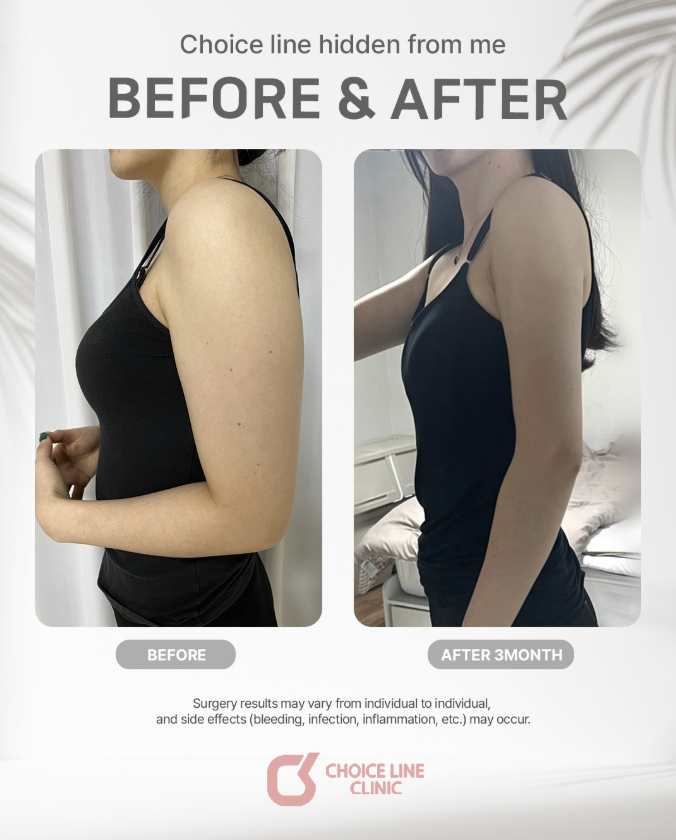
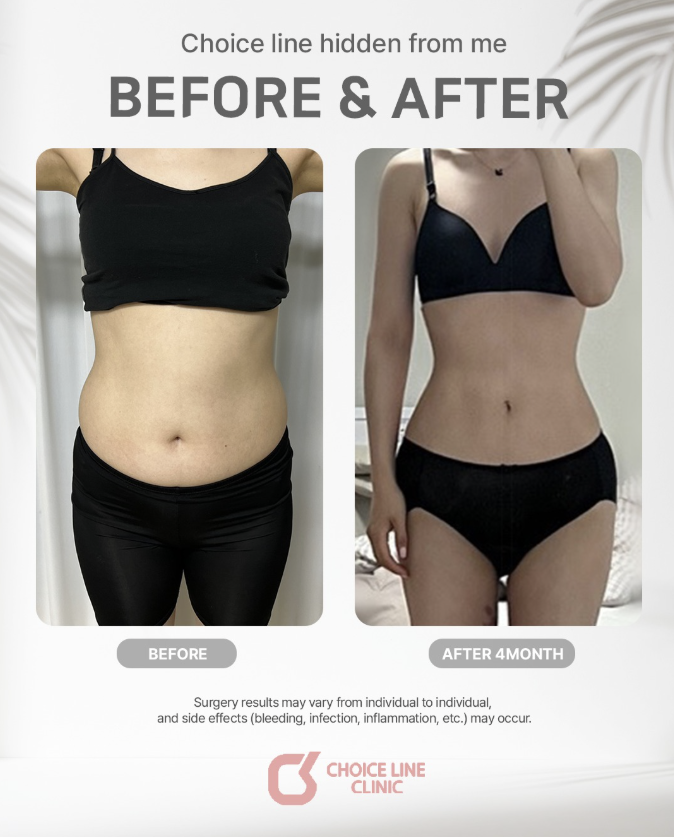
Before-and-after photos can help you understand the surgeon's approach to body contouring.
Look for patients with:
- Similar body type
- Similar treatment areas
- Similar fat distribution
- Similar starting proportions
Also look at several angles rather than relying on one carefully selected photograph.
Results should appear balanced and natural rather than excessively thin or over-sculpted.
Ask How the Surgeon Plans Multiple Areas
If you are considering several areas, the surgeon should explain how they work together.
For example, abdominal contouring may also involve:
- Upper abdomen
- Lower abdomen
- Waist
- Flanks
- Lower back
Treating one area without considering neighboring areas can sometimes create an uneven transition.
Discuss How Much Fat Will Be Removed
You should receive a realistic explanation of the expected treatment volume.
Ask:
- How much fat do you expect to remove?
- How much total aspirate is expected?
- Is this considered extensive liposuction?
- Would treating fewer areas be safer?
- Should the procedure be divided into stages?
A responsible surgeon should be comfortable recommending a more conservative plan when appropriate.
Ask About Skin Elasticity
Not every contour problem is caused by fat.
A good consultation should also evaluate whether you have:
- Loose skin
- Poor skin elasticity
- Previous weight-loss-related laxity
- Pregnancy-related skin changes
If loose skin is significant, liposuction alone may not provide the result you expect.
Understand the Anesthesia Plan
The surgeon should be able to explain how anesthesia will be managed.
Before surgery, ask:
- What type of anesthesia will be used?
- Who administers the anesthesia?
- Who monitors me during surgery?
- What monitoring equipment is available?
- What happens if an emergency occurs?
Anesthesia safety becomes particularly important when several areas or larger volumes are treated.
Check the Surgical Facility
The environment where surgery takes place is just as important as the surgeon.
Ask about:
- Operating-room facilities
- Infection-control procedures
- Patient monitoring
- Emergency equipment
- Recovery rooms
- Postoperative observation
Avoid judging a clinic mainly by luxurious interiors or marketing photographs.
Check Whether the Clinic Is Registered for Foreign Patients
International patients can also verify whether a Korean medical institution is officially registered to attract foreign patients.
Medical Korea maintains a searchable database of registered medical institutions, which is listed as updated in July 2026. Korea's registration system also requires registered institutions serving foreign patients to maintain medical malpractice liability coverage.
This does not guarantee a perfect outcome, but it is a useful additional check when choosing a clinic.
Consider KAHF Accreditation
Some institutions participate in the Korean Accreditation Program for Hospitals Serving Foreign Patients, known as KAHF.
The program evaluates areas including:
- Patient safety
- Medication management
- Infection control
- Facility management
- Foreign-patient services
- Interpretation
The current fourth accreditation cycle runs from 2023 through 2026.
Accreditation can be useful when comparing facilities, although surgeon experience still needs to be evaluated separately.
Make Sure Communication Is Clear
For foreign patients, communication is part of medical safety.
You should be able to clearly discuss:
- Treatment goals
- Surgical limitations
- Risks
- Medications
- Recovery
- Follow-up
- Warning signs
If the surgeon does not speak your language, a reliable medical interpreter should be available.
Do Not Rely Only on a Coordinator
International coordinators can be very helpful with appointments, transportation, and translation.
However, medical decisions should ultimately be explained by the treating medical professional.
Important questions about:
- Surgical technique
- Fat-removal volume
- Risks
- Anesthesia
- Complications
- Suitability
should not be answered only by a sales representative.
Ask About Postoperative Care
The surgeon's responsibility does not end when surgery is finished.
Before choosing a clinic, confirm what aftercare includes.
Ask about:
- First postoperative examination
- Incision checks
- Compression garment guidance
- Medication
- Swelling management
- Additional follow-up visits
- Emergency contact
International patients should know exactly how long they need to remain in Seoul.
Ask What Happens After You Return Home
This is especially important when traveling from another country.
Confirm:
- Whether remote follow-up is available
- Whether you can send recovery photos
- Who answers medical questions
- What happens if complications develop
- How medical records can be obtained
You should have a clear plan before boarding your flight home.
Watch for Warning Signs
Be cautious if a surgeon or clinic:
- Guarantees perfect results
- Promises extremely large fat removal
- Avoids discussing complications
- Cannot clearly explain anesthesia
- Pressures you to pay immediately
- Recommends many additional procedures without clear reasoning
- Provides little postoperative support
- Will not clearly identify the operating surgeon
A trustworthy consultation should discuss limitations as clearly as potential benefits.
Do Not Choose Based Only on Price
Korea can offer competitive cosmetic-surgery pricing, but the cheapest option is not automatically the best choice.
Compare what the price actually includes:
- Surgeon
- Anesthesia
- Operating room
- Medical testing
- Medication
- Compression garments
- Follow-up appointments
Paying slightly more for appropriate medical care and structured follow-up may be more important than finding the lowest advertised price.
Questions to Ask During Your Consultation
Before choosing a surgeon, consider asking:
- How often do you perform liposuction?
- How much experience do you have with my treatment area?
- How much fat do you expect to remove?
- Do I have good enough skin elasticity?
- Who will provide anesthesia?
- How long will surgery take?
- What complications do you commonly discuss with patients?
- How long should I stay in Korea?
- How will follow-up work after I return home?
The answers should be specific to your body rather than identical for every patient.
Final Thoughts
Choosing a liposuction surgeon in Korea should involve more than comparing prices or social media results. Look for appropriate medical qualifications, substantial experience with your treatment area, conservative and proportion-focused planning, clear anesthesia and safety protocols, and structured postoperative care. International patients can also use Korea's official Medical Korea registration system as an additional way to check clinics serving foreign patients. The best surgeon is not necessarily the one promising the biggest change, but the one who can explain what is appropriate, realistic, and safe for your individual body.