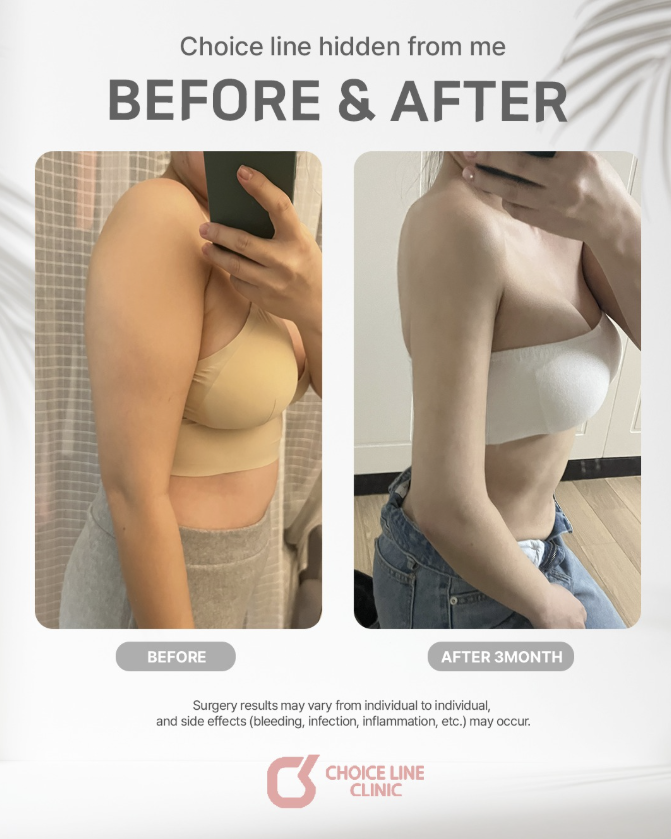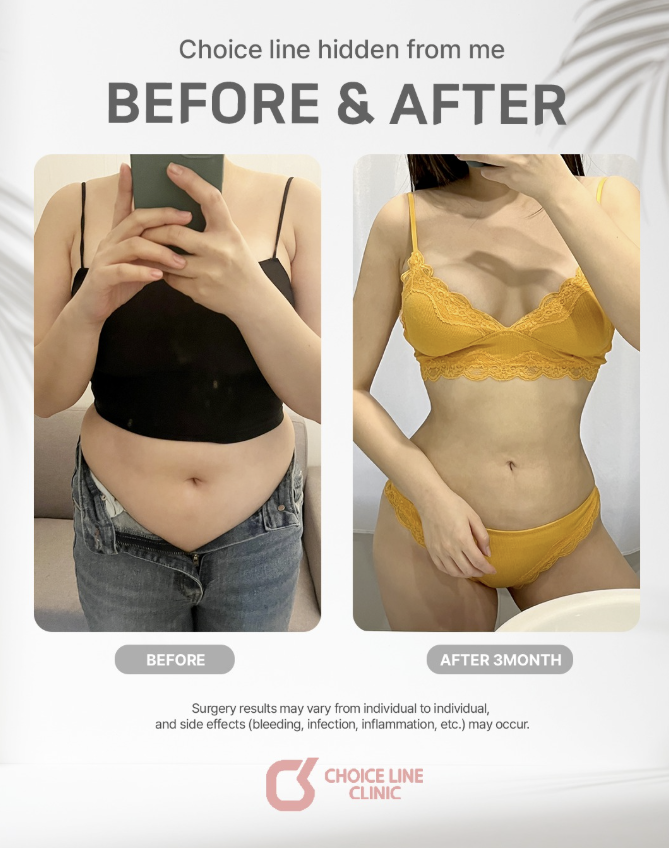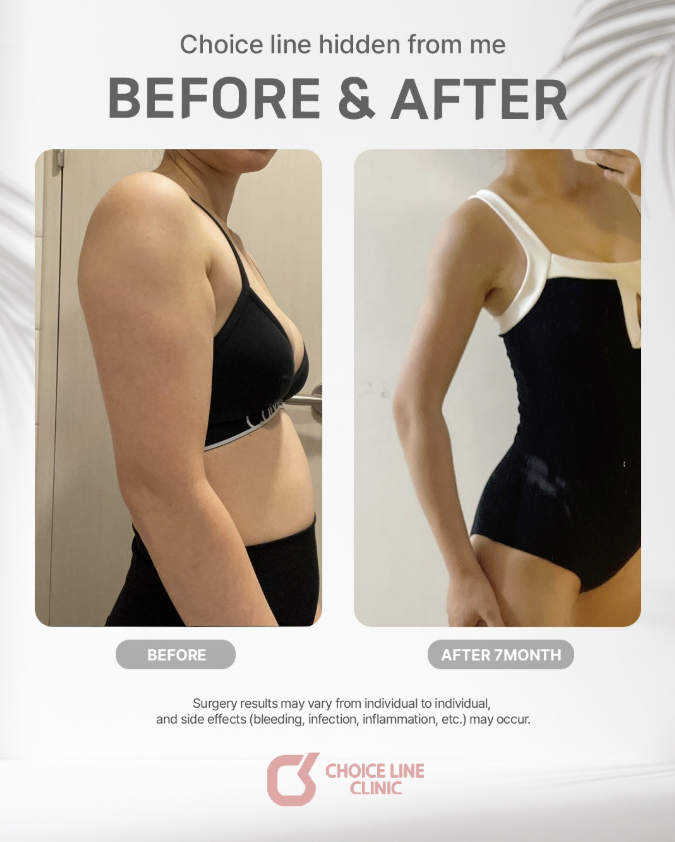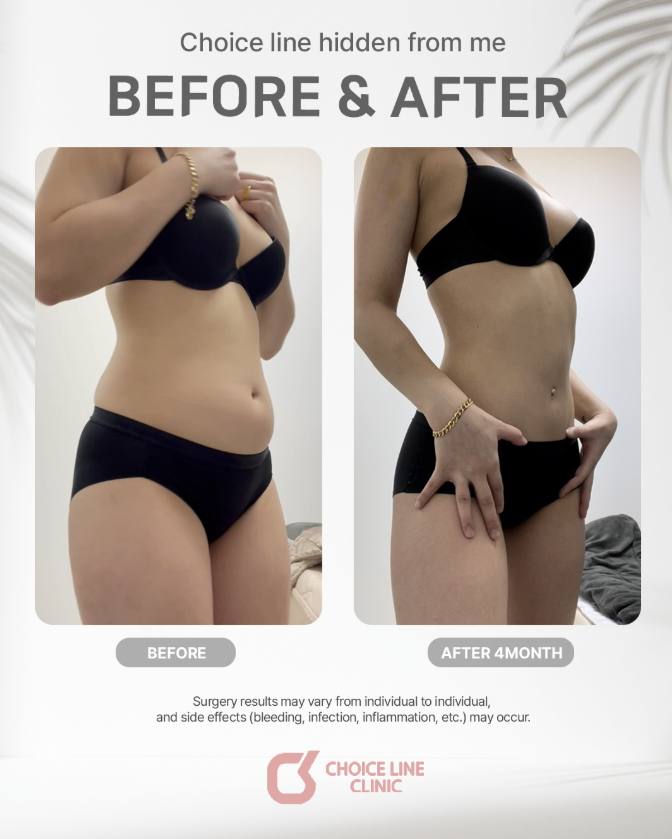




Traveling to Korea for Liposuction: Complete Medical Tourism Guide
Traveling to Korea for Liposuction: Complete Medical Tourism Guide
Korea has become a popular destination for international patients seeking liposuction and body contouring, particularly in Seoul and Gangnam. Traveling abroad for surgery, however, requires more planning than simply choosing a clinic and booking a flight. Patients should consider medical safety, surgeon qualifications, accommodation, recovery time, postoperative care, and when it is appropriate to travel home.
Start With a Medical Consultation
Before arranging travel, patients should first determine whether liposuction is appropriate for them.
The consultation should evaluate:
- Overall health
- Medical history
- Current medications
- Body weight and BMI
- Fat distribution
- Skin elasticity
- Previous surgeries
- Desired treatment areas
Patients should provide accurate medical information rather than waiting until they arrive in Korea.
Choose a Clinic That Treats International Patients
Korea operates an official registration system for medical institutions that attract foreign patients. Registered institutions are subject to specific requirements, including medical malpractice liability insurance. Medical Korea also maintains a searchable list of registered hospitals and clinics, which was updated in July 2026.
Before booking, patients should confirm:
- Whether the clinic is officially registered
- Who will perform the surgery
- Whether foreign-language assistance is available
- How postoperative care is provided
- Who handles emergencies
Registration is useful to verify, but it should not replace careful evaluation of the surgeon and surgical facility.
What Is KAHF Accreditation?
Some institutions also participate in Korea's accreditation program for hospitals serving foreign patients, known as KAHF.
The program evaluates areas including:
- Patient safety
- Infection control
- Medication management
- Facility management
- Interpretation services
- Foreign-patient management
The current fourth accreditation cycle covers 2023–2026.
Accreditation can provide additional information when comparing medical providers, although it cannot guarantee a specific surgical result.
Check the Surgeon, Not Just the Clinic
A well-known clinic does not automatically mean every procedure is appropriate for every patient.
Before surgery, ask:
- Who will perform the liposuction?
- What experience do they have with the requested areas?
- How much fat is expected to be removed?
- Will several areas be treated together?
- What type of anesthesia will be used?
- Who monitors anesthesia?
- How are complications handled?
Patients should know the actual surgical plan before paying for or undergoing the procedure.
Understand the Total Cost Before Traveling
International patients should request a detailed estimate rather than focusing only on an advertised starting price.
Ask whether the price includes:
- Surgeon fee
- Anesthesia
- Operating-room costs
- Preoperative testing
- Compression garments
- Medication
- Follow-up appointments
- Postoperative treatments
Patients should also budget separately for flights, accommodation, transportation, food, and additional recovery days.
Check Visa and Entry Requirements
Visa requirements depend on nationality, length of stay, and individual circumstances.
Korea's official Visa Portal includes dedicated categories for Medical Tourist (C-3-3) and Treatment and Recuperation (G-1-10) visas. Eligibility and application procedures vary, so international patients should check the latest requirements before booking travel.
Do not assume that undergoing surgery automatically provides permission to enter or remain in Korea.
How Long Should You Stay in Korea?
The appropriate length of stay depends on the extent of surgery and how recovery progresses.
Patients undergoing small-area liposuction may recover more quickly than those having:
- Abdomen and waist liposuction
- 360° liposuction
- Arms and thighs together
- Multiple body areas
- High-volume procedures
Patients should ideally remain long enough to complete important early follow-up appointments and receive medical clearance before flying.
Do Not Plan Surgery Like a Vacation
Medical tourism advertisements may make cosmetic surgery appear similar to a holiday, but early recovery is usually not the right time for intensive sightseeing.
After liposuction, patients may experience:
- Swelling
- Bruising
- Fatigue
- Tenderness
- Limited movement
The American Society of Plastic Surgeons advises avoiding activities such as extensive tours, strenuous exercise, swimming, and alcohol during early postoperative recovery.
A quiet recovery schedule is generally more practical.
Where Should You Stay After Surgery?
Accommodation should be chosen for convenience rather than tourism alone.
Consider staying:
- Close to the clinic
- Near pharmacies and medical facilities
- Somewhere with elevators
- In a room with enough space to rest
- Near simple meal options
Long subway transfers, stairs, and lengthy walks may be uncomfortable during the first few days.
What Should You Pack?
Packing for postoperative comfort can make recovery easier.
Useful items may include:
- Loose clothing
- Wide or adjustable pants
- Button-up or zip-up tops
- Slip-on shoes
- Personal medications
- Passport and medical documents
- Phone charger
- Comfortable travel clothes
The clinic may provide the required compression garment, but patients should confirm this before arriving.
What Happens During Early Recovery?
The first few days are usually focused on rest, swelling management, and short periods of gentle movement.
Patients may need to:
- Wear compression garments
- Take prescribed medications
- Walk gently
- Keep incision areas clean
- Attend follow-up appointments
- Avoid strenuous exercise
Swelling can temporarily make the treated area appear larger than expected, so results should not be judged immediately.
When Can You Fly Home?
Flying too soon after surgery should be avoided.
ASPS has suggested waiting at least five to seven days after body procedures such as liposuction before flying, but this is only general guidance and more extensive procedures may require a longer stay.
Recent surgery is also a recognized risk factor for blood clots, and prolonged travel lasting more than about four hours can further increase that risk.
The surgeon's individual clearance should therefore take priority over a fixed travel schedule.
How Can You Prepare for a Long Flight?
Patients who have been cleared to fly should ask their medical team about appropriate precautions.
Depending on individual risk, recommendations may include:
- Walking periodically
- Moving the ankles and calves while seated
- Avoiding prolonged immobility
- Staying appropriately hydrated
- Wearing comfortable clothing
Patients at increased risk for blood clots should receive individualized medical advice rather than self-prescribing medication or compression stockings.
Plan Follow-Up Care Before Returning Home
One of the biggest differences between local surgery and medical tourism is that the surgeon may be thousands of kilometers away after the patient returns home.
Before leaving Korea, confirm:
- How remote follow-up works
- How to send postoperative photos
- Who to contact with concerns
- Which symptoms require urgent care
- Whether additional visits are needed
- How medical records can be obtained
Follow-up limitations are an important consideration in cosmetic surgery tourism.
Know the Warning Signs
Normal swelling and tenderness should gradually improve, but some symptoms require prompt medical evaluation.
Seek medical attention for:
- Sudden severe swelling
- Significant one-sided leg swelling
- Increasing redness
- Severe or worsening pain
- Fever
- Unusual drainage
- Chest pain
- Shortness of breath
Do not wait for an international flight home if a serious complication is suspected.
Avoid Choosing a Clinic Based Only on Price
Low prices can be attractive when traveling for cosmetic surgery, but cost should not be the main deciding factor.
Be cautious if a provider:
- Guarantees perfect results
- Cannot clearly identify the surgeon
- Encourages unusually aggressive fat removal
- Provides little information about anesthesia
- Minimizes possible complications
- Pressures you to make an immediate payment
- Has unclear postoperative support
Surgical safety, realistic treatment limits, and reliable follow-up are more important than obtaining the lowest possible price.
Final Thoughts
Traveling to Korea for liposuction can be a practical option for international patients, but successful medical tourism requires careful preparation. Patients should verify the clinic and surgeon, understand the complete surgical plan and costs, arrange appropriate accommodation, allow enough time for recovery, and establish follow-up care before returning home. Korea provides official registration and accreditation systems for institutions serving foreign patients, but these systems do not eliminate surgical risk. A well-planned trip should treat liposuction as surgery first and travel second.