



Can Fat Return After Liposuction?
Can Fat Return After Liposuction?
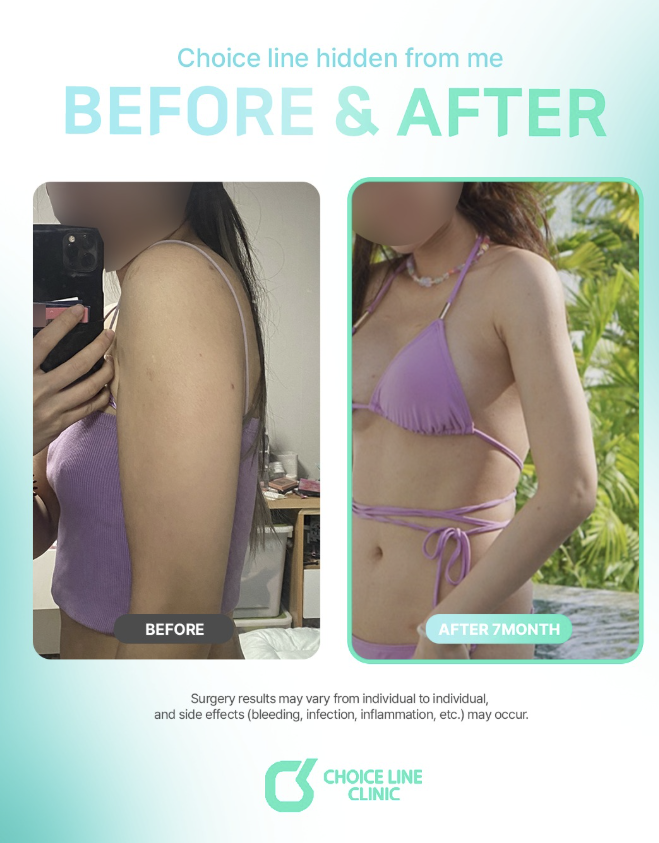
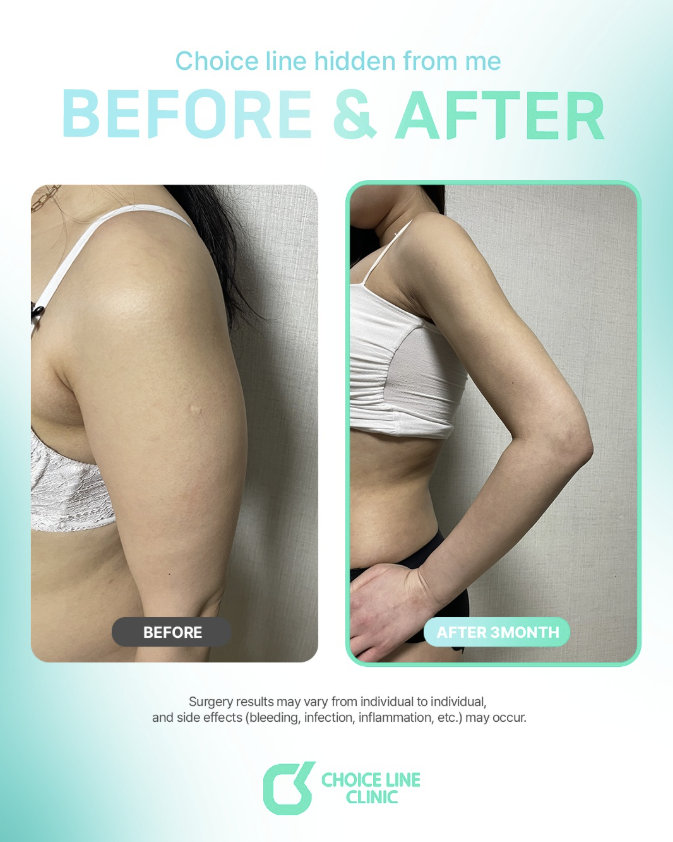
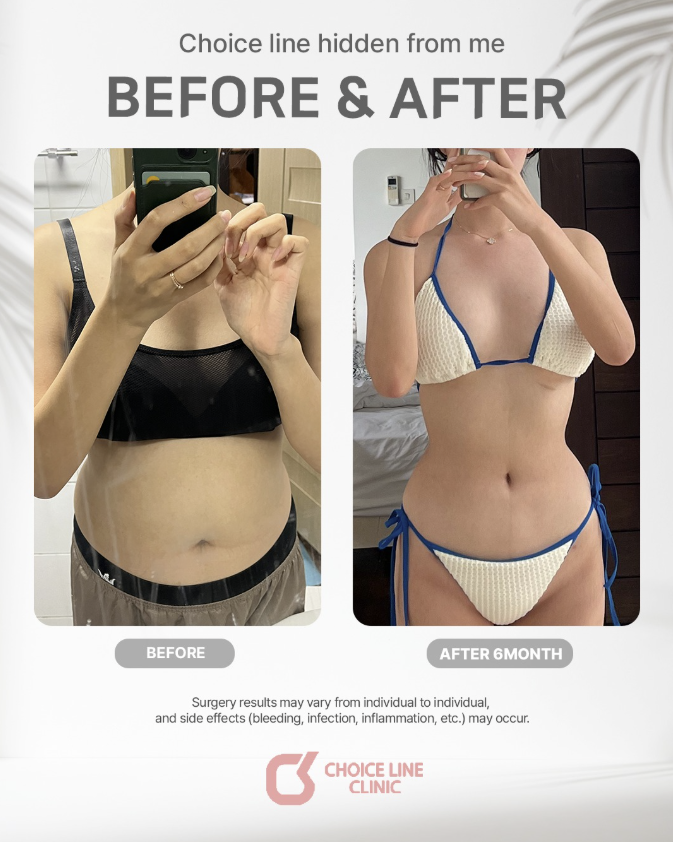
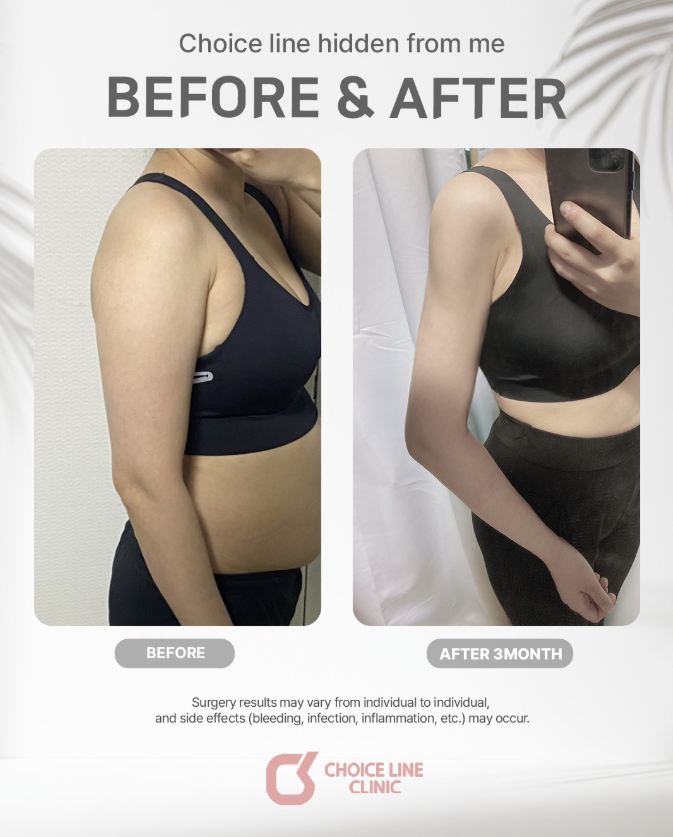
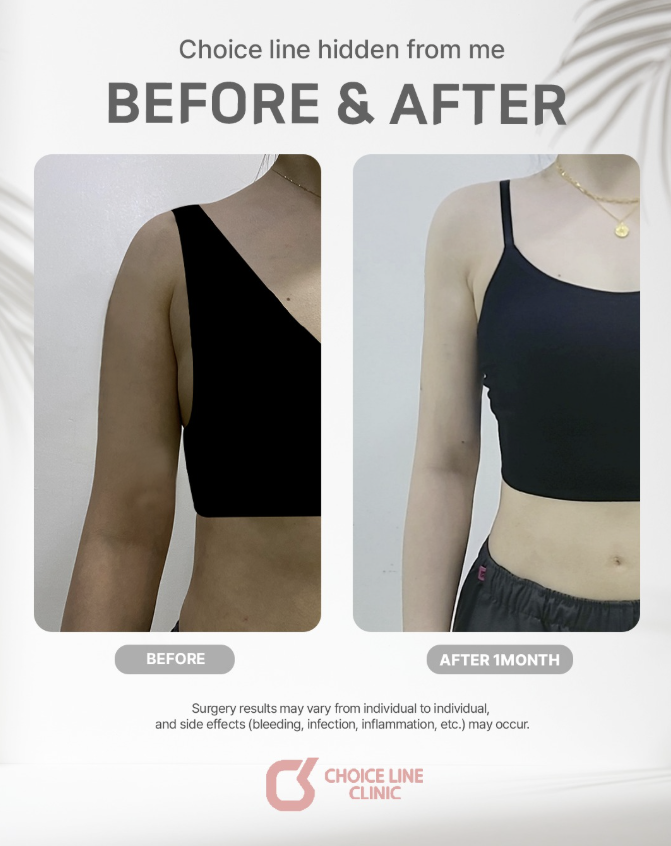
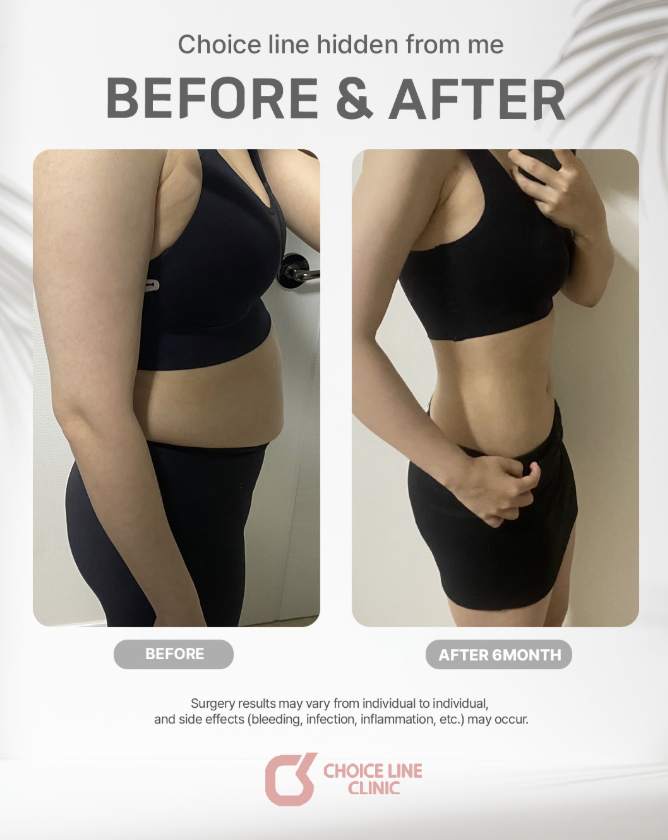
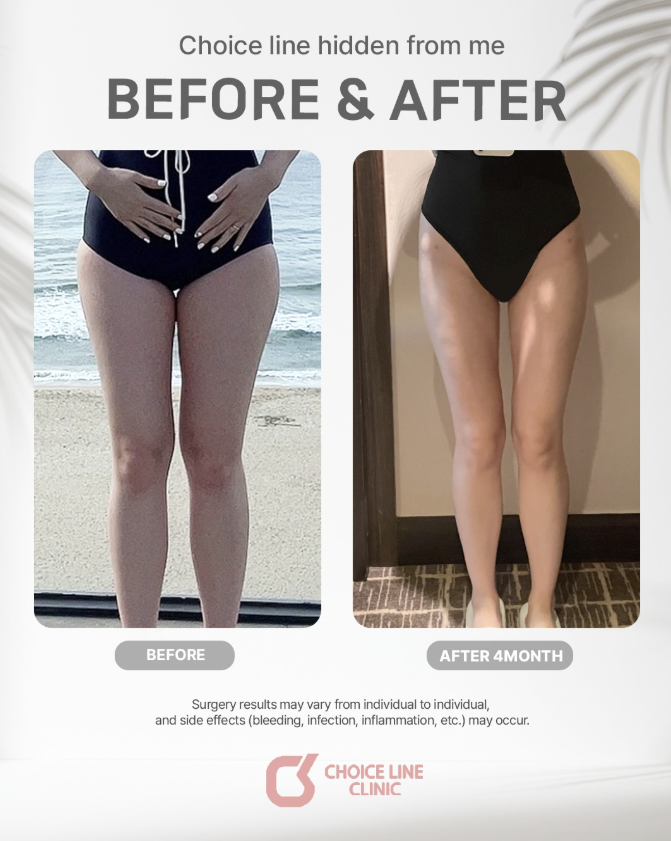
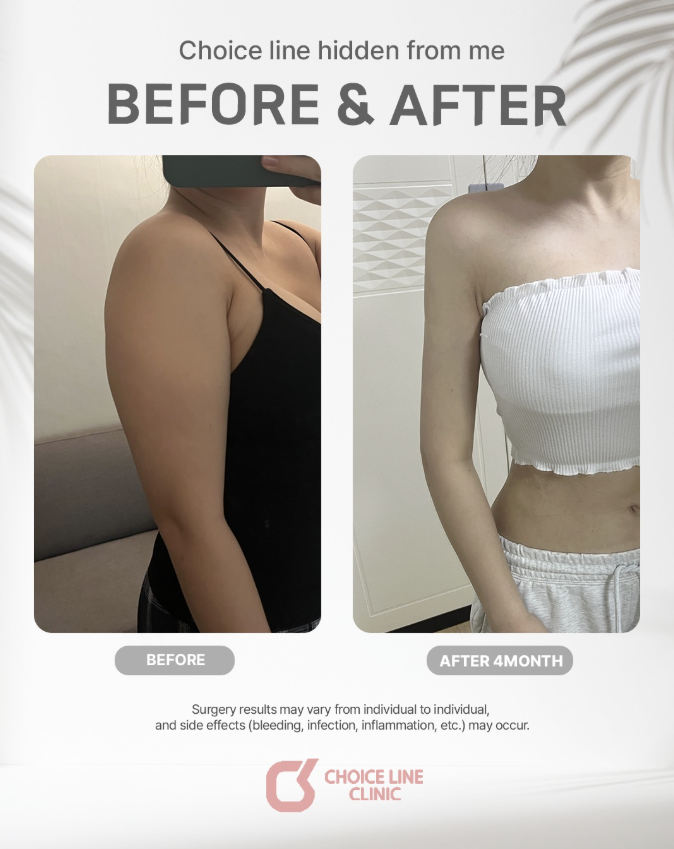
Liposuction permanently removes fat cells from treated areas, but this does not mean future weight gain is impossible. In Korea—especially in Gangnam clinics—surgeons carefully explain that liposuction is a body contouring procedure, not a permanent protection against fat gain. While removed fat cells do not grow back, remaining fat cells in the body can still expand if weight increases significantly.
What Happens to Fat Cells During Liposuction
Liposuction physically removes fat cells from targeted areas using suction techniques.
Key points:
- Removed fat cells are permanently eliminated
- The number of fat cells in treated areas is reduced
- Treated areas generally store less fat afterward
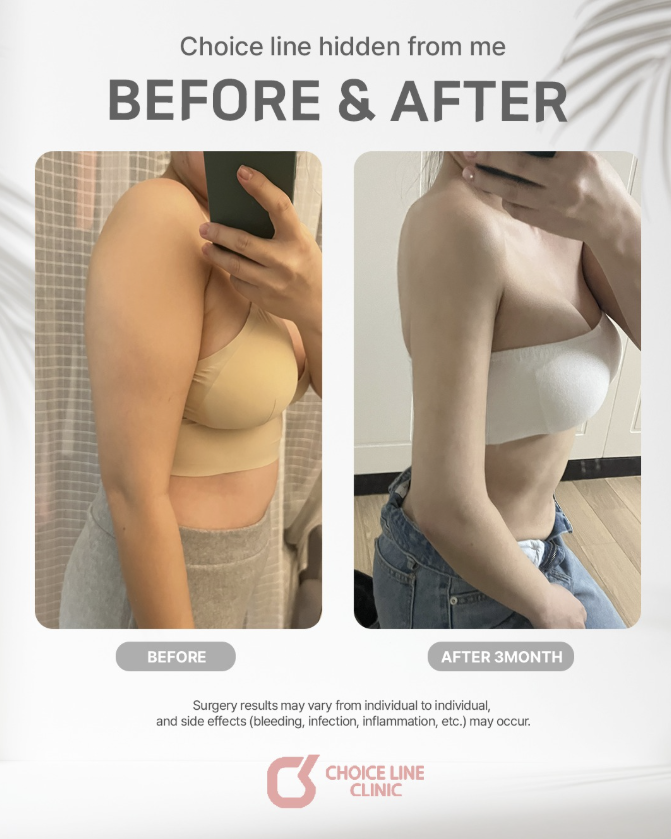
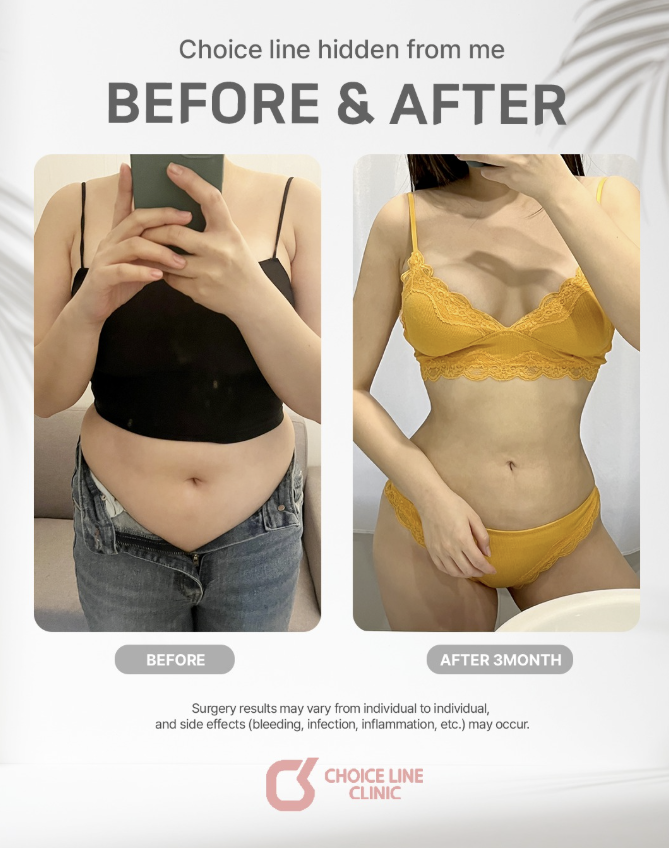
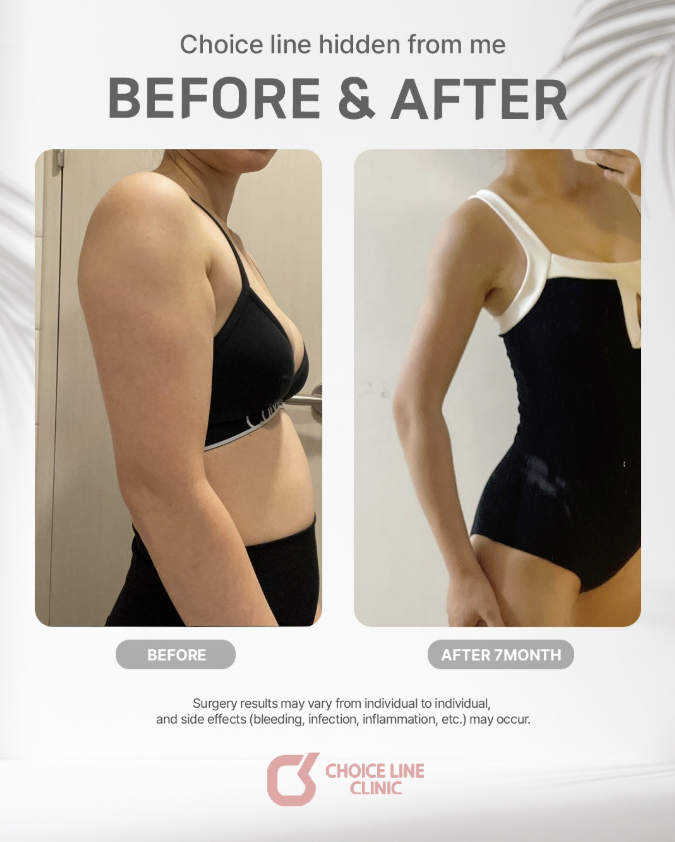
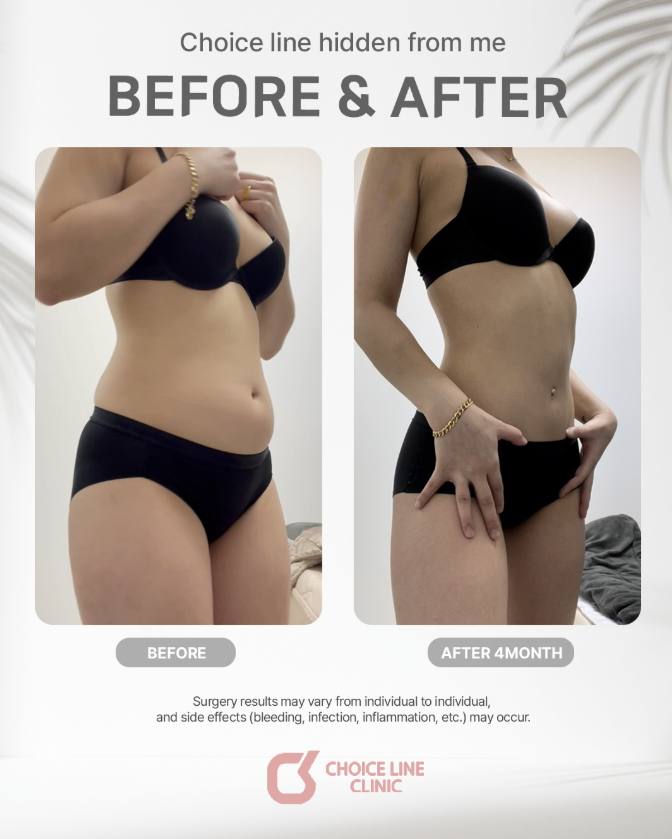
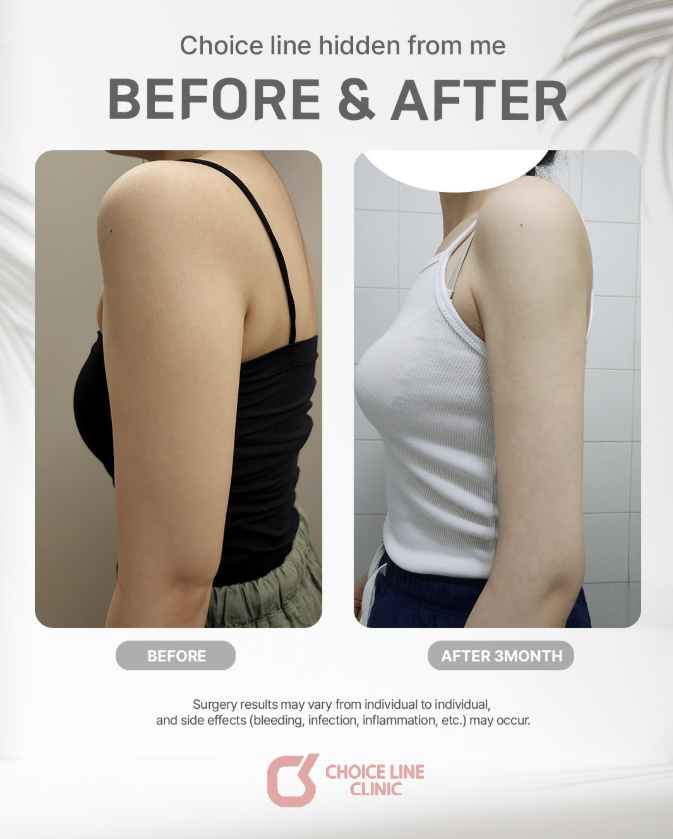
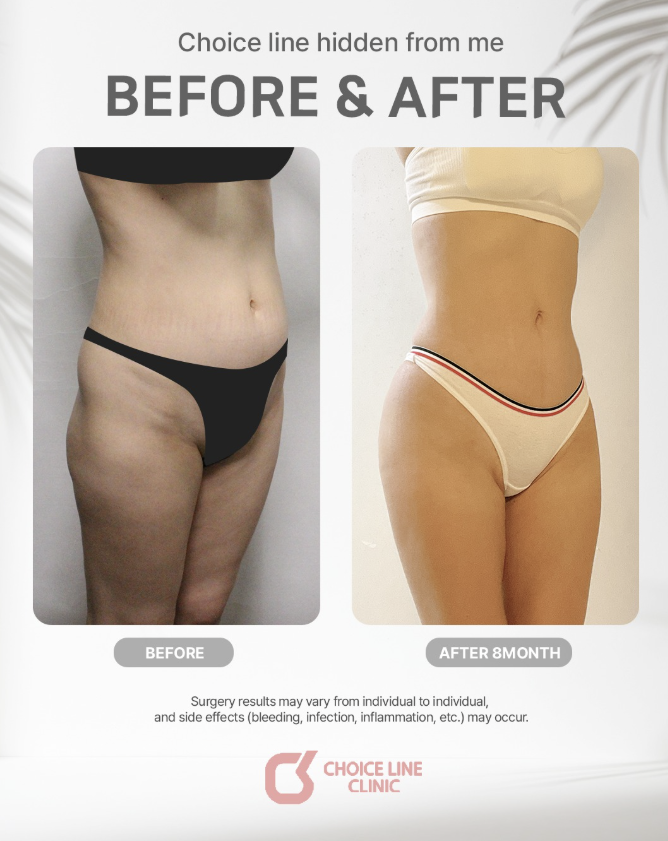
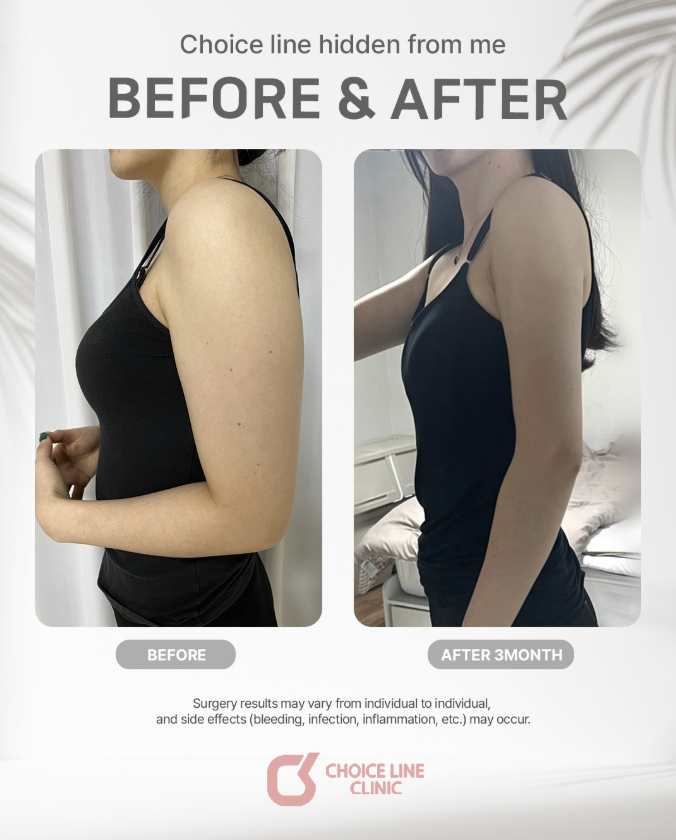
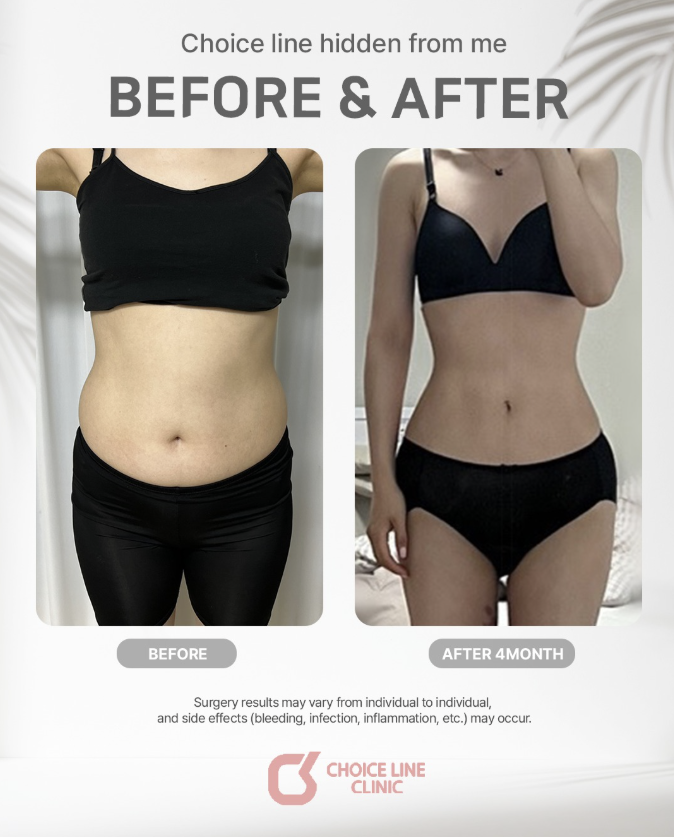
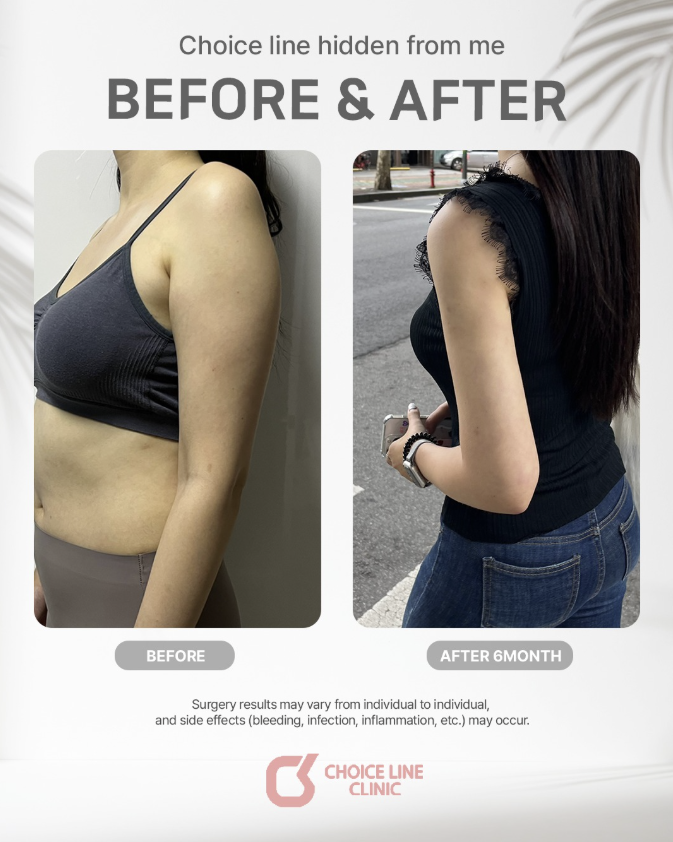
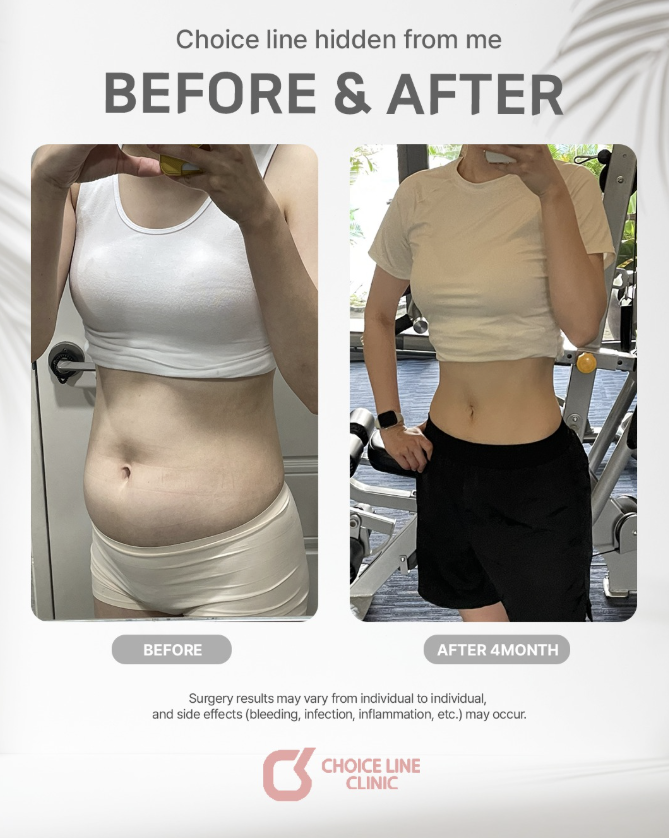
- Results are considered long-lasting with stable weight
This is why contour improvements can remain visible for many years.
Can Fat Come Back in the Same Area?
Fat cells that were removed do not regenerate in large numbers.
However:
- Remaining fat cells can still enlarge
- Weight gain may still affect treated areas
- Body proportions can change if overall weight increases significantly
The treated area usually accumulates fat more slowly compared to before surgery.
Can Fat Appear in Other Areas Instead?
If weight gain occurs after liposuction, fat may distribute differently.
Possible changes:
- Untreated areas may gain fat more noticeably
- Body proportions can shift over time
- Fat storage patterns depend on genetics and lifestyle
This does not mean liposuction “moves fat,” but rather that remaining fat cells respond to weight changes.
Why Weight Stability Matters
Maintaining stable weight is one of the most important factors for preserving results.
Helpful habits include:
- Balanced eating habits
- Regular exercise after recovery
- Avoiding large weight fluctuations
- Long-term healthy lifestyle maintenance
Liposuction works best as a contouring enhancement for patients already near a stable weight.
What Korean Clinics Usually Emphasize
In Gangnam clinics, surgeons often explain that liposuction is designed to refine shape, not replace healthy habits.
Common guidance includes:
- Realistic expectations for long-term maintenance
- Importance of stable BMI before surgery
- Nutrition and exercise after recovery
- Gradual lifestyle consistency rather than crash dieting
The goal is sustainable contour improvement rather than temporary weight loss.
How Much Weight Gain Affects Results
Small weight fluctuations usually do not dramatically change results.
General pattern:
- Minor weight gain: contours often remain relatively stable
- Moderate weight gain: treated areas may soften slightly
- Significant weight gain: overall body shape can change noticeably
Consistency is more important than trying to maintain extremely low weight.
Can Liposuction Be Repeated?
In some cases, additional contouring procedures are possible.
Reasons patients consider revision:
- New fat accumulation over years
- Desire for further refinement
- Uneven contour concerns
- Additional untreated areas
However, repeated procedures require careful evaluation of skin quality and tissue condition.
Liposuction vs Weight Loss
Many patients confuse fat removal with weight reduction.
Important difference:
- Liposuction reshapes the body
- Weight loss reduces overall body mass
Most patients lose relatively little actual body weight after liposuction, even though visual contour change may be significant.
Final Thoughts
Fat cells removed during liposuction are permanently eliminated, but maintaining results still depends on long-term weight stability and lifestyle habits. In Korea—especially in Gangnam clinics—patients are encouraged to view liposuction as a body contouring procedure rather than a substitute for healthy living. While treated areas generally remain slimmer over time, significant weight gain can still affect overall body shape and alter contour results.