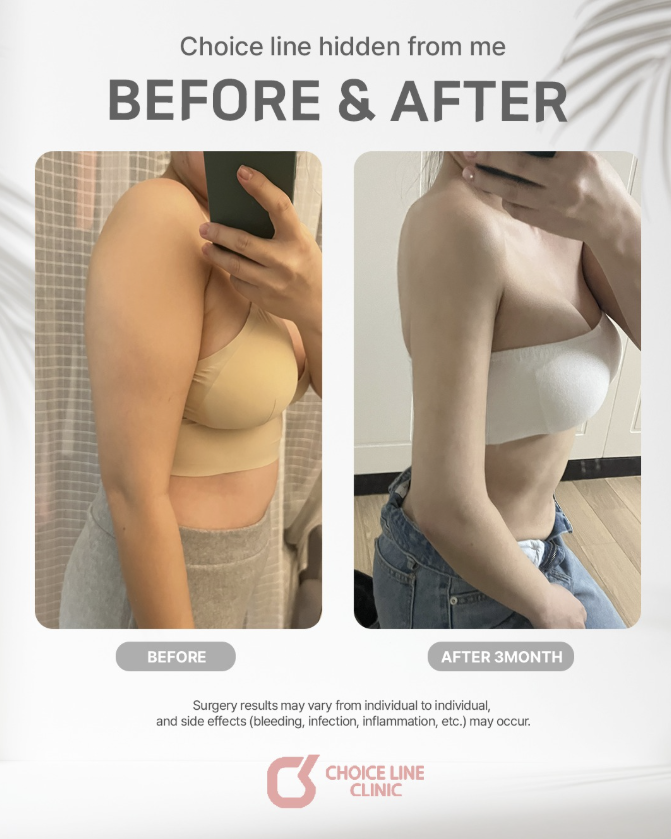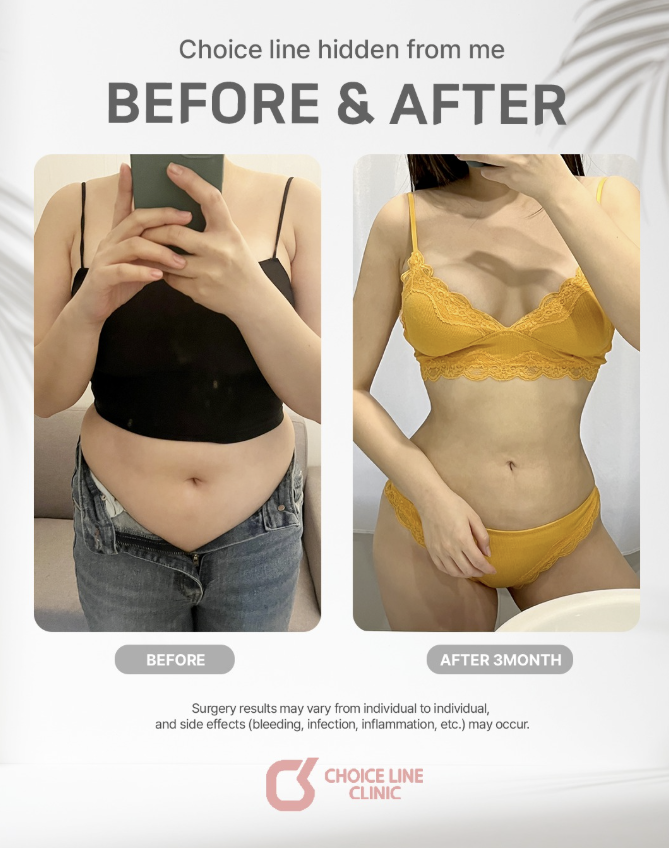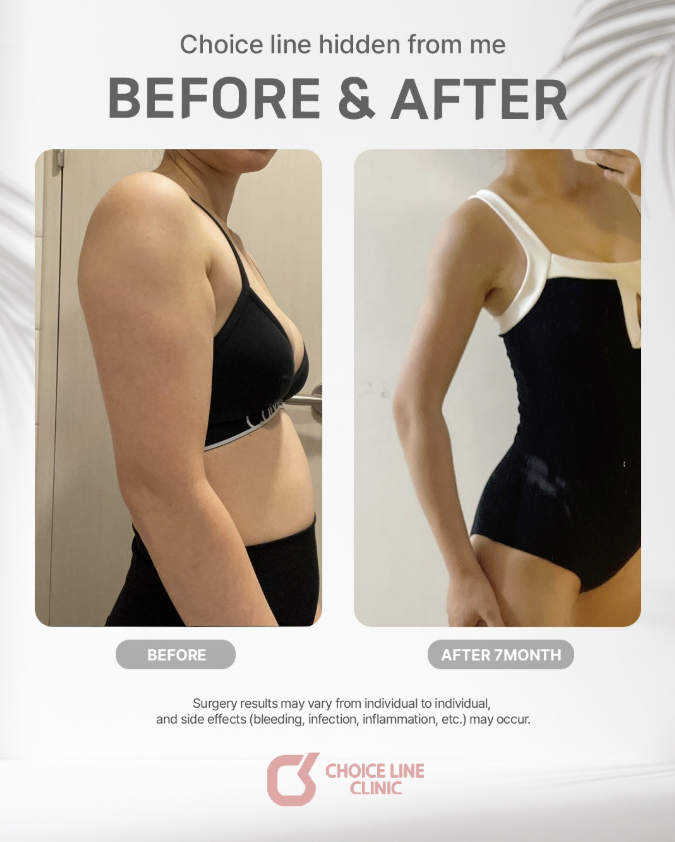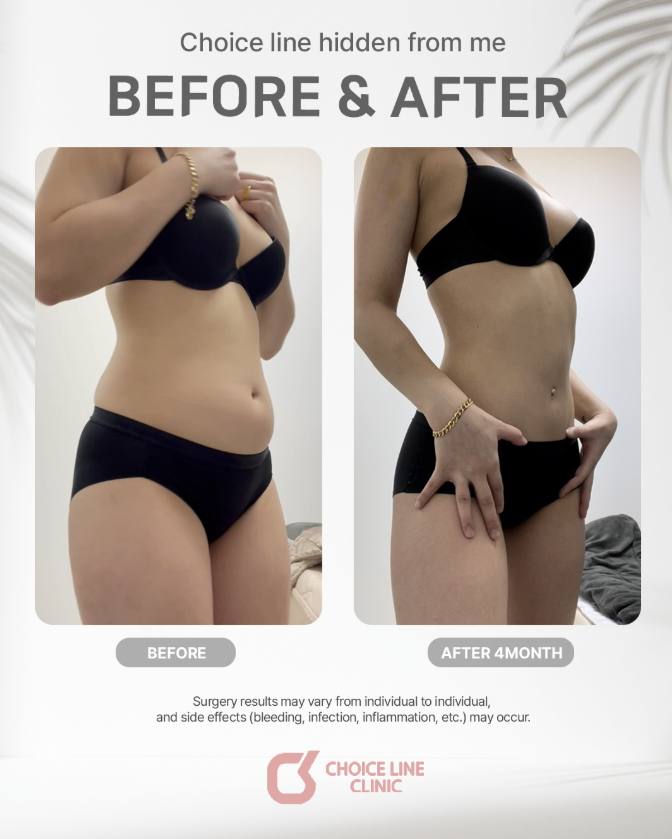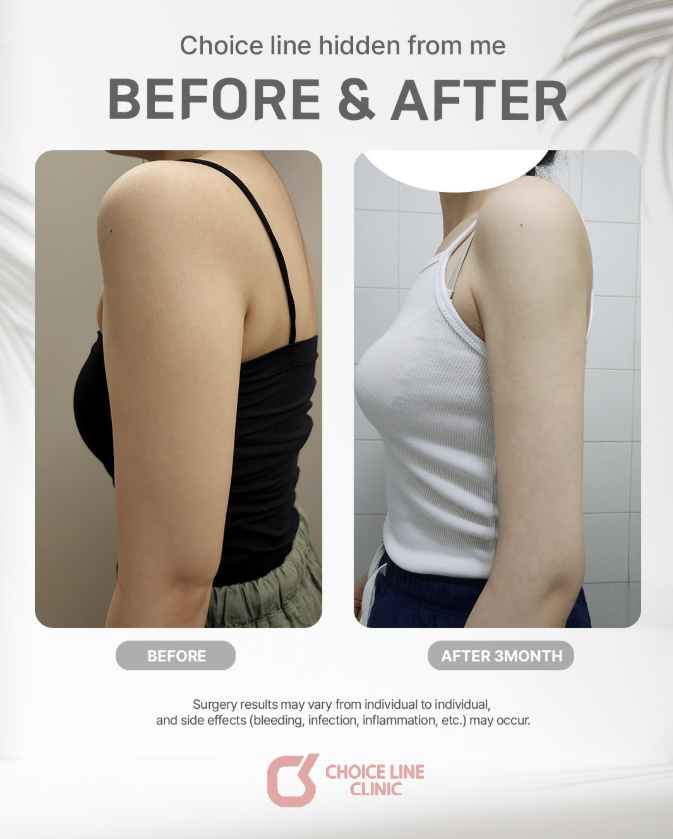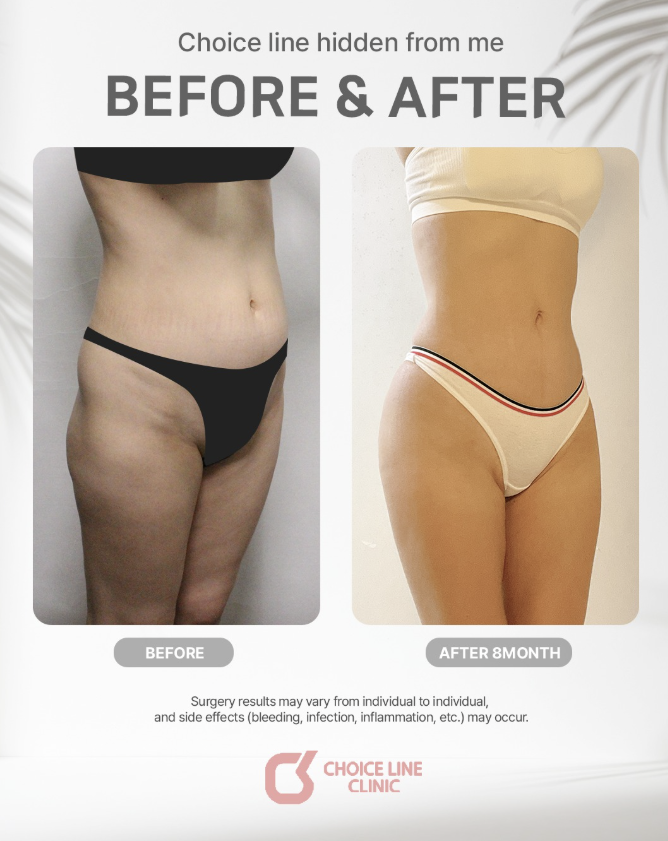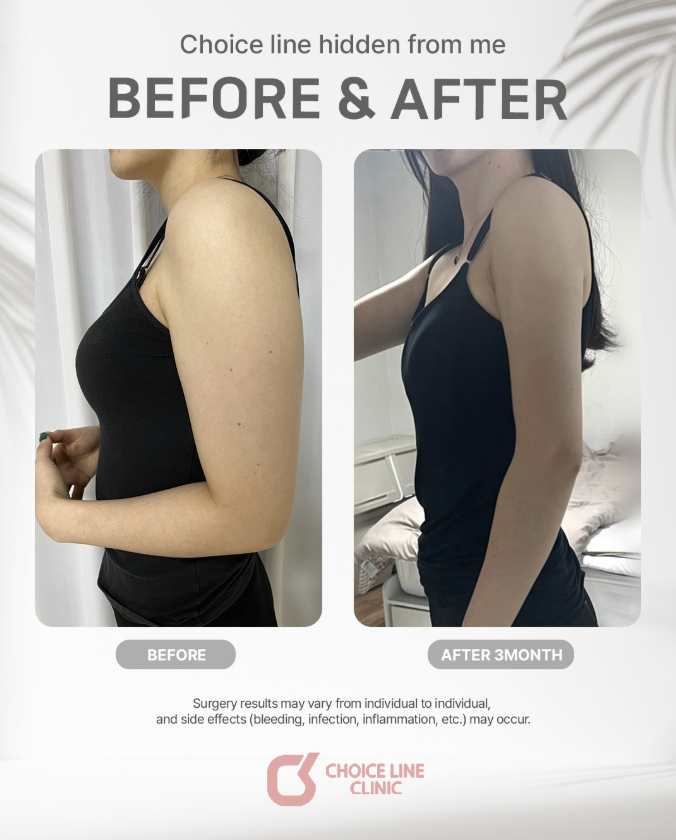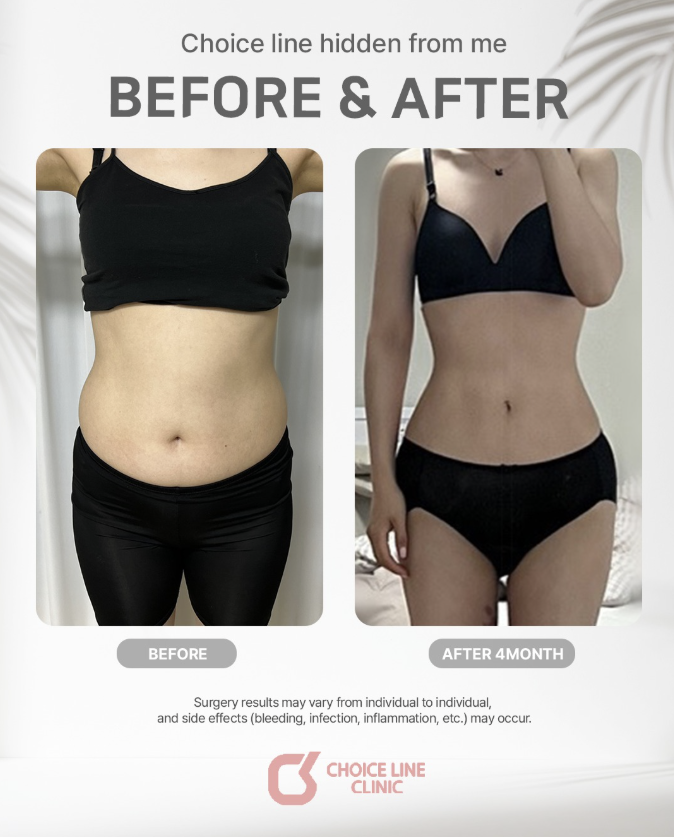




Fat Transfer vs Liposuction
Fat Transfer vs Liposuction
Fat transfer and liposuction are closely related procedures, but they serve opposite purposes. In Korea—especially in Seoul’s Gangnam clinics—these treatments are often discussed together because they are frequently performed in combination. Liposuction removes unwanted fat, while fat transfer uses that fat to enhance volume in other areas. Understanding the difference is essential for patients considering body or facial contouring.
What Liposuction Does
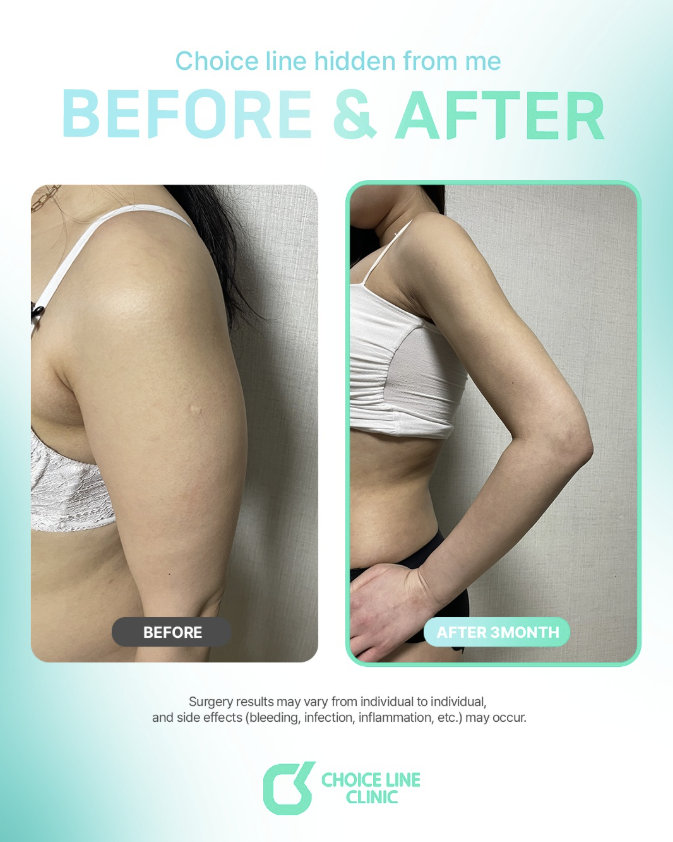
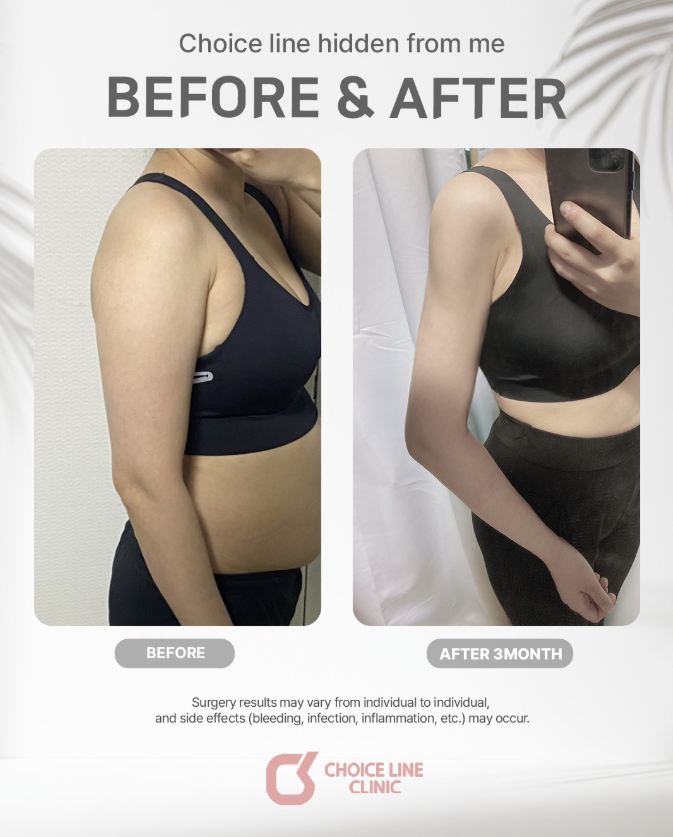
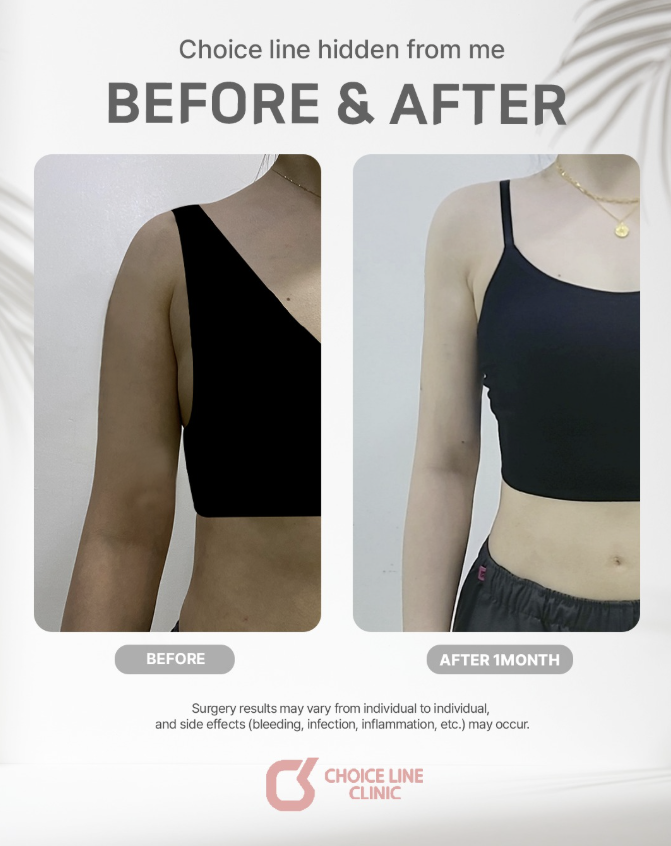
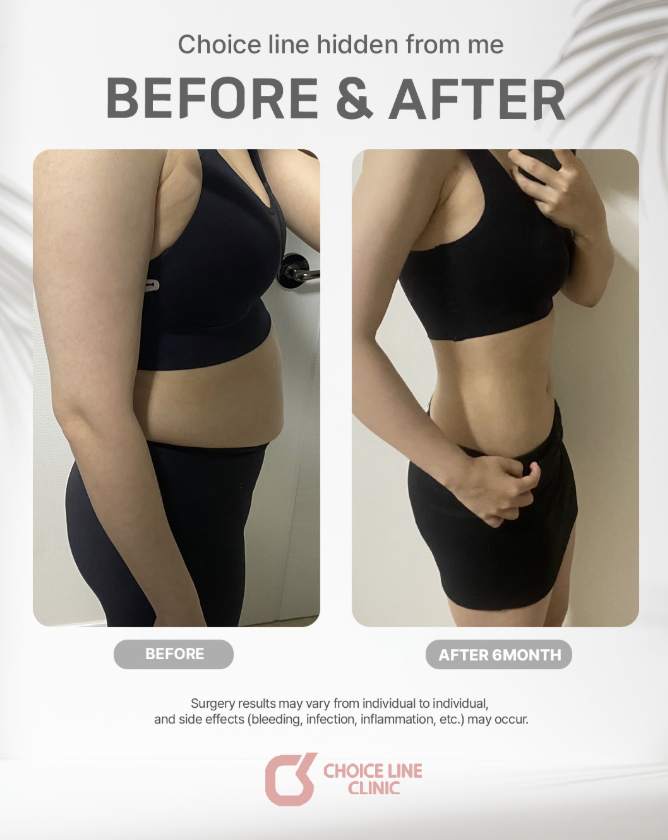
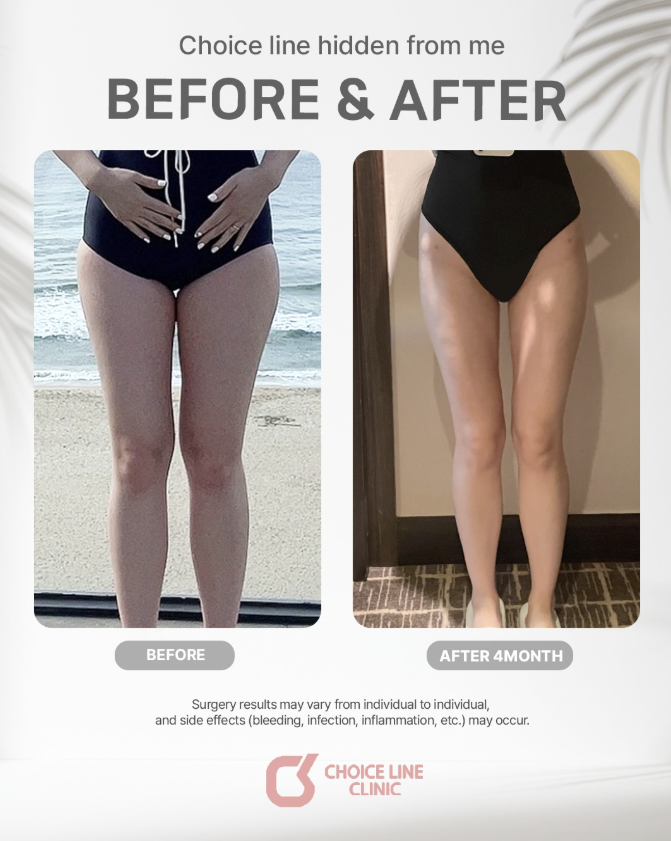
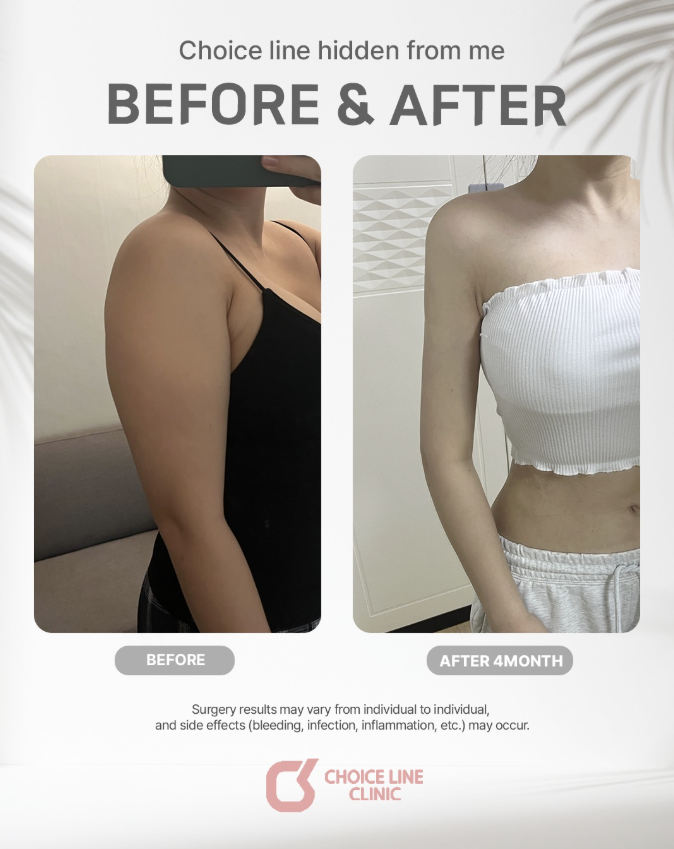
Liposuction is a fat-removal procedure that permanently removes fat cells from targeted areas of the body.
Key effects include:
- Reduces localized fat deposits
- Improves body contour and proportion
- Slims specific areas like abdomen, thighs, and arms
- Permanently removes treated fat cells
- Creates a more defined silhouette
It is primarily a reduction and sculpting procedure.
What Fat Transfer Does
Fat transfer (fat grafting) is a procedure where fat is removed from one area and injected into another to add volume.
Key effects include:
- Restores or enhances volume
- Improves facial or body fullness
- Uses patient’s own fat (natural filler)
- Can improve contour symmetry
- Long-lasting results in stable grafted areas
Common areas include the face, breasts, hips, and buttocks.
Core Difference: Removal vs Enhancement
The main difference is the direction of change.
- Liposuction: removes fat
- Fat transfer: adds fat
They are essentially opposite procedures, but often part of the same body contouring plan.
How They Work Together
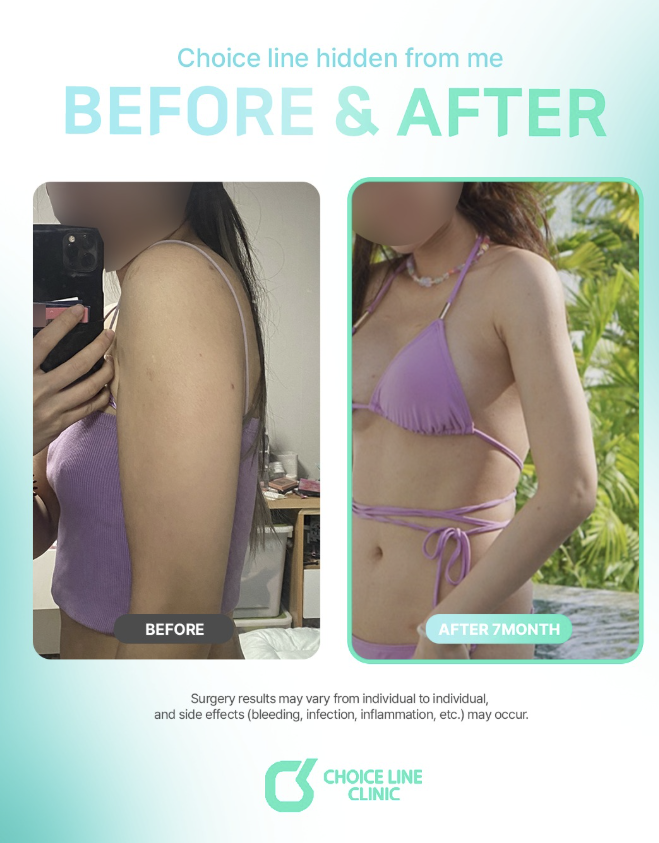
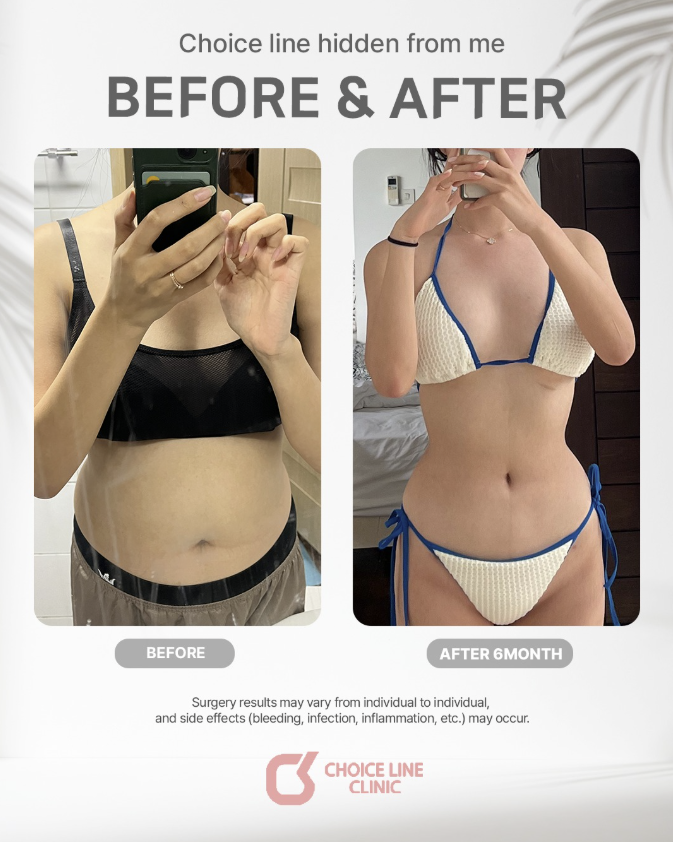
In Korea, liposuction and fat transfer are frequently combined for balanced results.
Typical combination strategy:
- Liposuction removes excess fat from abdomen or thighs
- Fat is purified and processed
- Fat is injected into areas needing volume
- Body proportions are reshaped holistically
This allows surgeons to sculpt and enhance at the same time.
Results Comparison
Liposuction results:
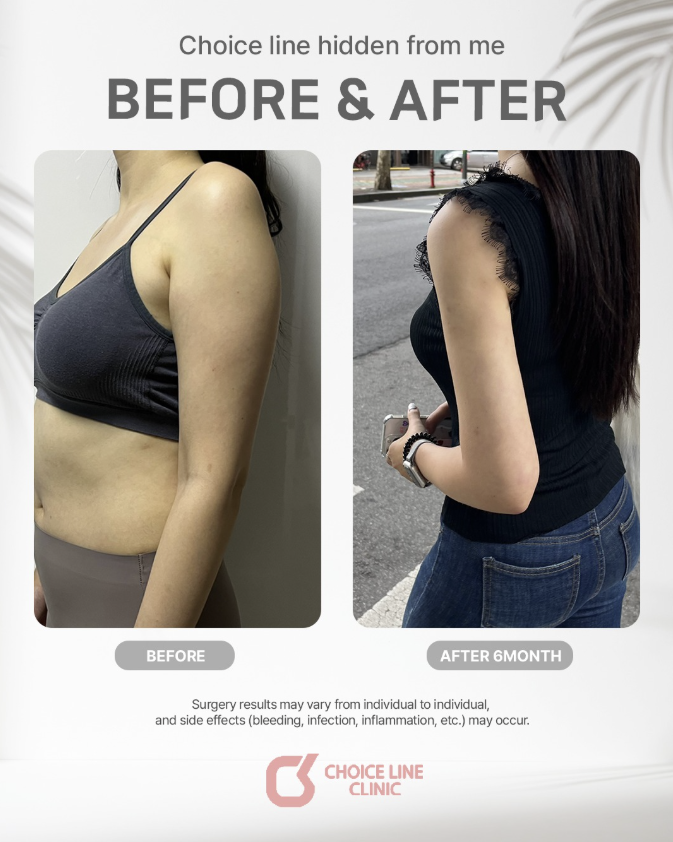
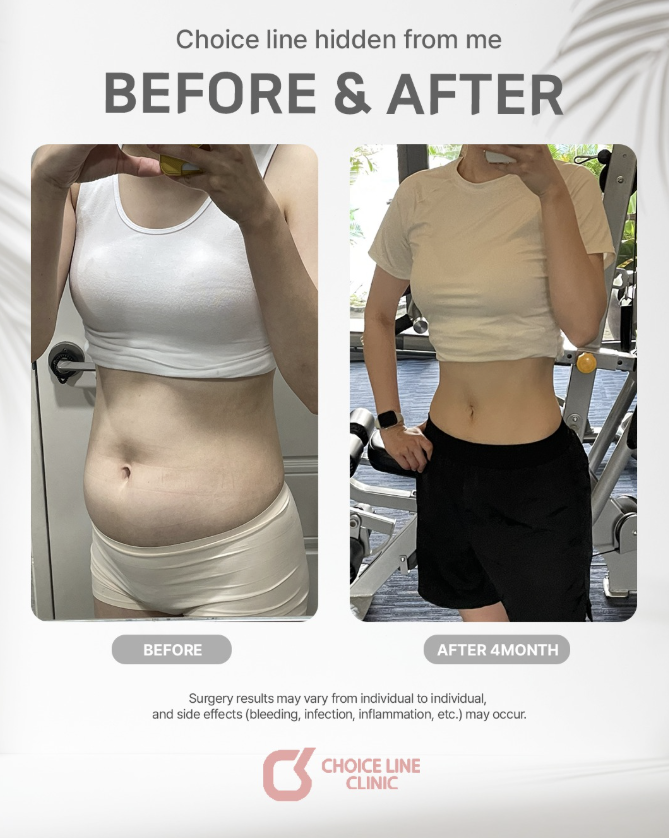
- Slimmer body shape
- Reduced fat in targeted areas
- More defined contours
- Long-lasting fat reduction
Fat transfer results:
- Increased volume in selected areas
- More youthful or balanced appearance
- Natural filler alternative
- Subtle to moderate enhancement
Together, they create a full body reshaping effect.
Recovery Differences
Recovery varies depending on whether one or both procedures are performed.
Liposuction recovery:
- Swelling and bruising in treated areas
- Compression garments required
- Gradual contour refinement over weeks
Fat transfer recovery:
- Swelling in both donor and injection sites
- Limited pressure on grafted areas needed
- Fat survival stabilizes over months
When combined, recovery management becomes more complex but still predictable in Korean clinics.
Who Is a Good Candidate
Liposuction is best for:
- Patients with localized fat
- Good skin elasticity
- Desire for slimming and contouring
- Stable body weight
Fat transfer is best for:
- Patients needing volume enhancement
- Facial or body hollowness
- Desire for natural augmentation
- Adequate donor fat availability
Risks and Limitations
Both procedures have specific limitations.
Liposuction:
- Does not add volume or correct hollow areas
- Not a weight-loss solution
- Requires skin elasticity for smooth results
Fat transfer:
- Some fat may be reabsorbed by the body
- Results can vary by survival rate
- Requires sufficient donor fat
- Overfilling risks uneven results
Korean surgeons typically plan for natural, conservative enhancement.
Cost in Korea
Pricing varies depending on complexity and combined procedures.
Typical ranges:
- Liposuction: ₩3,000,000 – ₩15,000,000+
- Fat transfer: ₩2,000,000 – ₩10,000,000+
- Combined procedures: ₩5,000,000 – ₩20,000,000+
Costs increase when multiple areas are treated simultaneously.
Final Thoughts
Liposuction and fat transfer are opposite but complementary procedures in modern body contouring. Liposuction removes unwanted fat to refine body shape, while fat transfer uses that fat to restore or enhance volume in other areas. In Korea—especially in Gangnam clinics—these procedures are often combined to achieve balanced, natural-looking results that both slim and enhance the body in a single integrated treatment plan.