



High-Volume Liposuction in Korea: What You Need to Know
High-Volume Liposuction in Korea: What You Need to Know
High-volume liposuction in Korea refers to more extensive fat removal performed across one or several body areas during a single surgical plan. In Seoul and Gangnam, this type of procedure may be considered for patients who want broader body contouring, but it requires careful medical evaluation, surgical planning, and postoperative monitoring. Understanding the limits, recovery, and safety considerations is especially important for international patients.
What Is High-Volume Liposuction?
High-volume liposuction generally involves removing a larger amount of fat than standard localized liposuction.
Treatment may involve:
- Abdomen and waist
- Back and flanks
- Thighs
- Arms
- Hips
- Multiple connected areas
The exact amount considered “high volume” can vary depending on medical guidelines, the clinic, and the patient’s condition.
Who May Be a Candidate?
High-volume liposuction is not appropriate for every patient.
Potential candidates usually have:
- Good overall health
- Stable body weight
- Multiple areas of localized fat
- Reasonable skin elasticity
- Realistic expectations
A detailed medical evaluation is necessary before determining whether extensive fat removal is appropriate.
Is High-Volume Liposuction for Weight Loss?
No. Even when a larger amount of fat is removed, liposuction is primarily a body contouring procedure.
Its main goals are to:
- Improve body proportions
- Reduce localized fat
- Refine the waist and silhouette
- Smooth transitions between body areas
It should not be considered a replacement for weight-loss treatment.
How Is Safety Evaluated?
Safety planning becomes more important as the extent of surgery increases.
The medical team may consider:
- Patient age and health
- Amount of fat planned for removal
- Surgery duration
- Type of anesthesia
- Fluid balance
- Number of areas treated
- Postoperative monitoring needs
The safest plan may sometimes involve limiting the amount treated in one session.
Can Several Areas Be Treated at Once?
Yes, but the number of areas should be based on the overall surgical load rather than convenience.
Common combinations may include:
- Abdomen + waist + flanks
- Back + waist
- Thighs + hips
- Arms + upper back
If the treatment plan becomes too extensive, staged procedures may be recommended.
Why Might Surgery Be Divided Into Stages?
Staged liposuction can reduce the physical demands of one very large operation.
It may be recommended when:
- Several large areas need treatment
- A high fat-removal volume is expected
- Surgery would take too long
- Recovery may be difficult
- Medical risk needs to be reduced
Staging can also allow the surgeon to evaluate healing before continuing treatment.
What Is Recovery Like?
High-volume liposuction generally involves more swelling and fatigue than small-area treatment.
Patients may experience:
- Widespread swelling
- Bruising
- Tightness
- Tenderness
- Temporary numbness
- General fatigue
Compression garments are commonly recommended during recovery.
How Long Does Recovery Take?
Recovery varies depending on the number of areas treated and the amount of fat removed.
Patients may expect:
- More noticeable swelling during the first weeks
- Gradual return to normal activities
- Continued use of compression garments
- Progressive contour improvement
- Final refinement over several months
More extensive surgery generally requires a longer recovery period.
What Results Can You Expect?
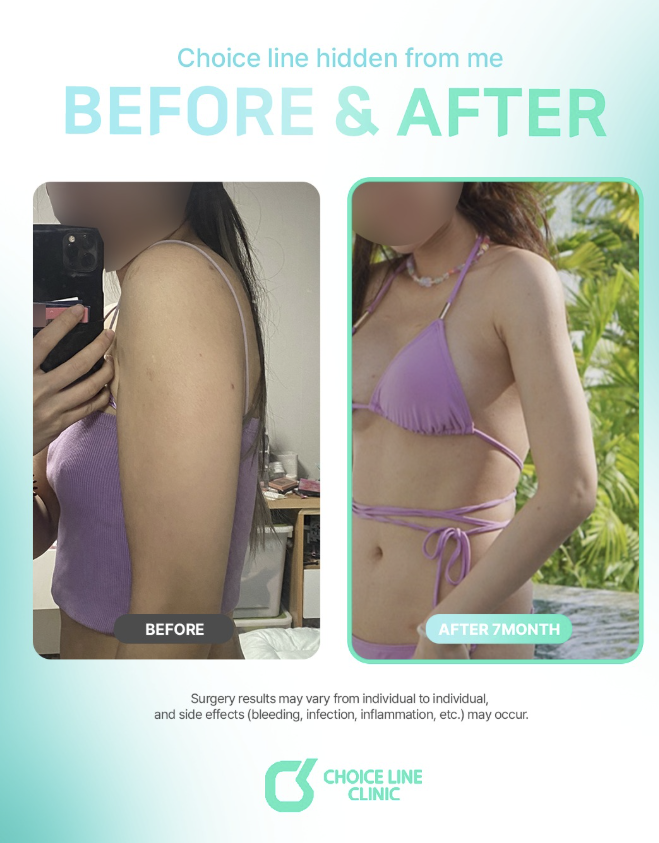
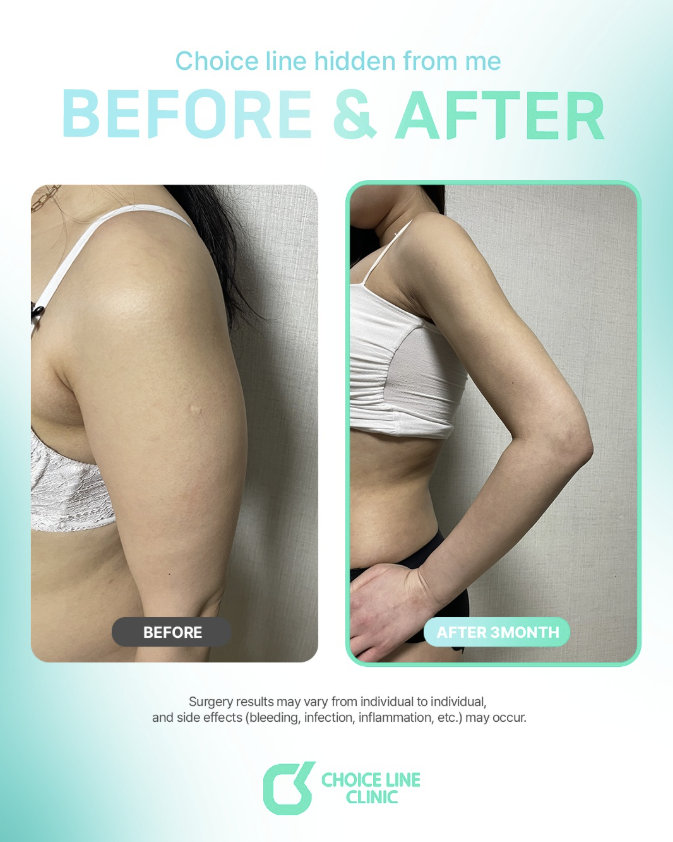
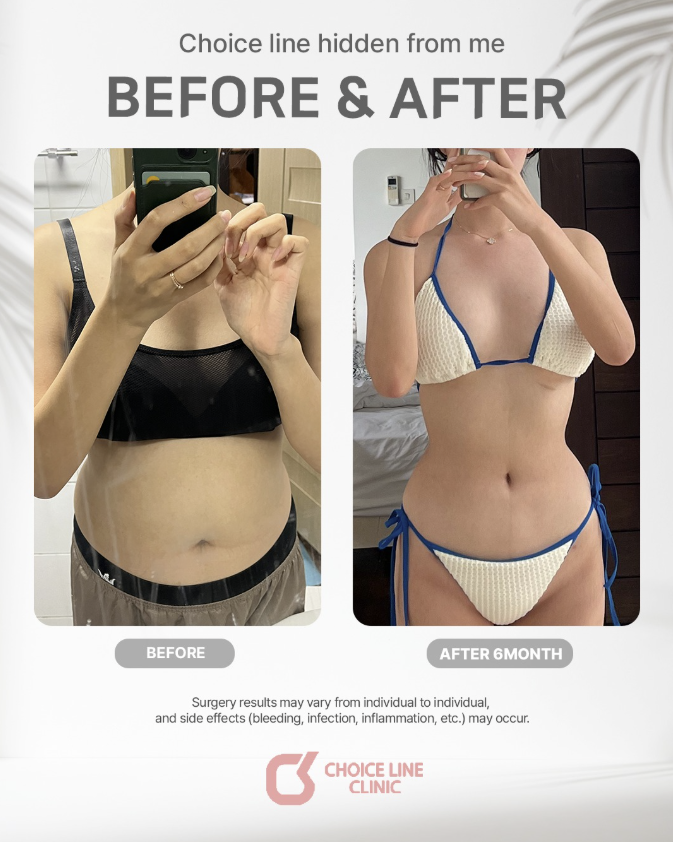
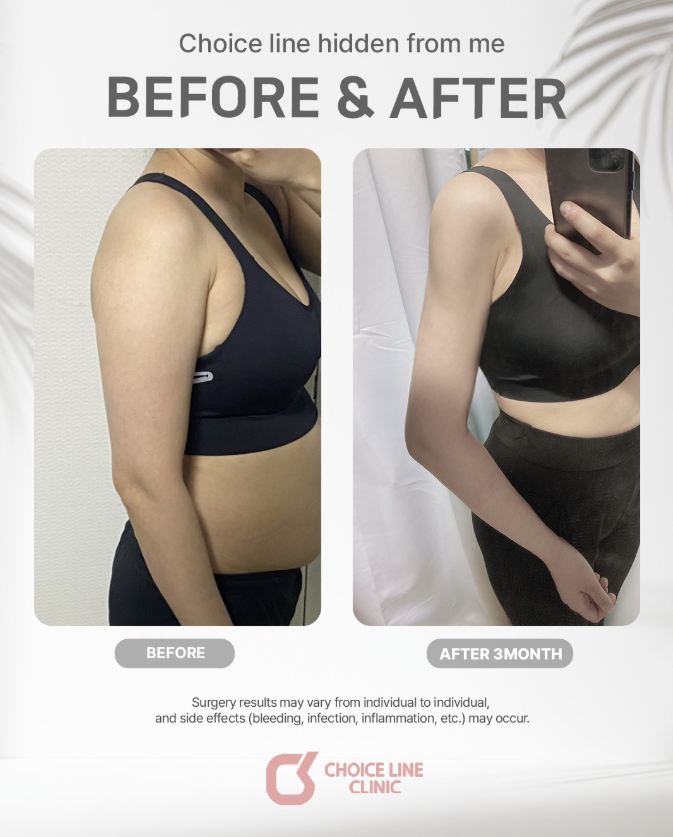
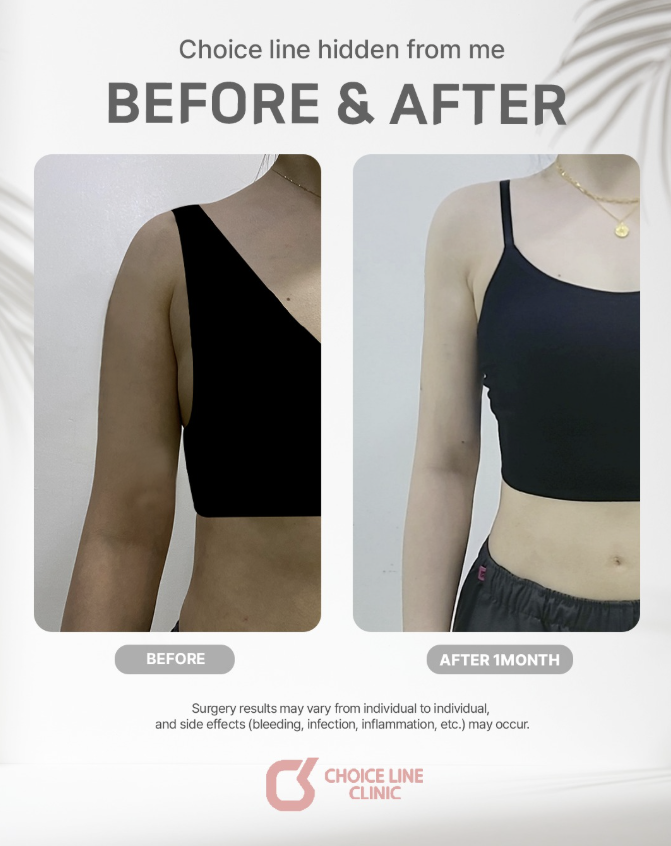
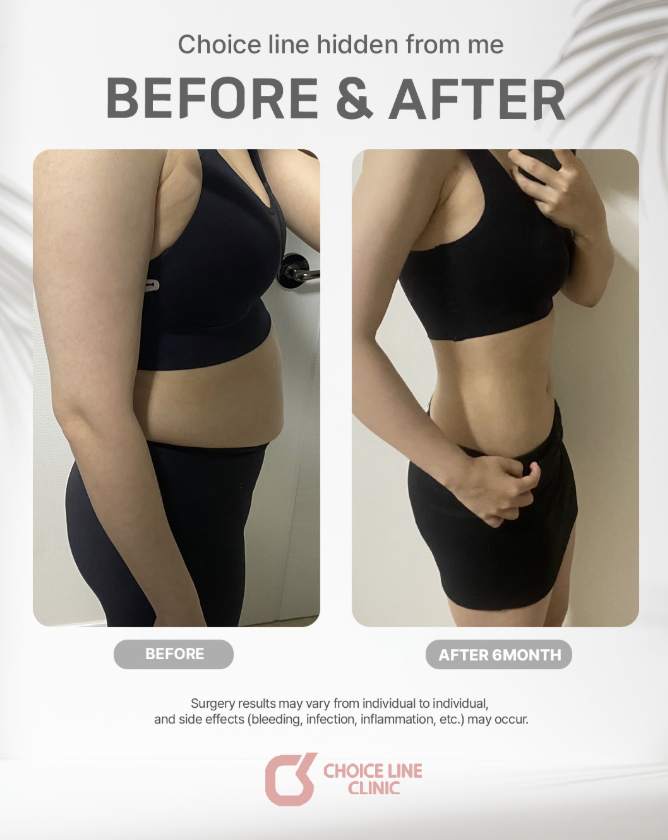
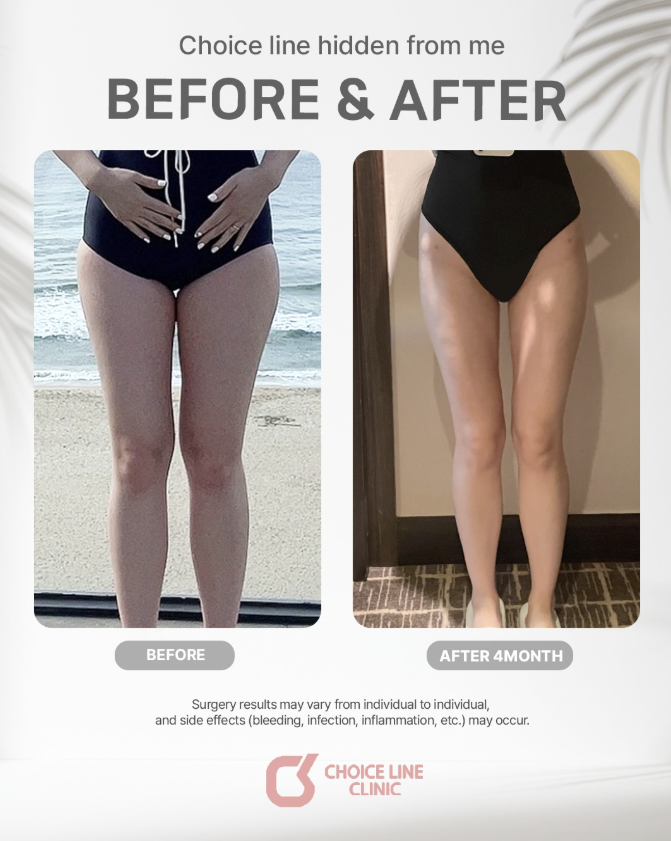
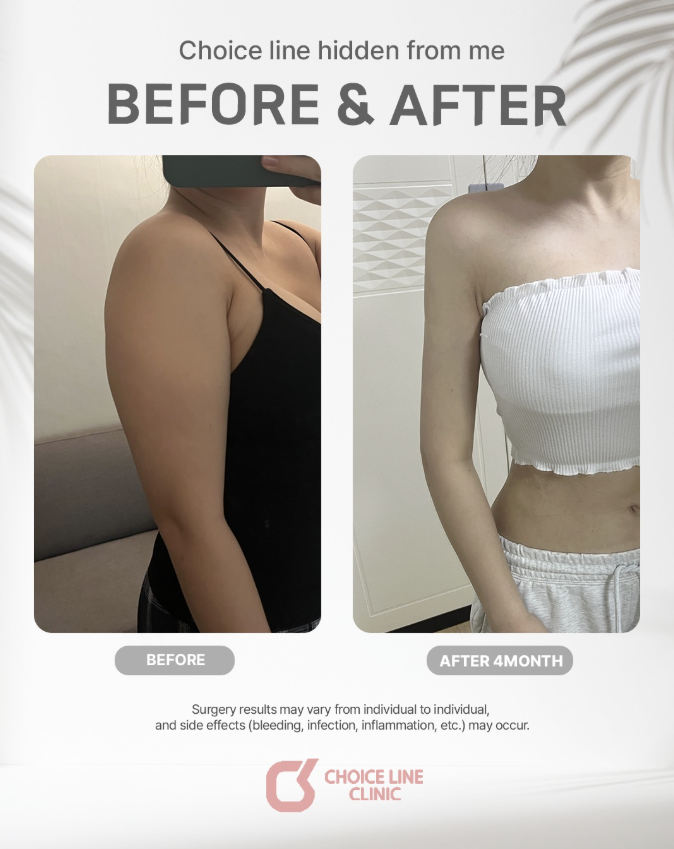
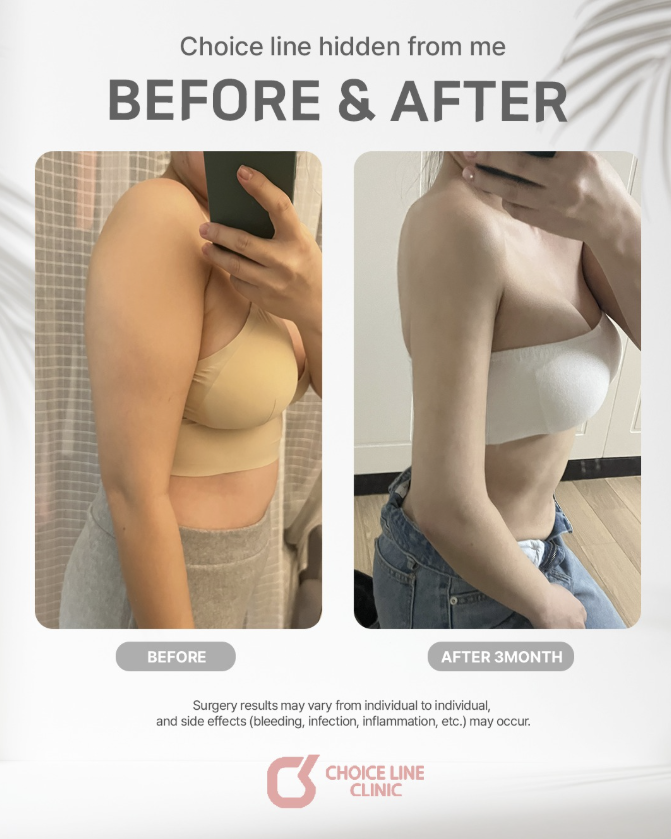
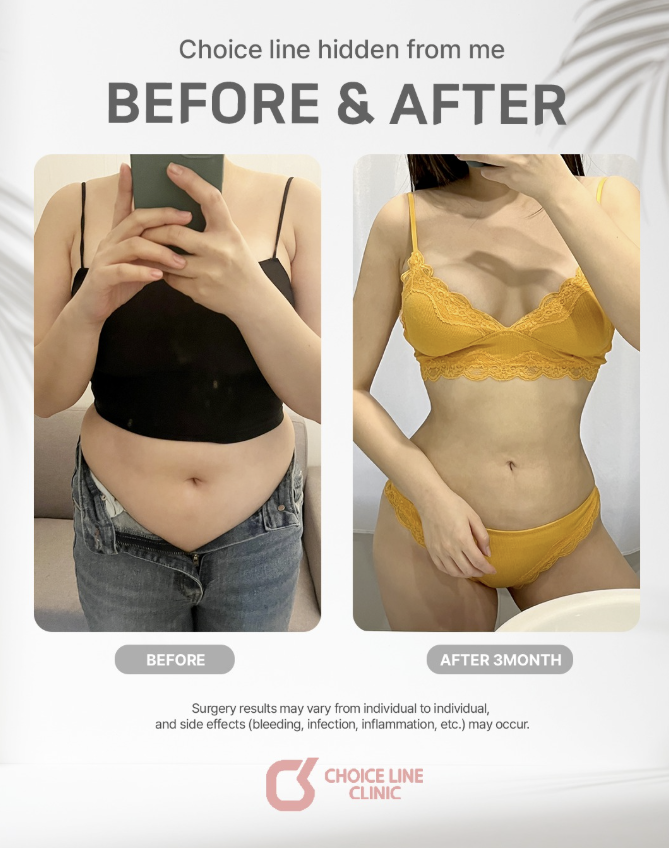
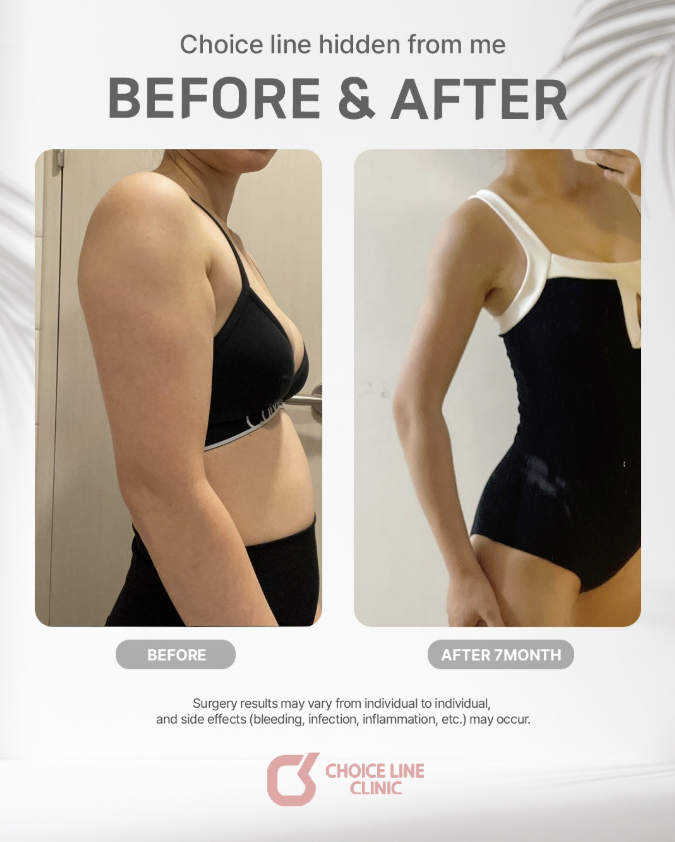
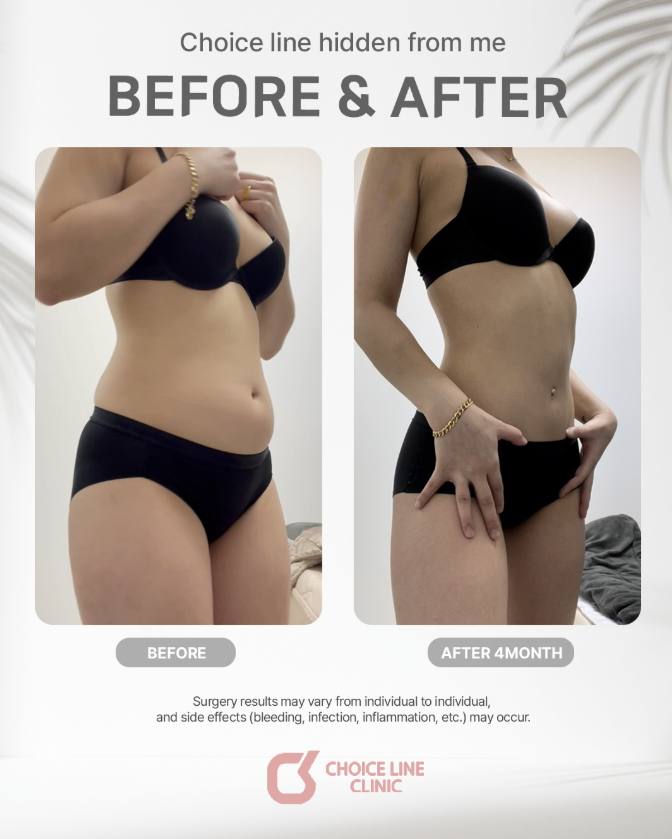
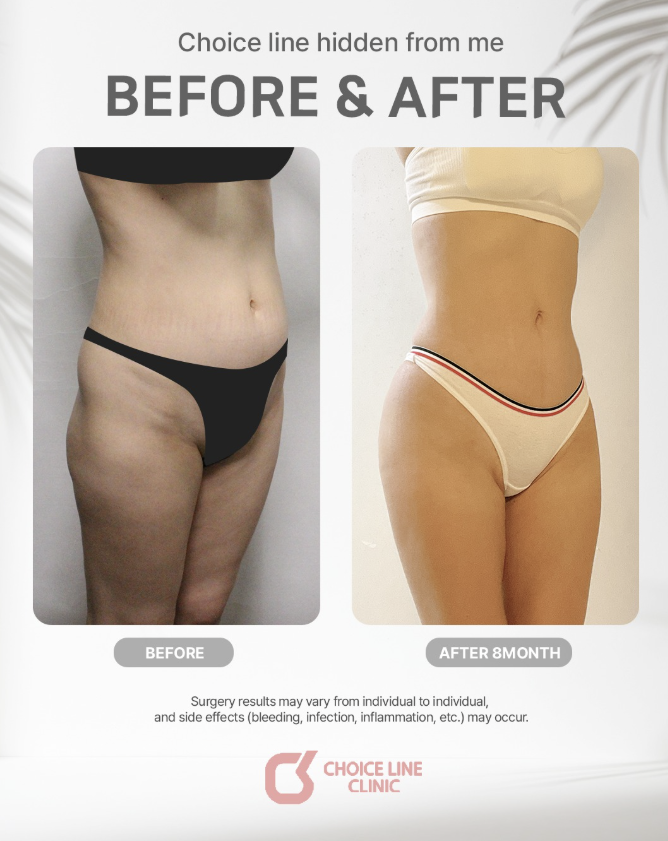
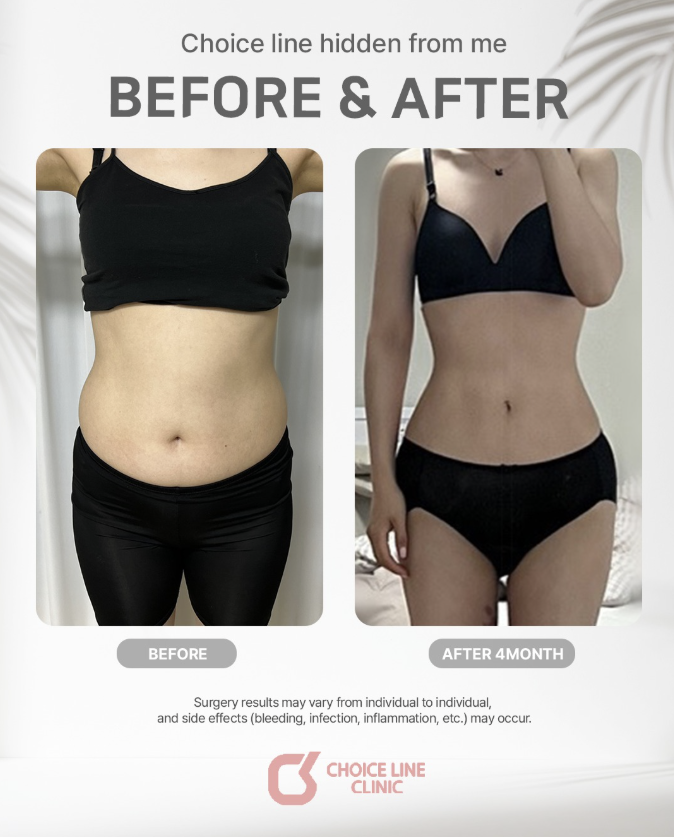
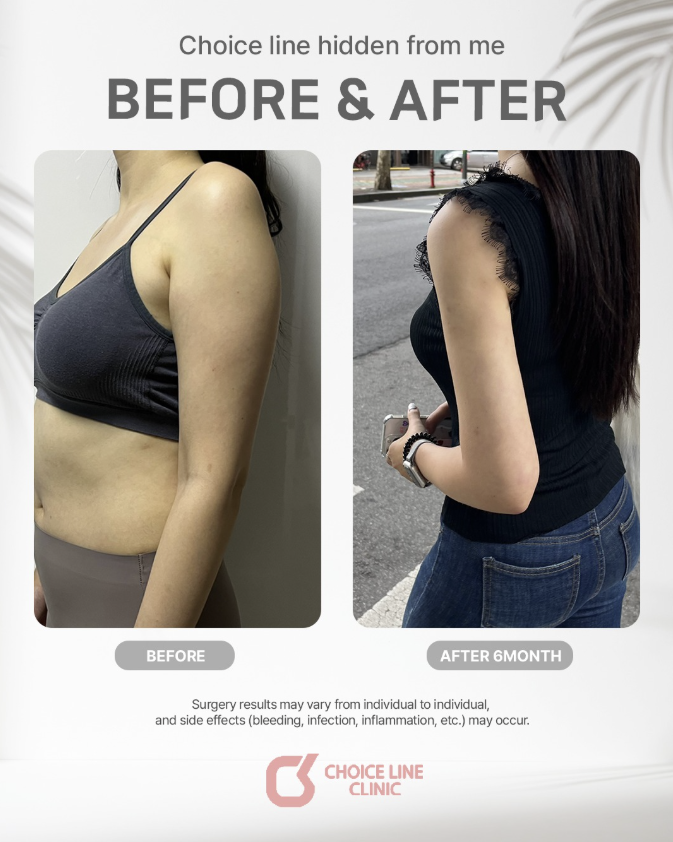
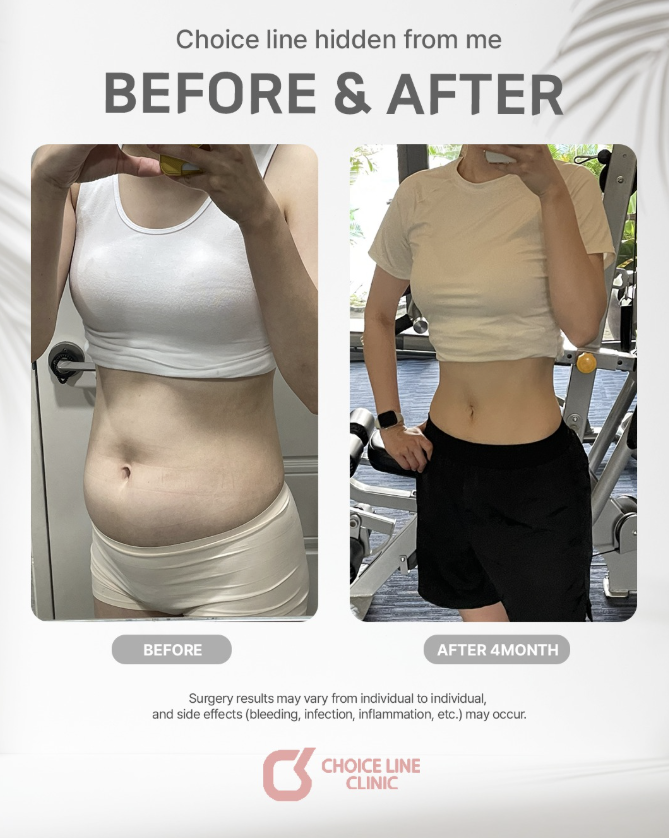
High-volume liposuction may create noticeable changes in overall body shape.
Possible improvements include:
- Reduced body circumference
- Better waist definition
- Smoother torso contours
- Slimmer thighs or arms
- Improved overall proportions
However, results should still look balanced and natural rather than excessively reduced.
How Important Is Skin Elasticity?
Skin quality becomes especially important when larger amounts of fat are removed.
Final results depend on:
- Age
- Skin firmness
- Weight history
- Pregnancy history
- Amount of fat removed
- Genetics
Patients with significant loose skin may not achieve a tight contour from liposuction alone.
What Are the Risks?
More extensive liposuction may increase the importance of monitoring for complications.
Potential risks include:
- Excessive swelling
- Fluid imbalance
- Bleeding
- Infection
- Contour irregularities
- Blood clots
- Anesthesia-related complications
This is why surgeon experience, facility standards, and postoperative monitoring are particularly important.
What Should International Patients Consider?
Patients traveling to Korea should allow enough time for recovery before returning home.
Important considerations include:
- Longer accommodation
- Follow-up appointments
- Assistance during early recovery
- Compression garments
- Reduced physical activity
- Return-flight timing
Extensive liposuction should not be combined with a tightly scheduled tourism itinerary.
Questions to Ask During Consultation
Before considering high-volume liposuction, patients should ask:
- How much fat is expected to be removed?
- Which areas can safely be treated together?
- How long will surgery take?
- Would staged treatment be safer?
- What monitoring is provided after surgery?
- How long should I stay in Korea?
Clear answers can help patients better understand the safety and recovery plan.
Final Thoughts
High-volume liposuction in Korea can provide broader body contouring for patients who want several areas treated, but the procedure requires careful planning and realistic limits. The safest approach is not to remove the maximum amount of fat possible, but to balance contour improvement with surgery duration, overall health, recovery ability, and postoperative monitoring. For international patients, choosing an experienced surgical team and allowing enough recovery time are especially important for achieving safe and natural-looking results.