


How Long Does Liposuction Recovery Take?
How Long Does Liposuction Recovery Take?
Liposuction recovery usually happens gradually over several weeks, while swelling and contour refinement can continue for several months. The exact timeline depends on the treatment area, amount of fat removed, number of areas treated, surgical technique, and individual healing response. For international patients considering liposuction in Korea, understanding the recovery process is important when planning work, travel, and postoperative care.
What Happens During the First Few Days?
The first few days usually involve the most noticeable swelling and soreness.
Patients may experience:
- Swelling
- Bruising
- Tightness
- Tenderness
- Temporary numbness
- Mild fluid drainage
Rest and light movement are generally important during this early stage.
When Can You Return to Normal Daily Activities?
Many patients can gradually return to light daily activities relatively early.
The timeline depends on:
- Size of the treatment area
- Number of areas treated
- Physical demands of work
- Individual discomfort
- Overall recovery speed
Small-area liposuction usually allows a faster return than extensive multi-area procedures.
When Can You Return to Work?
Patients with desk-based jobs may return sooner than those with physically demanding work.
Return-to-work timing may depend on:
- Swelling
- Pain level
- Mobility
- Compression garment use
- Type of procedure
Patients undergoing larger abdomen, thigh, or full-body procedures may need more time away from work.
How Long Does Swelling Last?
Swelling is one of the longest-lasting parts of liposuction recovery.
A typical pattern may include:
- First week: noticeable swelling
- Weeks 2–4: gradual improvement
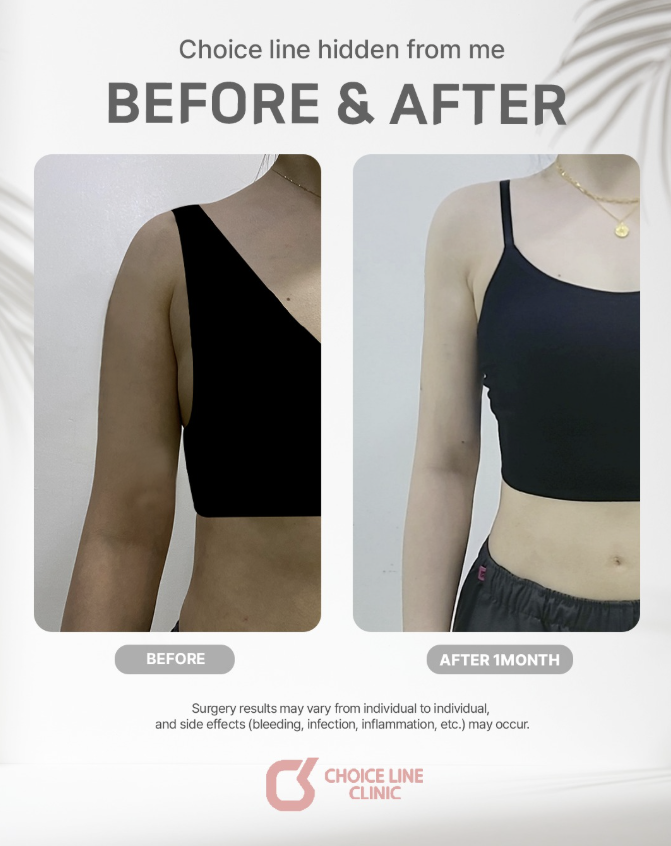
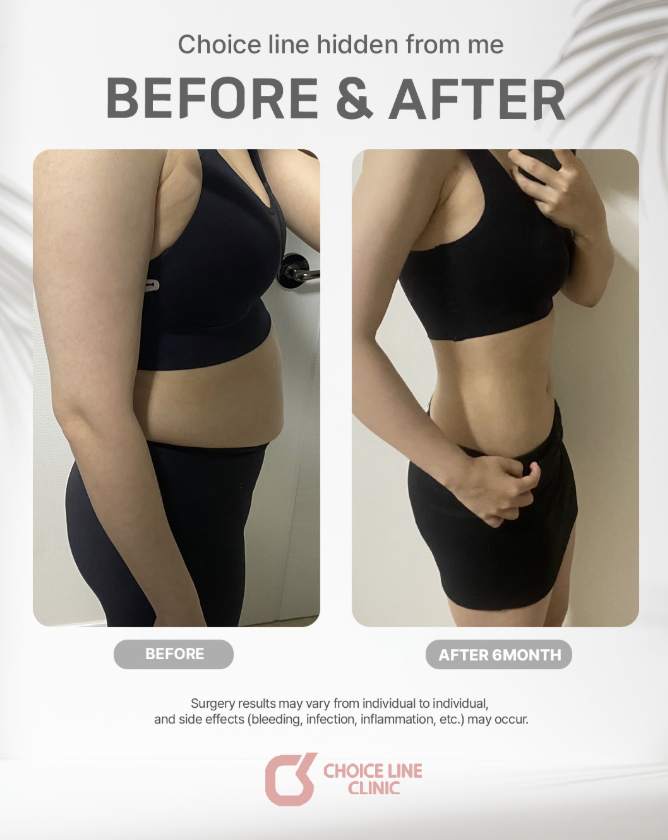
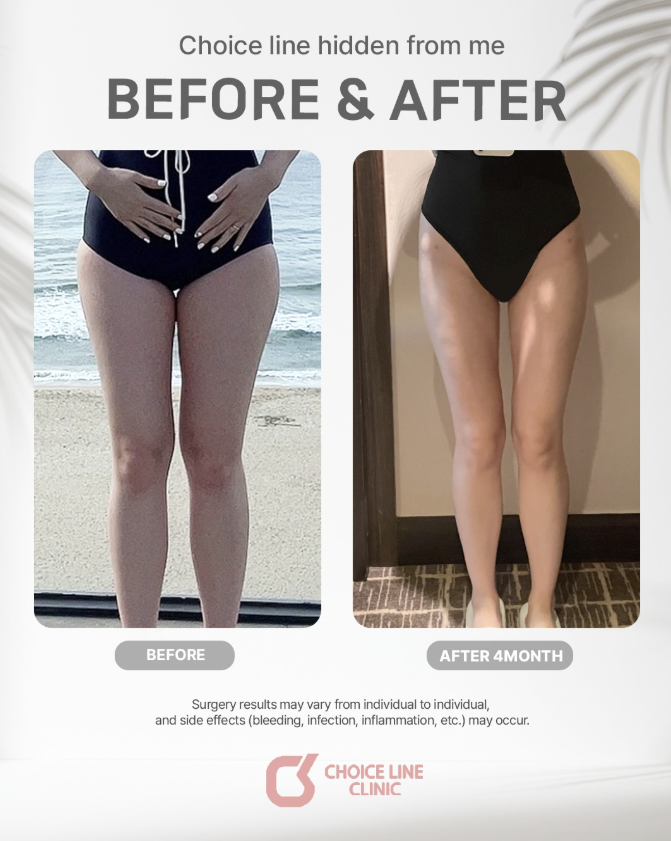
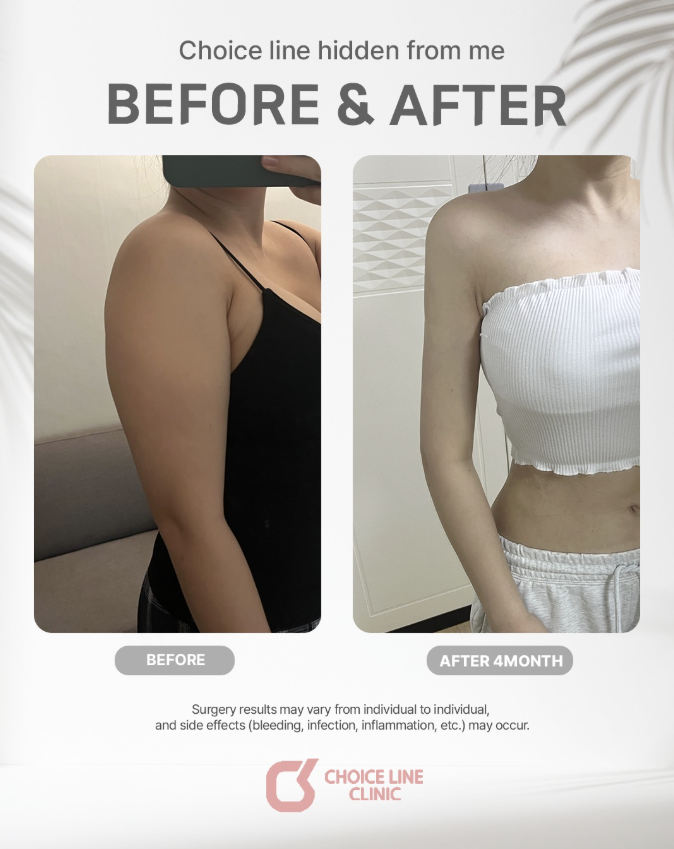
- Months 1–3: continued contour refinement
- Several months: minor residual swelling may remain
Final results should not be judged during the early recovery period.
How Long Do Bruising and Tenderness Last?
Bruising and soreness usually improve faster than swelling.
Patients may notice:
- Stronger bruising during the first week
- Gradual fading over the following weeks
- Tenderness when pressure is applied
- Temporary firmness beneath the skin
The treated area may still feel different even after visible bruising disappears.
How Long Do You Need to Wear Compression Garments?
Compression garments are commonly recommended after body liposuction.
They may help:
- Control swelling
- Support healing tissues
- Improve comfort
- Support smoother contour development
The exact duration depends on the treatment area and the surgeon’s postoperative protocol.
When Can You Exercise Again?
Exercise should usually be resumed gradually.
Early recovery often includes:
- Light walking
- Gentle daily movement
- Avoiding heavy lifting
- Avoiding intense exercise
More strenuous activities should generally wait until the surgeon confirms that healing is progressing appropriately.
Does Recovery Differ by Treatment Area?
Yes. Smaller areas usually recover more quickly than larger or multiple treatment zones.
For example:
- Chin liposuction may involve a shorter recovery
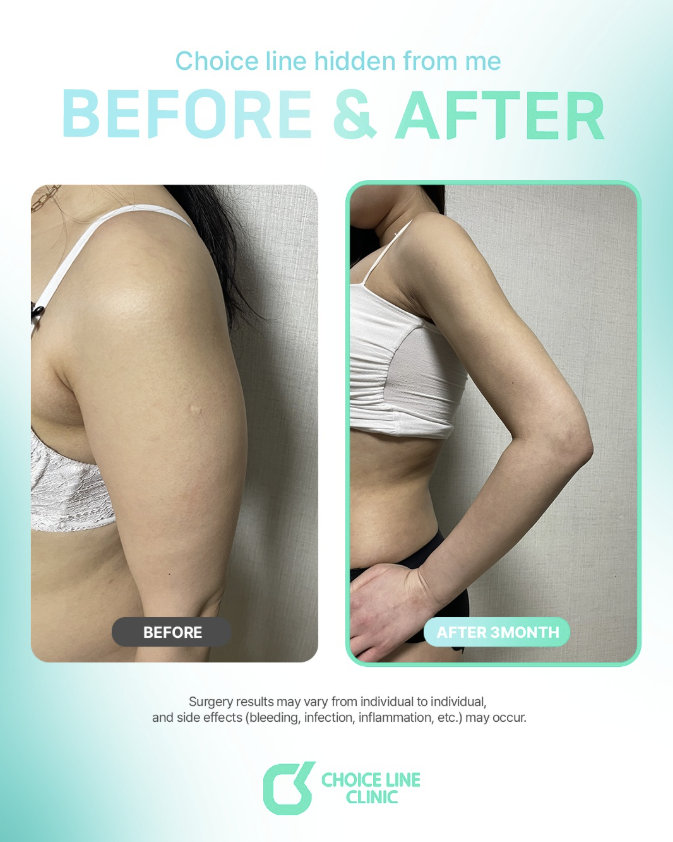
- Arm liposuction may temporarily limit upper-body activity
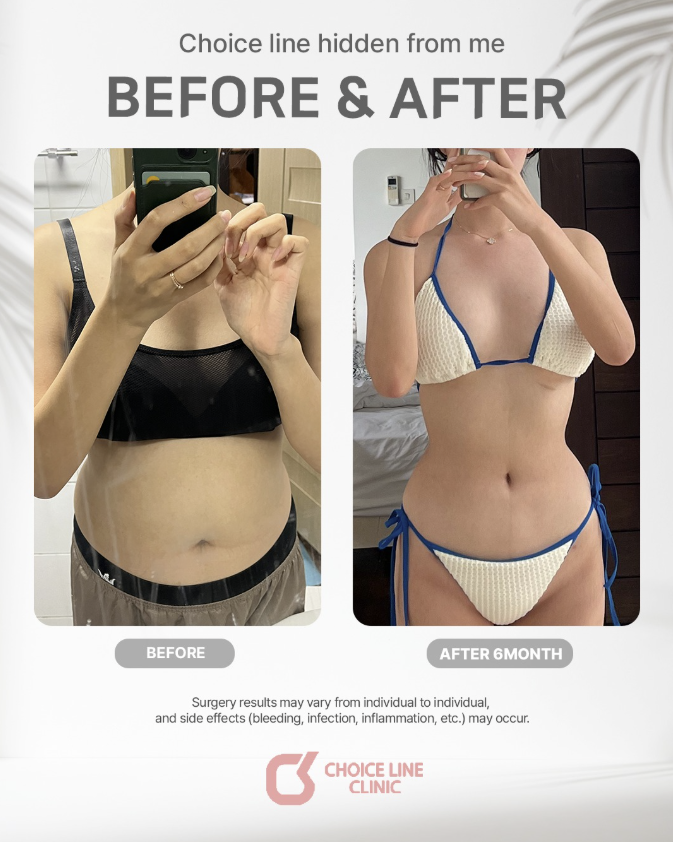
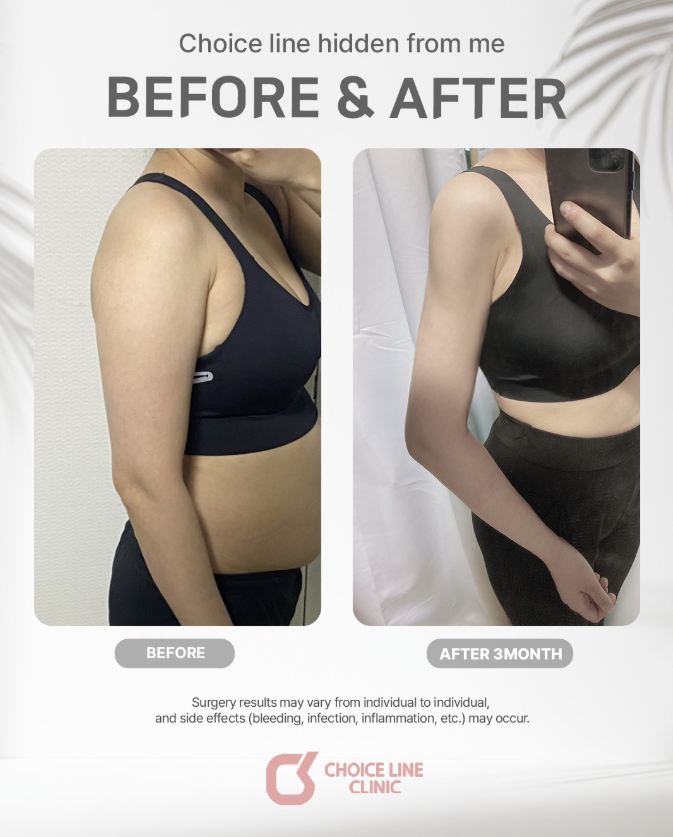
- Abdomen liposuction may affect bending and sitting
- Thigh liposuction may make walking more uncomfortable
- Full-body liposuction usually requires a longer recovery
The total extent of surgery matters more than the name of the procedure alone.
When Will Results Become Visible?
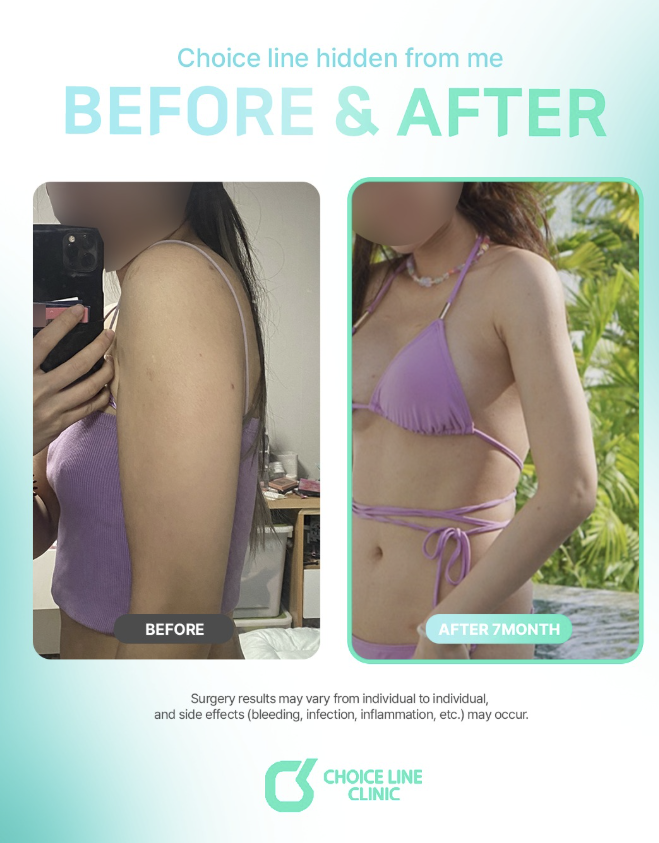
Some contour improvement may be noticeable early, but swelling can hide the final shape.
Results usually become clearer as:
- Swelling decreases
- Firmness softens
- Skin adapts to the new contour
- Treated tissues settle
Many patients continue seeing improvement for several months.
How Long Until the Final Result?
Final liposuction results generally take time to develop.
The timeline may depend on:
- Amount of fat removed
- Skin elasticity
- Number of areas treated
- Healing response
- Weight stability
For larger procedures, final contour refinement may take several months.
What Can Help Support Recovery?
Following postoperative instructions carefully can help recovery progress more smoothly.
Common recommendations may include:
- Wearing compression garments
- Light walking
- Staying hydrated
- Avoiding strenuous activity
- Attending follow-up appointments
- Maintaining stable nutrition
Patients should follow the specific instructions provided by their medical team.
When Should You Contact Your Surgeon?
Some swelling and discomfort are expected, but unusual symptoms should be evaluated.
Patients should seek medical advice if they notice:
- Sudden severe swelling
- Increasing redness
- Severe pain
- Fever
- Significant one-sided swelling
- Shortness of breath
Prompt evaluation is important if recovery does not seem normal.
Final Thoughts
Liposuction recovery usually takes several weeks for most daily activities to feel normal, while swelling and final contour refinement can continue for several months. Smaller procedures generally recover faster, while abdomen, thigh, 360-degree, or full-body liposuction may require more time. For international patients considering liposuction in Korea, planning enough recovery time and avoiding an overly tight travel schedule can make the healing process more comfortable and predictable.