



How Long Does Swelling Last After Liposuction?
How Long Does Swelling Last After Liposuction?
Swelling is one of the most common and expected parts of liposuction recovery. While modern body contouring techniques used in places like Korea have made procedures more precise and less traumatic, swelling still occurs as the body heals and adjusts after fat removal. Many patients are surprised that swelling can last longer than the initial discomfort, but it gradually improves over time in a predictable healing pattern.
Why Swelling Happens After Liposuction
Swelling is the body’s natural response to surgical intervention. When fat cells are removed, surrounding tissues temporarily retain fluid as part of the healing process.
Swelling is caused by:
- Tissue inflammation
- Fluid retention
- Minor blood vessel disruption
- Healing response activation
- Skin and tissue adjustment
This is a normal part of recovery and does not indicate a complication in most cases.
First Week: Swelling Is Most Noticeable
During the first few days after liposuction, swelling begins to develop and often increases before it improves. This early stage can feel tight or firm in the treated areas.
Common experiences include:
- Noticeable puffiness
- Tight or heavy sensation
- Uneven temporary shape
- Fluid retention
- Increased sensitivity
This phase is expected and usually peaks within the first week.
Weeks 2–4: Gradual Improvement Begins
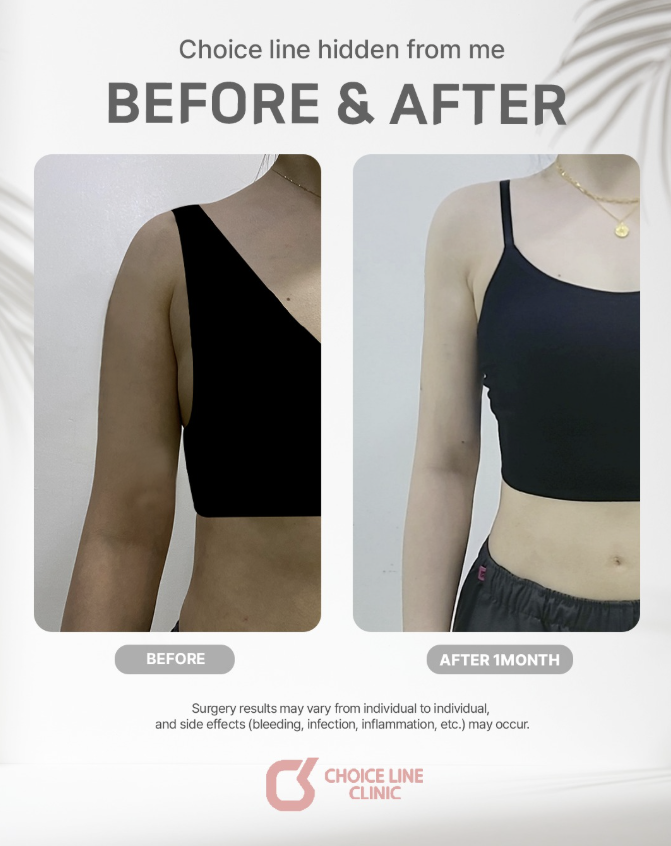
After the initial peak, swelling typically starts to decrease slowly. Patients often begin to notice early contour changes during this stage, although the body is still healing internally.
Typical changes include:
- Reduced puffiness
- Softer tissue texture
- Improved mobility
- Gradual contour visibility
- Less tightness
However, residual swelling is still present and can fluctuate.
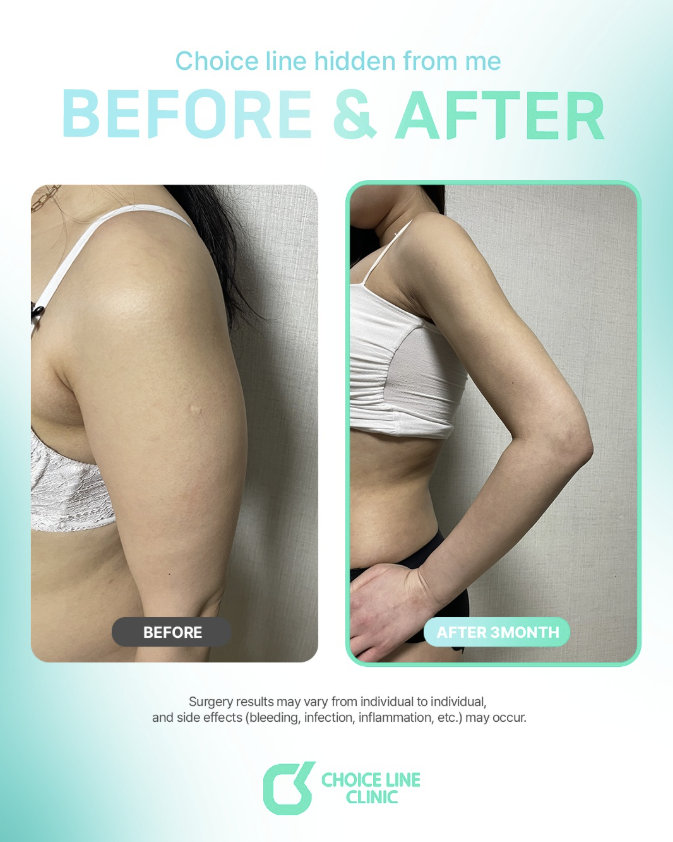
1–3 Months: Most Visible Swelling Fades
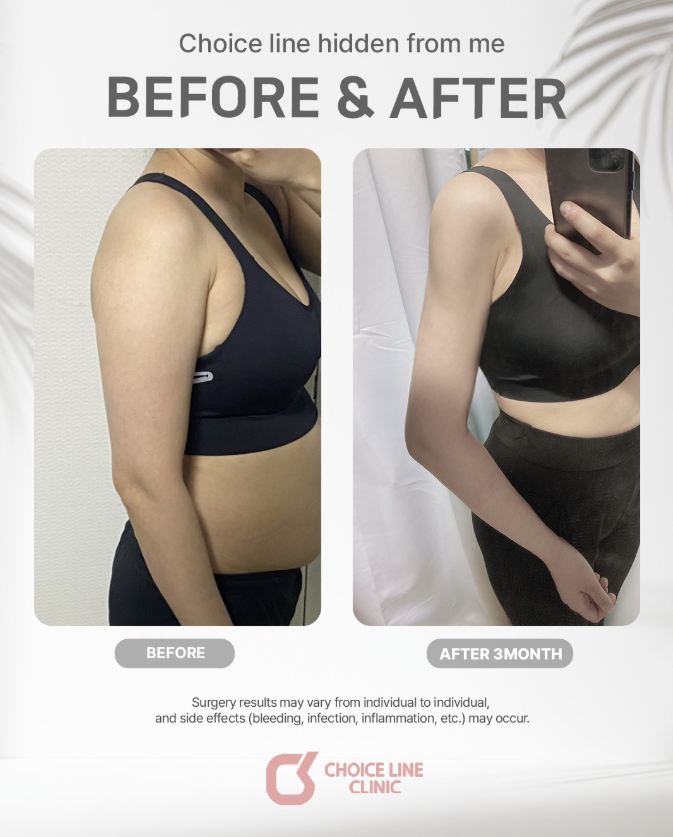
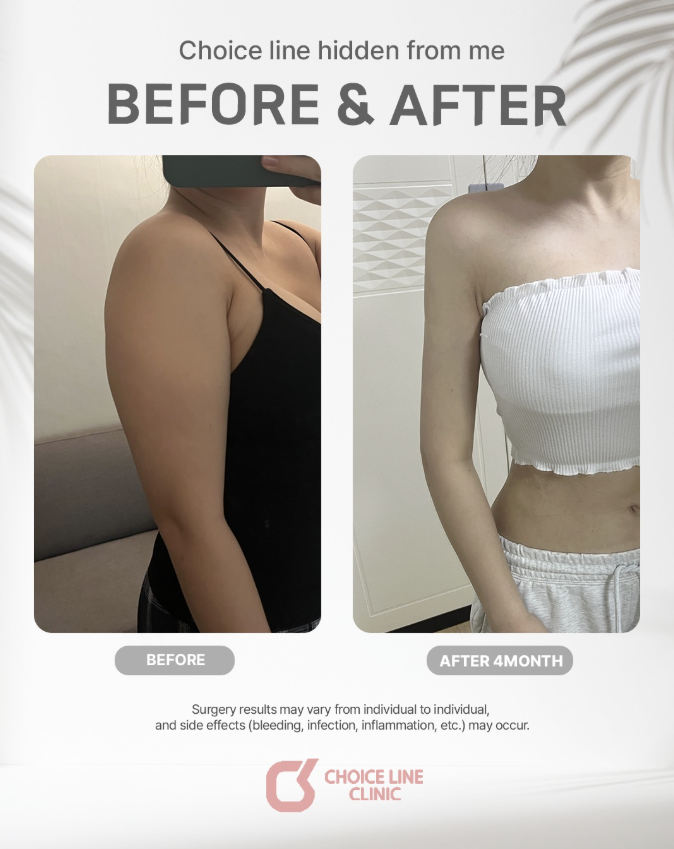
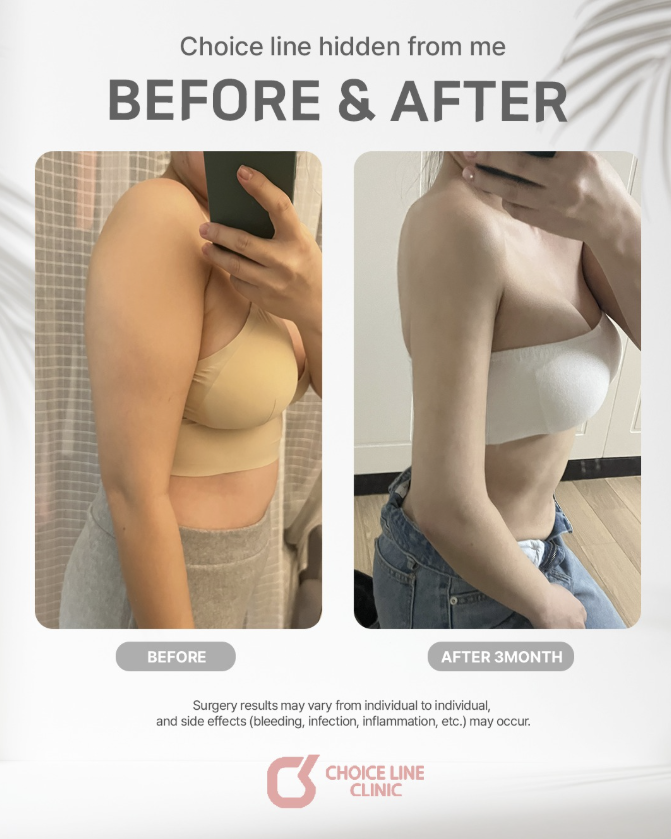
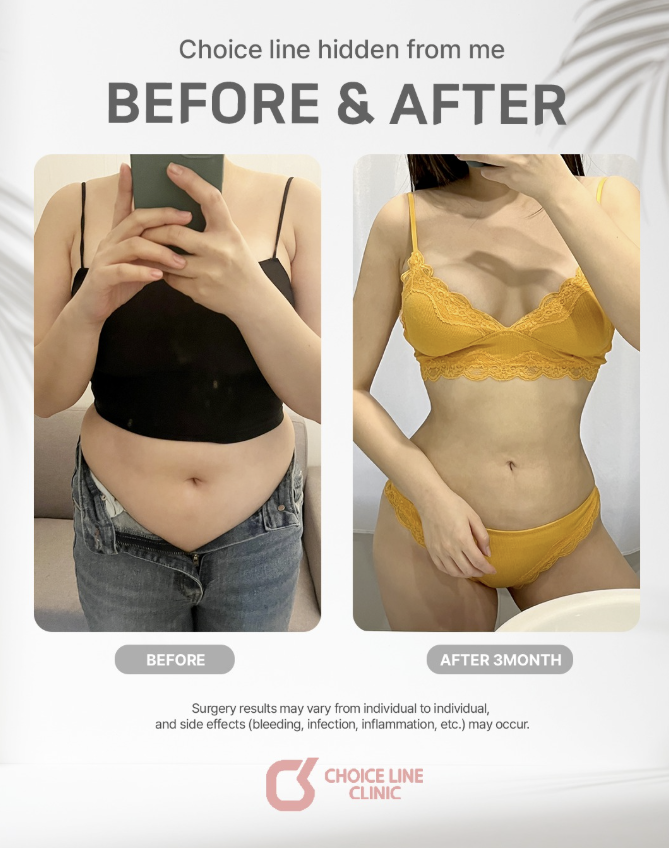
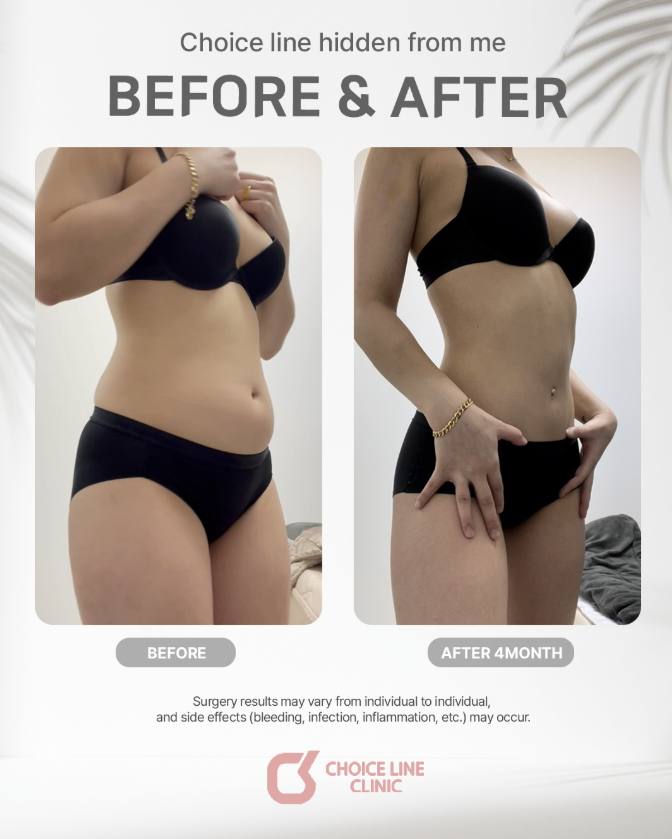
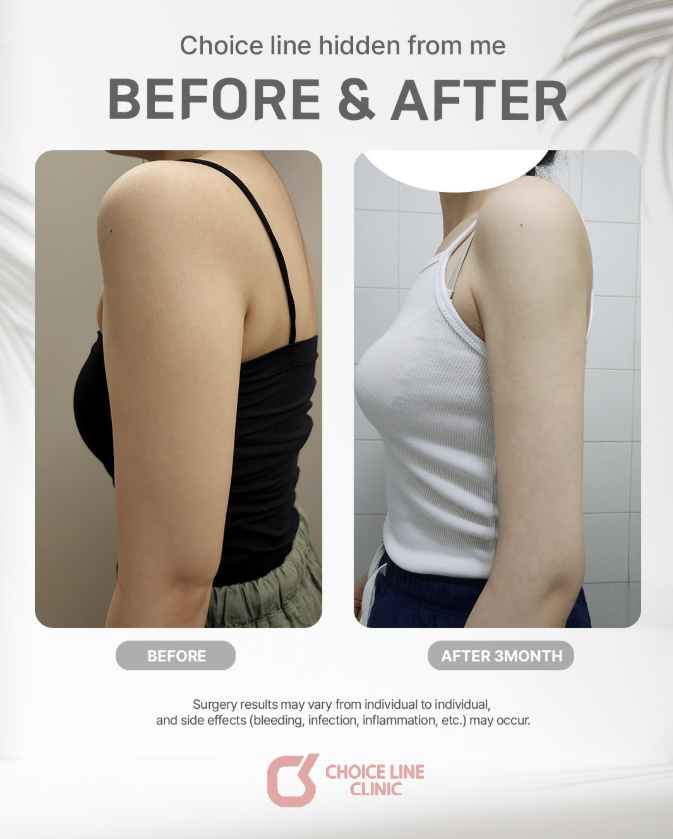
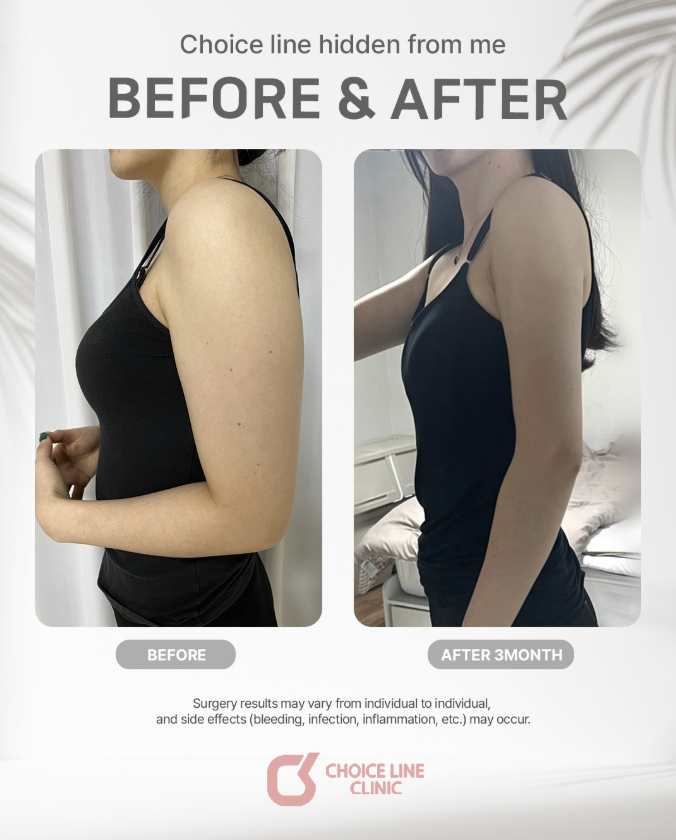
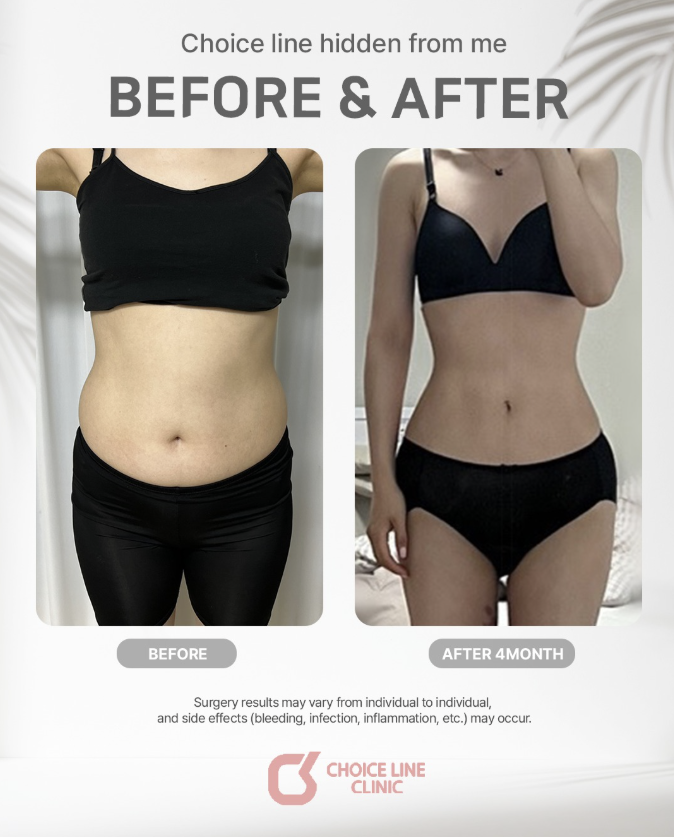
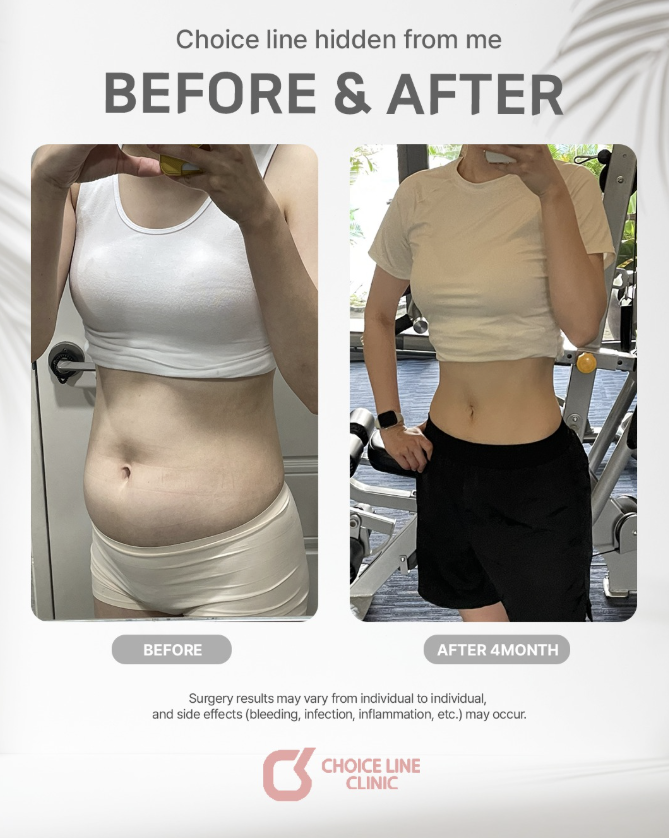
For many patients, a significant portion of swelling resolves within the first few months. This is when body contours become more defined and closer to the expected outcome.
During this period:
- Major swelling reduces significantly
- Body shape becomes more noticeable
- Firmness gradually softens
- Clothing fit improves
- Symmetry becomes clearer
However, subtle swelling may still remain.
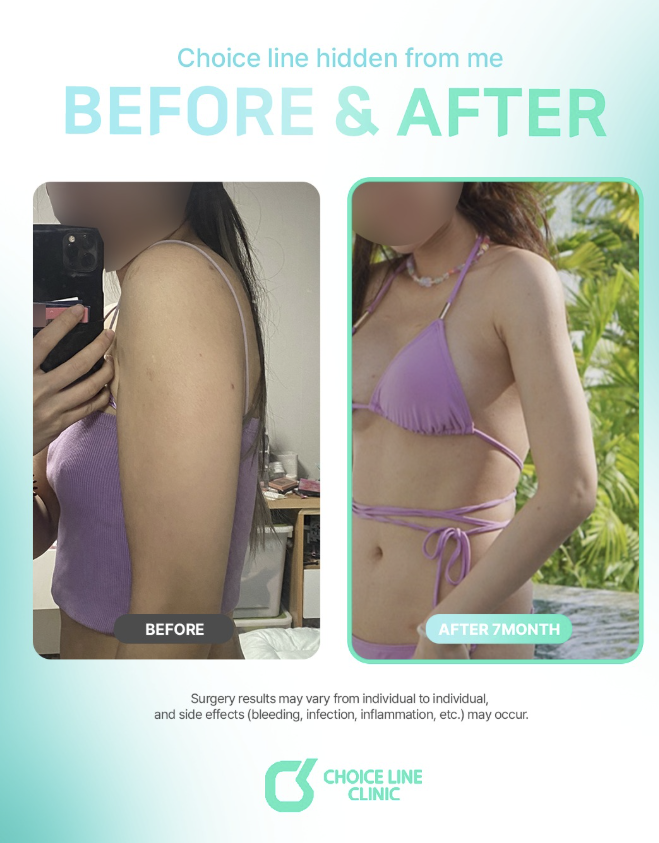
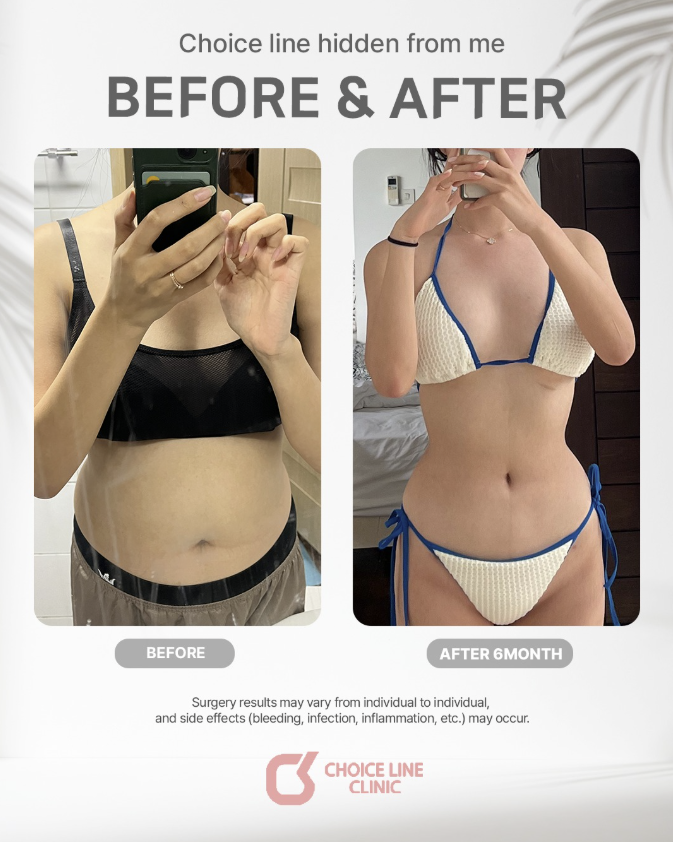
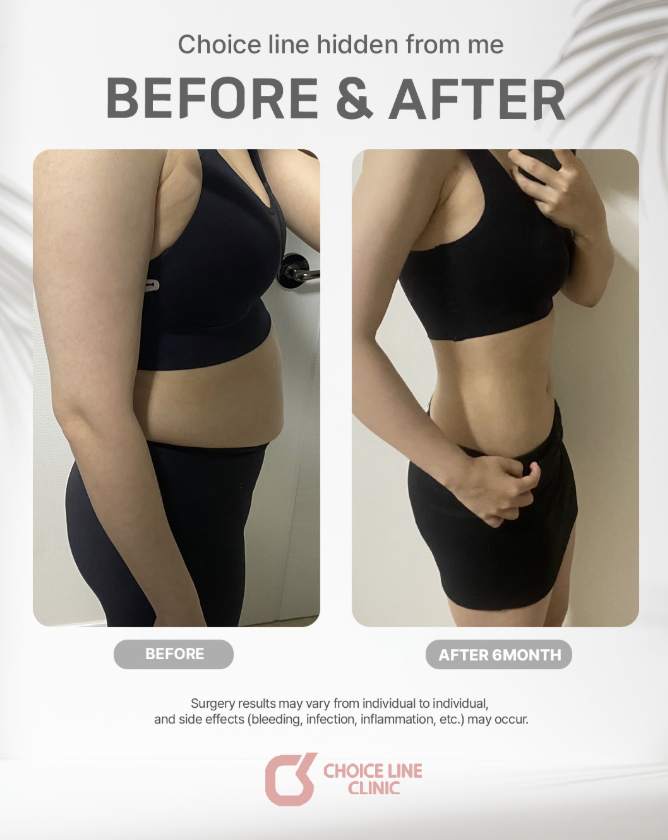
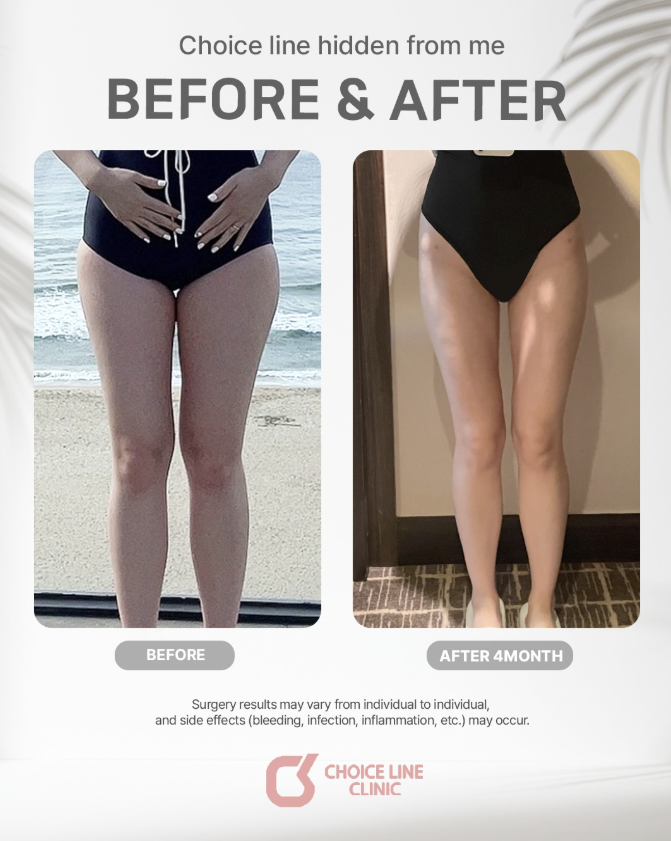
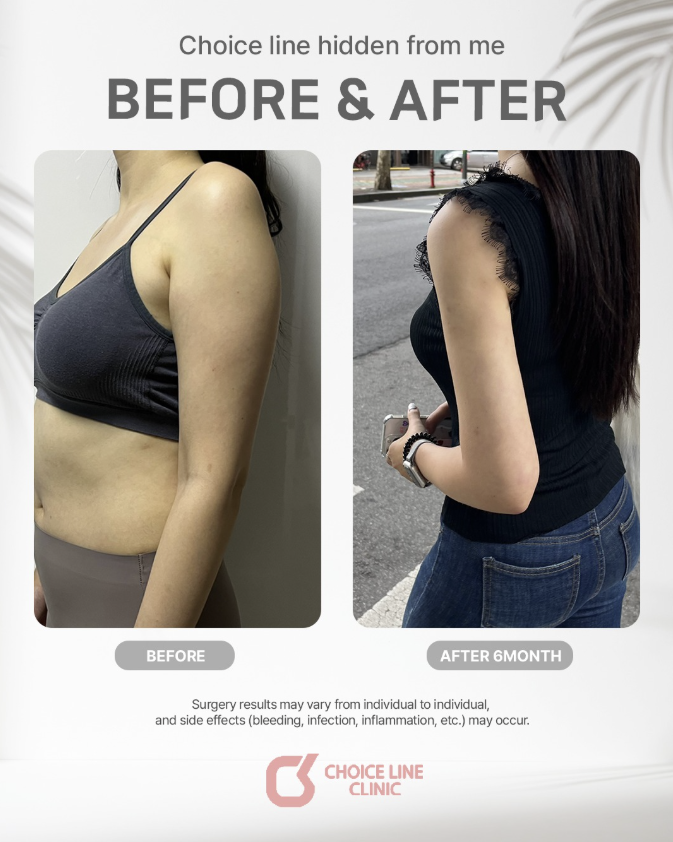
3–6 Months: Final Refinement Stage
Even after visible swelling improves, the body continues to adjust internally. This phase is often referred to as the refinement period.
Changes during this stage may include:
- Final contour smoothing
- Reduction of residual swelling
- Tissue softening
- Improved skin adaptation
- More stable body shape
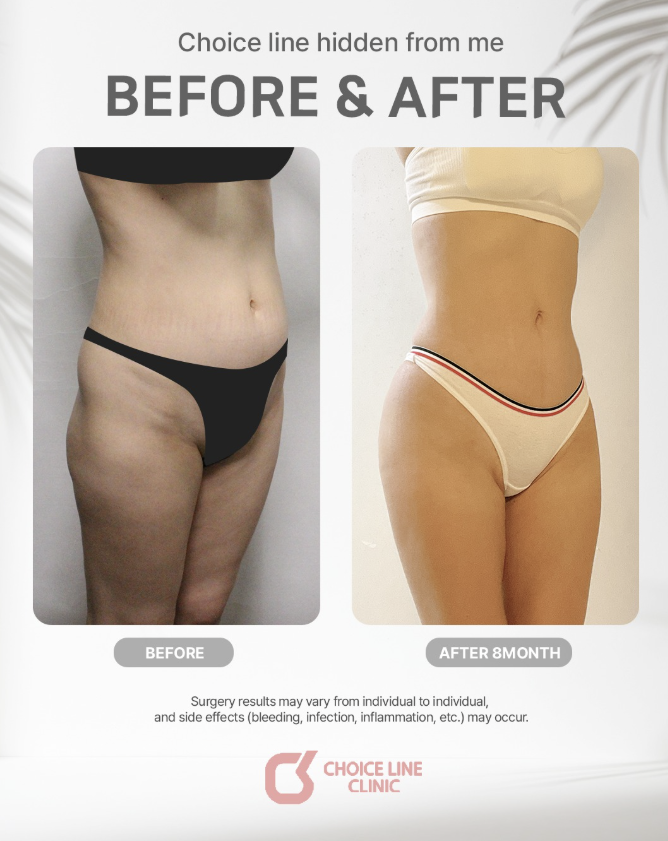
This is when most patients see their near-final results.
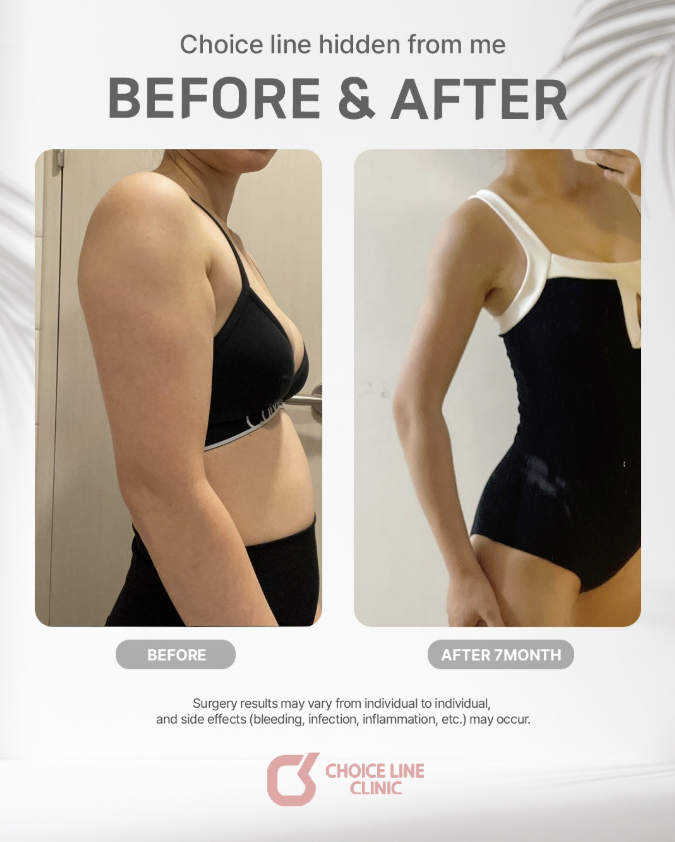
Up to 6–12 Months: Full Healing in Some Cases
In larger-volume liposuction or multiple-area procedures, minor swelling can take longer to fully resolve. Some patients may continue to notice gradual changes for up to a year.
Longer recovery may occur if:
- Large fat volumes were removed
- Multiple body areas were treated
- Skin elasticity is lower
- Healing response is slower
Even in these cases, changes are usually subtle over time.
Factors That Affect Swelling Duration
Swelling does not resolve at the same speed for everyone. Several factors influence how quickly the body heals.
Key factors include:
- Treatment area size
- Amount of fat removed
- Surgical technique used
- Individual healing speed
- Age and skin elasticity
- Post-operative care quality
Korean clinics often tailor aftercare to help reduce swelling more efficiently.
Aftercare Helps Reduce Swelling
Proper post-surgical care can significantly influence recovery speed and comfort. Many Korean clinics provide structured aftercare programs to support healing.
Common swelling management methods include:
- Compression garments
- Lymphatic drainage massage
- Swelling reduction therapy
- Light movement and walking
- Hydration and nutrition guidance
These practices help support smoother recovery and contour formation.
What Is Normal vs. Concerning Swelling
Mild to moderate swelling is expected, but patients should also understand what is normal versus what may require medical attention.
Normal swelling:
- Gradually improves over time
- Fluctuates during the day
- Feels firm or tight initially
- Slowly becomes softer
Unusual signs (should be checked):
- Sudden severe swelling
- Increasing pain over time
- Redness or heat
- Fever or discharge
Most swelling, however, follows a predictable recovery pattern.
Final Thoughts
Swelling after liposuction is a natural part of the healing process and typically improves gradually over several weeks to months. While most noticeable swelling fades within the first few months, subtle refinement can continue for up to six months or longer depending on the procedure. With proper aftercare, patience, and realistic expectations, patients can expect steady improvement as the body settles into its final contour.