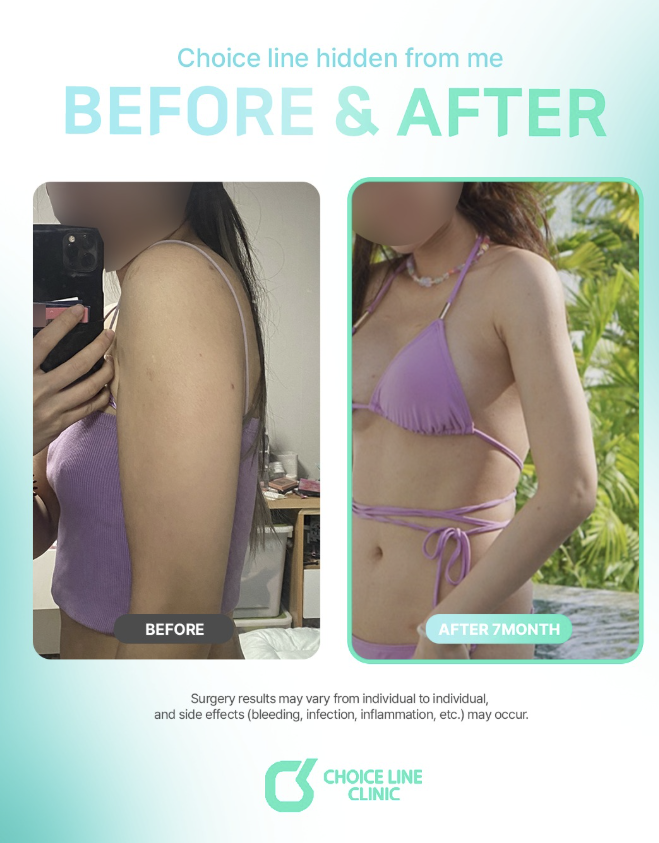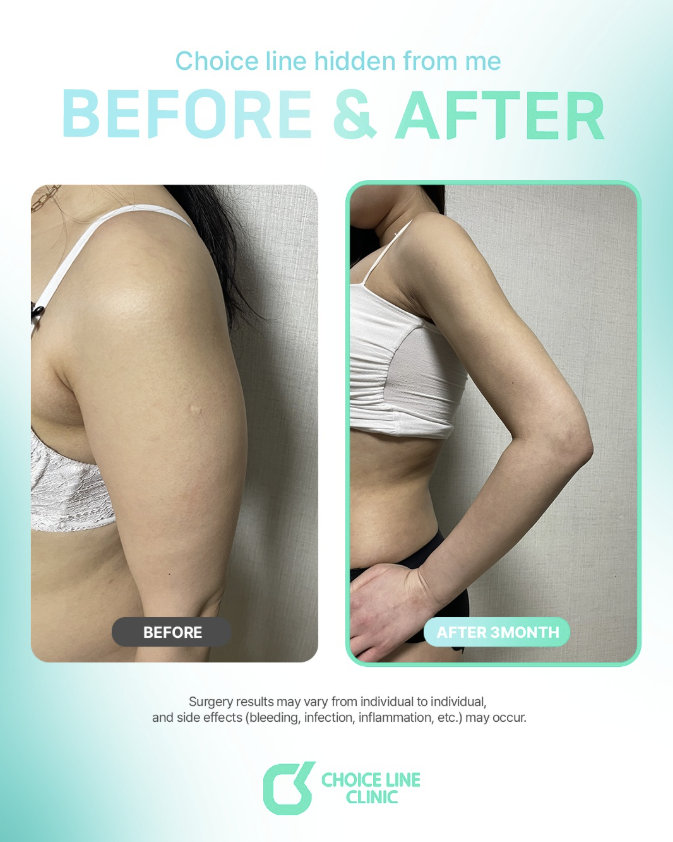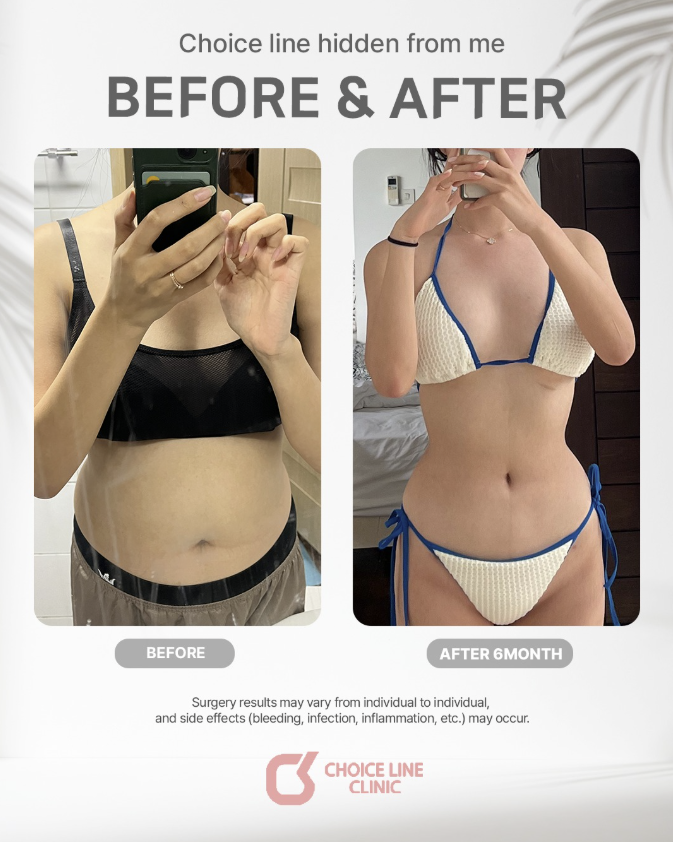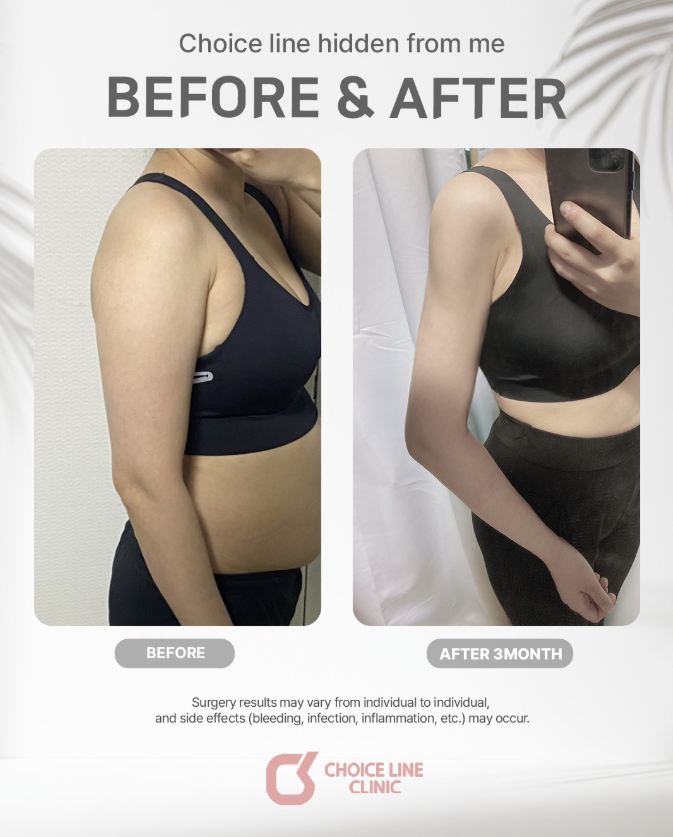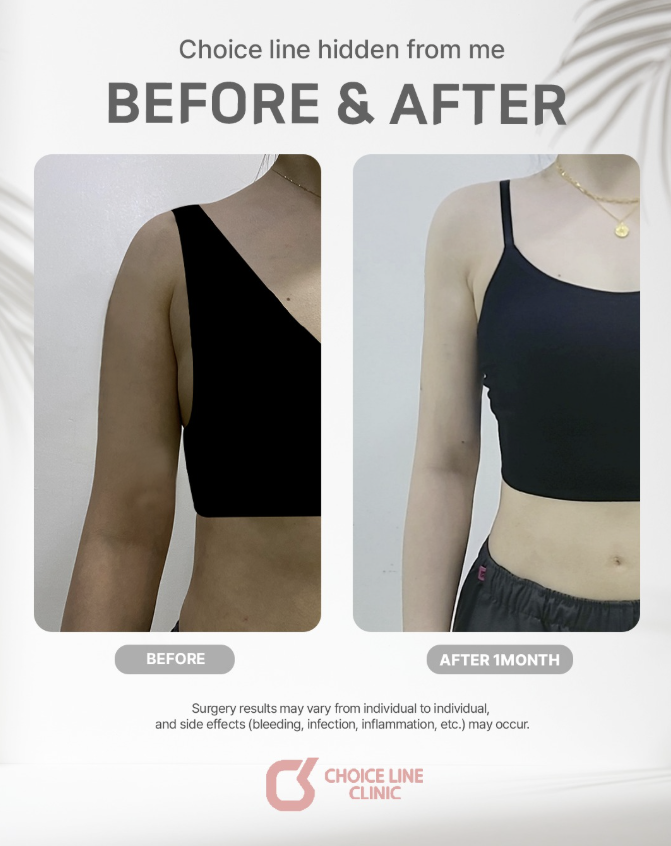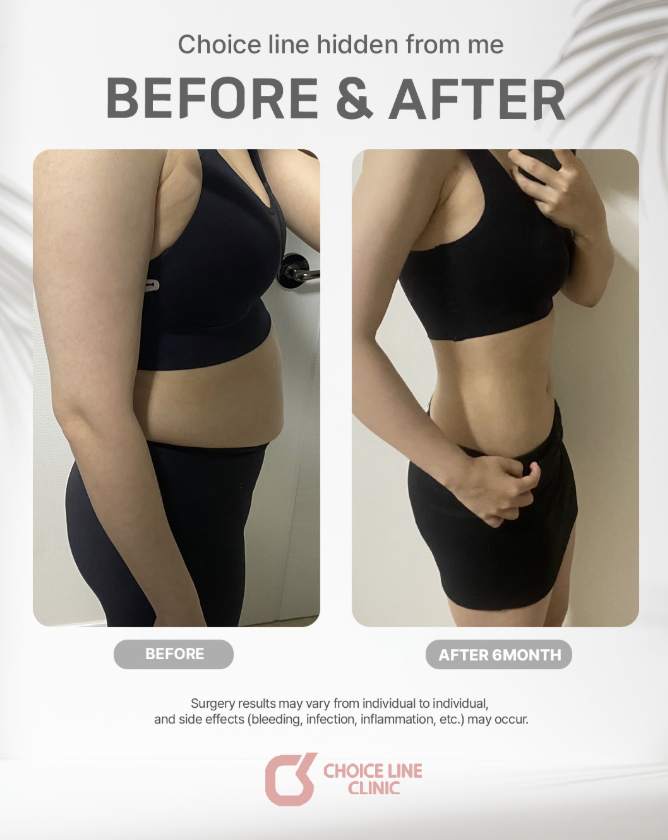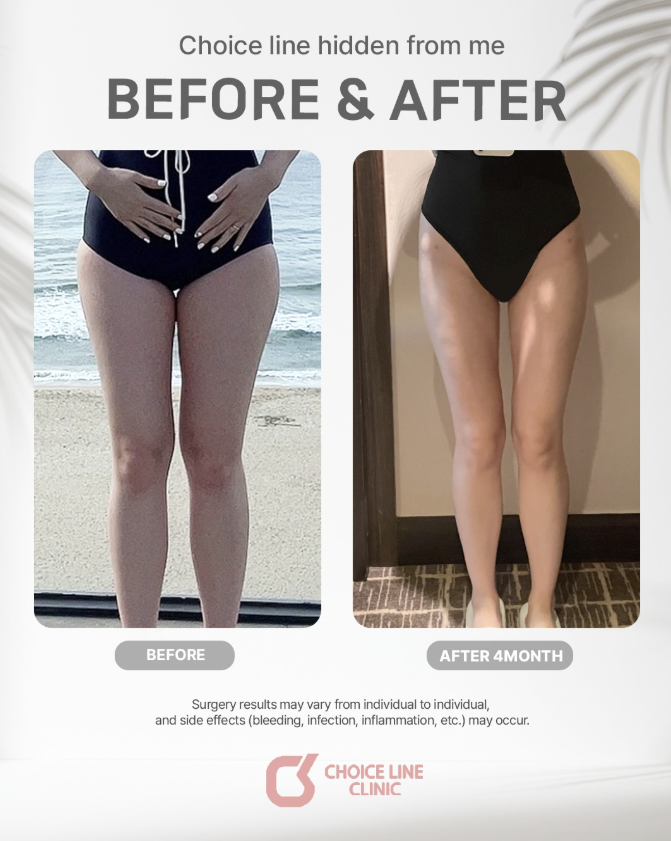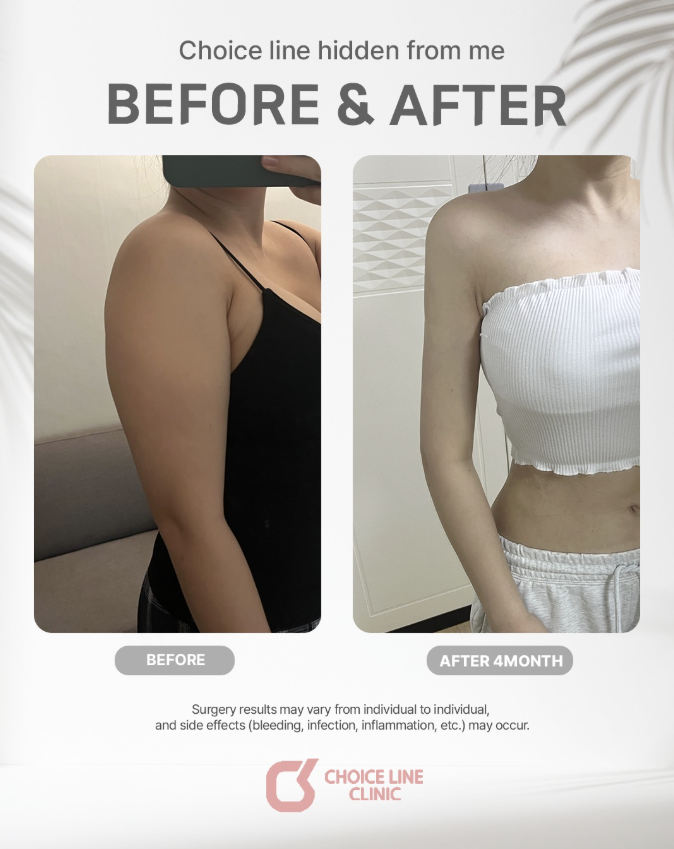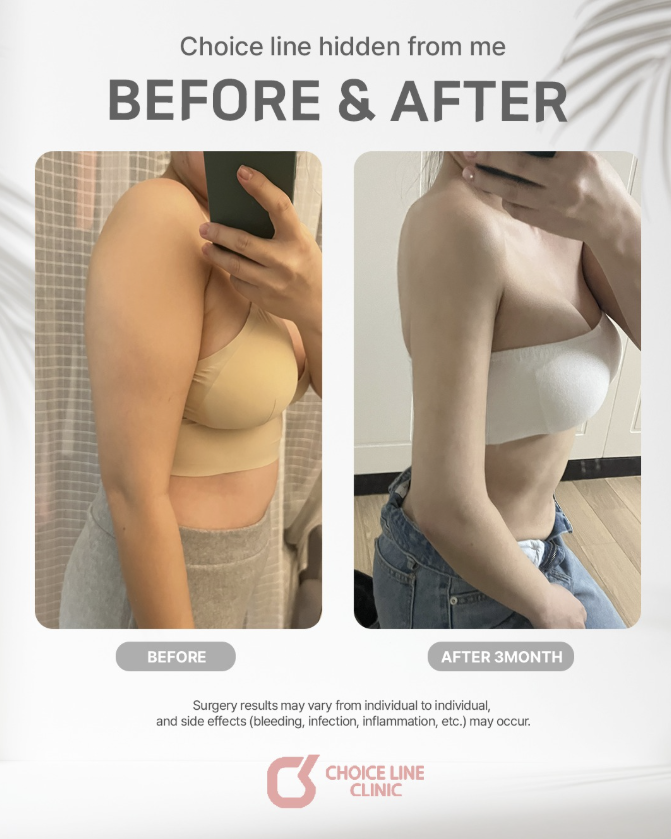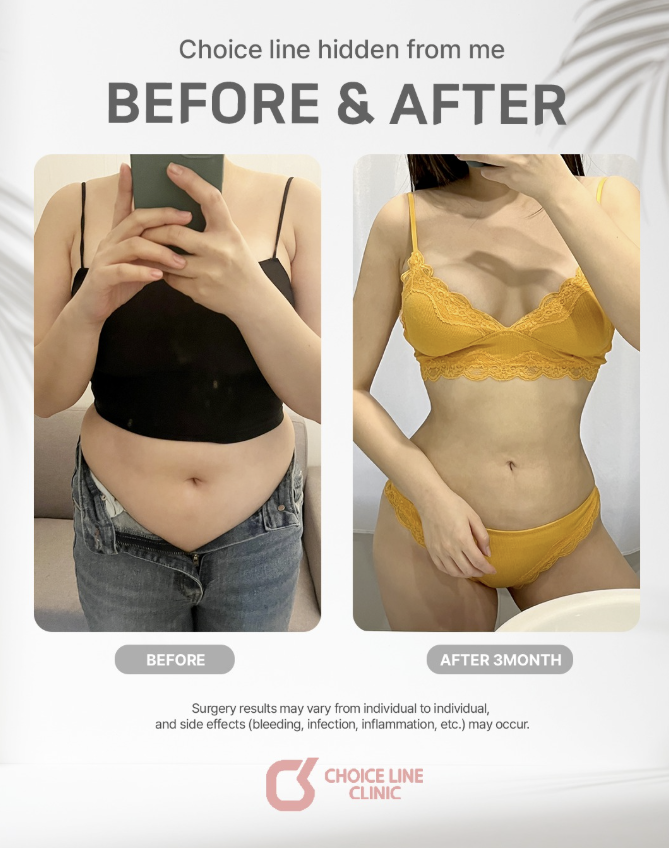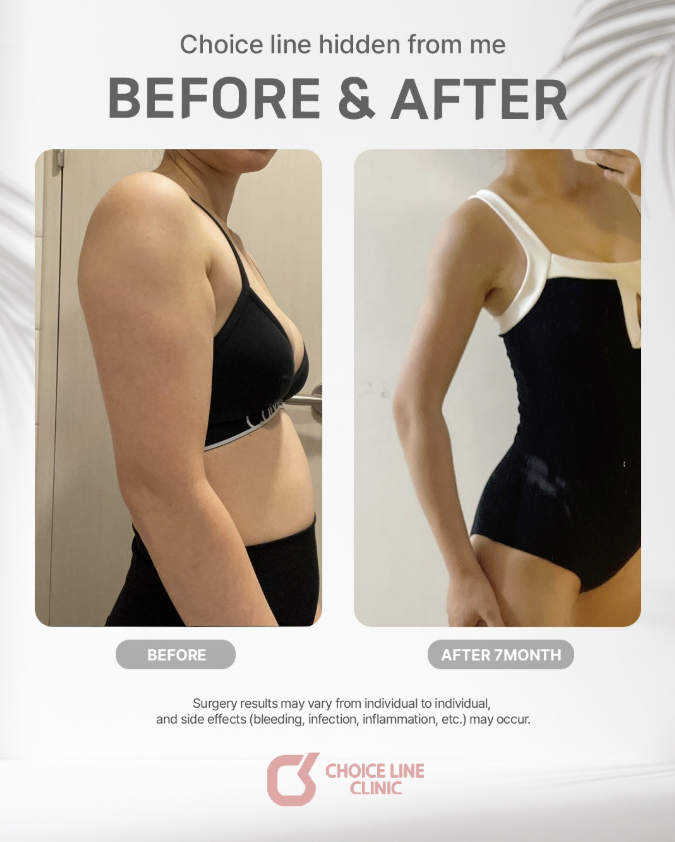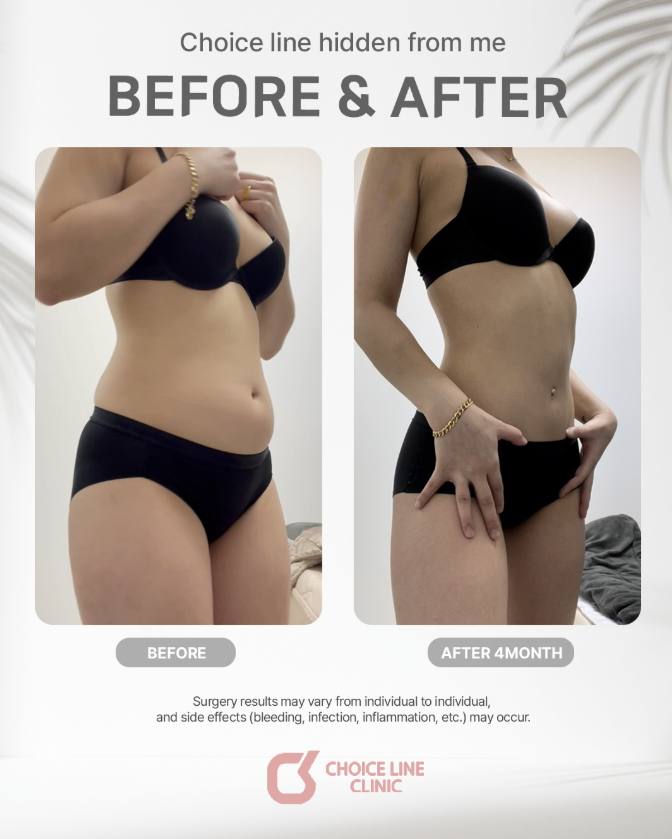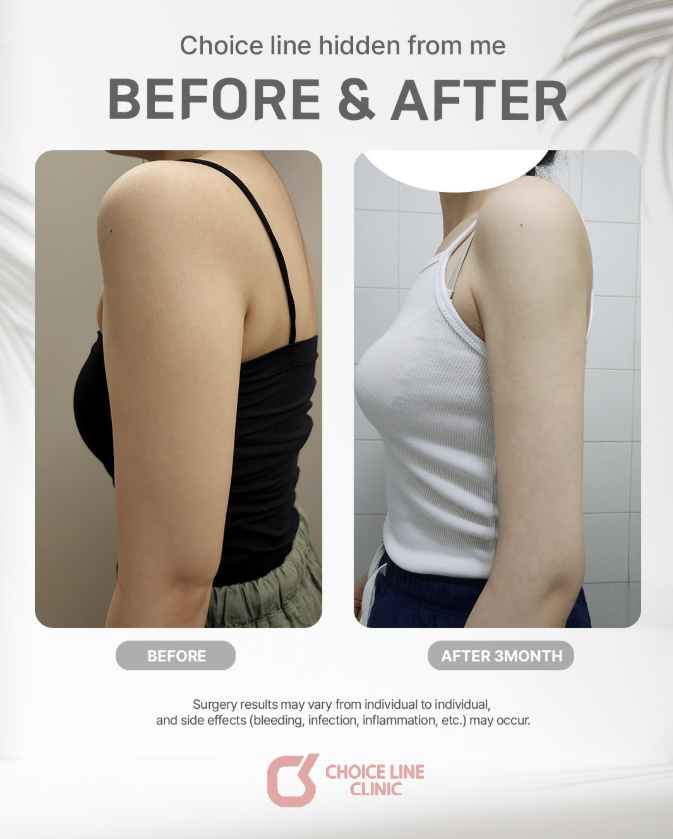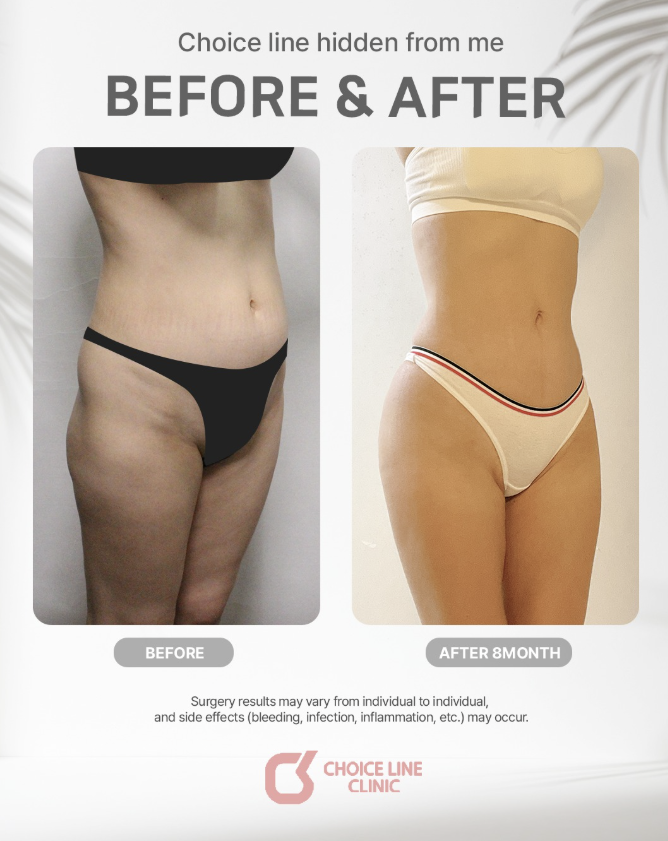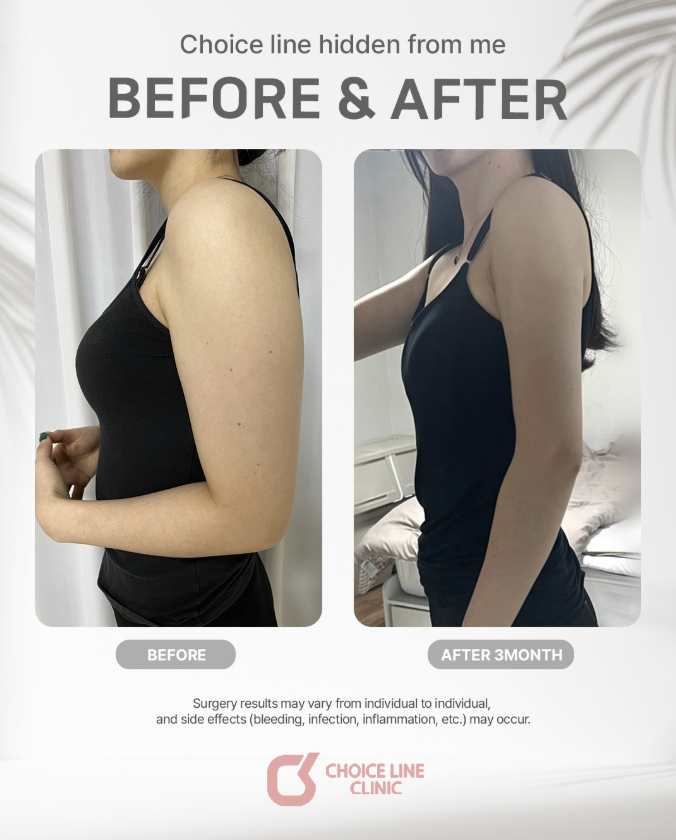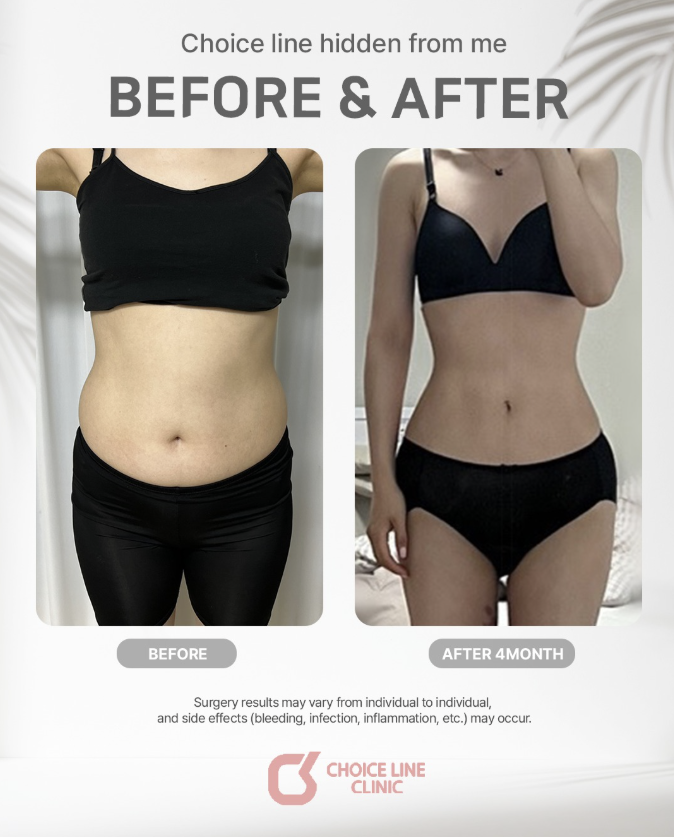




How Much Fat Can Be Removed Safely?
How Much Fat Can Be Removed Safely?
One of the most common questions patients ask before liposuction is how much fat can safely be removed during a single procedure. While many people assume “more fat removed” automatically means better results, safety and body balance are actually far more important. The amount of fat that can be removed safely depends on factors such as body size, overall health, treatment areas, skin elasticity, and surgical planning. Experienced surgeons typically focus on achieving balanced contours rather than removing the maximum possible volume.
Liposuction Is About Contouring, Not Maximum Extraction
Liposuction is primarily designed for reshaping body contours rather than extreme weight reduction. Removing too much fat at once can increase surgical risks and negatively affect body proportions.
Most body contouring procedures aim to:
- Improve shape and proportions
- Slim specific areas
- Create smoother body lines
- Reduce stubborn fat pockets
- Maintain natural contours
In many cases, moderate and balanced fat removal creates more aesthetically pleasing results than aggressive extraction.
Safety Limits Vary by Country and Clinic
Different countries and medical organizations may recommend different maximum fat removal limits during liposuction procedures. These limits are intended to reduce the risk of complications such as fluid imbalance, excessive blood loss, or prolonged recovery.
The safe amount often depends on:
- Patient body size
- Number of treatment areas
- Overall health condition
- Surgical technique used
- Length of surgery
- Recovery monitoring systems
Many surgeons prefer conservative approaches to prioritize patient safety.
Body Type Plays a Major Role
The amount of fat that can safely be removed differs significantly from person to person. A smaller patient may not safely tolerate the same extraction volume as someone with a larger body frame.
Important factors include:
- Height and weight
- Body fat distribution
- Skin elasticity
- Muscle structure
- Circulation and healing ability
This is why detailed consultations and body evaluations are considered essential before surgery.
Removing Too Much Fat Can Create Problems
Aggressive fat removal may increase the risk of both medical and aesthetic complications. Many experienced surgeons intentionally avoid excessive extraction to preserve smoother body contours.
Potential issues from over-removal may include:
- Uneven skin texture
- Loose or sagging skin
- Hollow-looking areas
- Contour irregularities
- Longer recovery time
- Increased swelling and bruising
Natural-looking balance is often more difficult to achieve when too much fat is removed.
Korean Clinics Often Prefer Conservative Contouring
Many Korean cosmetic clinics focus on refined body shaping rather than maximizing fat volume removal. The emphasis is usually placed on smooth proportions and balanced silhouettes.
Common goals may include:
- Slim waistline refinement
- Softer body transitions
- Symmetrical contouring
- Natural curves
- Smaller detail-focused shaping
This approach is influenced by Korean beauty trends that prioritize subtle and elegant body lines.
Multiple Sessions May Be Recommended
In some situations, surgeons may recommend dividing treatment into multiple procedures instead of removing large volumes at once. This can sometimes improve safety and contour precision.
Multiple sessions may be considered for:
- Extensive body contouring
- Full-body reshaping
- Patients requiring large-volume reduction
- Complex correction procedures
Although this approach may extend the overall treatment timeline, it can reduce surgical stress on the body.
Skin Elasticity Is Extremely Important
Fat removal alone does not guarantee smooth contours. Skin elasticity plays a major role in how the body adapts after liposuction.
Patients with stronger skin elasticity often experience:
- Better skin contraction
- Smoother body contours
- More defined shaping
- Less visible looseness
Patients with reduced elasticity may require additional treatments such as skin tightening procedures.
Recovery Becomes Harder With Larger Volume Removal
Larger-volume liposuction usually involves a more demanding recovery process. Swelling, bruising, soreness, and fluid retention may last longer when more fat is removed.
Recovery may involve:
- Compression garment use
- Reduced physical activity
- Follow-up appointments
- Swelling management
- Lymphatic massage
- Gradual contour stabilization
Final body contours often continue improving over several months.
Realistic Expectations Matter More Than Numbers
Many patients focus heavily on the exact amount of fat removed, but surgeons often prioritize the final contour outcome rather than extraction volume alone.
A smaller amount of strategically removed fat can sometimes:
- Improve waist definition
- Enhance body balance
- Slim specific areas visibly
- Improve clothing fit
- Create more proportional lines
The visual result is often more important than the total number of liters removed.
Final Thoughts
The amount of fat that can be safely removed depends on the individual patient, surgical approach, and overall treatment plan. Modern liposuction is generally focused more on balanced body contouring than extreme fat extraction. Experienced surgeons often prioritize safety, smooth contours, and natural-looking proportions over removing the maximum possible amount of fat. Understanding these limitations helps patients develop more realistic expectations and safer long-term body contouring goals.