



Inner Thigh vs Outer Thigh Liposuction
Inner Thigh vs Outer Thigh Liposuction
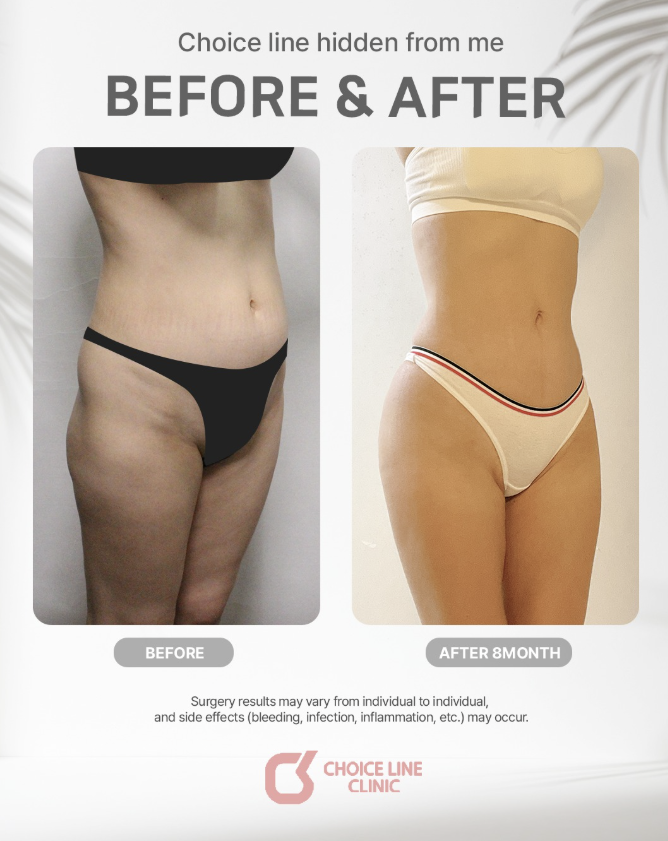
Thigh liposuction is one of the most popular lower-body contouring procedures in Korea, but the thigh is not a single uniform area. It is typically divided into inner and outer zones because each behaves differently in terms of fat distribution, skin elasticity, and aesthetic impact. In Seoul—especially in Gangnam clinics—surgeons carefully distinguish between inner and outer thigh liposuction to design balanced, natural-looking leg lines rather than simply reducing overall size.
What Inner Thigh Liposuction Targets
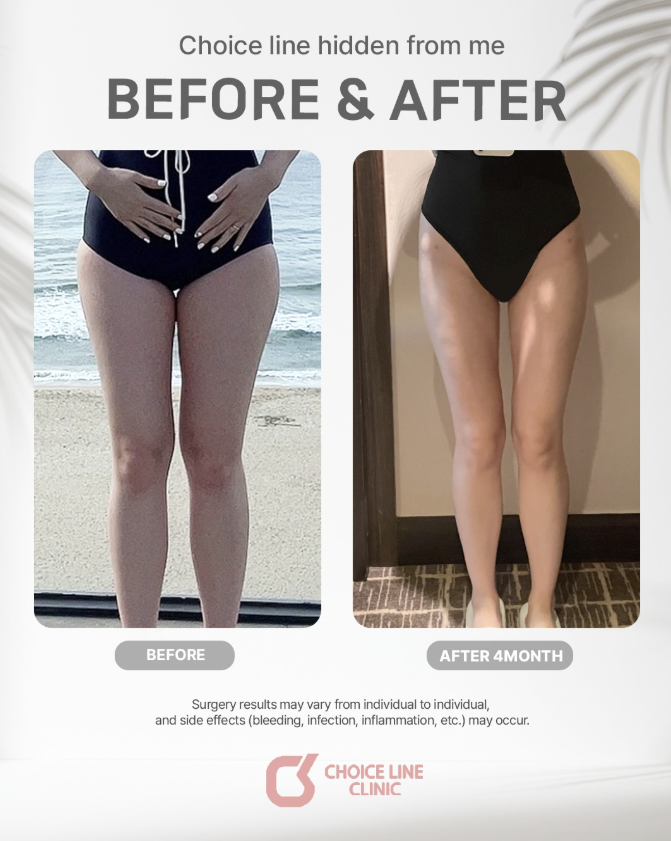
Inner thigh liposuction focuses on the fat located between the legs, which often causes rubbing, discomfort, and a thicker leg appearance.
Common concerns include:
- Thighs touching when walking
- Inner leg chafing
- Lack of inner thigh gap (in suitable candidates)
- Soft, bulky inner leg contour
- Difficulty fitting slim pants
The main goal is to slim the inner leg line and improve comfort as well as appearance.
What Outer Thigh Liposuction Targets
Outer thigh liposuction focuses on the lateral side of the legs, often called “saddlebags.” This area strongly affects the silhouette from the front and back.
Common concerns include:
- Bulging outer thigh curve
- Uneven hip-to-thigh transition
- Wider-looking lower body
- Lack of smooth side contour
- Disproportion between hips and thighs
The goal is to create a smoother outer curve and improve overall body balance.
Key Difference: Function vs Silhouette
The biggest difference between inner and outer thigh liposuction is their aesthetic role.
Inner thigh:
- Affects leg closeness and comfort
- Impacts how legs appear together
- More visible in motion
Outer thigh:
- Shapes overall body width
- Affects silhouette from all angles
- Important for hip-to-leg balance
Korean surgeons often treat both areas together for a harmonious result.
Skin Behavior Differences
Inner and outer thighs respond differently after fat removal.
Inner thigh:
- Higher risk of skin friction
- May require stronger compression support
- Skin retraction varies by elasticity
Outer thigh:
- Usually smoother skin transition
- Can show contour changes more clearly
- Better structural support from surrounding tissue
These differences influence surgical planning in Korean clinics.
Recovery Differences
Recovery sensations can vary slightly depending on which area is treated.
Inner thigh recovery:
- Sensitivity when walking or crossing legs
- Mild discomfort due to friction
- Swelling concentrated between legs
Outer thigh recovery:
- Tightness along side of legs
- Bruising more visible on outer surface
- Less friction-related discomfort
When both areas are treated, recovery is more uniform but slightly longer.
Aesthetic Goals: Slimness vs Shape Definition
Inner and outer thigh liposuction serve different visual purposes.
Inner thigh goals:
- Slimmer leg gap
- Reduced inner bulk
- Improved comfort and mobility
- Cleaner inner leg line
Outer thigh goals:
- Smoother hip-to-thigh curve
- Reduced “saddlebag” appearance
- More proportionate lower body shape
- Enhanced silhouette from front and back
Korean clinics focus on maintaining natural proportions rather than extreme slimming.
When Both Are Treated Together
In Korea, inner and outer thigh liposuction are often combined for full leg contouring.
Benefits of combined treatment:
- Balanced thigh proportions
- Smooth leg transitions
- More natural overall result
- Reduced risk of uneven contouring
- Better clothing fit from all angles
This approach is especially common in 360-degree lower body contouring plans.
Limitations to Understand
Both procedures have natural limitations depending on anatomy.
Key considerations:
- Does not change muscle structure
- Inner thigh gap depends on bone structure
- Outer thigh shape influenced by hip width
- Results depend heavily on skin elasticity
- Not a weight-loss procedure
Proper evaluation is essential for realistic expectations.
Final Thoughts
Inner and outer thigh liposuction address different aspects of leg contouring—one focuses on reducing inner bulk and improving comfort, while the other refines the outer silhouette and overall body balance. In Korean clinics, especially in Gangnam, surgeons often treat both areas together to create smooth, natural leg lines that look proportionate from every angle. When properly planned, the combination can significantly enhance lower-body harmony and clothing fit while maintaining a natural appearance.