



Korean Body Contouring: Why Shape Matters More Than Weight
Korean Body Contouring: Why Shape Matters More Than Weight
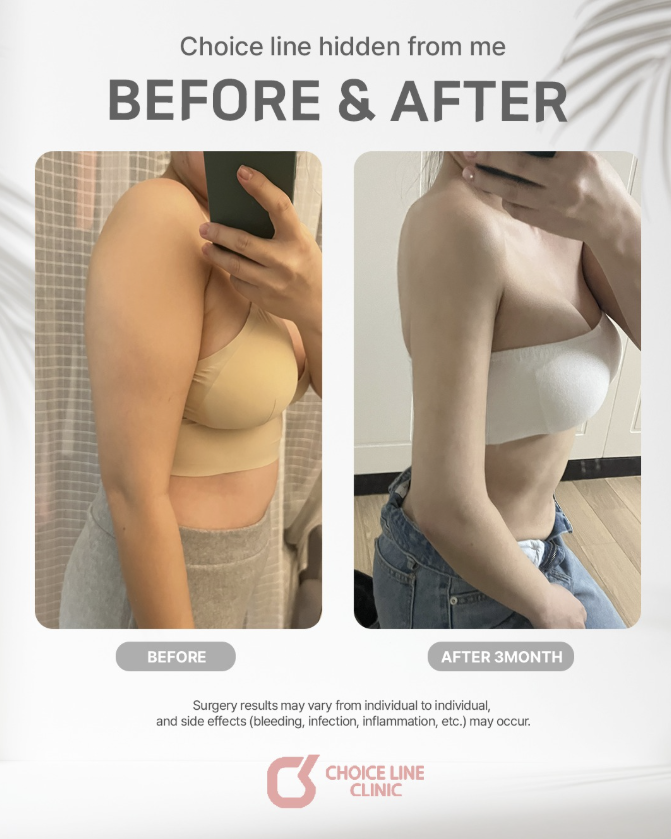
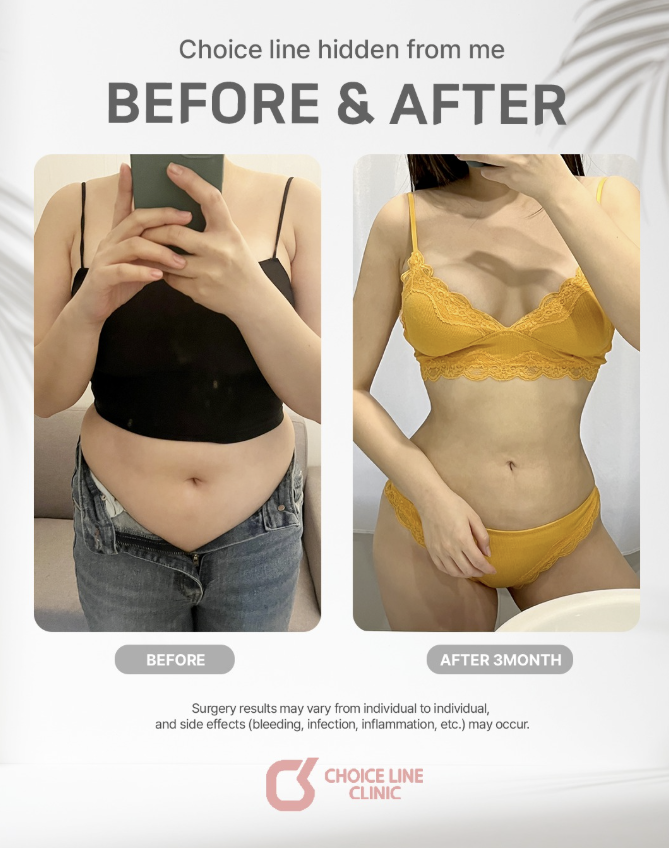
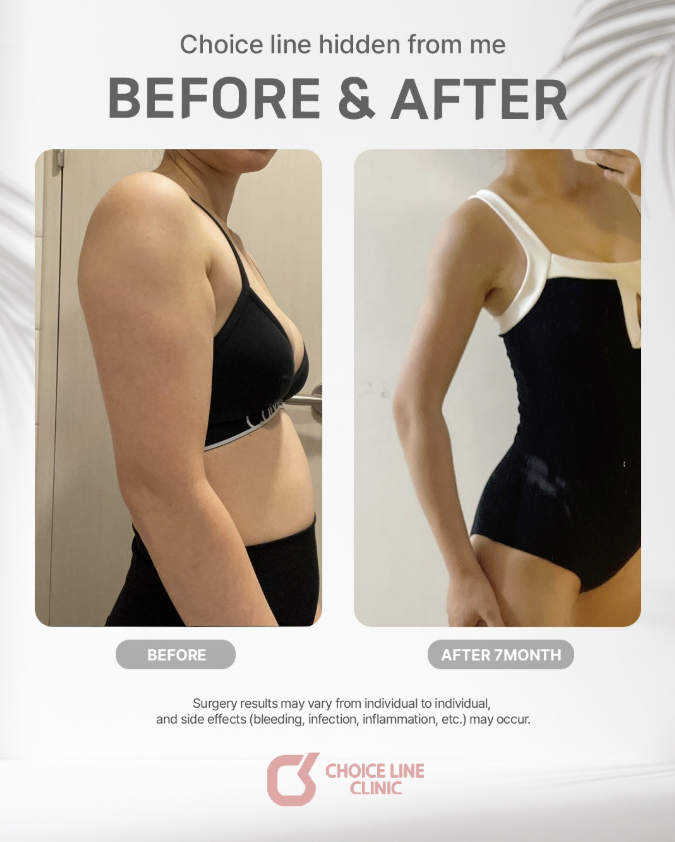
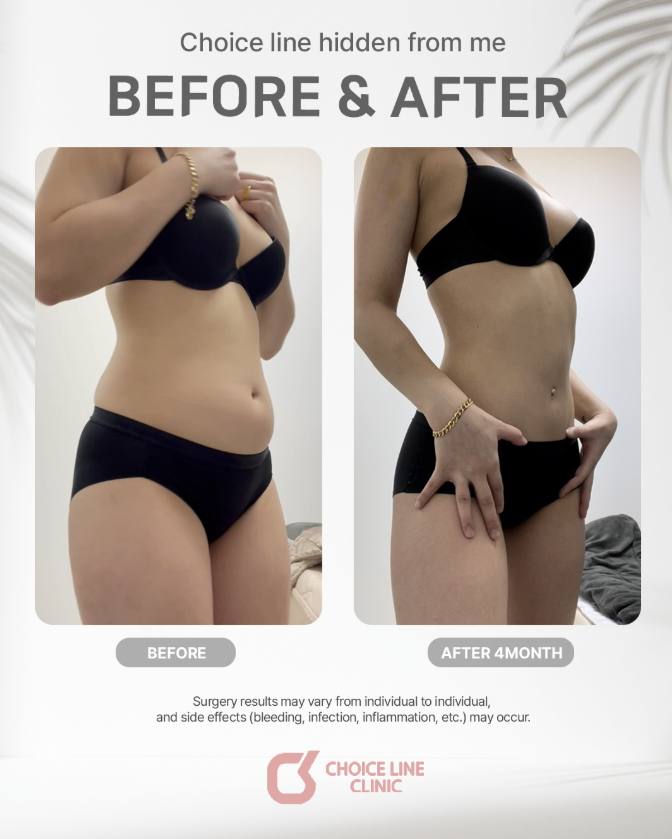
Korean body contouring often focuses less on the number on the scale and more on how different parts of the body relate to one another. In Seoul and Gangnam, liposuction is commonly planned around waist definition, body lines, and overall silhouette balance rather than simply removing the greatest possible amount of fat. For international patients, understanding this proportion-based approach can help create more realistic expectations.
Body Contouring Is Not the Same as Weight Loss
Liposuction is designed primarily to reshape specific areas rather than produce major weight reduction.
Treatment may help:
- Reduce localized fat
- Improve body proportions
- Refine silhouette lines
- Create smoother transitions
- Enhance natural curves
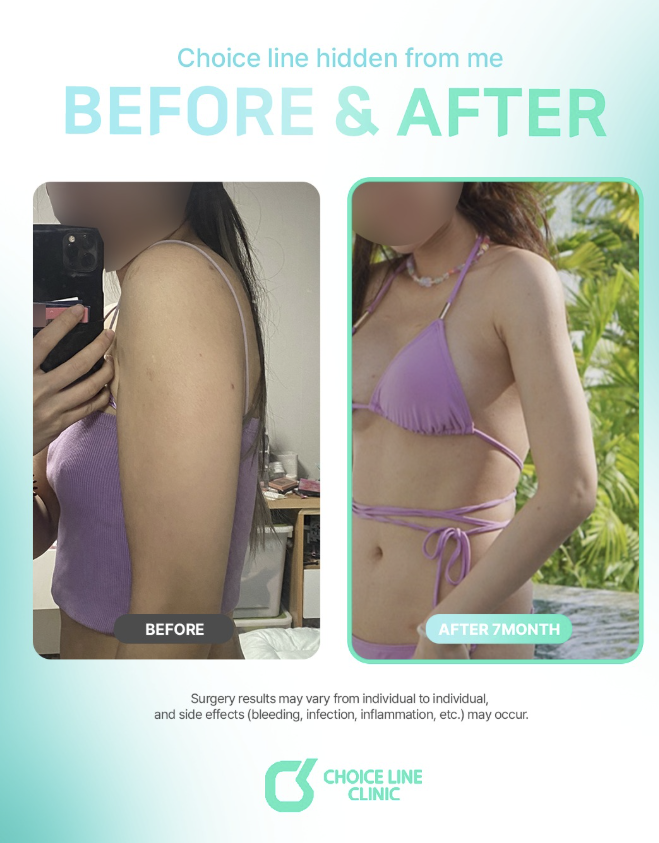
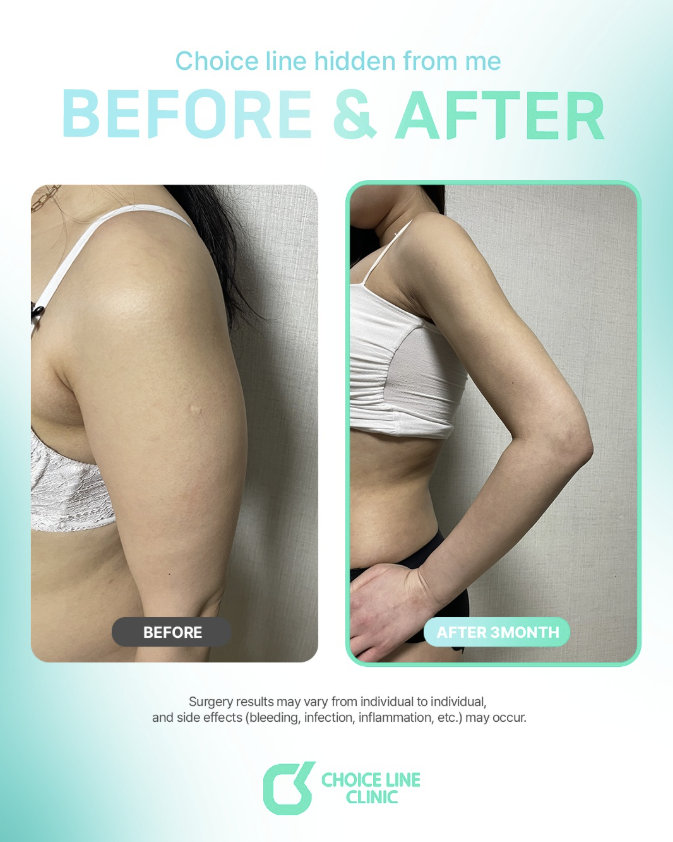
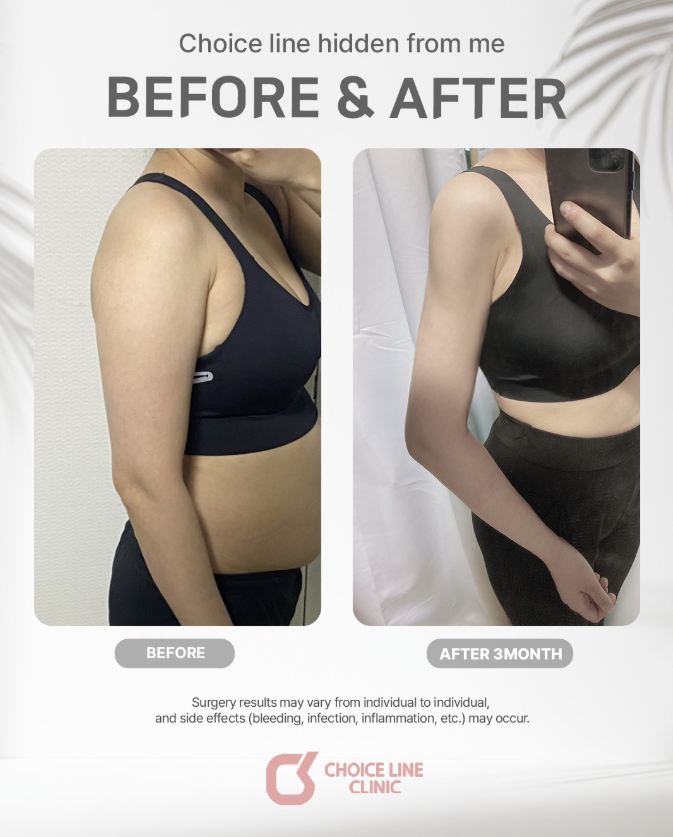
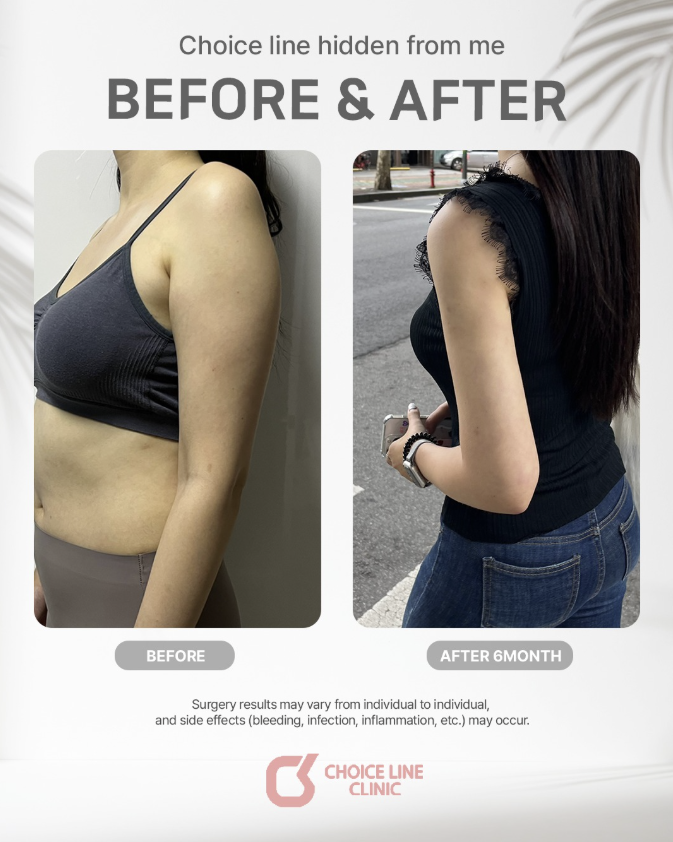
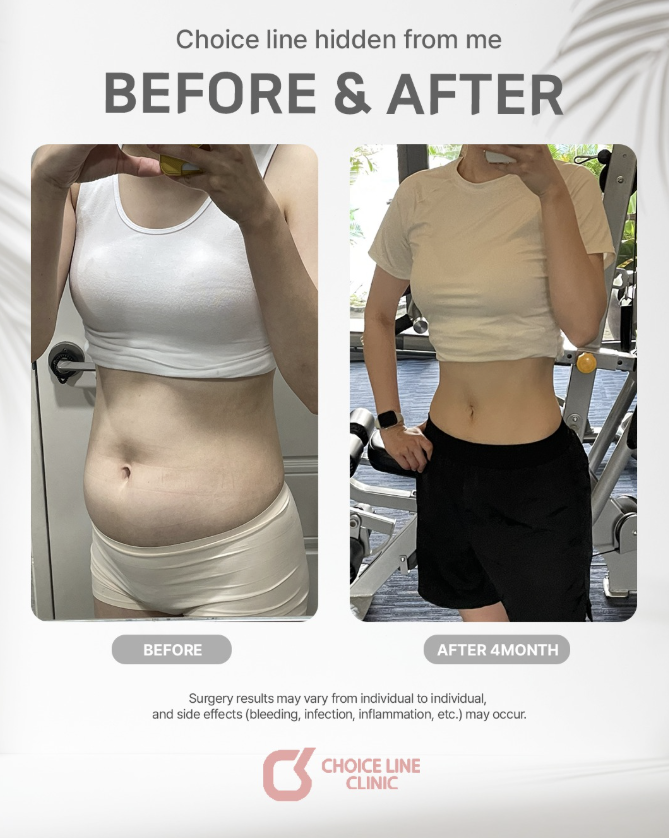
A patient can achieve a noticeable visual change even when overall body weight changes very little.
Why Body Shape Matters
Two people with the same weight can have very different body proportions.
Appearance may be influenced by:
- Fat distribution
- Waist-to-hip ratio
- Muscle structure
- Bone structure
- Body frame
- Skin elasticity
This is why body contouring plans should be based on anatomy rather than weight alone.
Waist Definition Can Change the Entire Silhouette
The waist is one of the most important areas in overall body balance.
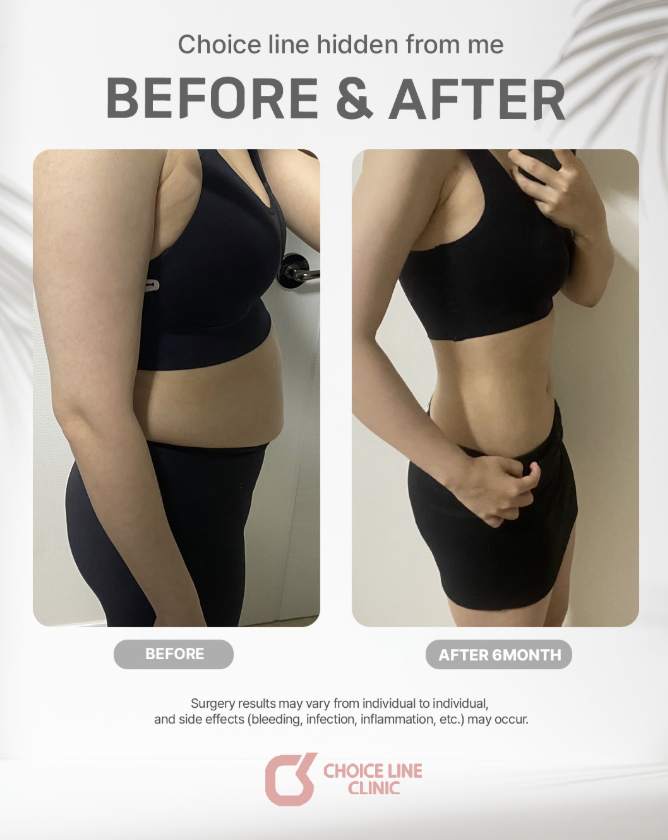
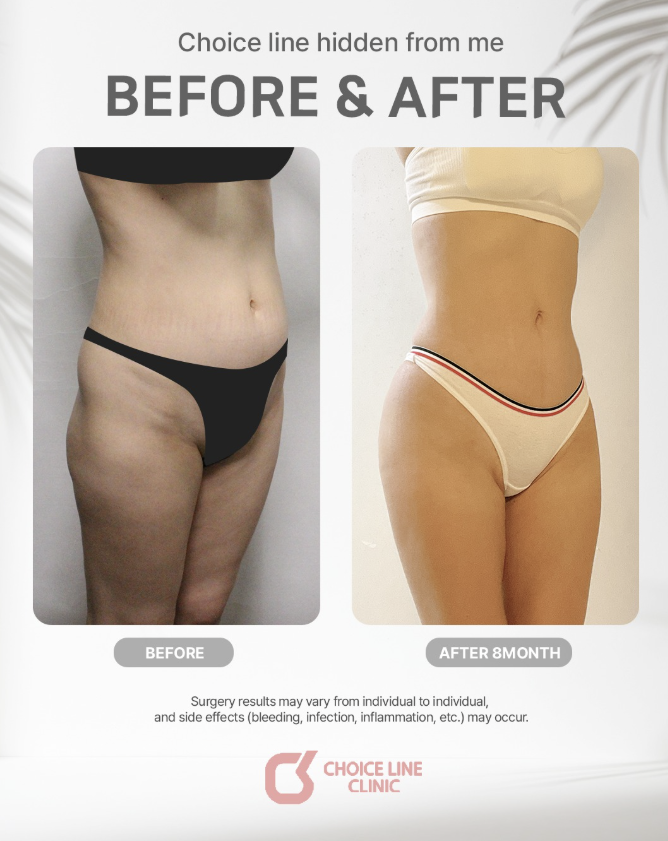
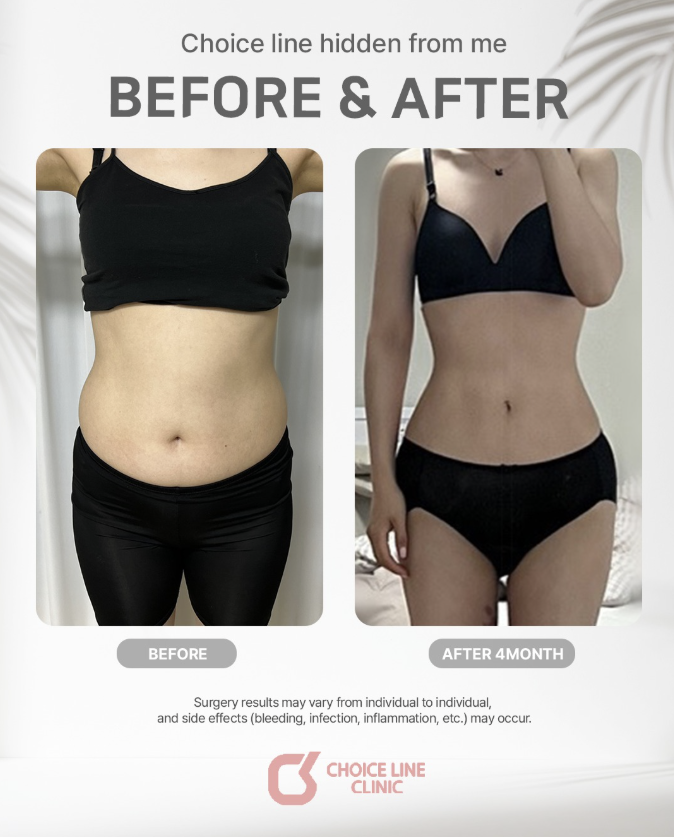
Reducing fat around the waist and flanks may help:
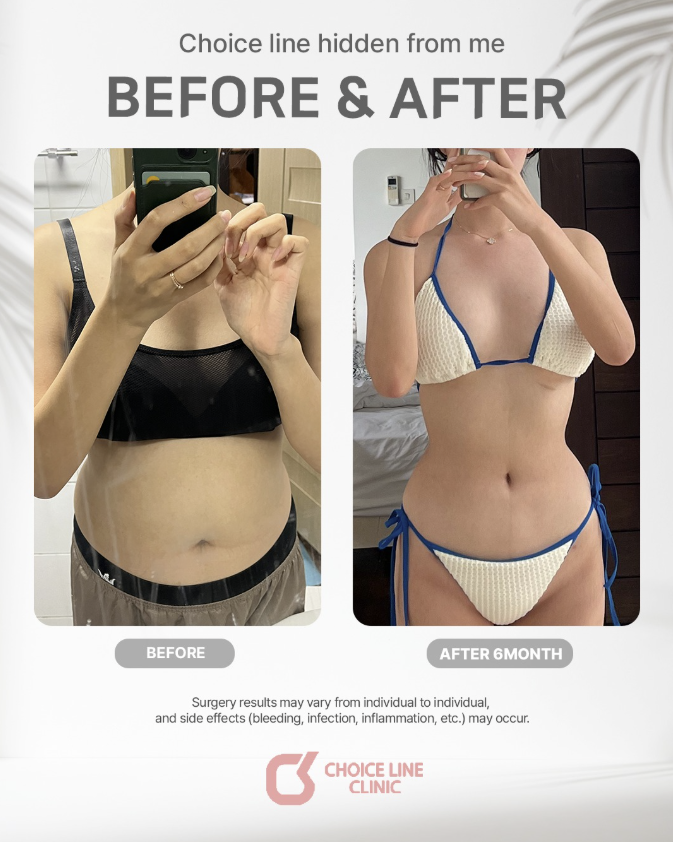
- Create stronger waist definition
- Improve hip contrast
- Reduce love handles
- Smooth side contours
- Make the torso appear slimmer
Even modest fat reduction can sometimes create a noticeable proportional change.
The Abdomen Should Be Viewed as Part of the Torso
Abdominal fat does not exist separately from the waist, back, and flanks.
Treatment may consider:
- Upper abdomen
- Lower abdomen
- Side waist
- Love handles
- Lower back
Treating connected areas may create smoother and more natural-looking results.
Lower-Body Proportions Also Matter
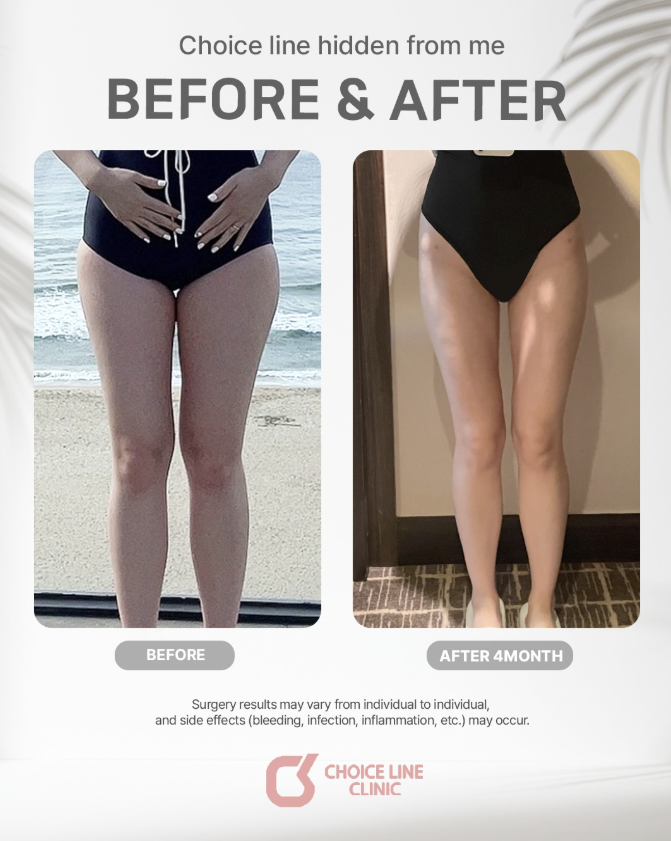
Thigh contouring is not simply about making the legs as thin as possible.
Treatment may focus on:
- Inner-thigh fullness
- Outer-thigh saddlebags
- Hip-to-thigh transitions
- Knee contours
- Overall leg balance
The goal is usually to create a smoother leg line that matches the patient’s natural frame.
Why Removing More Fat Is Not Always Better
Aggressive fat removal can sometimes create unnatural proportions or visible contour irregularities.
Balanced liposuction usually focuses on:
- Smooth transitions
- Preserving natural curves
- Avoiding hollow areas
- Maintaining symmetry
- Matching surrounding body areas
A smaller but strategically placed reduction may create a better overall shape.
Muscle and Bone Structure Affect the Result
Liposuction changes fat volume but cannot change the patient’s underlying skeletal or muscle structure.
Final proportions are influenced by:
- Rib cage width
- Pelvic width
- Shoulder structure
- Muscle development
- Leg alignment
- Natural body frame
These factors help determine what kind of contour is realistically achievable.
Skin Quality Is Part of Body Contouring
Skin elasticity affects how smoothly the body adapts after fat removal.
Important factors include:
- Age
- Genetics
- Weight history
- Pregnancy history
- Previous weight loss
- Existing skin laxity
Patients with good elasticity may achieve smoother contour adaptation after liposuction.
Can Body Contouring Make You Look Slimmer Without Major Weight Loss?
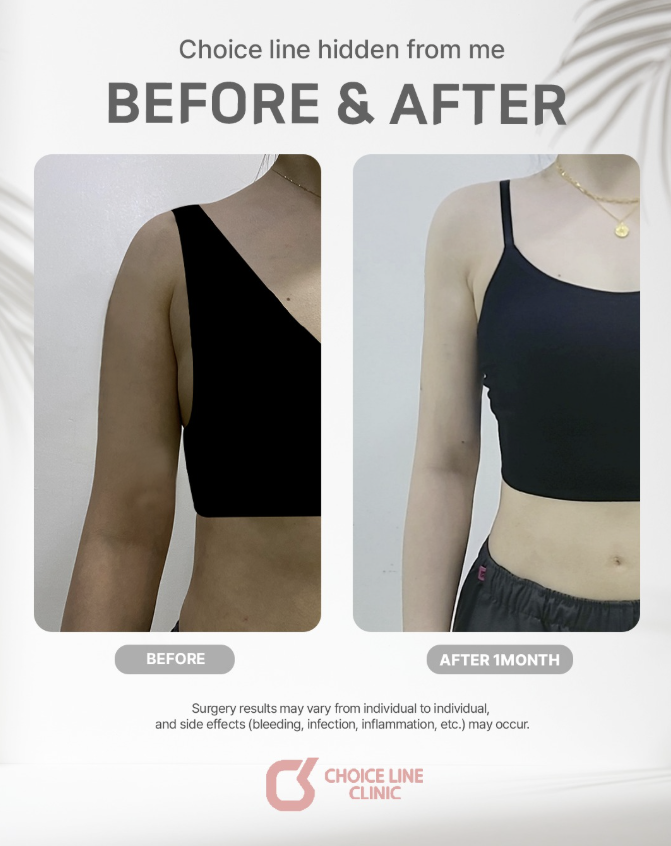
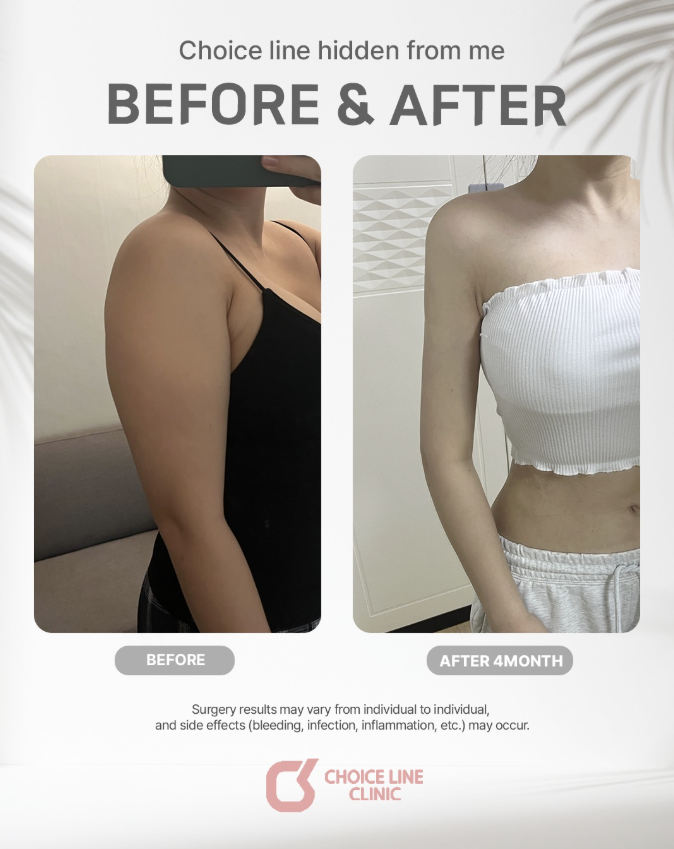
Yes. Liposuction may create a visibly slimmer appearance even when body weight changes only slightly.
This can happen through:
- Improved waist definition
- Reduced localized bulges
- Better torso balance
- Smoother thigh lines
- Improved body symmetry
Visual proportions often matter more than the total amount of weight removed.
Who Is a Good Candidate?
Body contouring is generally most suitable for patients who are already relatively close to a stable weight.
Good candidates often have:
- Localized stubborn fat
- Stable body weight
- Reasonable skin elasticity
- Good overall health
- Realistic expectations
The goal should be refinement rather than major weight reduction.
How Are Treatment Areas Chosen?
A personalized consultation usually evaluates the entire silhouette.
The surgeon may consider:
- Which areas appear disproportionately full
- Where natural curves should be preserved
- How nearby areas connect
- Existing asymmetry
- Overall front, side, and back proportions
This helps create a more coordinated treatment plan.
What Results Should You Expect?
Successful body contouring usually creates gradual and proportionate improvement.
Possible changes include:
- Better waist definition
- Smoother body lines
- More balanced upper and lower body proportions
- Reduced localized fullness
- A more refined silhouette
The best results usually enhance the patient’s existing body shape rather than completely changing it.
Final Thoughts
Korean body contouring often emphasizes shape, proportion, and silhouette balance more than weight alone. Liposuction can improve how the abdomen, waist, back, arms, thighs, and hips relate to one another without producing dramatic changes on the scale. For international patients considering body contouring in Korea, the most successful results usually come from personalized planning, conservative fat removal, realistic expectations, and a focus on natural body harmony.