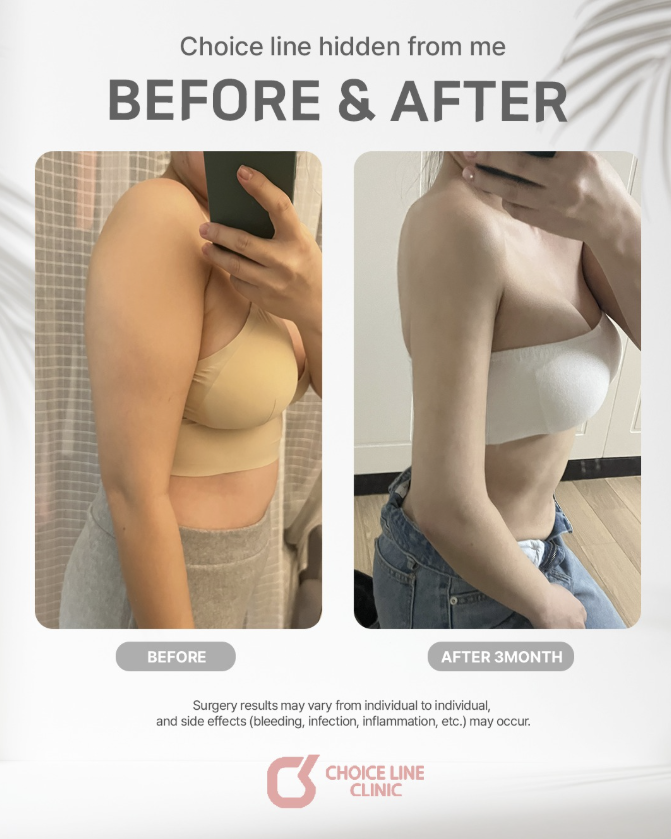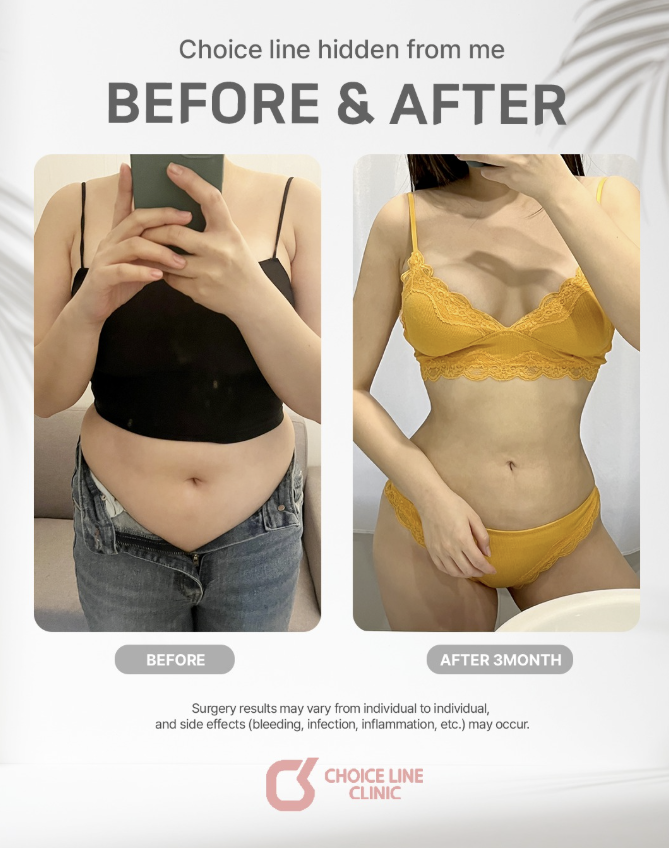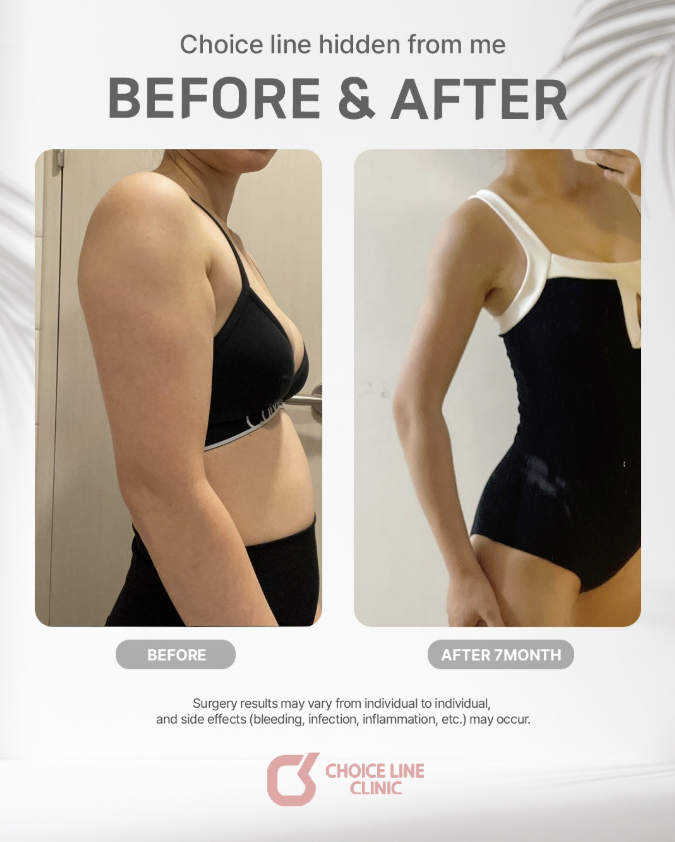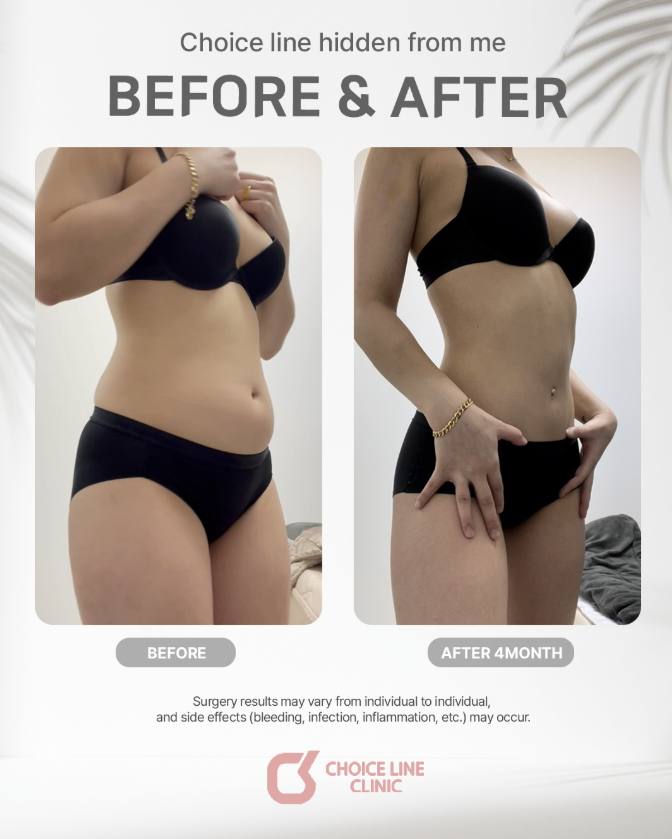




Liposuction in Korea for US Patients
Liposuction in Korea for US Patients
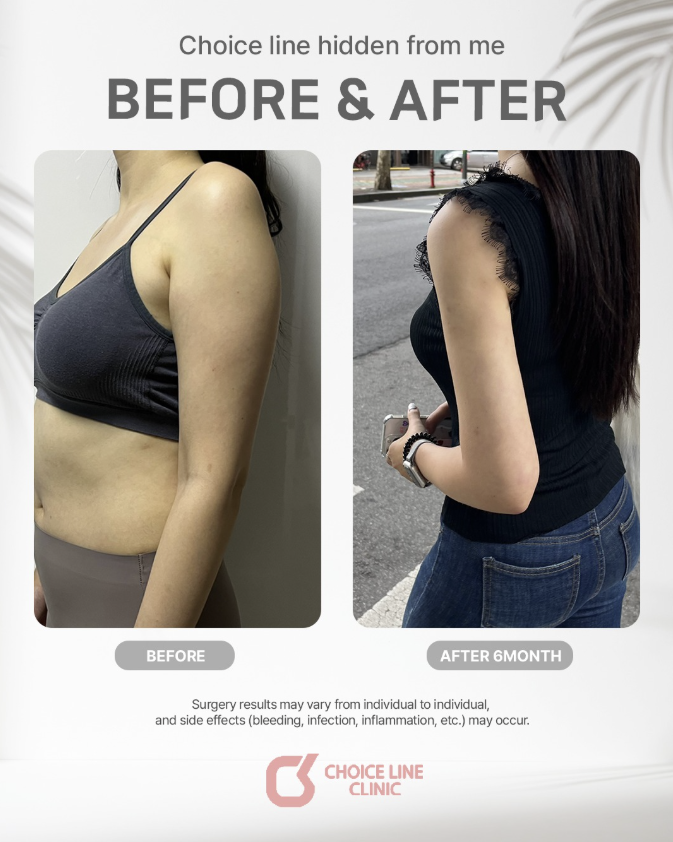
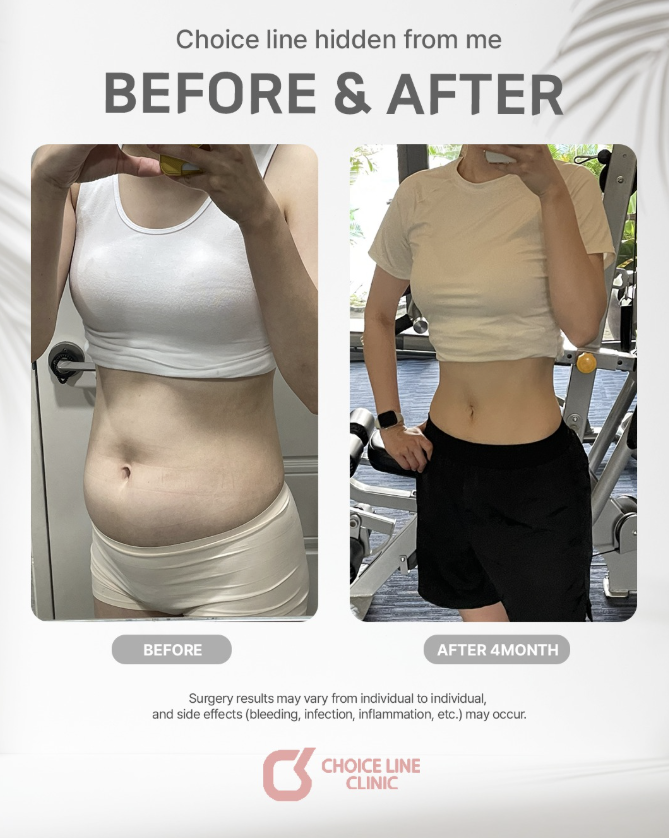
Liposuction in Korea has become increasingly popular among US patients seeking high-quality body contouring with advanced techniques and structured medical systems. In particular, Seoul—especially the Gangnam area—is known for its focus on precision sculpting, natural proportions, and detailed surgical planning. Compared to many Western countries, Korea is often seen as offering a more design-oriented approach to body contouring.
Why US Patients Travel to Korea for Liposuction
Many patients from the United States choose Korea not only for cost reasons, but also for surgical style and system efficiency.
Key reasons include:
- High level of specialization in body contouring
- Focus on natural, proportional results rather than overcorrection
- Advanced technologies like VASER and PAL
- Structured consultation and recovery systems
- Strong experience with international patients
Seoul has developed a reputation for “aesthetic precision” in body sculpting rather than just fat removal.
How the Consultation Process Works
Most clinics in Gangnam follow a structured system for international patients, including those from the US.
Typical process:
- Online consultation with photos and body goals
- Pre-arrival assessment and surgical planning
- In-person body mapping and surgeon consultation
- Procedure scheduling (often within a few days)
- Post-operative follow-ups during stay in Korea
English-speaking coordinators are commonly available to support communication throughout the process.
Common Liposuction Areas for US Patients
US patients typically request multi-area contouring rather than single-zone treatments.
Common areas include:
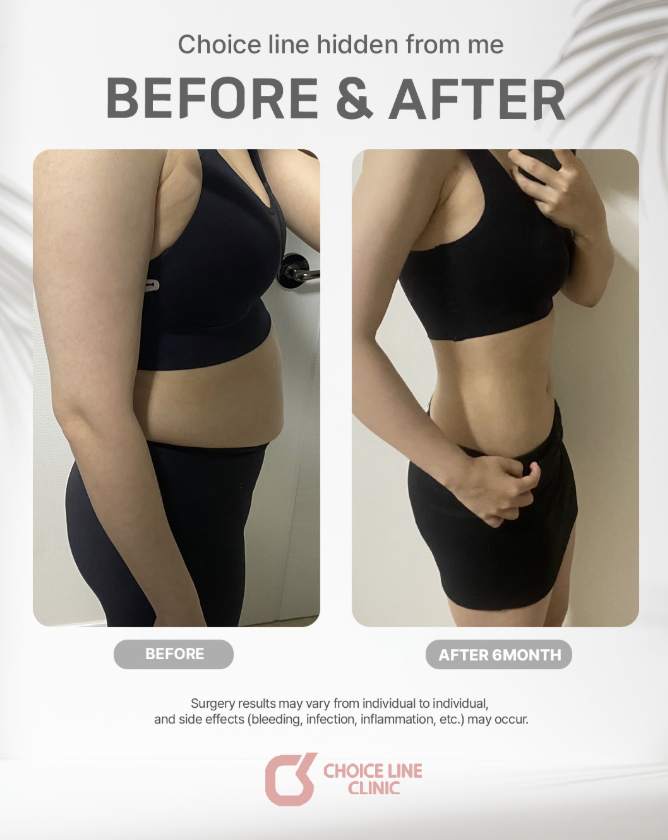
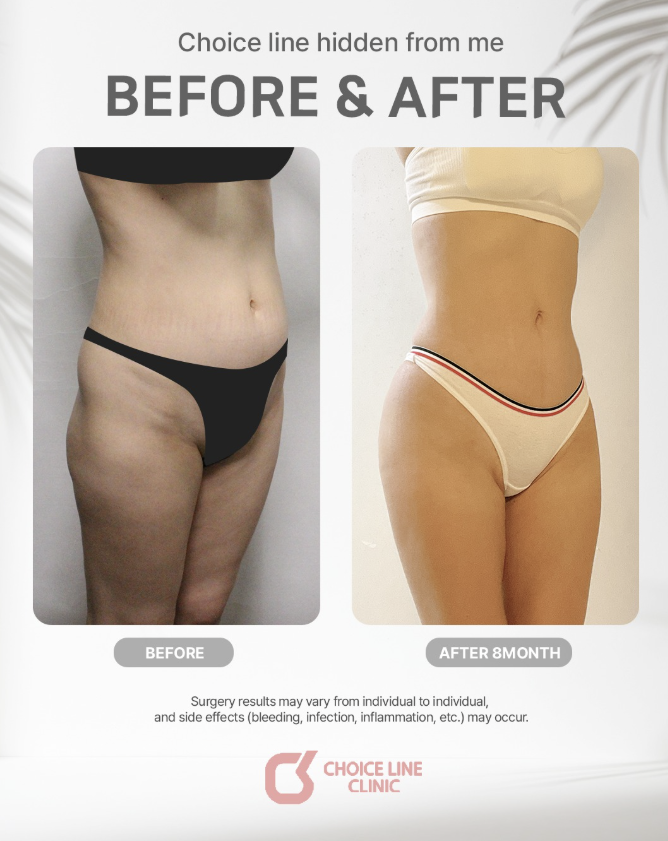
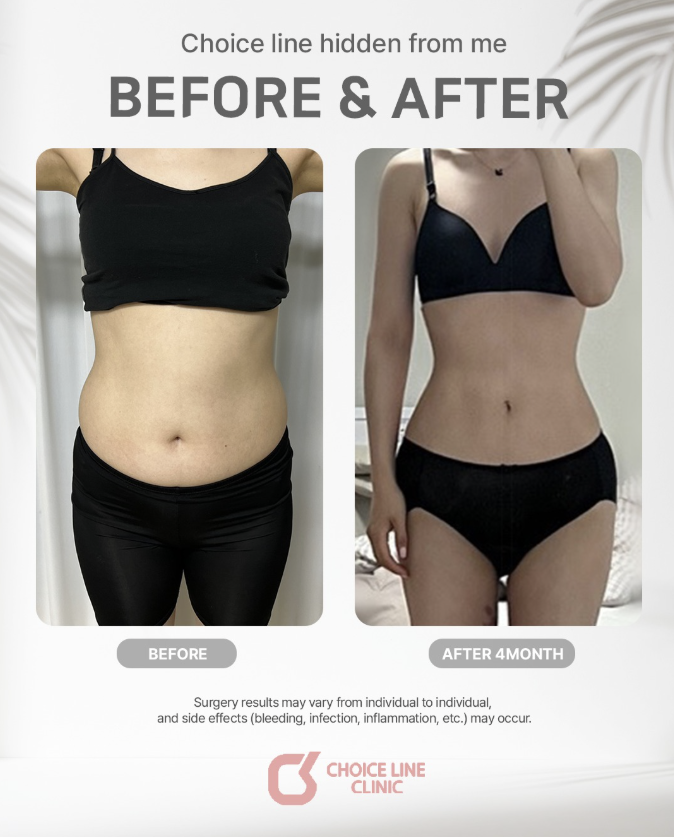
- Abdomen and waist
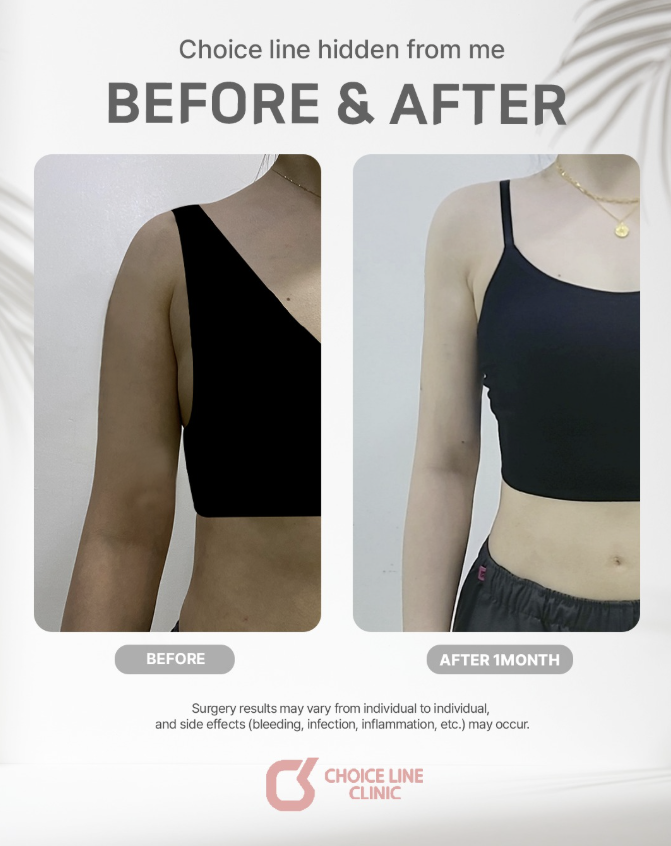
- Love handles and flanks
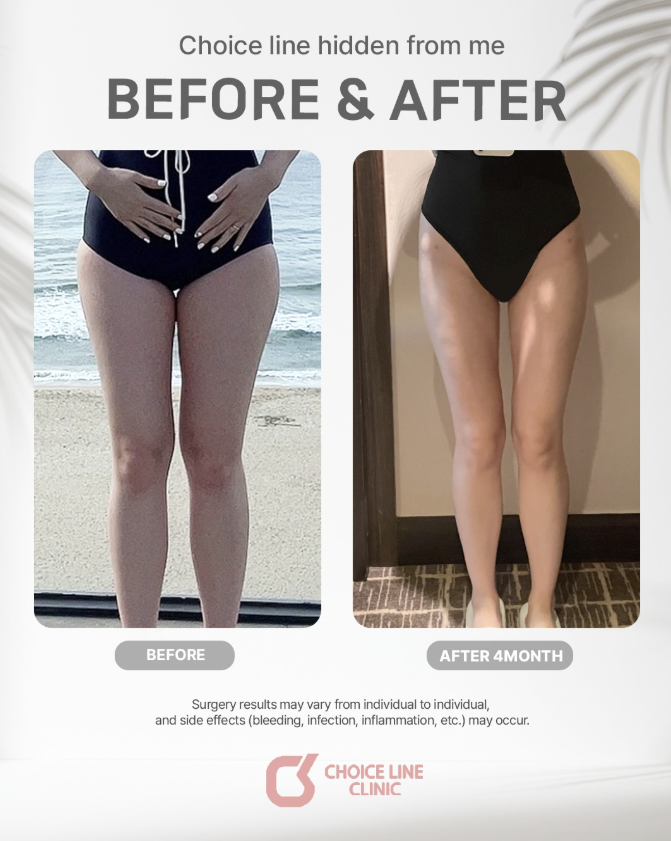
- Thighs (inner and outer)
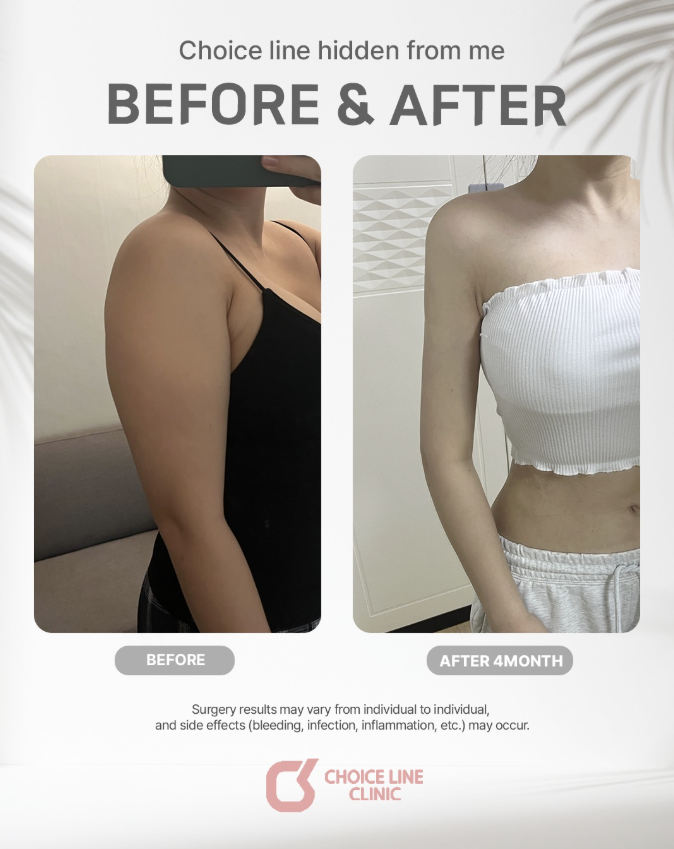
- Arms and back
- Chin and jawline
Many patients also opt for 360-degree body contouring plans for more balanced results.
Korean Approach vs US Approach
There are notable differences in surgical philosophy between Korea and the US.
Korea:
- Focus on proportion and silhouette design
- Layered fat removal for smooth transitions
- Emphasis on natural-looking results
- Detailed pre-surgical planning
United States:
- More variability in surgical style
- Strong focus on volume reduction in some cases
- Wider range of clinic approaches depending on region
- Less standardized contour design in some settings
Korean clinics often prioritize refinement over aggressive fat removal.
Recovery and Stay Duration in Korea
US patients typically need to plan sufficient time in Korea before returning home.
General timeline:
- 7–10 days: minimum stay for basic recovery and follow-up
- 10–14 days: recommended for multi-area liposuction
- 2+ weeks: ideal for full-body contouring cases
Key recovery considerations:
- Swelling management during early days
- Compression garment use
- Follow-up visits before long-haul flights
- Mobility and circulation care during recovery
Clinics often adjust discharge timing based on healing progress.
Cost Comparison for US Patients
Liposuction in Korea is often more affordable than in many major US cities, though pricing depends on complexity.
Typical ranges:
- Small-area liposuction: ₩2,000,000 – ₩5,000,000
- Multi-area liposuction: ₩5,000,000 – ₩12,000,000
- Full-body contouring: ₩8,000,000 – ₩18,000,000+
Even with travel expenses, many US patients consider Korea competitive due to technique and care structure.
Important Considerations Before Traveling
US patients should carefully plan their trip to ensure safe recovery.
Key points:
- Avoid long-haul flights too soon after surgery
- Plan accommodation near clinic areas
- Schedule follow-up appointments before departure
- Understand swelling timeline and recovery phases
- Choose procedures aligned with realistic goals
Proper planning is essential for both safety and results.
Final Thoughts
Liposuction in Korea offers US patients a combination of advanced surgical techniques, structured medical systems, and a strong focus on natural body proportions. In Gangnam clinics, the emphasis is often on precision contouring rather than aggressive fat removal, which appeals to patients seeking refined and balanced results. Ultimately, the most successful outcomes depend on careful consultation, realistic expectations, and selecting a treatment plan that matches individual body goals and recovery capacity.