



Liposuction Myths That Korean Surgeons Hear Every Day
Liposuction Myths That Korean Surgeons Hear Every Day
Liposuction has become one of the most popular cosmetic procedures in Korea, especially among patients seeking slimmer body lines and refined contours. However, despite the growing popularity of body contouring treatments, many misconceptions about liposuction still exist. Korean surgeons often hear the same myths repeatedly during consultations, particularly from first-time patients and international visitors. Understanding what liposuction can — and cannot — realistically achieve is important for setting safe and realistic expectations.
Myth 1: Liposuction Is a Weight Loss Surgery
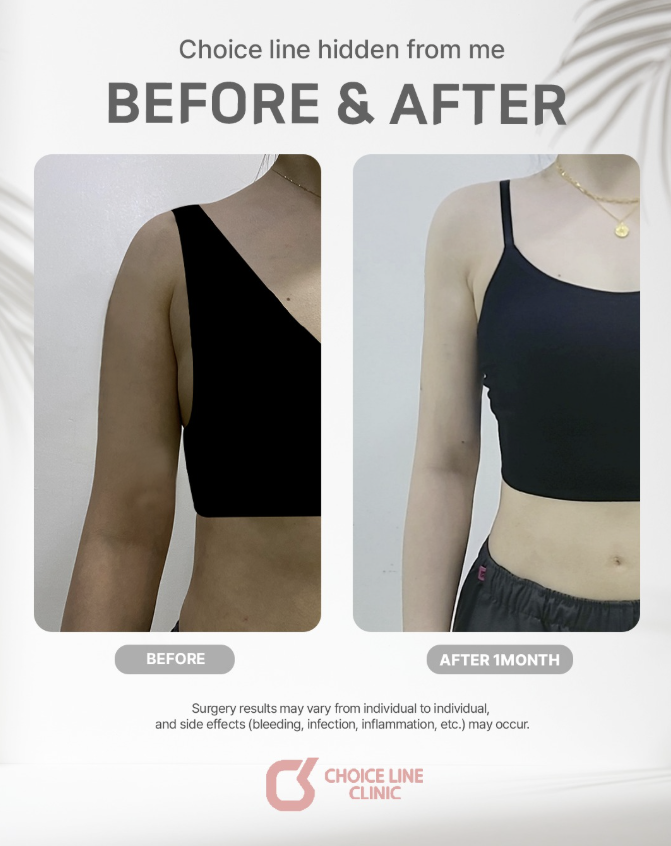
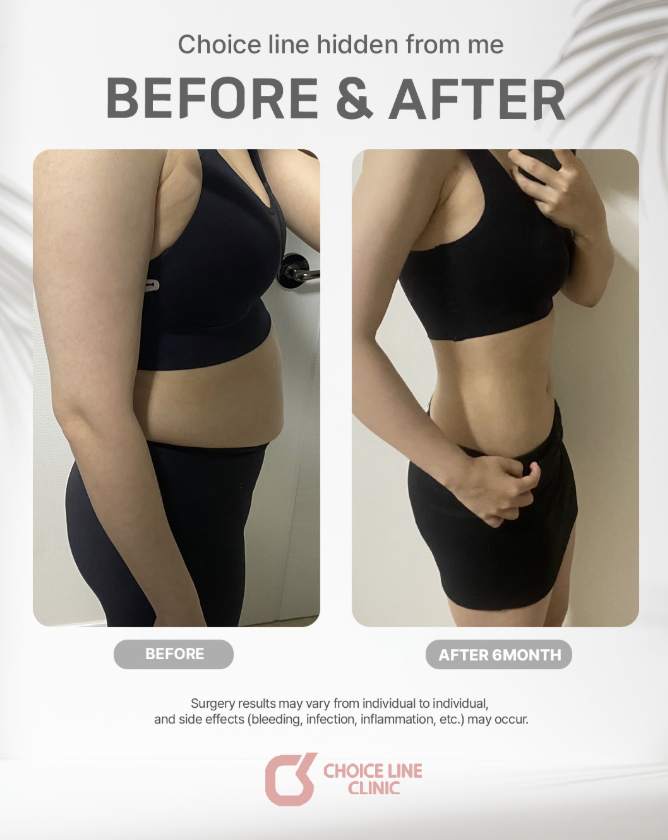
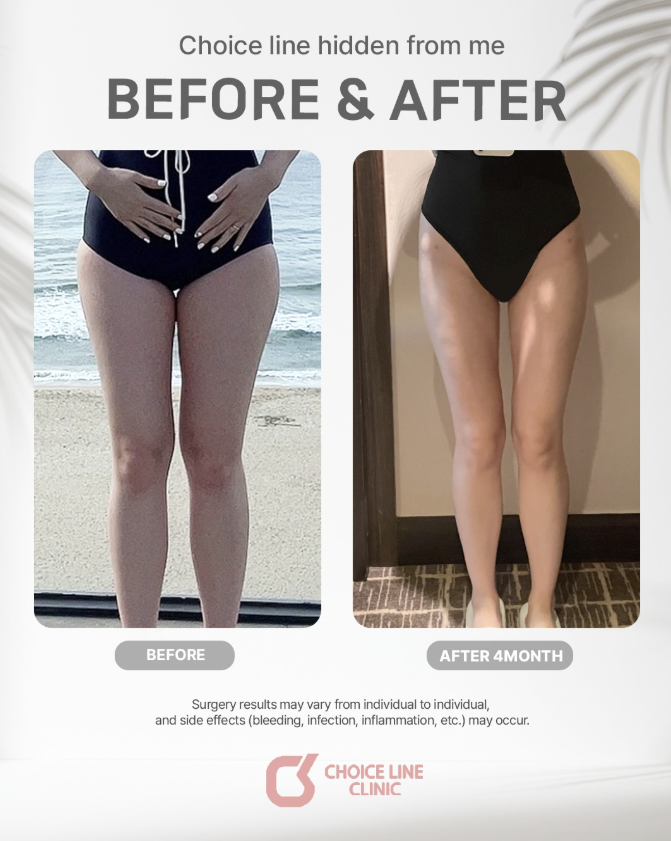
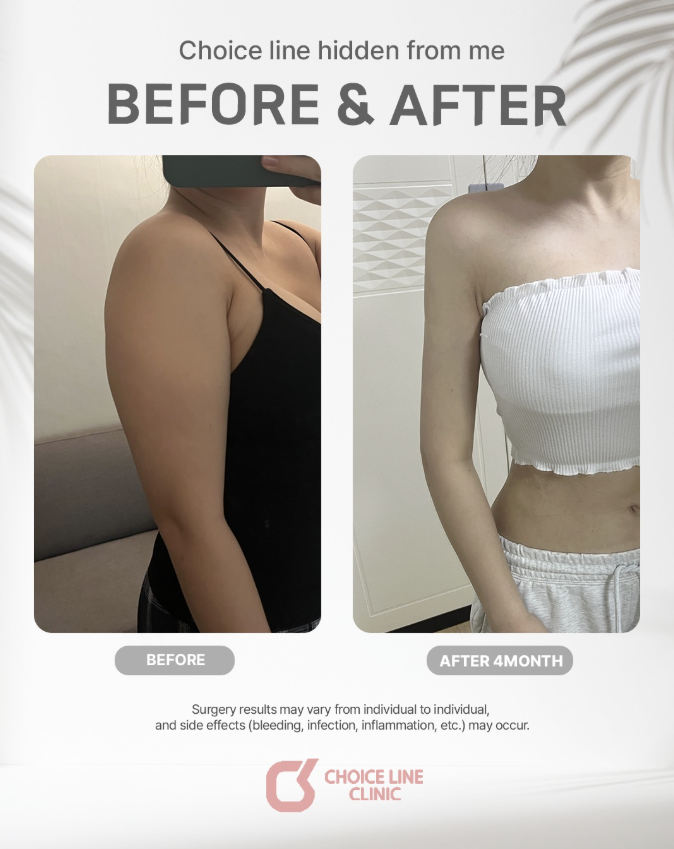
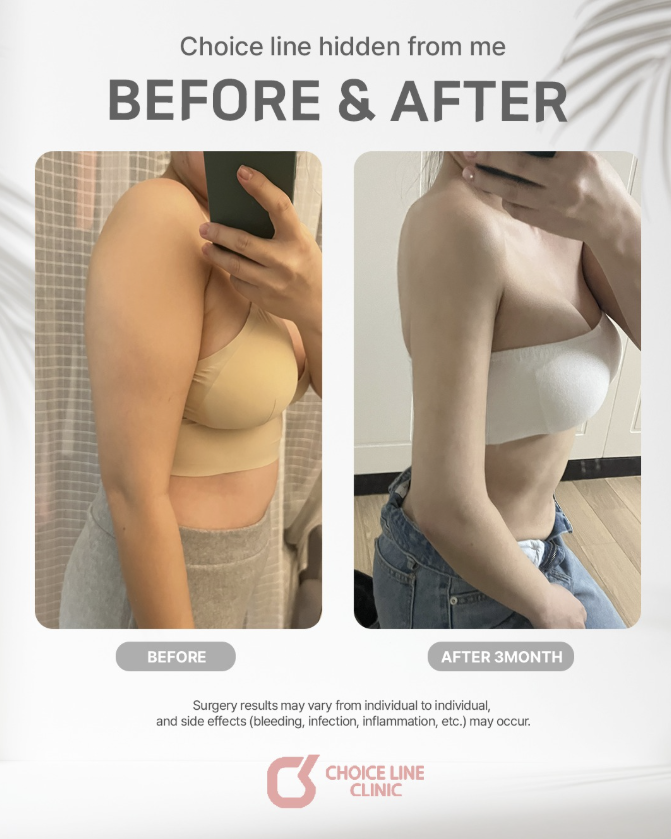
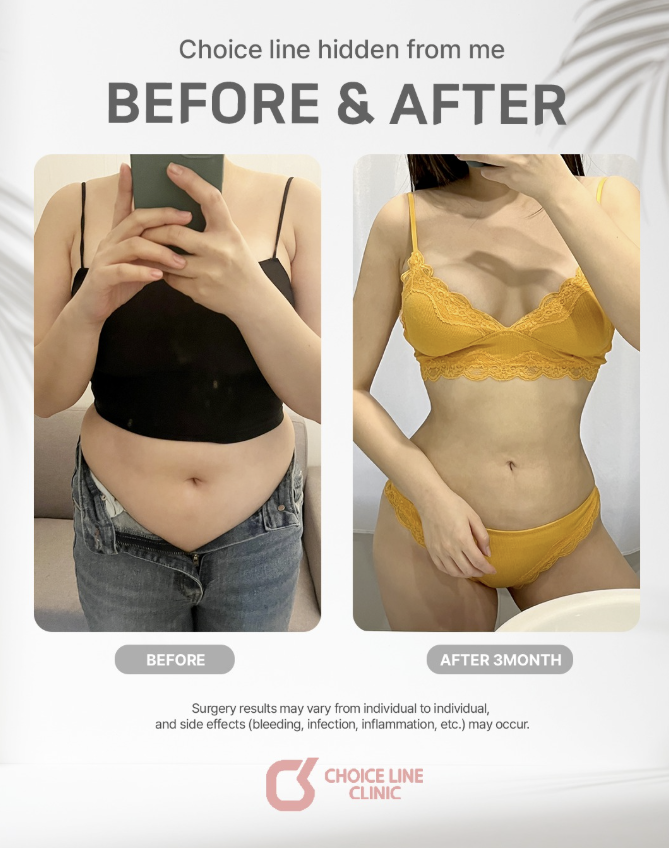
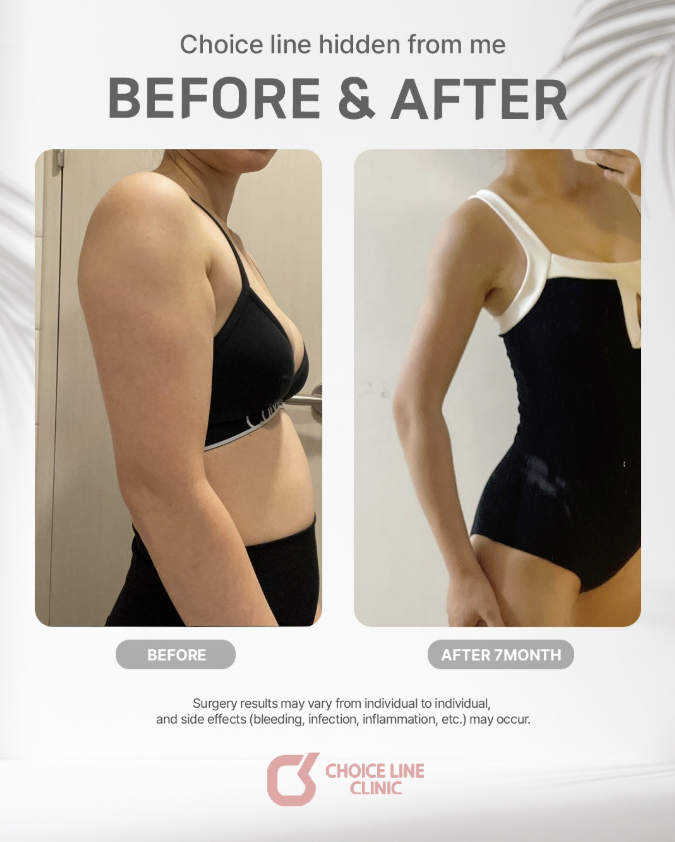
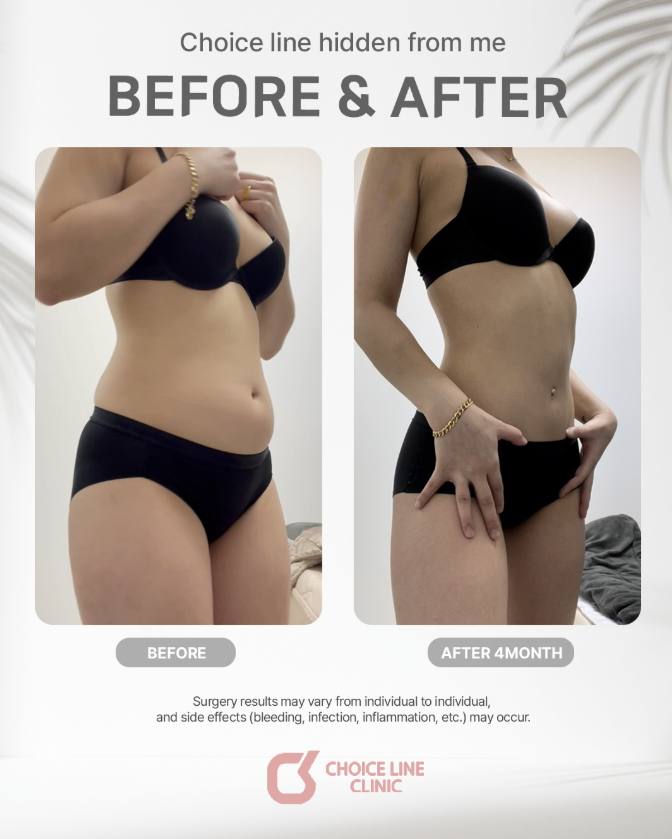
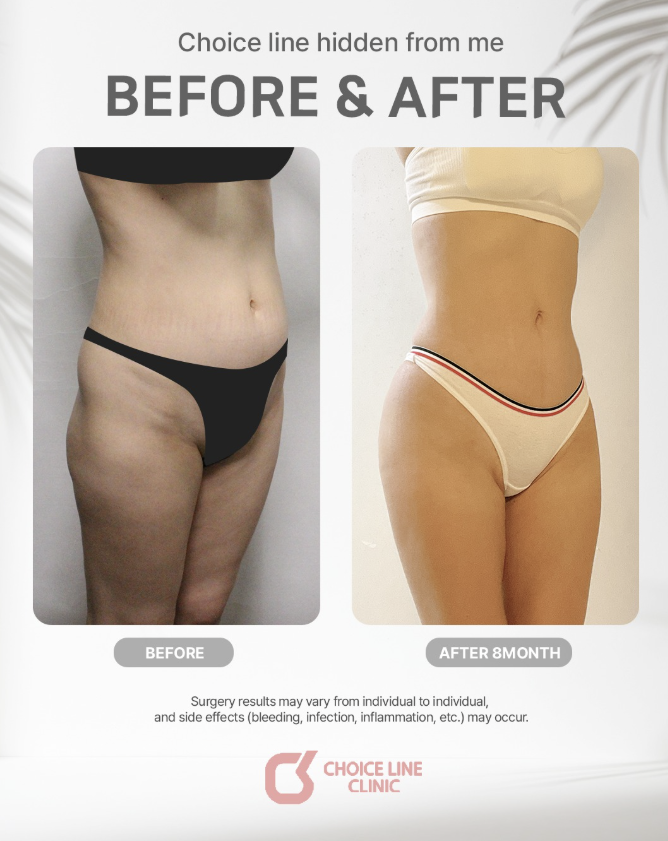
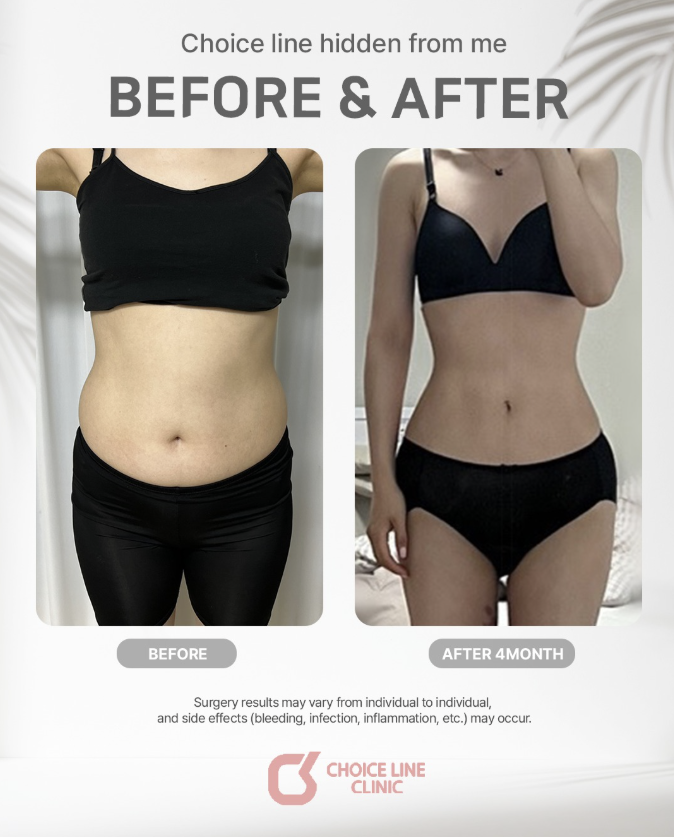
One of the most common misunderstandings is that liposuction is designed for major weight loss. In reality, liposuction is primarily a body contouring procedure used to target stubborn fat deposits.
Liposuction is generally intended for:
- Waistline refinement
- Body proportion improvement
- Contour balancing
- Localized fat reduction
- Slimmer body shaping
Most surgeons explain that the number on the scale may not change dramatically after surgery.
Myth 2: More Fat Removed Means Better Results
Many patients assume that removing the maximum amount of fat automatically creates the best outcome. Korean surgeons often disagree with this approach because over-removal can negatively affect body balance and skin smoothness.
Excessive fat removal may lead to:
- Uneven contours
- Loose skin appearance
- Hollow-looking areas
- Longer recovery
- Surface irregularities
Many Korean clinics instead focus on natural-looking proportions and smooth transitions between treated areas.
Myth 3: Liposuction Prevents Future Weight Gain
A common misconception is that fat can never return after liposuction. While removed fat cells do not regenerate in the exact same way, the body can still gain fat if lifestyle habits change significantly.
Long-term maintenance still depends on:
- Healthy eating habits
- Exercise routines
- Stable body weight
- Consistent lifestyle management
Liposuction is usually considered a contouring tool rather than a permanent replacement for healthy living.
Myth 4: Recovery Is Instant
Social media often creates the impression that patients recover immediately after surgery. In reality, swelling and bruising are normal parts of the healing process.
Common recovery experiences include:
- Temporary swelling
- Bruising
- Compression garment use
- Mild soreness
- Gradual contour improvement
Final results may take several months to fully appear as swelling decreases.
Myth 5: Liposuction Tightens Loose Skin Automatically
Another frequent misunderstanding is that liposuction alone can tighten sagging skin. Fat removal and skin tightening are separate concerns, although some technologies may help improve mild laxity.
Patients with reduced skin elasticity may require:
- Radiofrequency tightening
- Skin lifting procedures
- Combination contouring treatments
- Additional tightening therapies
Korean clinics often evaluate skin condition carefully before recommending surgery.
Myth 6: Thin People Do Not Need Liposuction
Many people believe liposuction is only for overweight individuals. In reality, some slimmer patients seek contouring for stubborn fat areas that resist exercise and dieting.
Common concerns among slimmer patients include:
- Lower abdominal fat
- Double chin
- Inner thighs
- Arm fullness
- Love handles
Body contouring can sometimes improve proportions even without significant weight issues.
Myth 7: Liposuction Leaves Huge Scars
Modern liposuction techniques typically use very small incisions placed in less visible areas whenever possible. While scarring can vary by patient, many Korean clinics prioritize minimal visible marks.
Scar management may involve:
- Small incision placement
- Scar care treatments
- Post-operative monitoring
- Skin recovery programs
Over time, scars often become less noticeable.
Myth 8: Technology Alone Guarantees Great Results
Patients are often heavily influenced by advertisements for laser liposuction, ultrasound systems, or high-definition contouring devices. While technology can improve precision, surgeons frequently emphasize that experience and contour planning matter more.
Important factors include:
- Surgical technique
- Body proportion understanding
- Conservative contour balance
- Recovery management
- Skin handling skill
Technology supports results but does not replace surgical expertise.
Myth 9: Liposuction Can Completely Change Body Structure
Liposuction can improve contours, but it cannot completely alter bone structure, muscle anatomy, or natural body proportions.
Results are influenced by:
- Genetics
- Skin elasticity
- Existing body shape
- Healing response
- Lifestyle habits
Realistic expectations are often one of the biggest factors in patient satisfaction.
Final Thoughts
Korean surgeons hear many liposuction myths every day, especially misconceptions related to weight loss, recovery, and dramatic transformation. In reality, modern liposuction is usually focused on balanced body contouring, proportion refinement, and natural-looking results rather than extreme fat removal. Understanding these common myths can help patients approach body contouring procedures with safer expectations and a more realistic understanding of what liposuction can truly achieve.