



Liposuction Recovery Week by Week: What to Expect
Liposuction Recovery Week by Week: What to Expect
Liposuction recovery happens gradually, and the body can continue changing for several months after surgery. Swelling, bruising, tightness, and temporary firmness are common during early healing, while the final contour becomes clearer over time. Understanding the typical week-by-week recovery process can help patients know what is normal and avoid judging their results too early.
The First 24–48 Hours
The first couple of days are usually the most uncomfortable.
Patients may experience:
- Noticeable swelling
- Bruising
- Tenderness
- Tightness
- Temporary numbness
- Fluid drainage from small incisions
Short, gentle walking is often encouraged when medically appropriate, while most other activity should remain limited.
Week 1: Early Recovery
During the first week, swelling and bruising are usually still noticeable.
Patients may:
- Wear compression garments
- Take short walks
- Rest frequently
- Avoid heavy lifting
- Attend early follow-up appointments
The treated area may look uneven or larger than expected because of swelling.
Week 2: Gradual Improvement
By the second week, many patients begin feeling more comfortable with normal daily activities.
Common changes include:
- Less bruising
- Reduced tenderness
- Improved mobility
- Gradually decreasing swelling
- Continued firmness beneath the skin
Some patients with desk-based jobs may return to work around this stage, depending on the extent of surgery.
Weeks 3–4: More Visible Contour Changes
During weeks three and four, the body contour often begins to look more recognizable.
Patients may notice:
- Reduced swelling
- Better definition
- Softer treated tissues
- Improved comfort
- Easier movement
Compression garments may still be recommended depending on the surgeon’s protocol.
Can You Exercise After One Month?
Many patients can begin gradually increasing physical activity after several weeks if healing is progressing normally.
Activity may include:
- Longer walks
- Light cardio
- Gentle strength training
- Gradual return to normal exercise
High-impact or strenuous exercise should only resume when medically appropriate.
Months 1–2: Contours Become Clearer
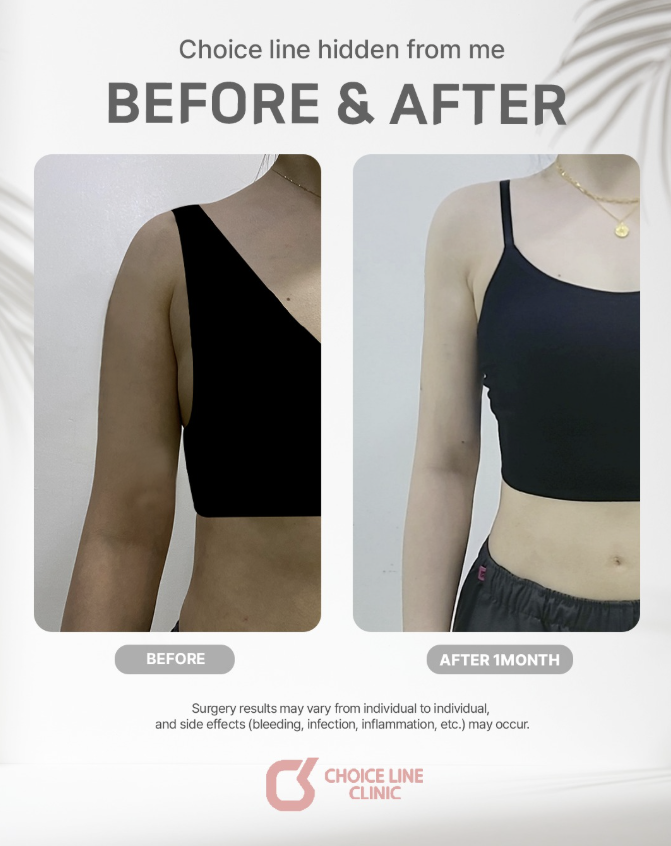
By the first or second month, much of the early swelling has usually improved.
Patients may notice:
- Slimmer treated areas
- Better waist or body definition
- Reduced firmness
- Smoother contour transitions
- More natural-looking proportions
Minor swelling may still fluctuate from day to day.
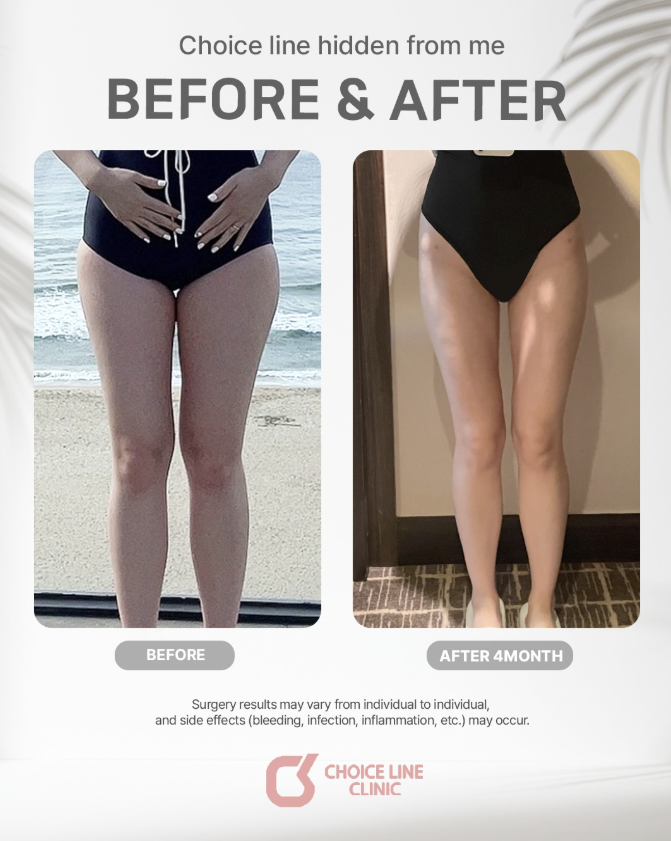
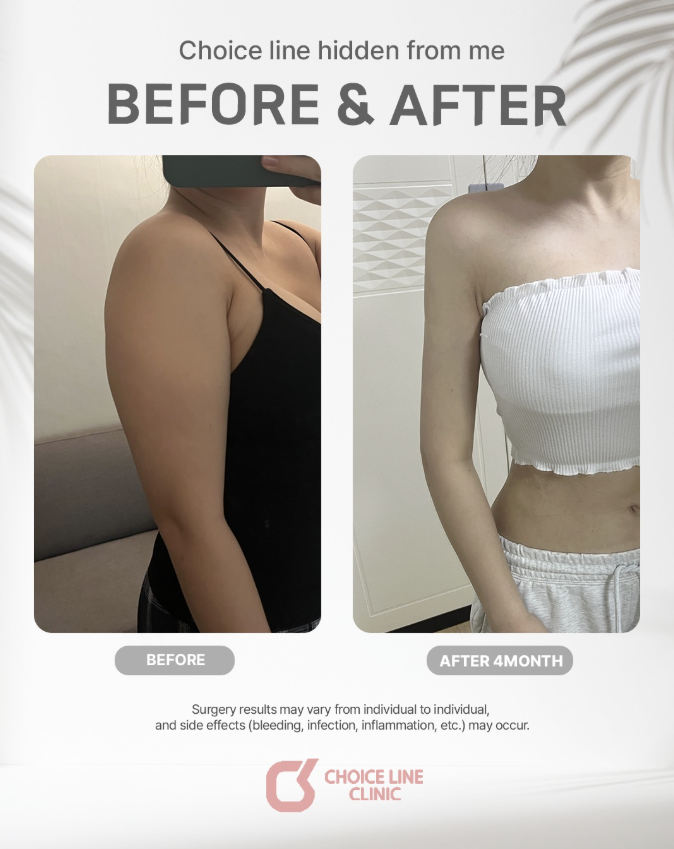
Months 2–3: Continued Refinement
During this stage, the body continues settling into its new shape.
Changes may include:
- Further reduction in swelling
- Softer tissues
- Better symmetry
- Improved skin adaptation
- More visible final contours
Patients should continue maintaining a stable weight during this period.
Months 3–6: Approaching the Final Result
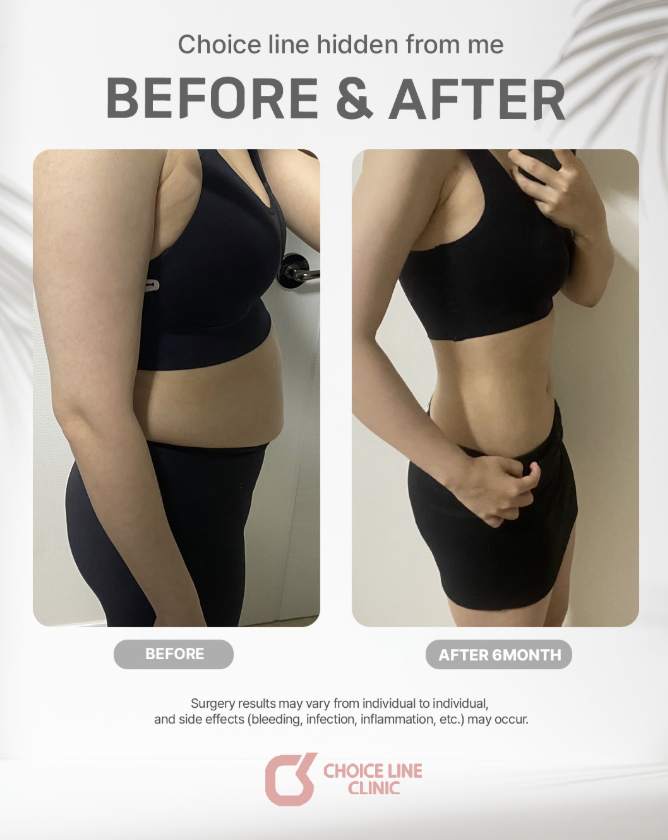
For many patients, the results become much more stable during the following months.
The treated areas may show:
- More consistent definition
- Reduced residual swelling
- Smoother skin transitions
- Improved overall proportions
Some patients, especially those who had extensive liposuction, may continue seeing subtle changes beyond this stage.
Does Recovery Differ by Treatment Area?
Yes. Recovery can vary depending on where liposuction was performed.
For example:
- Chin liposuction may recover relatively quickly
- Arm liposuction may temporarily limit upper-body movement
- Abdomen liposuction may affect bending and sitting
- Thigh liposuction may make walking uncomfortable
- Full-body liposuction usually involves a longer recovery
The number of areas treated also affects the overall recovery experience.
How Long Does Swelling Last?
Swelling usually decreases gradually rather than disappearing suddenly.
A general pattern may include:
- Significant swelling during the first week
- Noticeable improvement during weeks 2–4
- Continued reduction during months 1–3
- Minor residual swelling for several months
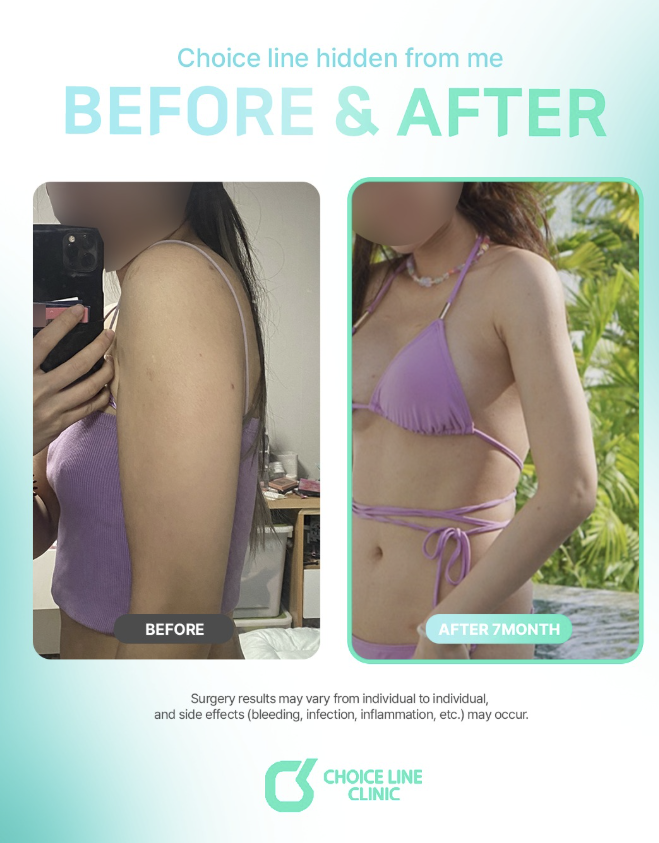
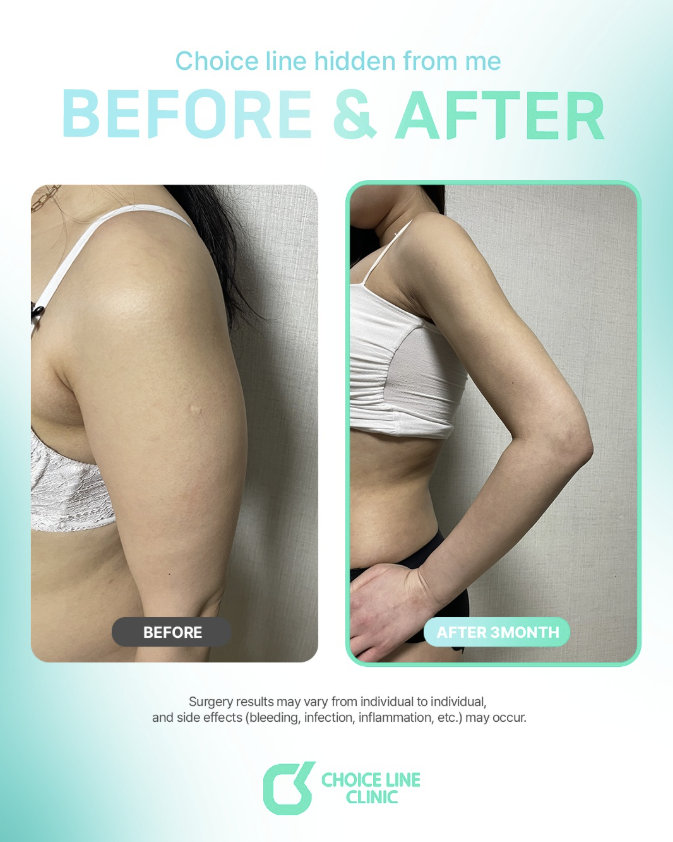
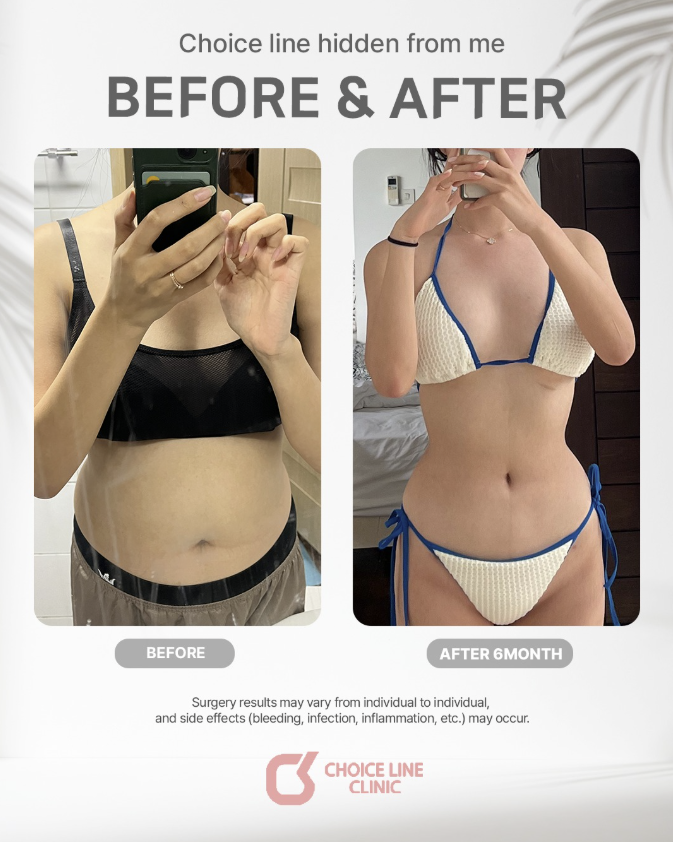
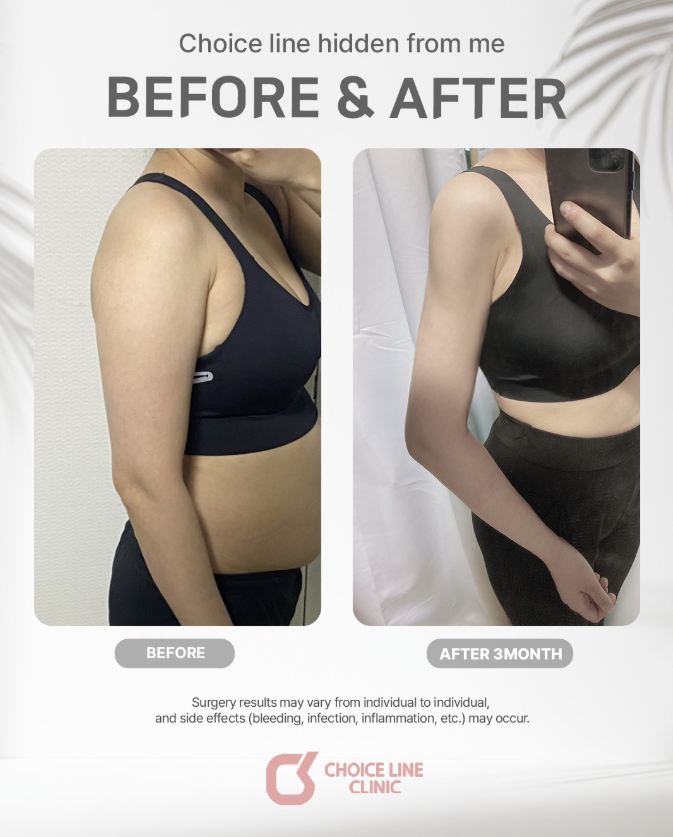
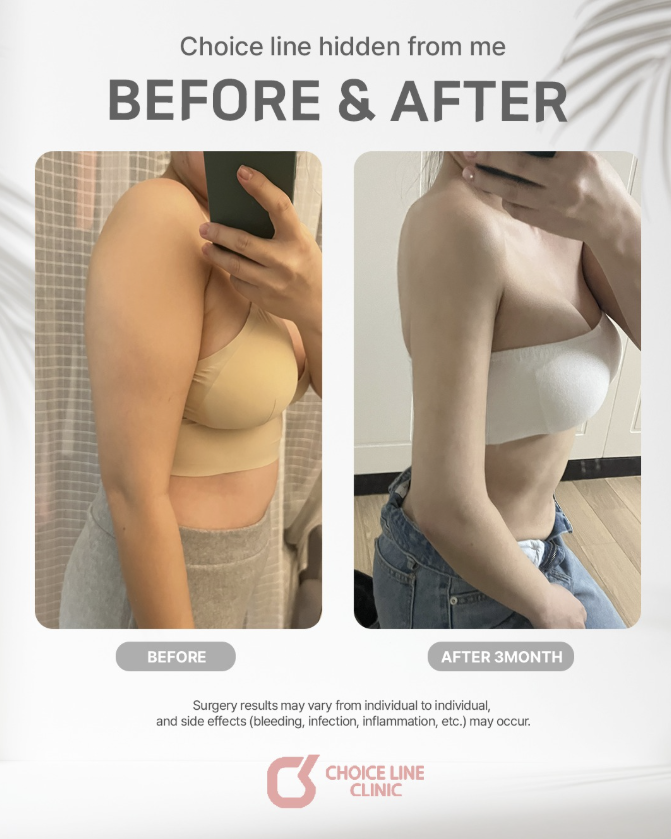
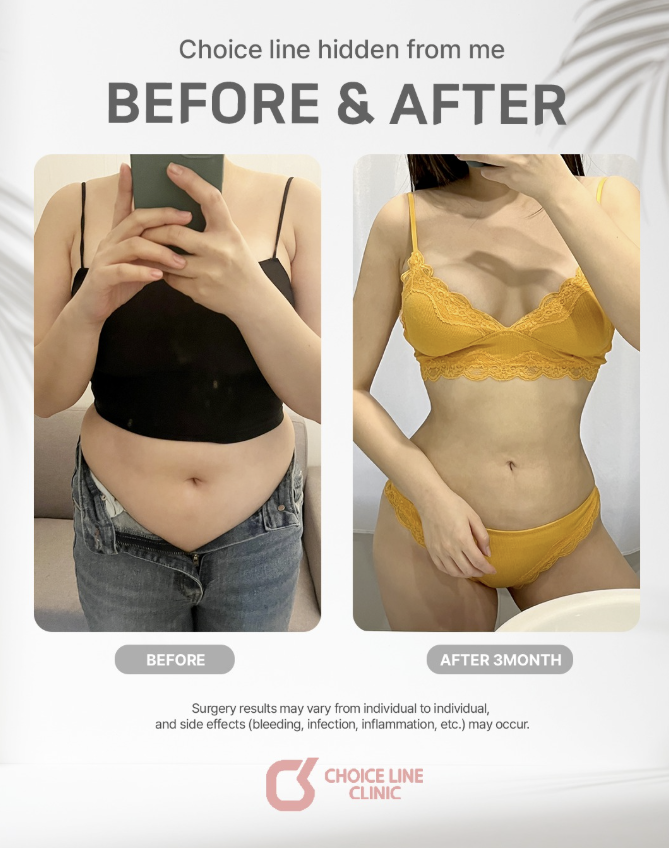
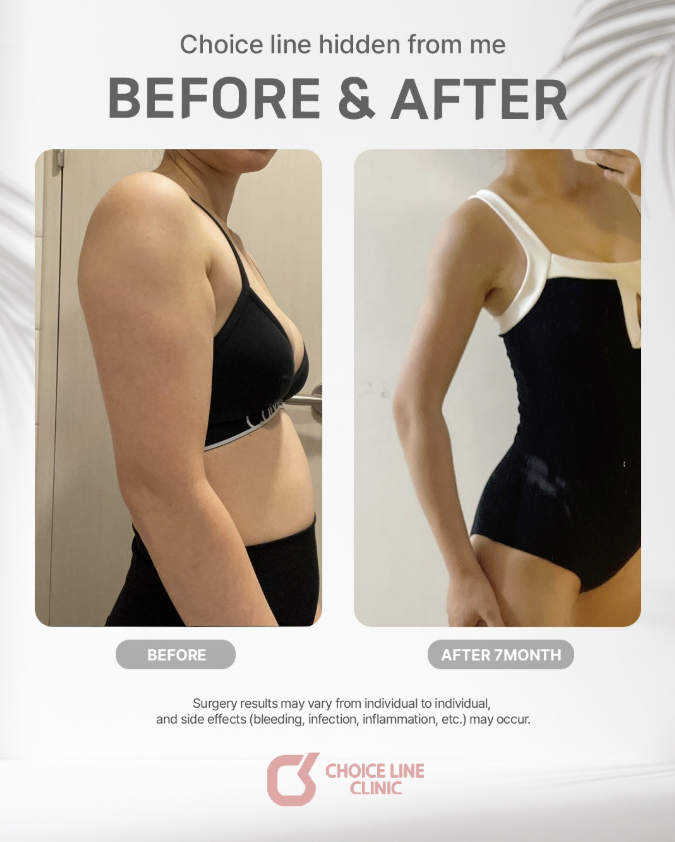
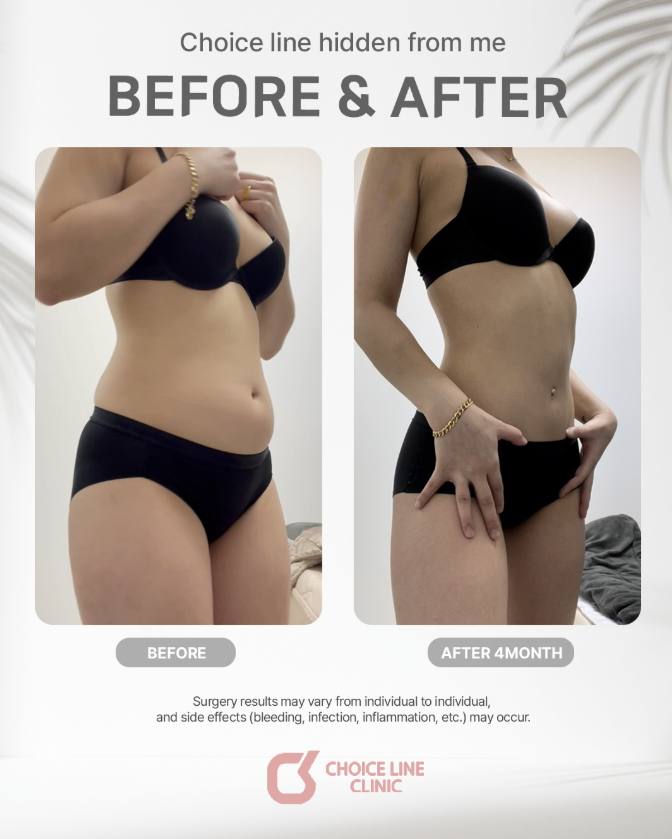
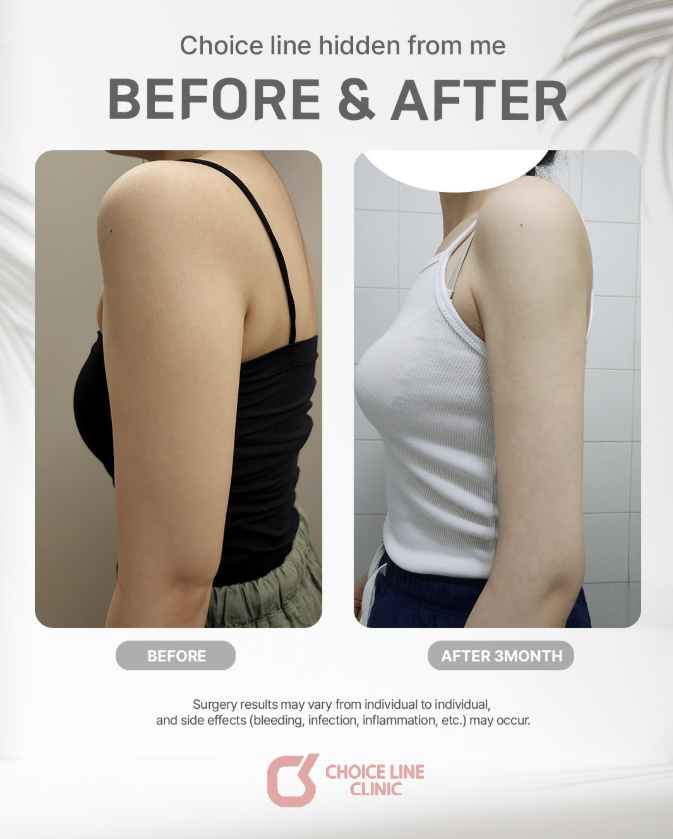
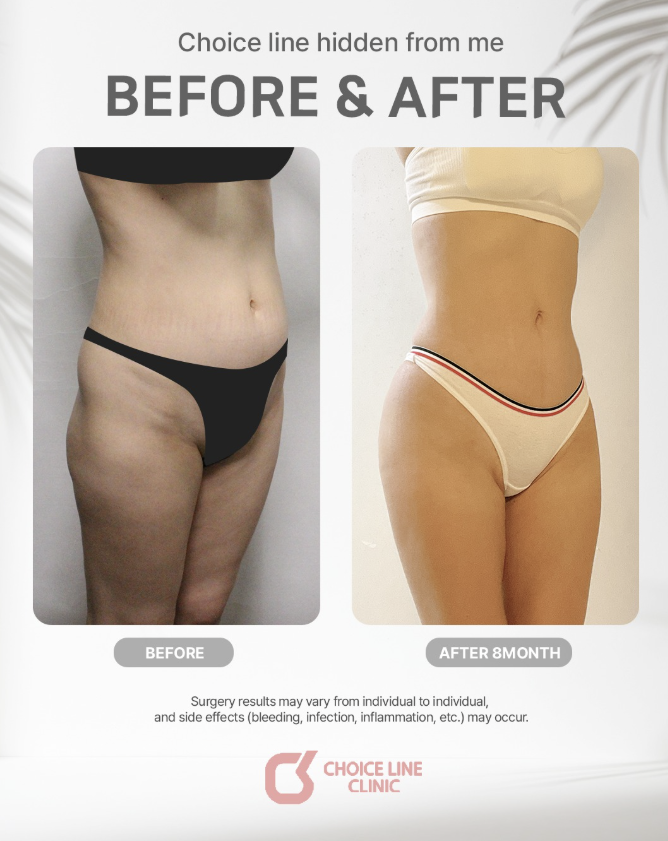
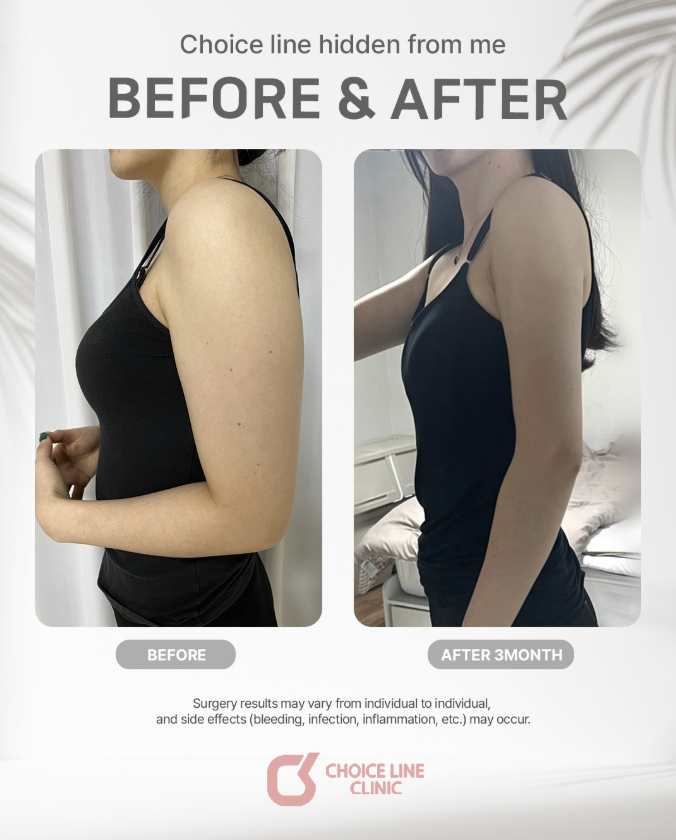
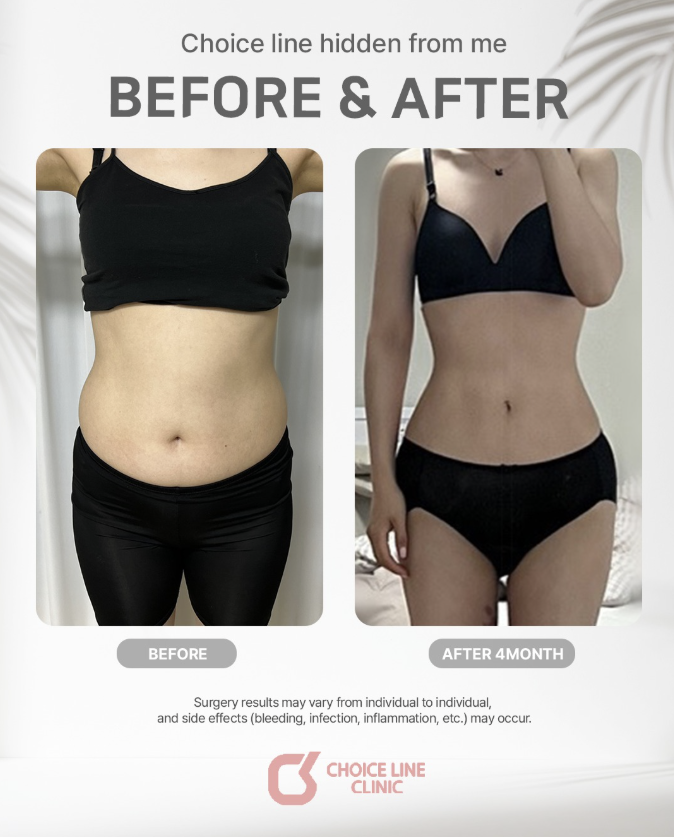
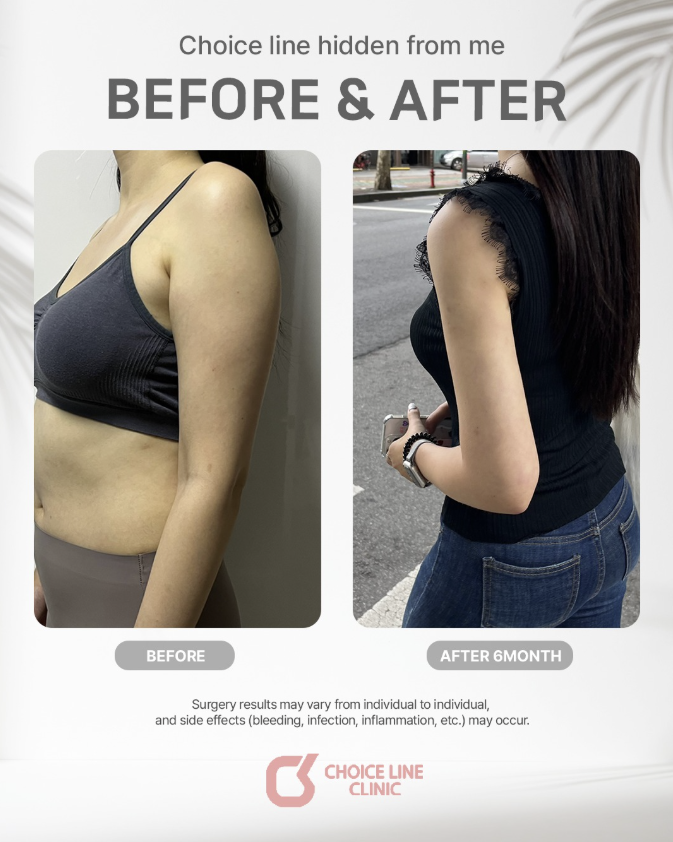
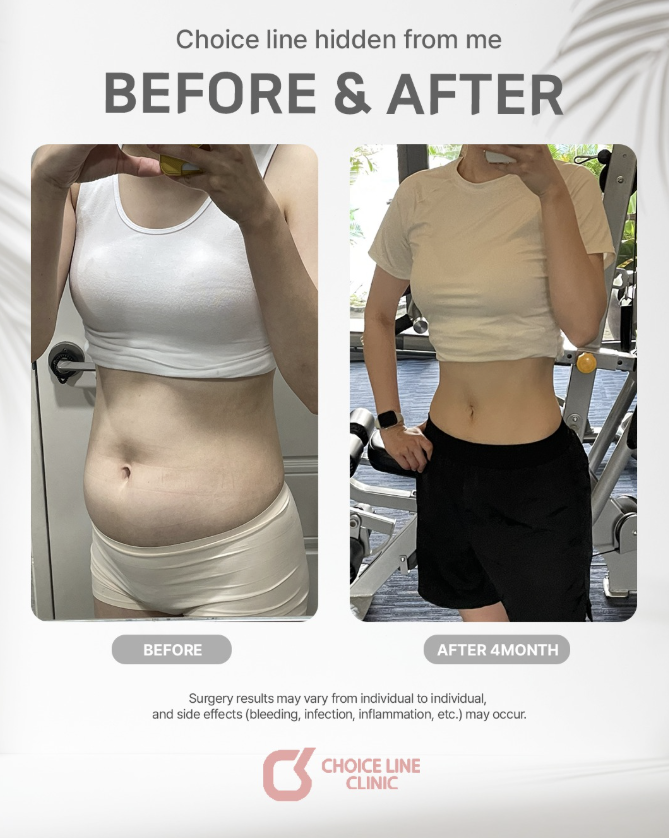
This is why early before-and-after comparisons may not show the final result.
What Helps Support Recovery?
Following postoperative instructions carefully can make recovery more manageable.
Common recommendations may include:
- Wearing compression garments
- Taking short walks
- Staying hydrated
- Eating balanced meals
- Avoiding strenuous activity
- Attending follow-up appointments
Individual instructions from the treating surgeon should always take priority.
When Should You Contact Your Surgeon?
Some discomfort is expected, but unusual symptoms should be evaluated.
Patients should contact their medical team if they experience:
- Sudden severe swelling
- Increasing redness
- Severe or worsening pain
- Fever
- Significant one-sided swelling
- Shortness of breath
These symptoms should not simply be considered part of normal healing.
Final Thoughts
Liposuction recovery usually improves significantly over the first few weeks, while swelling and contour refinement can continue for several months. The first week is typically focused on rest and swelling management, followed by gradual return to work, exercise, and normal activity as healing progresses. Patients who understand that results develop slowly and follow their postoperative instructions are better prepared for a smoother and more realistic recovery experience.