



Liposuction vs Diet: What Fat Removal Can Actually Do
Liposuction vs Diet: What Fat Removal Can Actually Do
Many people compare liposuction and dieting when trying to achieve a slimmer body shape, but the two approaches work very differently. Diet and exercise primarily reduce overall body weight, while liposuction focuses on removing localized fat deposits that may not respond easily to lifestyle changes. Understanding the difference between general weight loss and body contouring is important for anyone considering cosmetic fat removal procedures.
How Diet Affects Body Fat
Dieting works by creating a calorie deficit, causing the body to burn stored fat for energy. This process can reduce fat throughout the body over time and improve overall health.
Benefits of dieting may include:
- Overall weight reduction
- Improved cardiovascular health
- Better blood sugar balance
- Reduced body fat percentage
- Long-term health improvements
However, dieting cannot control exactly where fat disappears first. Some stubborn areas may remain even after significant weight loss.
What Liposuction Actually Removes
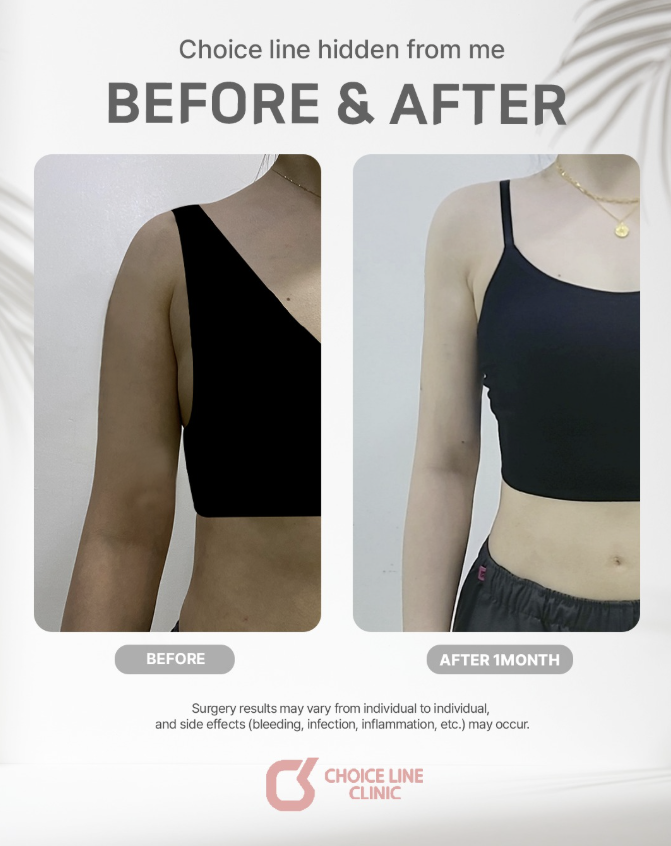
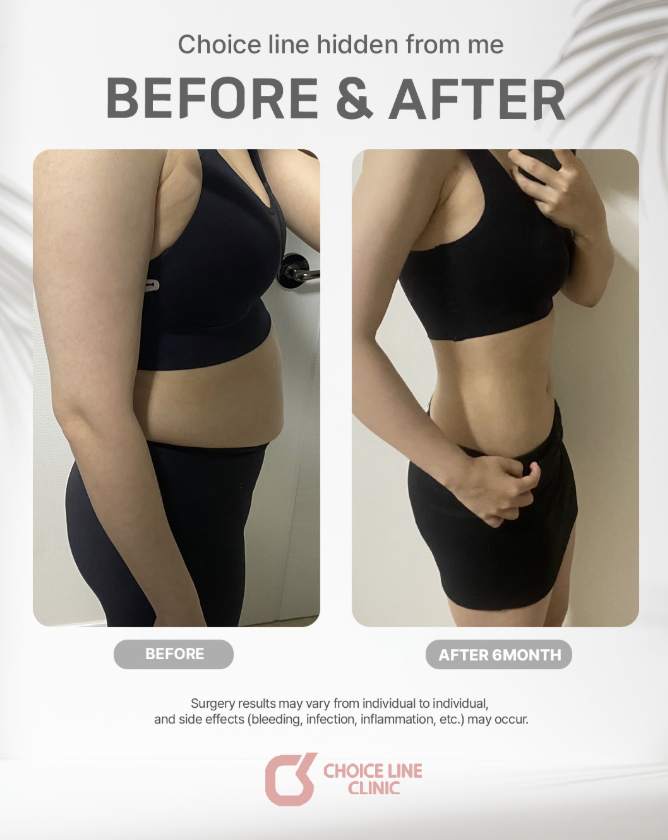
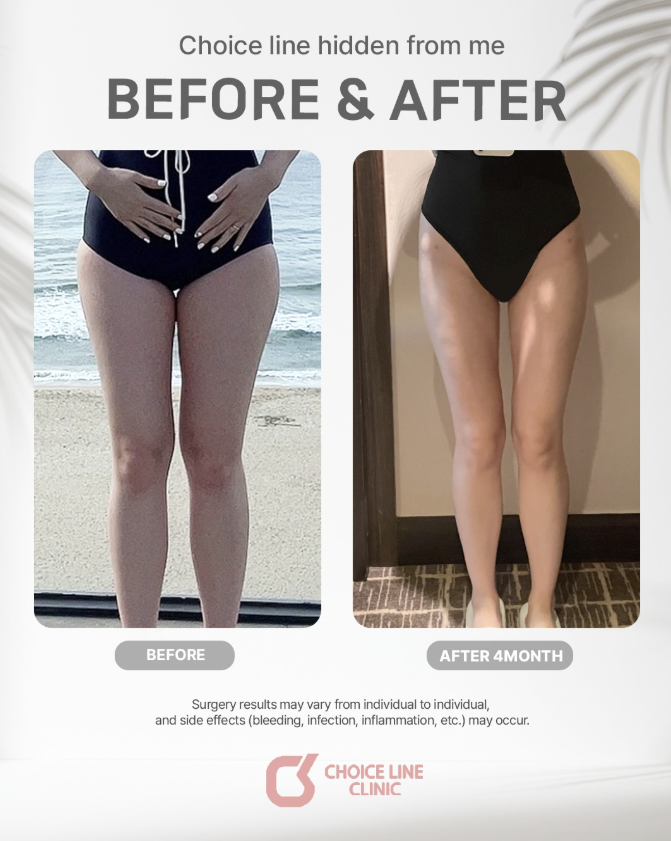
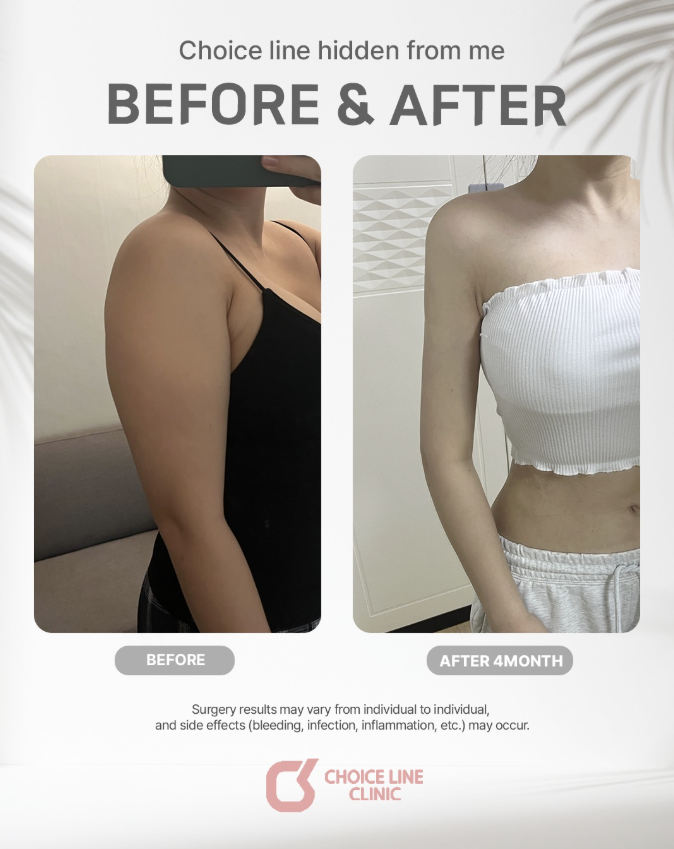
Liposuction is designed to remove specific pockets of fat from targeted areas of the body. It is considered a body contouring procedure rather than a weight-loss method.
Common treatment areas include:
- Abdomen
- Waistline
- Thighs
- Arms
- Chin
- Back fat
- Love handles
The goal is typically to improve proportions and create smoother body lines rather than dramatically reduce body weight.
Why Some Fat Is Hard to Lose Naturally
Certain fat deposits can remain resistant despite consistent dieting and exercise. Genetics, hormones, body structure, and age can all influence where the body stores fat.
Common stubborn areas often include:
- Lower abdomen
- Inner thighs
- Upper arms
- Double chin
- Flanks
This is one reason many people consider liposuction after already maintaining a relatively healthy lifestyle.
Liposuction Does Not Replace Healthy Habits
One of the biggest misconceptions about liposuction is that it eliminates the need for diet and exercise. In reality, maintaining results still depends heavily on lifestyle habits after surgery.
Patients are usually encouraged to:
- Maintain stable weight
- Exercise regularly
- Follow balanced nutrition
- Stay hydrated
- Avoid major weight fluctuations
Significant weight gain after liposuction can still affect body shape and proportions.
Weight Loss vs Body Contouring
Dieting changes the body gradually by reducing total body mass, while liposuction focuses more on visual sculpting and contour refinement.
Dieting is generally better for:
- Obesity management
- Overall health improvement
- Long-term fitness goals
- Fat percentage reduction
Liposuction is generally better for:
- Localized fat removal
- Body line refinement
- Proportion balancing
- Contouring resistant areas
Many patients combine both approaches rather than choosing only one.
How Results Typically Look Different
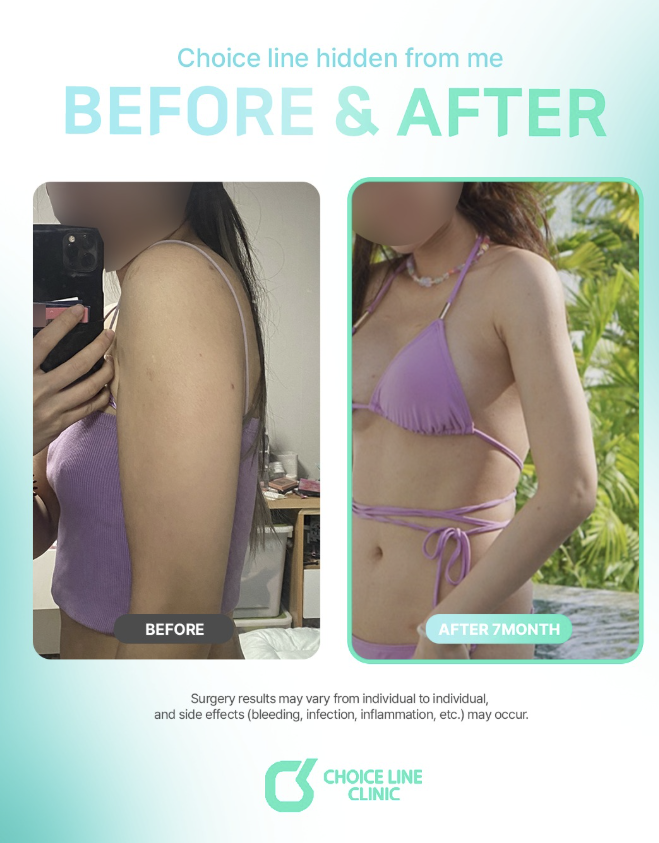
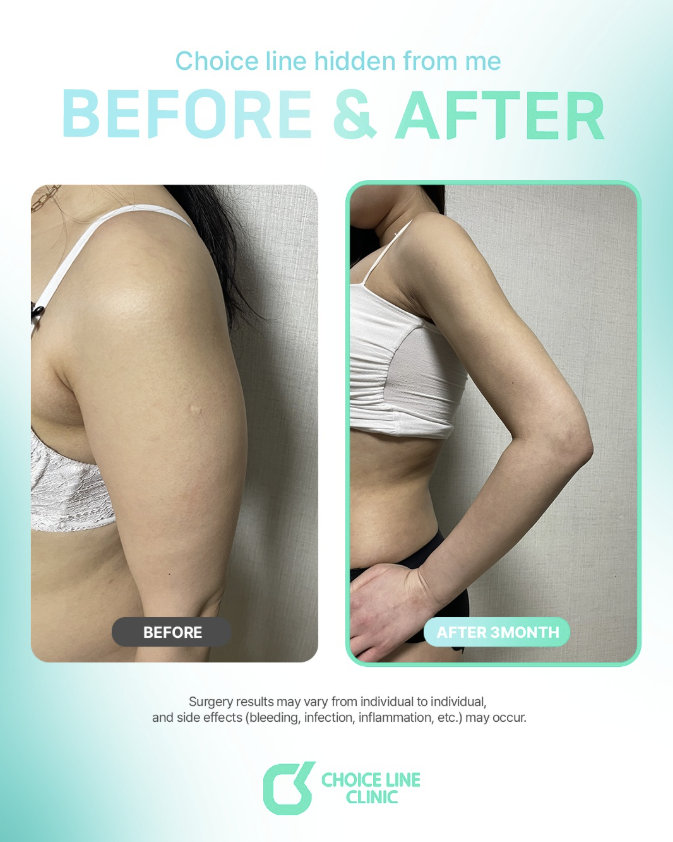
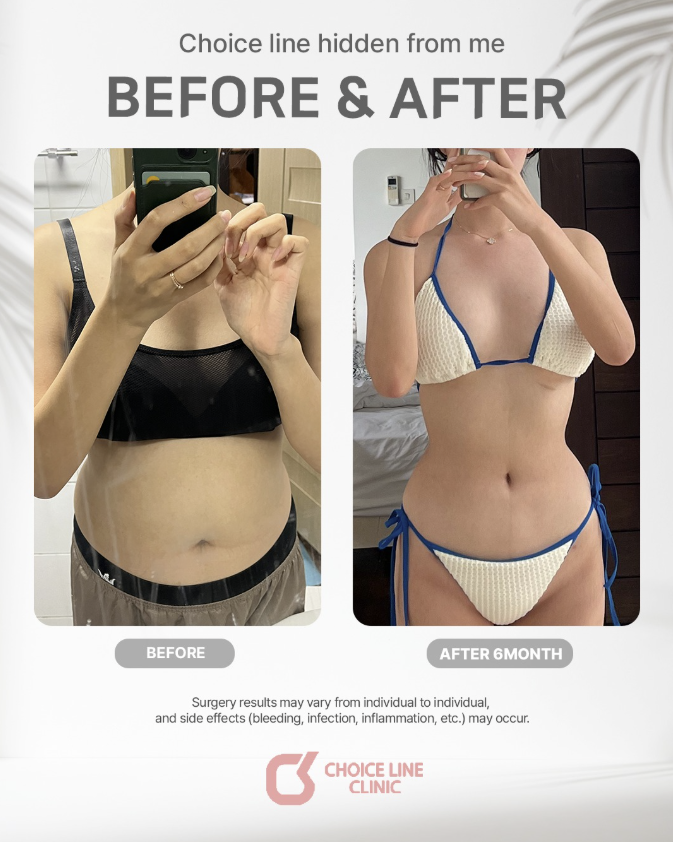
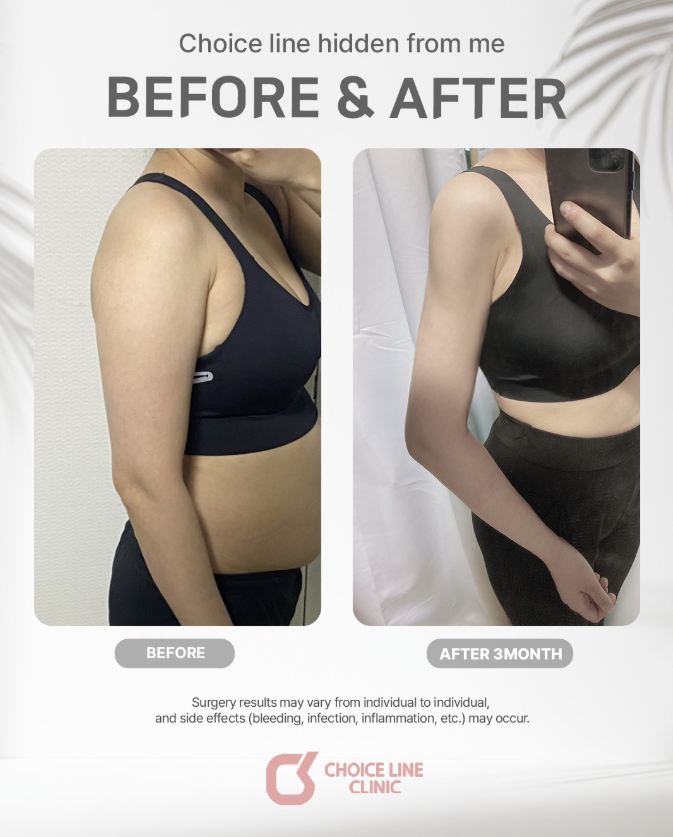
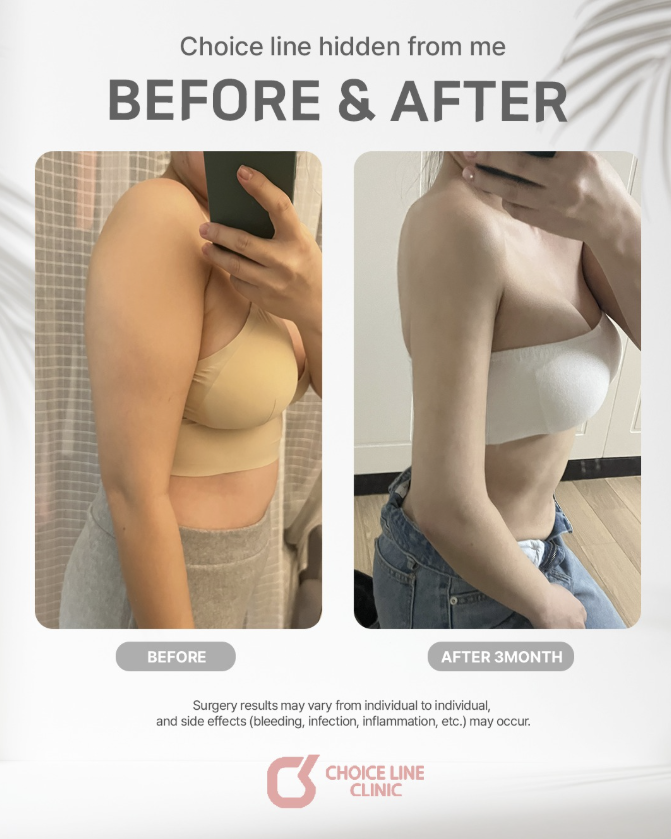
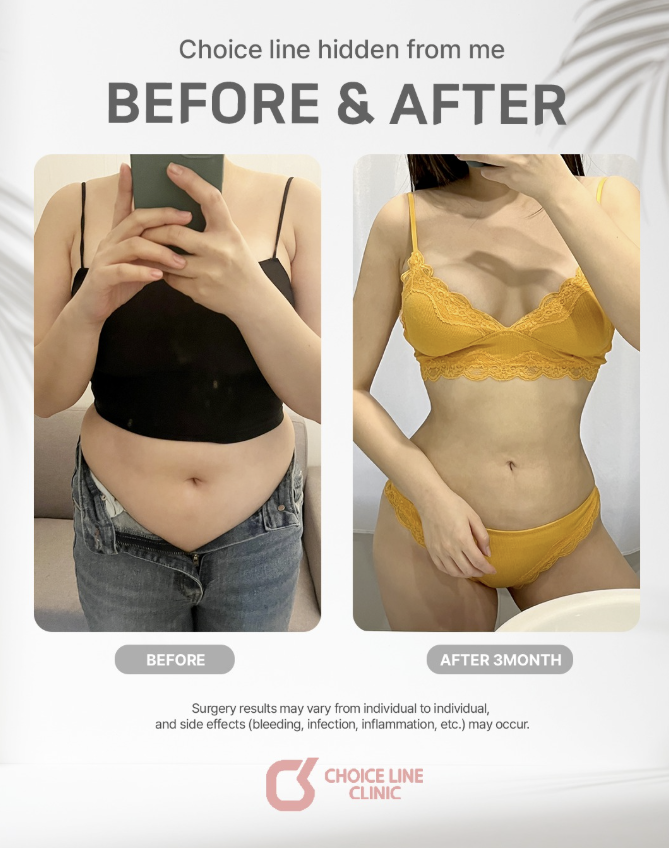
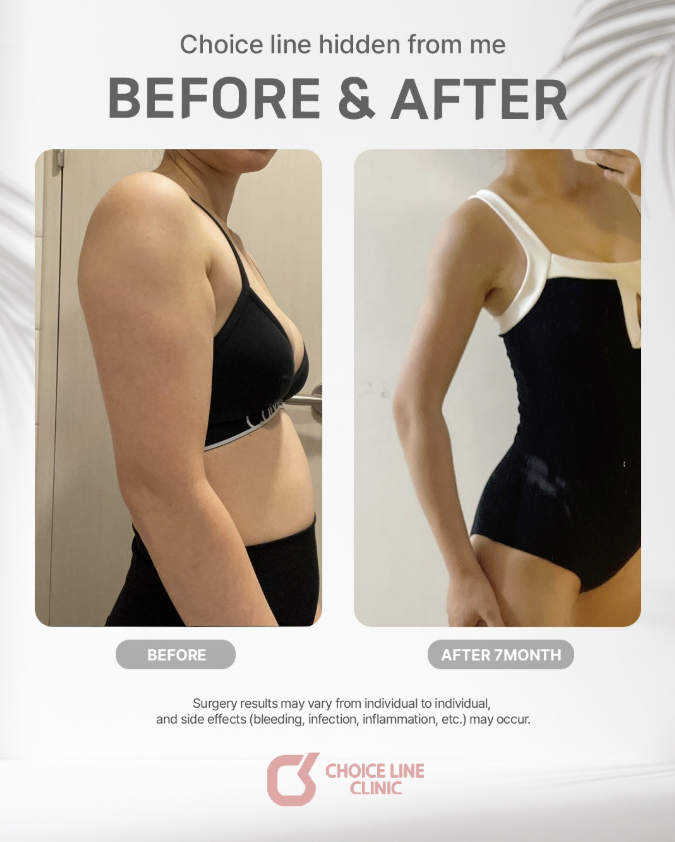
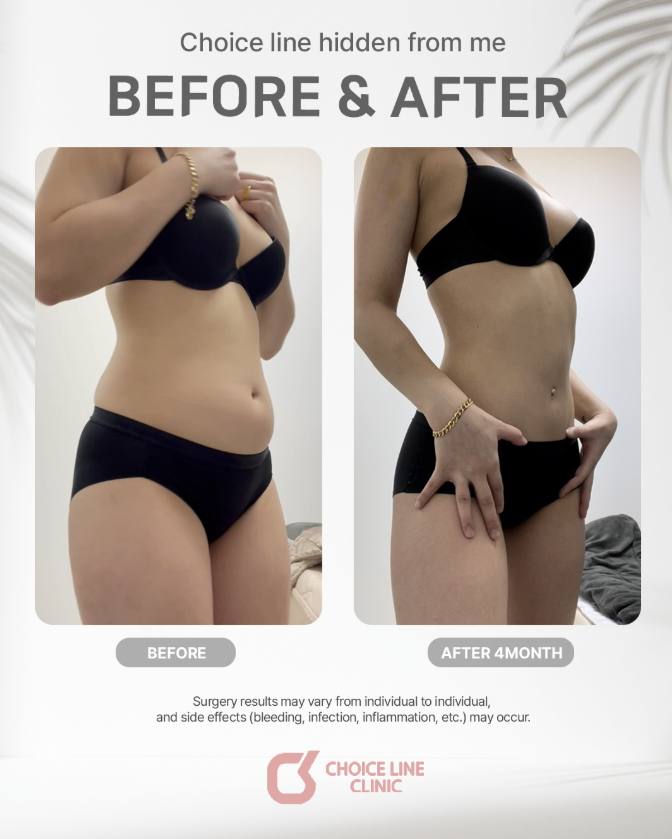
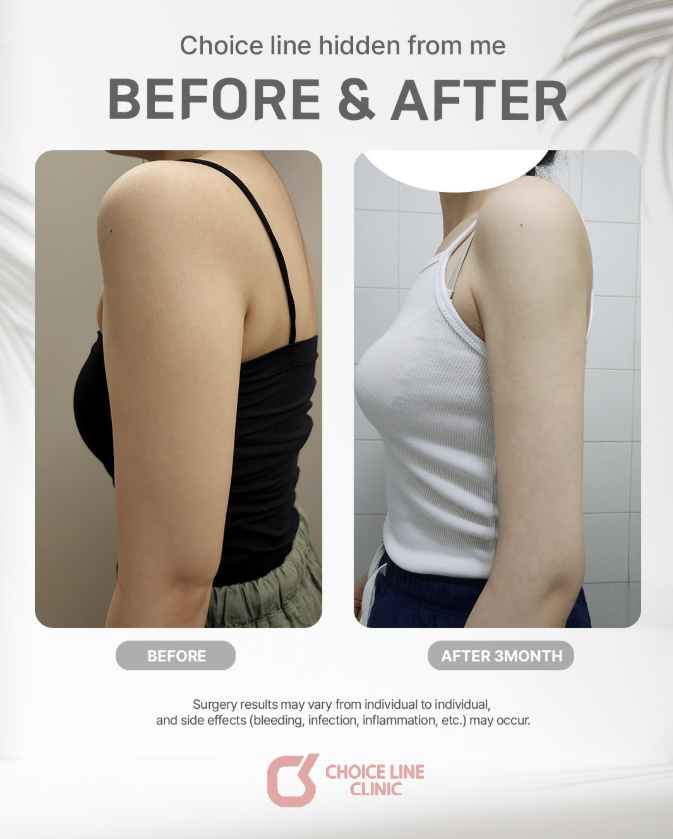
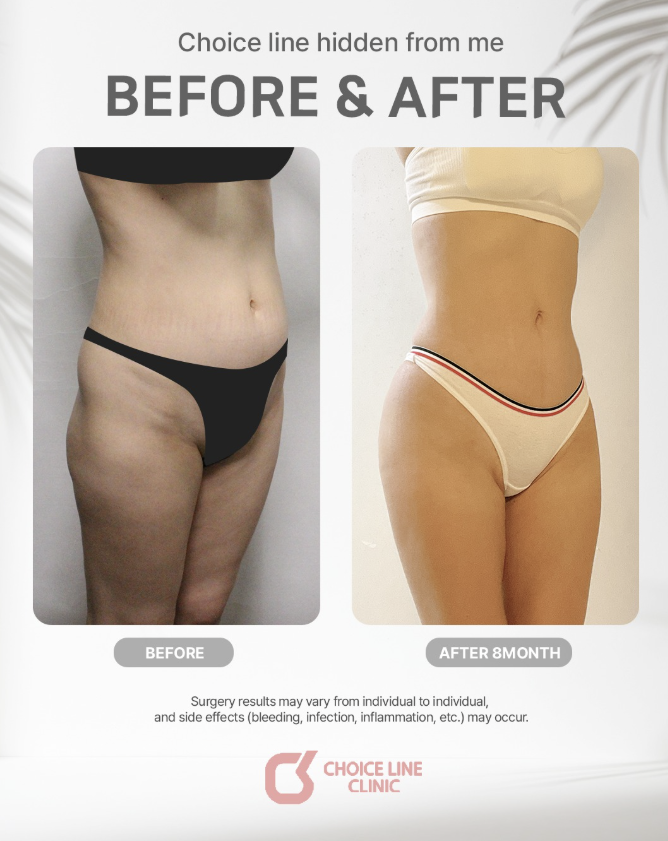
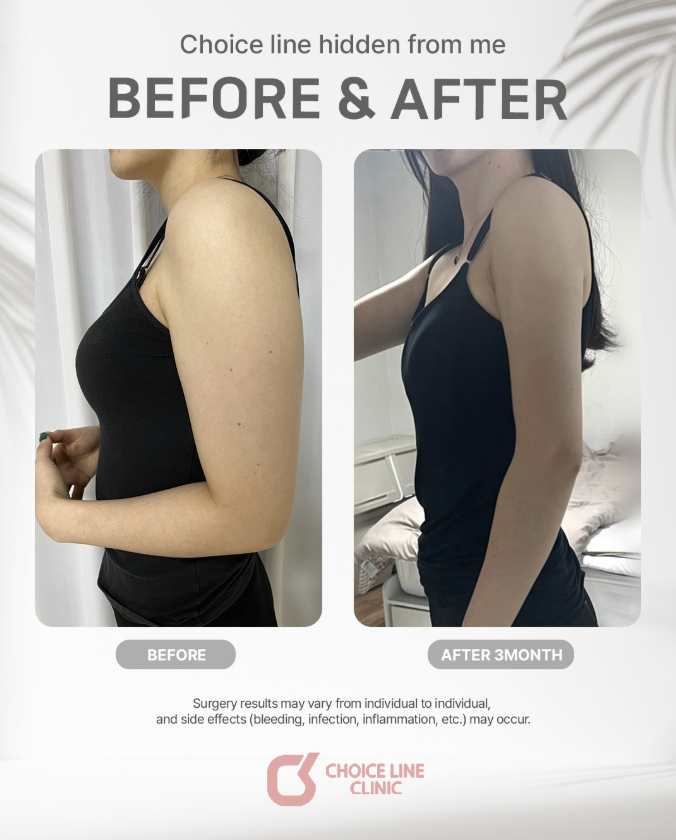
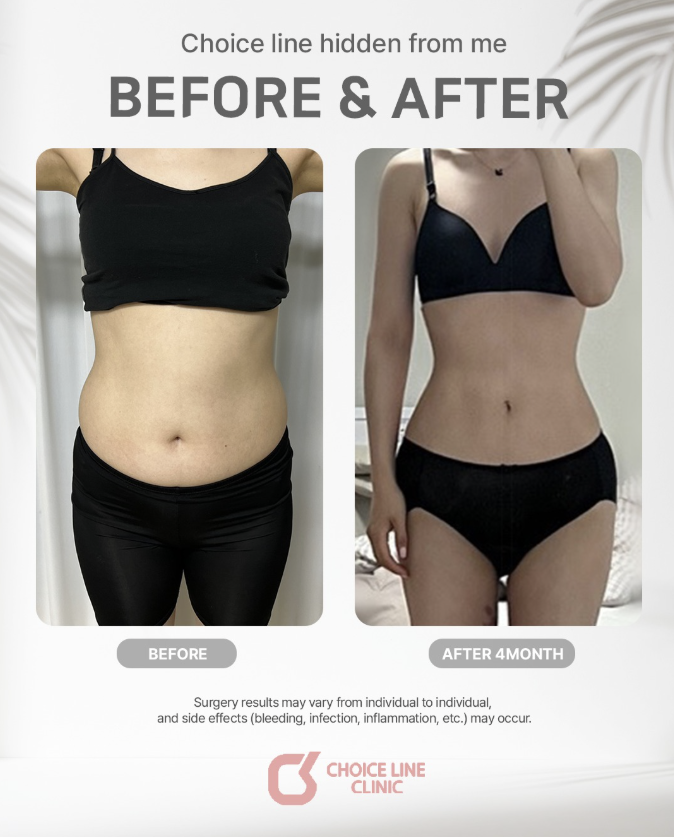
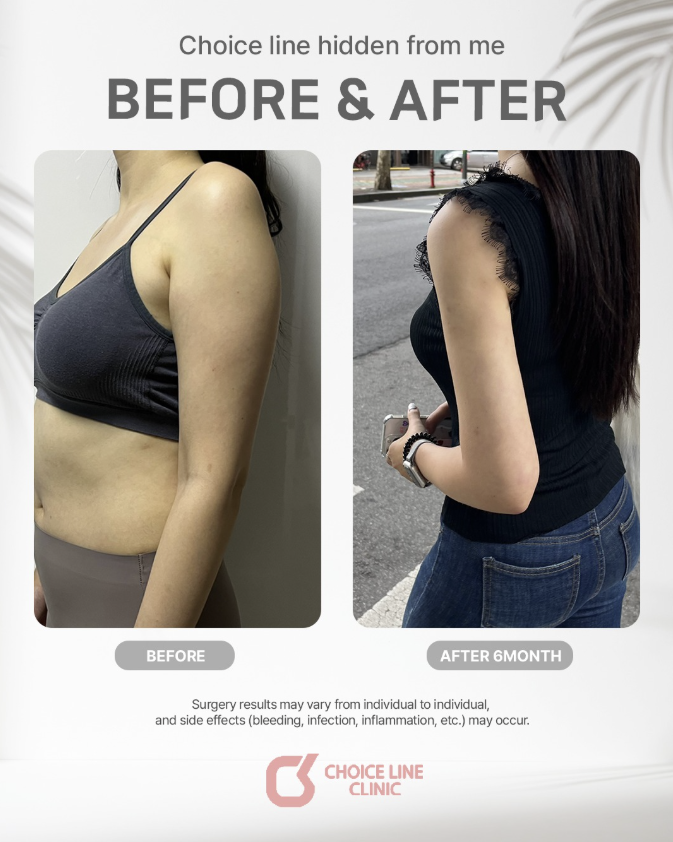
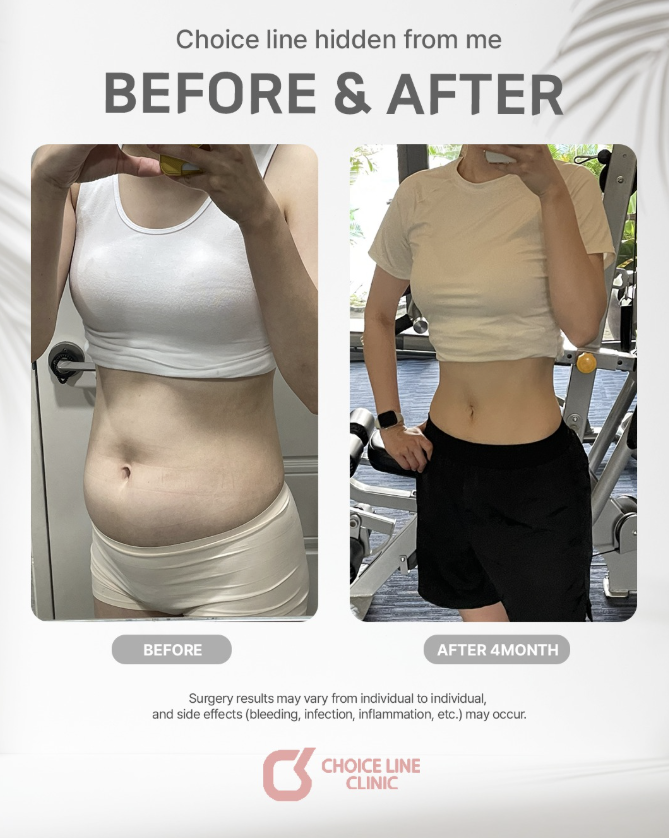
The visual outcome of dieting and liposuction can also differ significantly. Weight loss may reduce body size overall, but body proportions may still feel uneven to some individuals.
Liposuction often aims to:
- Define the waistline
- Slim specific areas
- Improve clothing fit
- Create smoother transitions
- Enhance body symmetry
This contour-focused approach is why some patients seek fat removal even when they are not significantly overweight.
Recovery Is an Important Consideration
Unlike dieting, liposuction is a surgical procedure that involves downtime and recovery. Patients should understand the healing process before deciding on treatment.
Common recovery experiences include:
- Swelling
- Bruising
- Compression garment use
- Temporary soreness
- Gradual contour improvement
Final results may take several months to fully appear as swelling decreases.
Who May Be a Good Candidate for Liposuction
Liposuction is often most effective for individuals who are already close to their target weight but struggle with stubborn fat deposits.
Ideal candidates often:
- Maintain stable body weight
- Have good skin elasticity
- Are in generally good health
- Have realistic expectations
- Want contour improvement rather than major weight loss
Consultations usually focus on whether the patient’s goals align with what liposuction can realistically achieve.
The Importance of Realistic Expectations
Liposuction can improve body shape, but it does not create a completely different physique overnight. Results depend on body structure, skin quality, healing response, and post-operative care.
Patients should understand:
- Results vary by individual
- Swelling can temporarily hide results
- Skin tightening may still be necessary
- Healthy habits remain important
- Final contours develop gradually
A realistic mindset is often one of the most important parts of overall satisfaction.
Final Thoughts
Diet and liposuction serve different purposes, and understanding that difference helps patients make more informed decisions. Dieting improves overall health and reduces body fat broadly, while liposuction focuses on reshaping stubborn areas that may not respond easily to exercise or nutrition alone. Rather than replacing healthy habits, liposuction is typically most effective when combined with long-term lifestyle maintenance and realistic expectations about body contouring results.