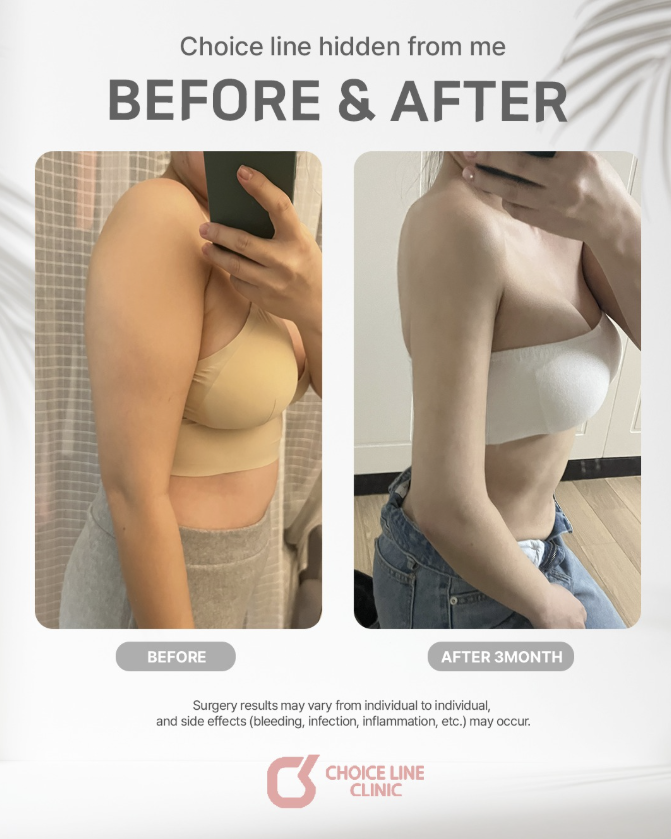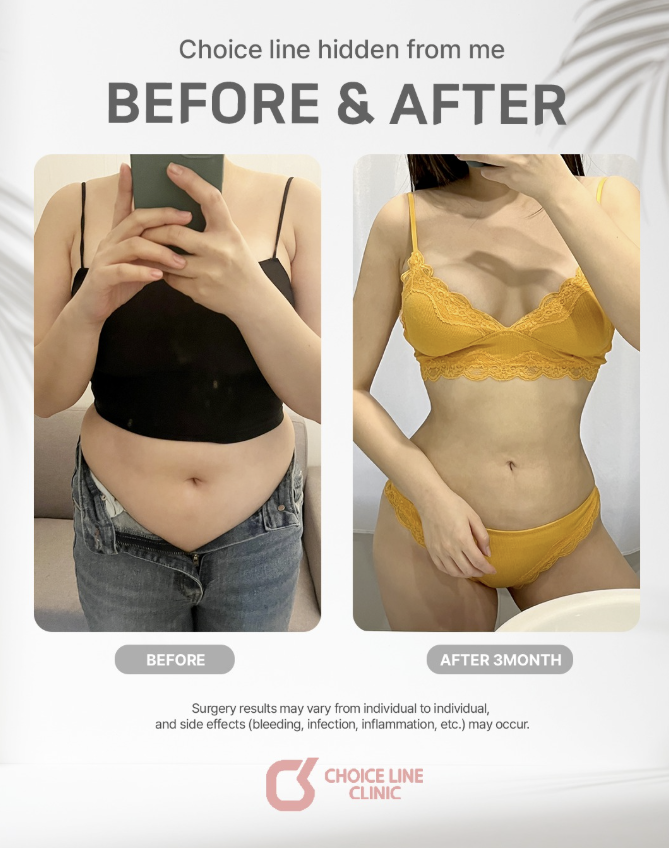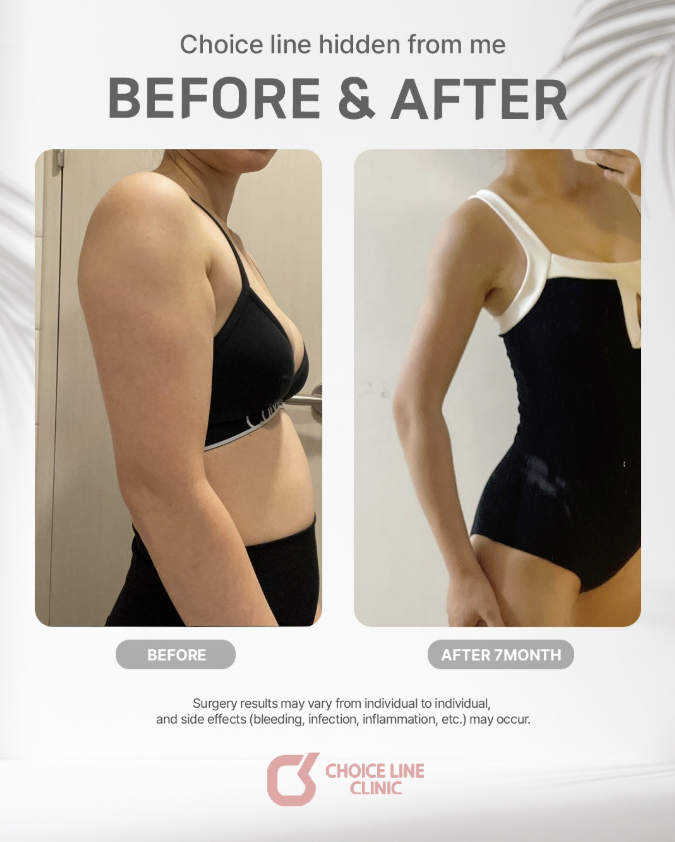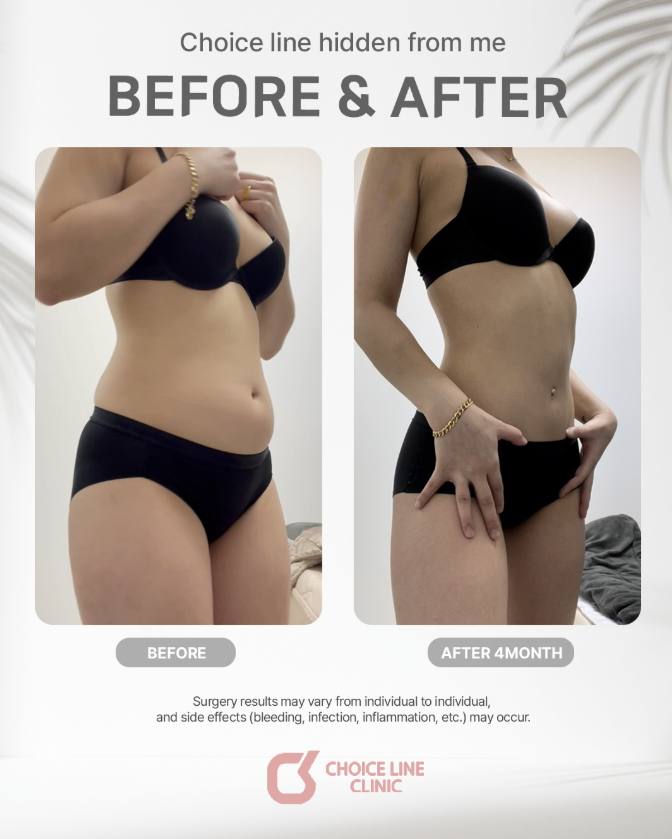




Non-Surgical Body Contouring vs Liposuction
Non-Surgical Body Contouring vs Liposuction
Body contouring has become one of the fastest-growing areas of aesthetic medicine, especially in Korea, where both surgical and non-surgical options are widely available. Patients who want a slimmer silhouette often find themselves choosing between non-surgical body contouring treatments and traditional liposuction. While both aim to improve body shape, they differ significantly in how they work, the results they produce, recovery time, and suitability for different body types.
How Liposuction Works
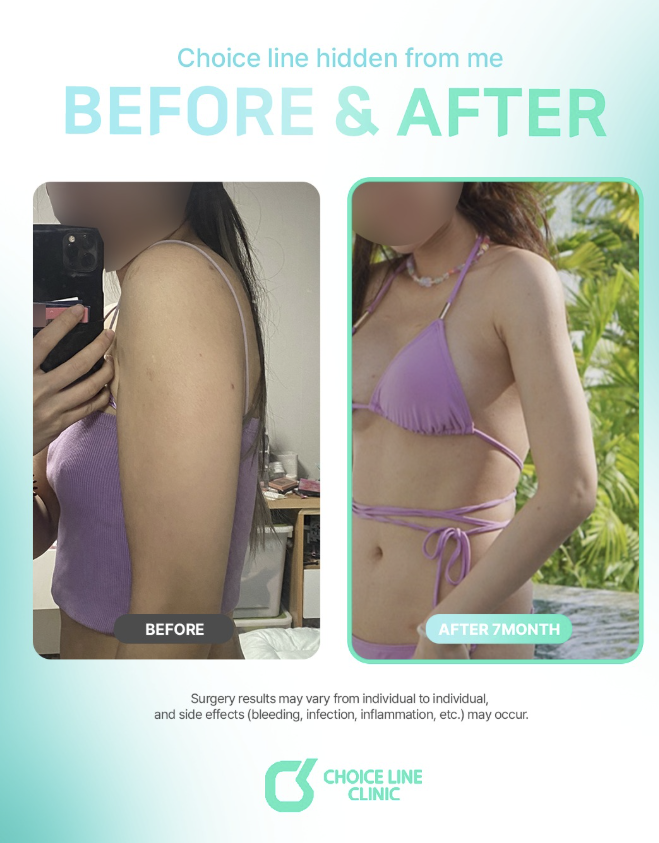
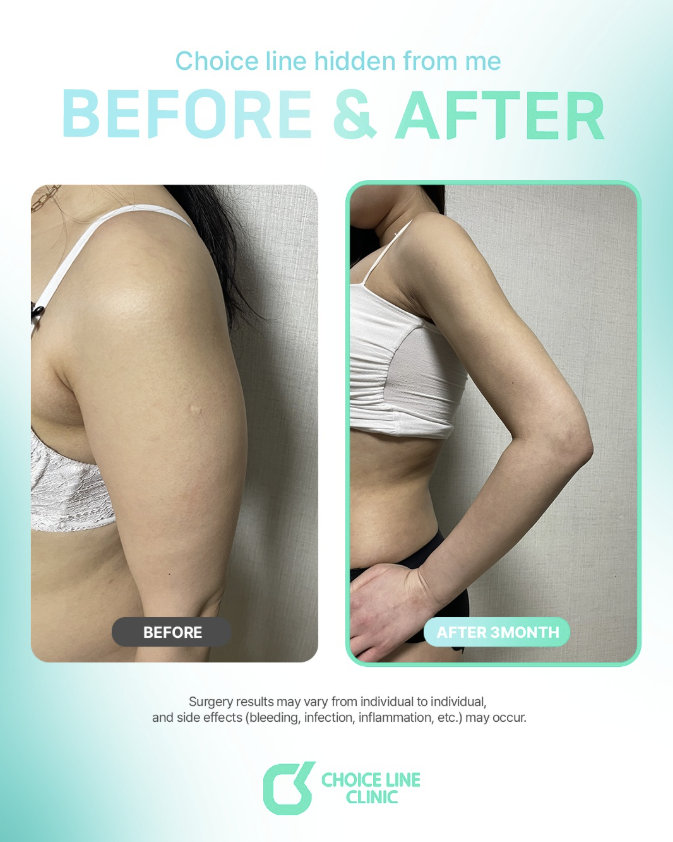
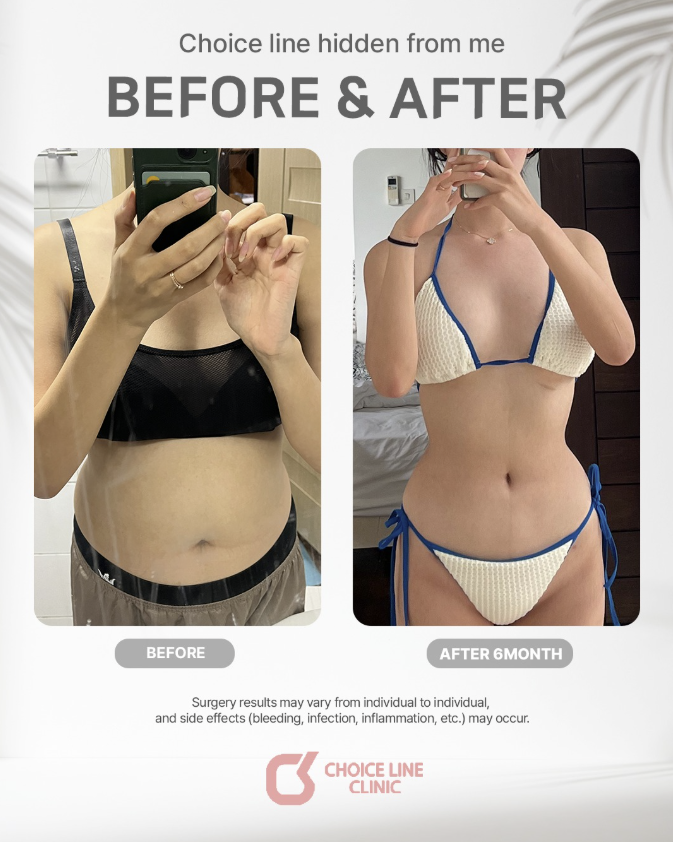
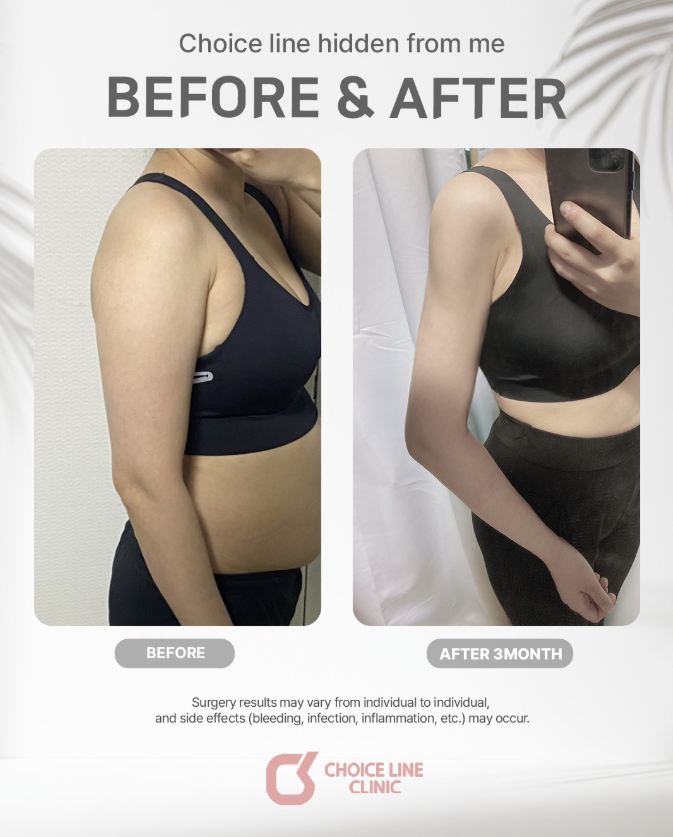
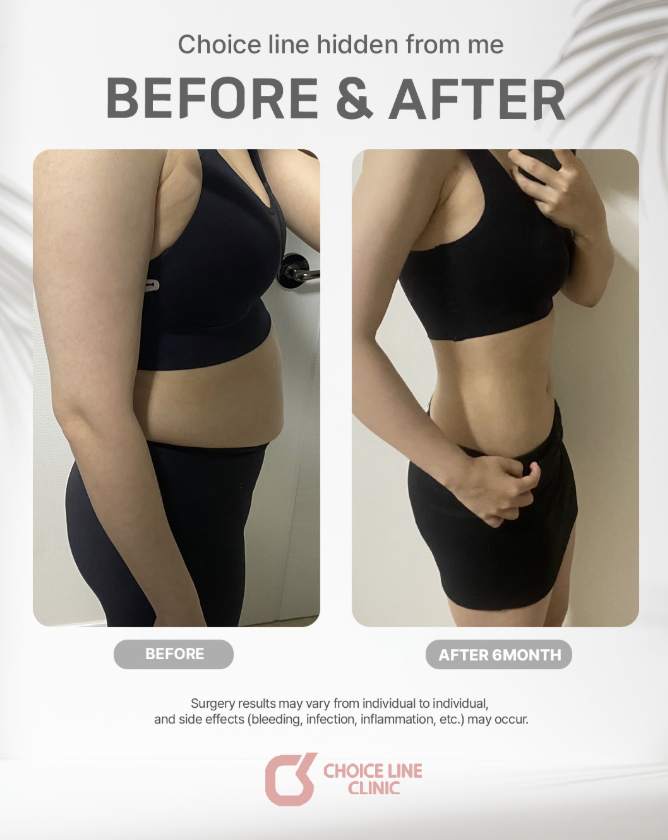
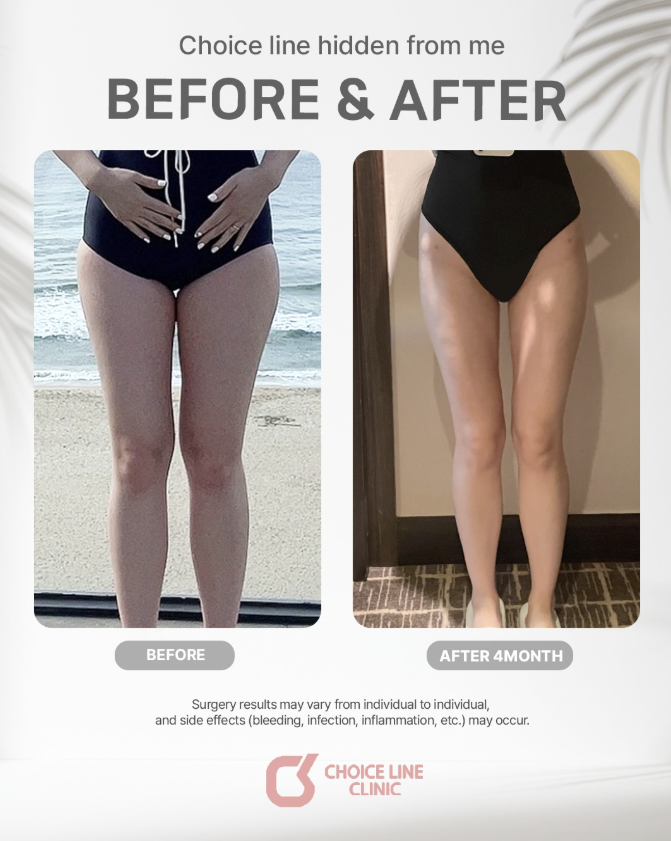
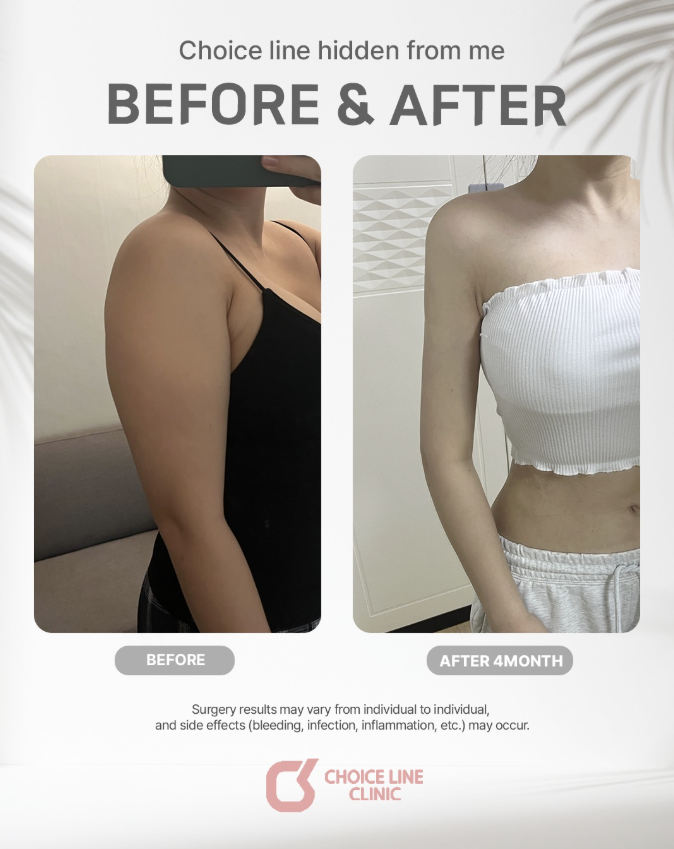
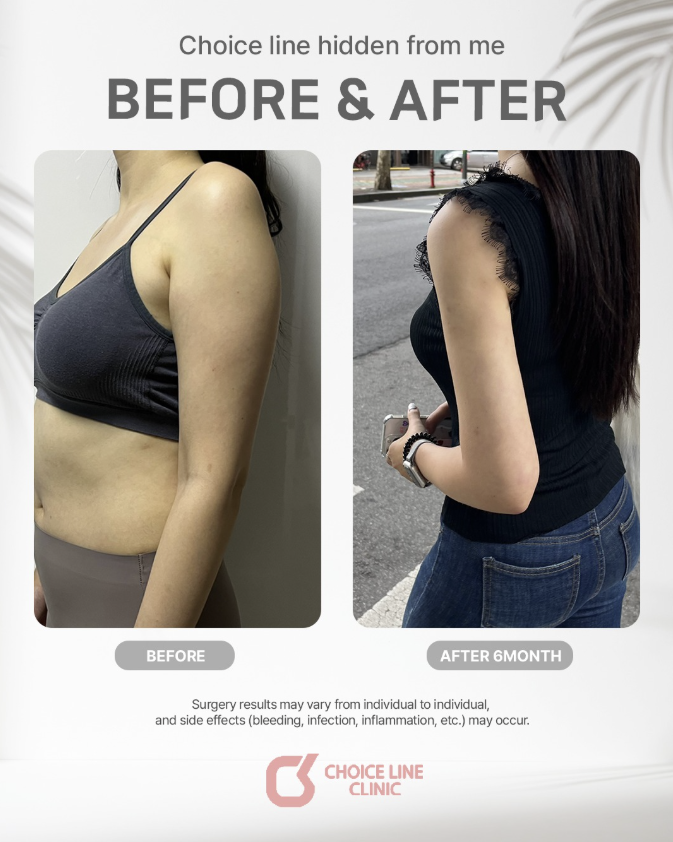
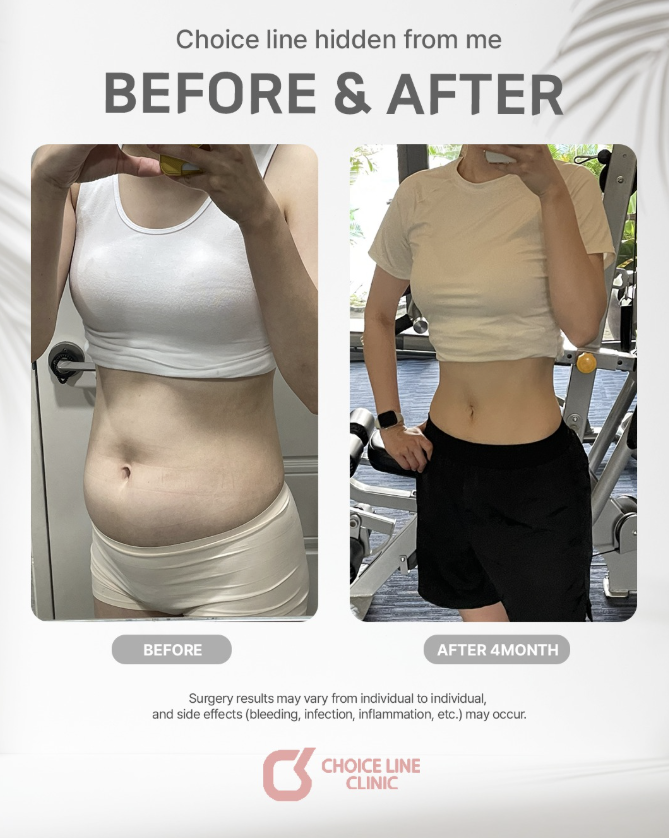
Liposuction is a surgical procedure that physically removes fat cells from targeted areas of the body using suction-based techniques. It directly reduces fat volume and reshapes body contours.
Common treatment areas include:
- Abdomen
- Waistline
- Thighs
- Arms
- Back fat
- Chin and jawline
It is typically used for more noticeable contour changes and stubborn fat removal that does not respond to diet or exercise.
How Non-Surgical Body Contouring Works
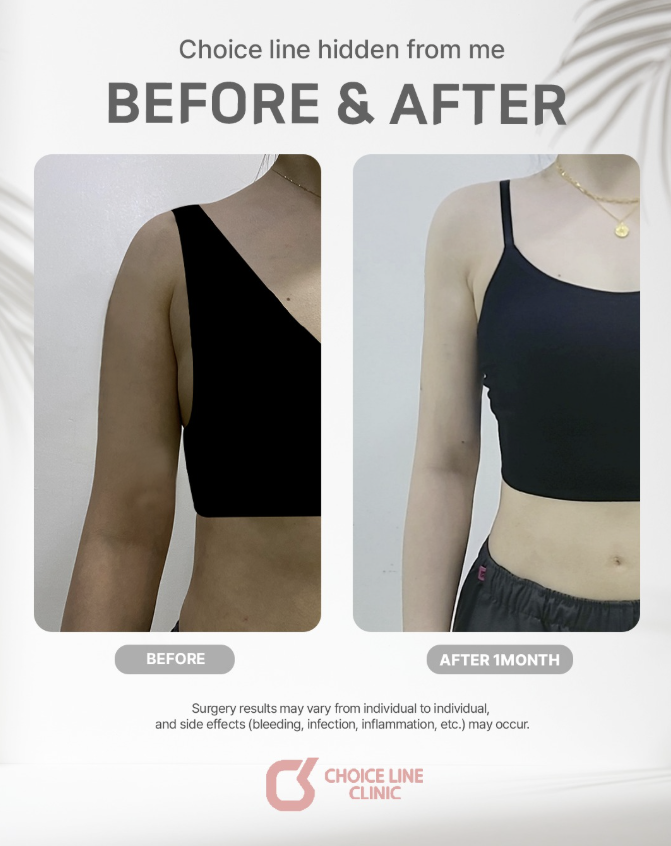
Non-surgical body contouring uses energy-based or injectable treatments to reduce fat or tighten skin without incisions. These treatments gradually affect fat cells or skin structure over time.
Common methods include:
- Cryolipolysis (fat freezing)
- Radiofrequency skin tightening
- Ultrasound fat reduction
- Laser-based contouring
- Injection-based fat reduction
These treatments usually focus on mild to moderate improvements rather than dramatic reshaping.
Results: Gradual vs Immediate Fat Reduction
One of the biggest differences between the two approaches is how quickly results appear and how dramatic they are.
Liposuction:
- Immediate fat removal (visible after swelling decreases)
- More significant contour change
- Long-lasting reduction of fat cells
- Noticeable body reshaping
Non-surgical treatments:
- Gradual fat reduction over weeks or months
- Subtle improvements
- Multiple sessions often required
- Best for mild contour refinement
Downtime and Recovery Differences
Recovery is another major factor when comparing surgical and non-surgical options.
Liposuction recovery:
- Swelling and bruising common
- Compression garments required
- Several weeks of recovery time
- Gradual return to exercise
Non-surgical recovery:
- Minimal to no downtime
- Mild redness or swelling possible
- Normal activities resumed immediately
- No surgical incisions
Patients often choose based on how much downtime they can tolerate.
Effectiveness for Fat Reduction
The level of fat reduction varies significantly between the two methods.
Liposuction:
- Removes larger volumes of fat
- Targets multiple areas at once
- Suitable for more noticeable body reshaping
- Better for stubborn fat pockets
Non-surgical methods:
- Reduce smaller fat layers
- Best for mild contour issues
- Less effective for large-volume fat removal
- Often used for maintenance or early intervention
Skin Tightening Effects
Both approaches can influence skin appearance, but in different ways.
Liposuction:
- Removes fat beneath the skin
- May require additional tightening procedures
- Skin retraction depends on elasticity
Non-surgical treatments:
- Often include skin tightening technologies
- Gradual collagen stimulation
- Better for mild skin laxity cases
Korean clinics frequently combine both approaches for improved results.
Suitability Based on Body Type
Choosing between the two often depends on individual body goals and physical characteristics.
Liposuction is better for:
- Noticeable stubborn fat
- Defined contour changes
- Stable weight individuals
- Larger treatment areas
Non-surgical treatments are better for:
- Mild fat reduction
- Early body contour concerns
- Patients avoiding surgery
- Maintenance after weight loss
Cost Differences
Costs vary depending on treatment type, number of sessions, and clinic level.
Liposuction:
- Higher upfront cost
- One-time procedure in most cases
- Includes surgery, anesthesia, and aftercare
Non-surgical treatments:
- Lower per-session cost
- Multiple sessions often needed
- Costs accumulate over time
Overall cost-effectiveness depends on long-term goals.
Korean Clinics Often Combine Both
In Korea, especially in advanced cosmetic clinics, it is common to combine surgical and non-surgical approaches for optimal results.
Combination strategies may include:
- Liposuction + radiofrequency tightening
- Liposuction + skin recovery treatments
- Non-surgical contouring before surgery
- Post-liposuction maintenance treatments
This hybrid approach helps refine results and improve skin quality.
Final Thoughts
Non-surgical body contouring and liposuction both play important roles in modern aesthetic medicine, but they serve different purposes. Liposuction is more suitable for significant fat removal and structural body reshaping, while non-surgical treatments are ideal for mild contour improvements and minimal downtime. In Korea, many clinics combine both methods to achieve smoother, more natural-looking results. The best choice depends on individual goals, body type, and desired recovery experience.