



Thigh Liposuction Before & After Expectations
Thigh Liposuction Before & After Expectations
Thigh liposuction is one of the most commonly requested lower-body contouring procedures in Korea, especially among patients who struggle with stubborn inner or outer thigh fat. In Seoul—particularly in Gangnam clinics—surgeons focus on creating smooth leg lines and balanced proportions rather than simply reducing size. Understanding what to expect before and after surgery is essential for setting realistic goals and avoiding disappointment.
Before Thigh Liposuction: What Patients Usually Experience
Before surgery, most patients already have tried diet and exercise but notice that thigh fat remains resistant.
Common concerns include:
- Inner thigh rubbing or fullness
- Outer thigh “saddlebags”
- Uneven leg contour
- Difficulty wearing fitted clothing
- Lack of defined leg lines
During consultation, Korean surgeons assess:
- Fat distribution patterns
- Skin elasticity
- Hip-to-thigh proportion
- Overall body balance
- Expected contour outcome
This evaluation helps determine whether liposuction alone is sufficient or if combination treatments are needed.
What Happens During the Procedure
Thigh liposuction in Korea is performed using precise techniques to sculpt the legs while maintaining natural proportions.
Typical steps include:
- Leg contour analysis and marking
- Anesthesia (local or sedation depending on case)
- Small incisions placed in discreet areas
- Fat removal using micro-cannulas
- Symmetry and contour refinement
- Compression garment application
Common treatment zones:
- Inner thighs
- Outer thighs
- Front thigh (select cases)
- Back of thighs
- Knee fat (when needed)
Immediately After Surgery: First Impressions
Right after thigh liposuction, the legs will not immediately look slimmer due to swelling.
What patients typically notice:
- Swelling across thighs and knees
- Tight or firm sensation in legs
- Bruising in treated areas
- Temporary uneven shape
- Compression garments in place
This stage does not reflect final results and is part of normal healing.
First 1–2 Weeks: Early Recovery Phase
During this stage, swelling and bruising begin to stabilize, but the legs still look larger than expected.
Common changes:
- Gradual reduction in swelling
- Bruising starts fading
- Improved comfort when walking
- Slight early contour visibility
- Continued use of compression garments
Light daily activity is usually possible, but strenuous movement is avoided.
Weeks 3–6: Visible Shape Changes Begin
This is when most patients start noticing real differences in leg contour.
Typical improvements:
- Thinner thigh appearance
- Smoother inner thigh gap (in suitable candidates)
- Reduced outer thigh bulging
- More defined leg line
- Better clothing fit
Exercise may gradually resume depending on recovery progress.
1–3 Months: Major Transformation Phase
By this stage, most swelling has significantly reduced and the new contour becomes more visible.
Expected results:
- Slimmer, more balanced thighs
- Improved leg symmetry
- Smoother skin contour
- More defined transition between hip and thigh
- Natural-looking shaping
This is when patients often feel closest to their desired outcome.
3–6 Months: Final Results
Final results continue to refine as deeper swelling resolves and tissues settle.
What becomes noticeable:
- Fully defined leg contour
- Stable thigh shape
- Natural skin retraction (depending on elasticity)
- Long-term proportional balance
At this point, results are considered stable and long-lasting.
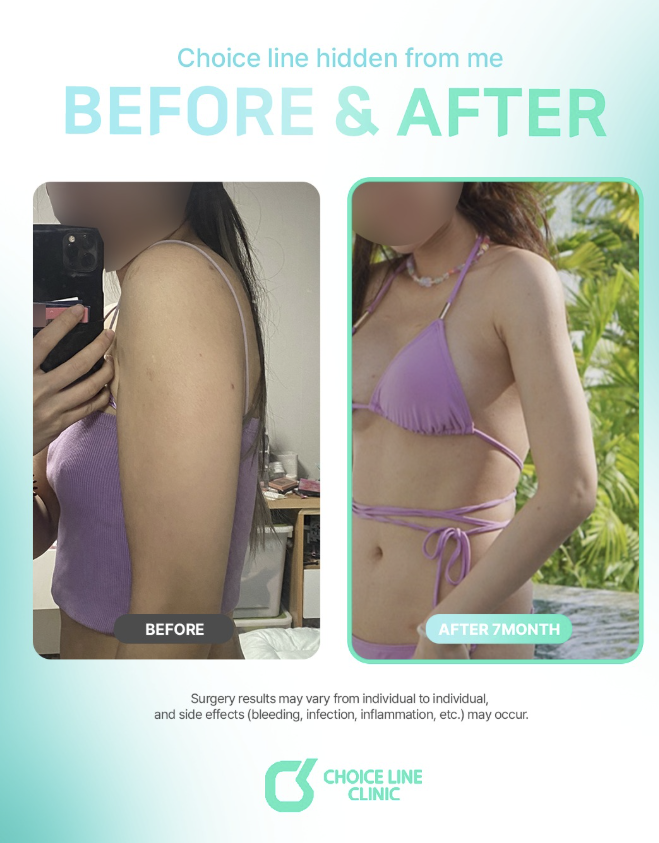
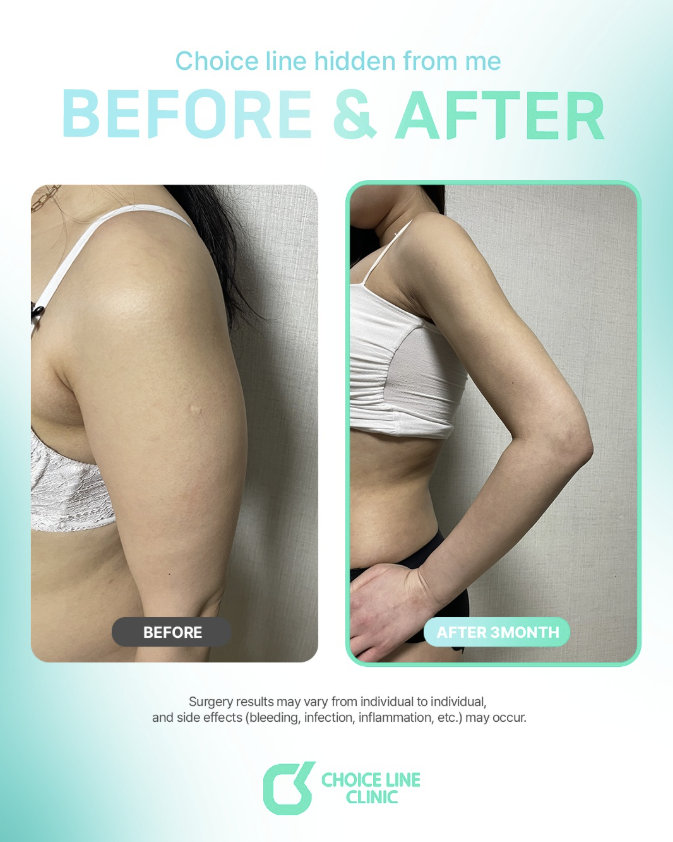
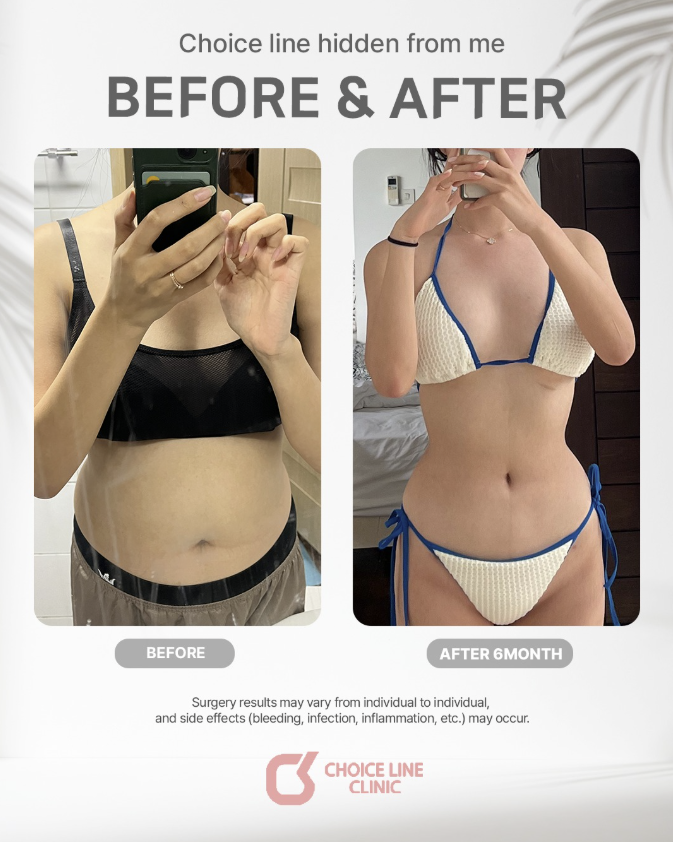
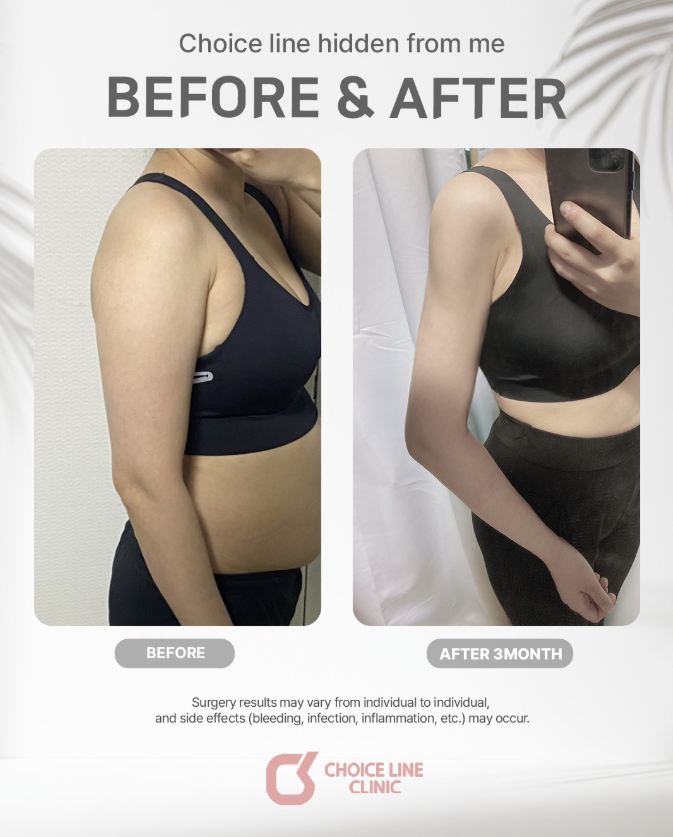
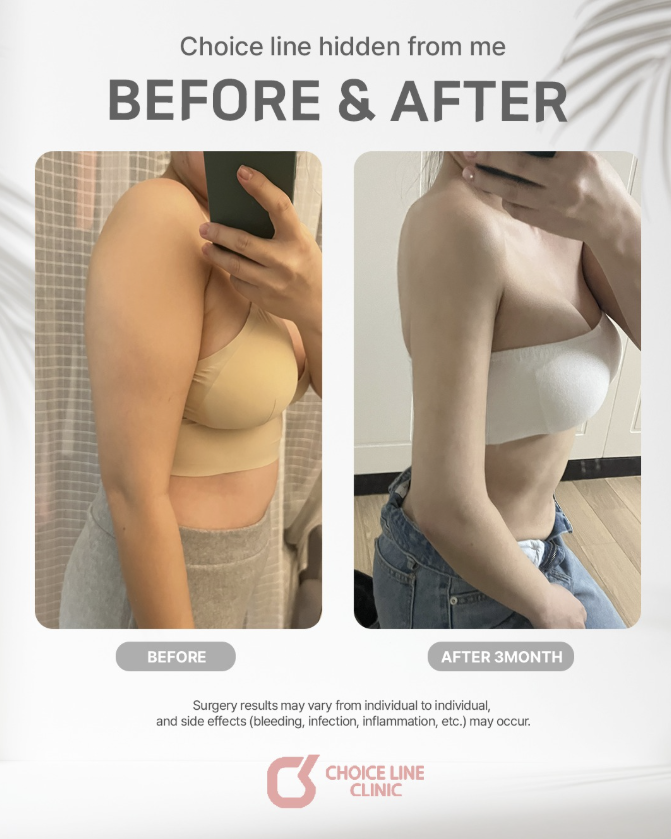
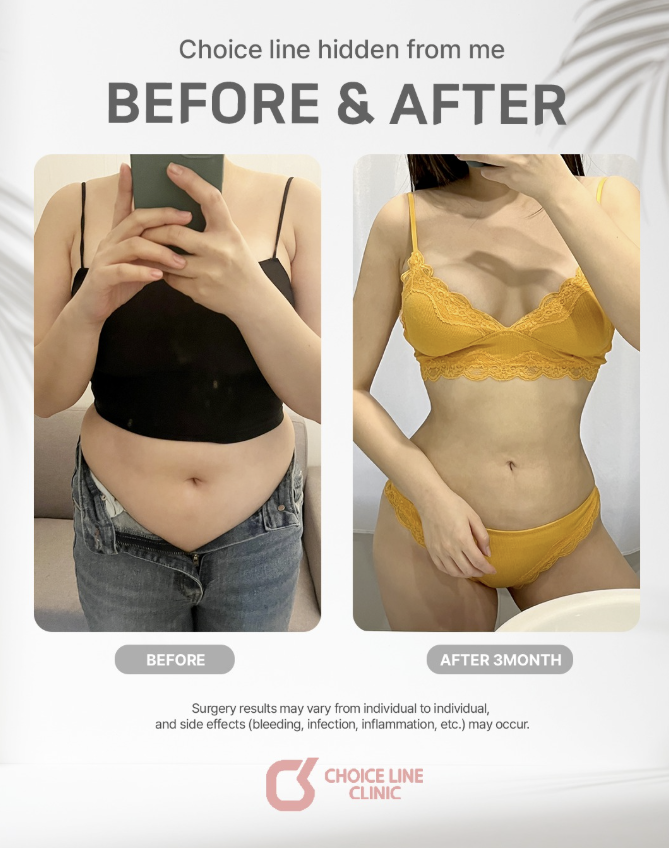
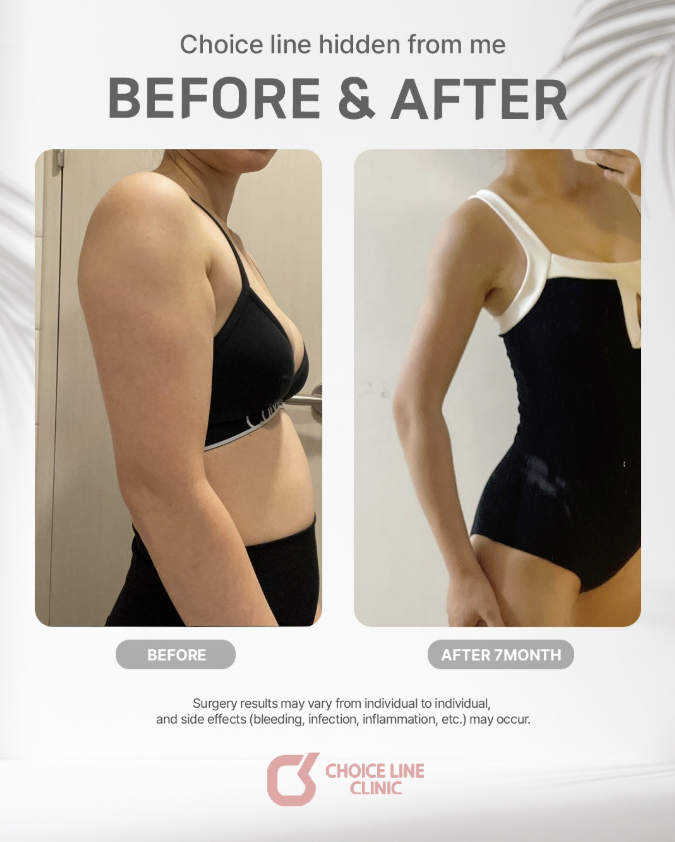
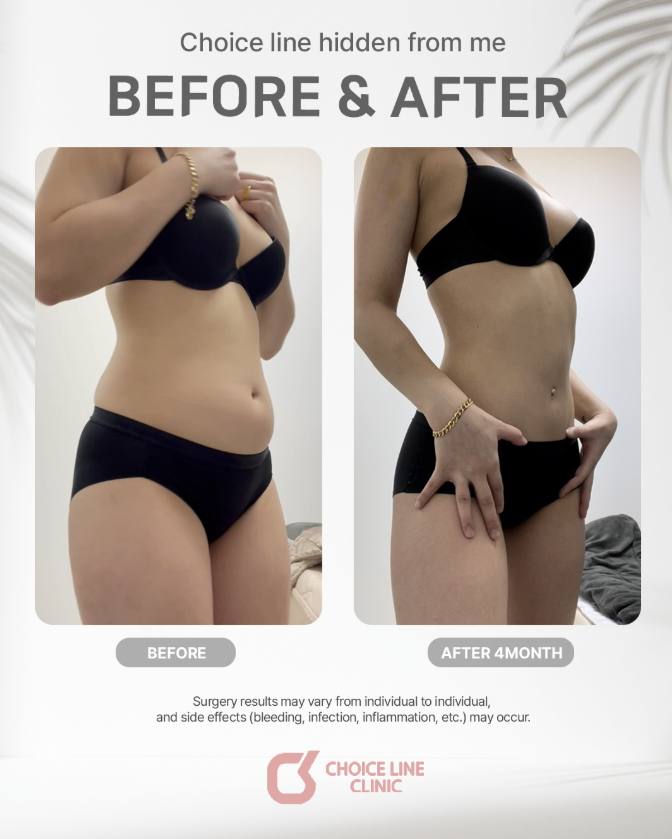
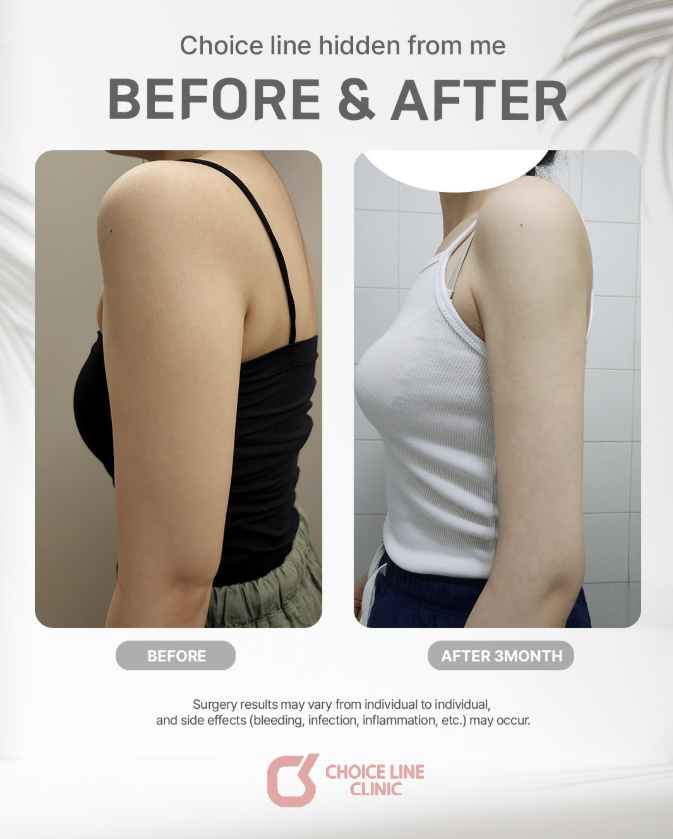
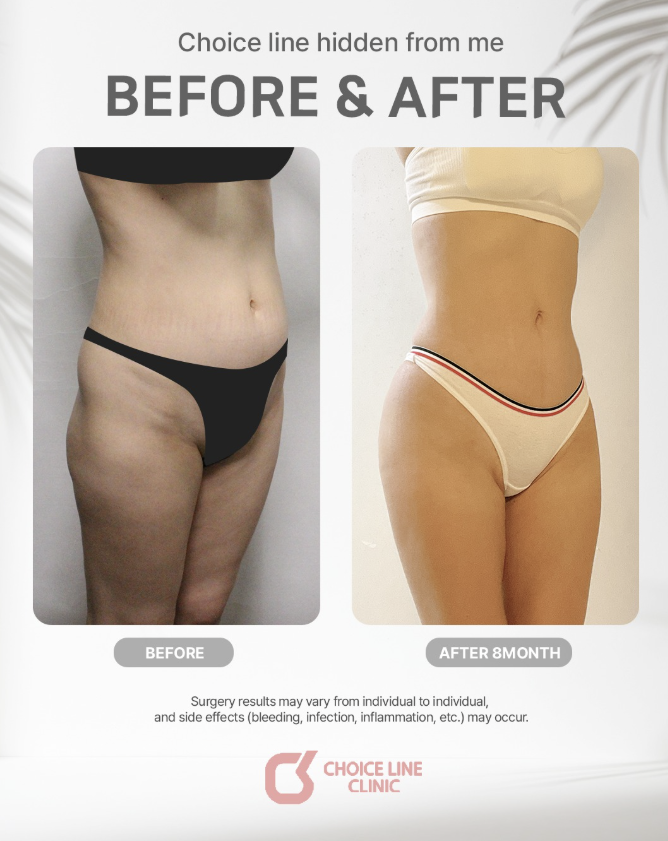
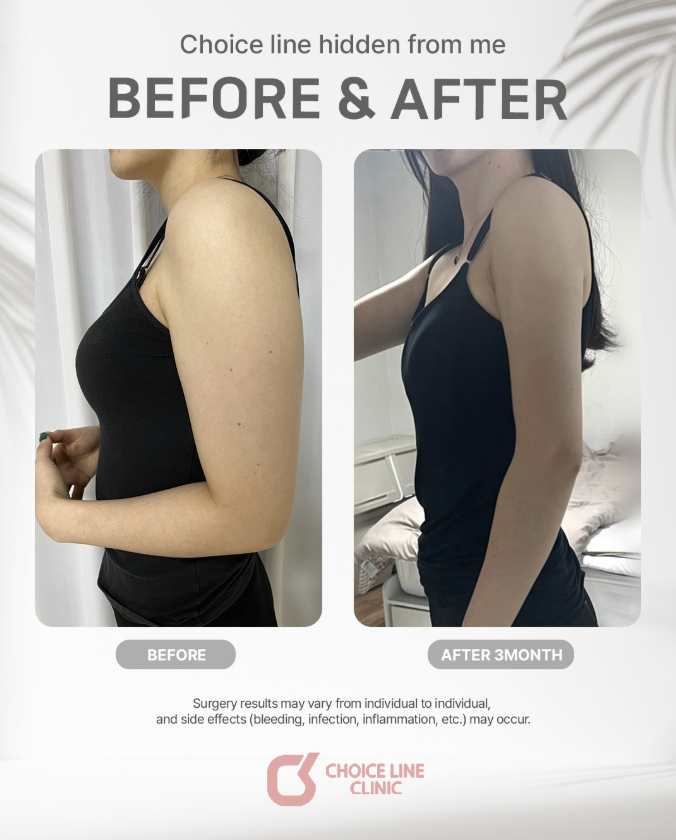
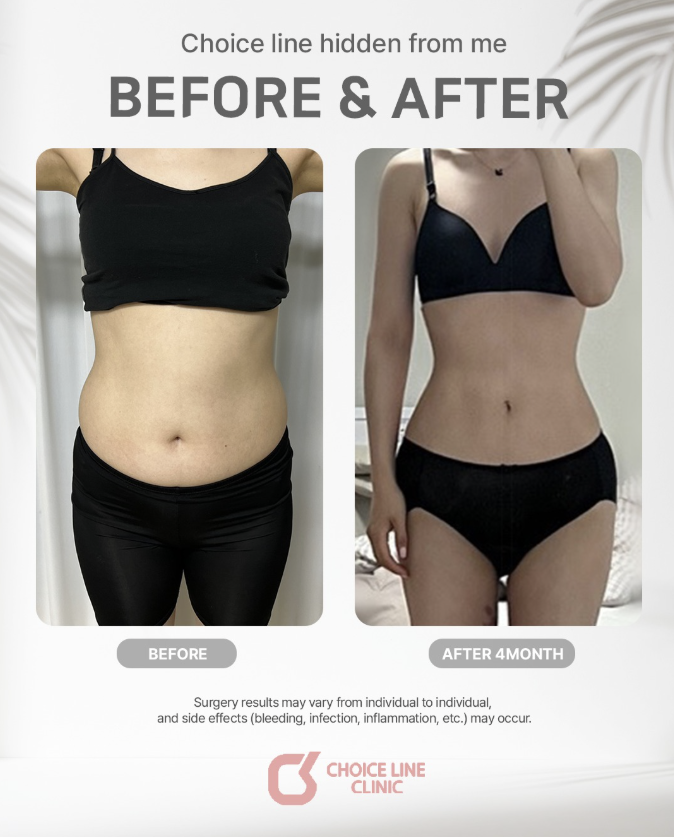
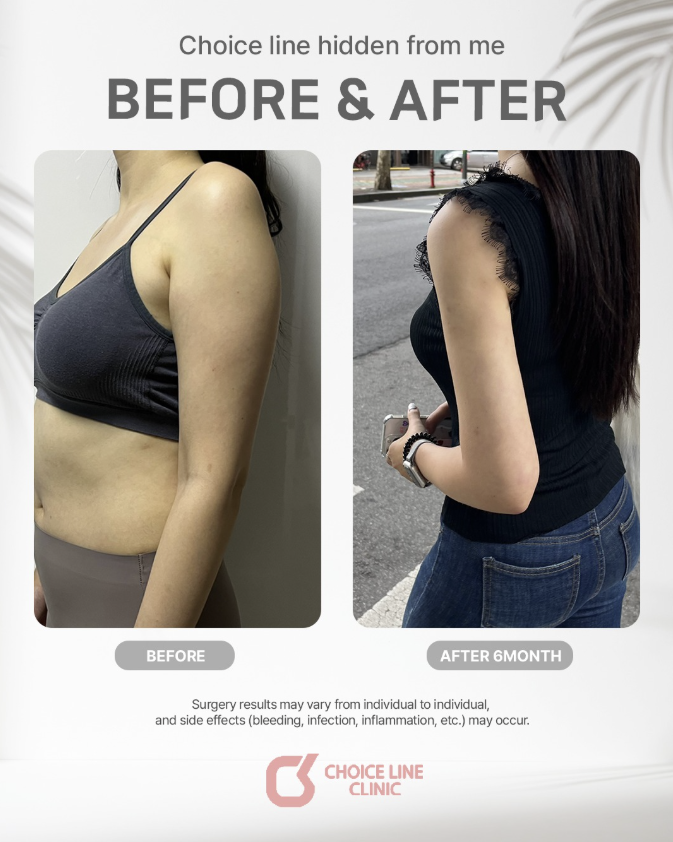
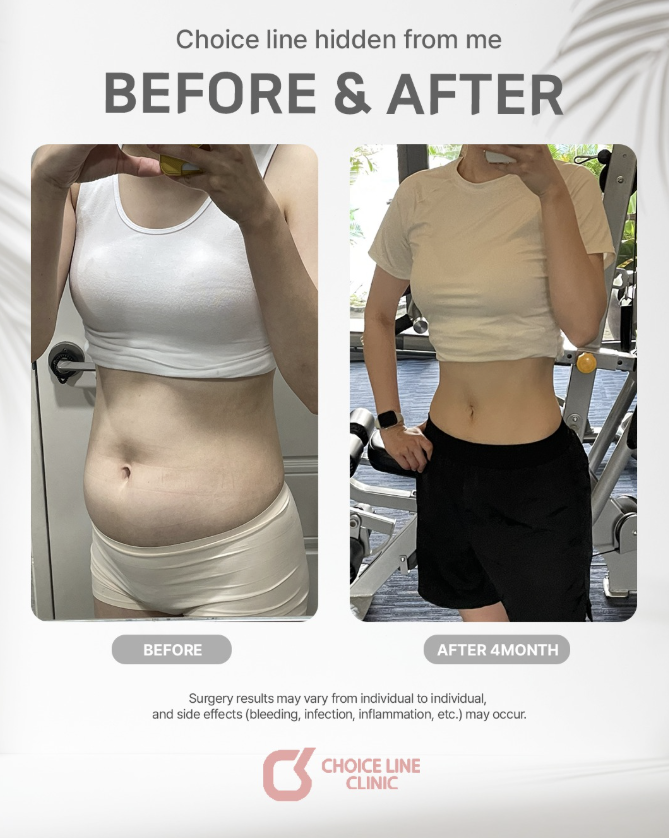
Before vs After: Key Differences
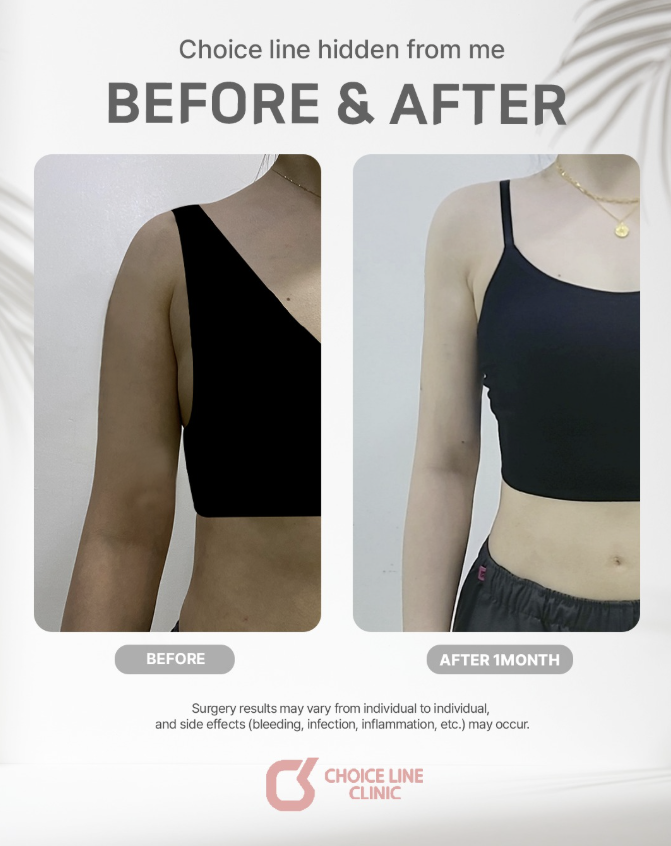
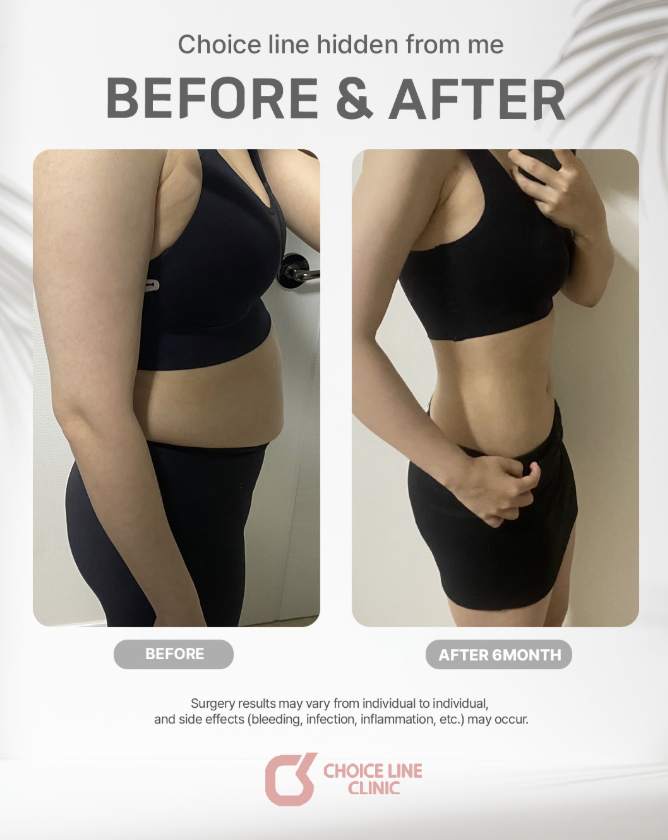
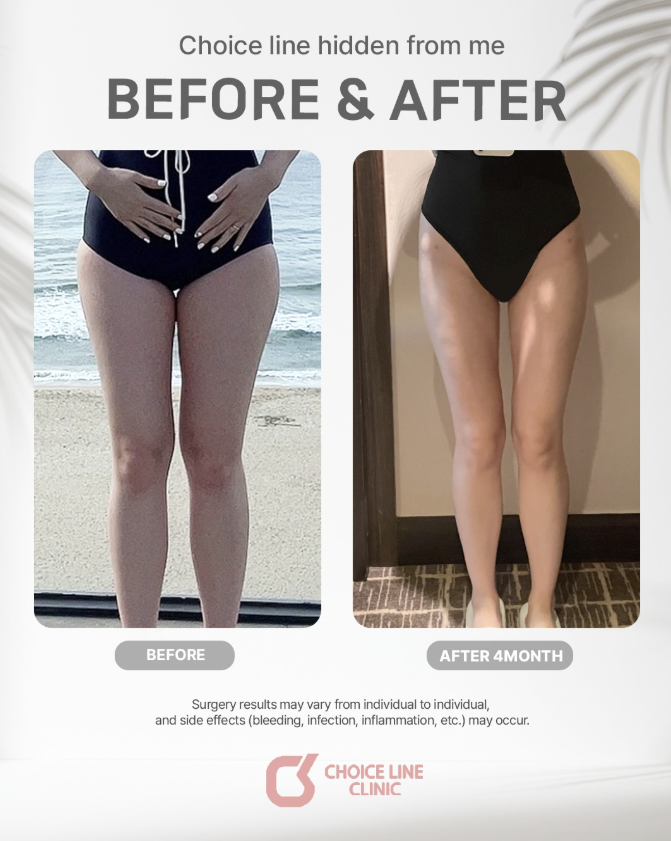
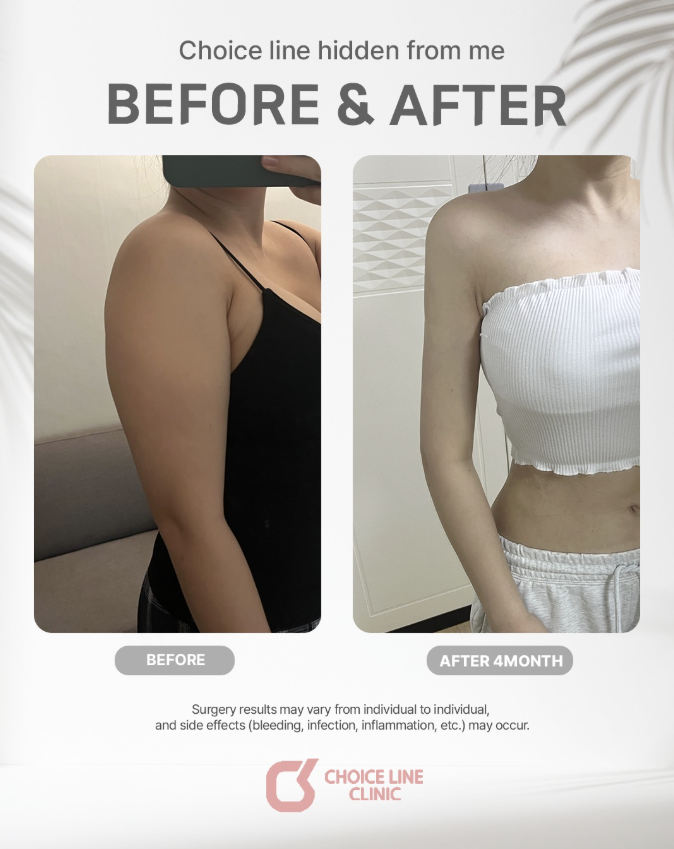
The transformation from before to after thigh liposuction typically includes:
Before:
- Full or uneven thigh shape
- Limited leg definition
- Fat resistant to exercise
- Clothing fit issues
After:
- Slimmer, more proportionate thighs
- Smoother leg lines
- Improved body balance
- Enhanced confidence in fitted clothing
Factors That Affect Results
Not all outcomes are identical. Korean surgeons emphasize that results depend on multiple personal factors.
Key influences include:
- Skin elasticity
- Amount of fat removed
- Muscle structure
- Body proportions
- Post-surgery care compliance
- Weight stability
Patients with good elasticity typically achieve smoother results.
Limitations to Understand
While thigh liposuction improves contour, it has natural limitations.
Important considerations:
- Does not tighten severely loose skin
- Does not change muscle shape
- Inner thigh gap depends on bone structure
- Results vary by body type
- Requires weight maintenance
Some patients may need additional skin tightening treatments.
Final Thoughts
Thigh liposuction in Korea delivers gradual but noticeable changes, with the most dramatic improvements appearing over 1–3 months as swelling subsides. In Gangnam clinics, the focus is on balanced leg proportions, smooth transitions, and natural contouring rather than extreme slimming. When performed on suitable candidates, the procedure can significantly improve leg shape, clothing fit, and overall lower-body harmony, with results that continue refining for several months after surgery.