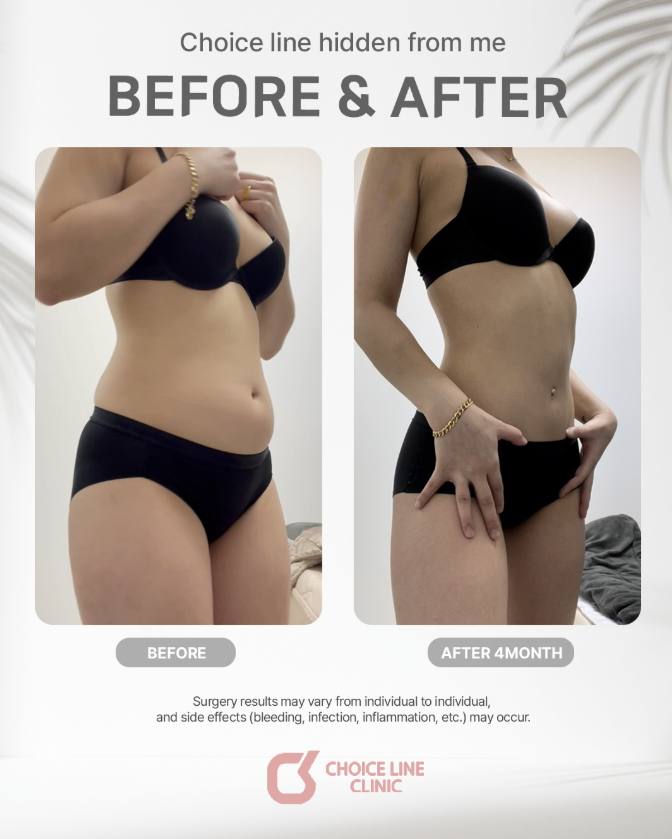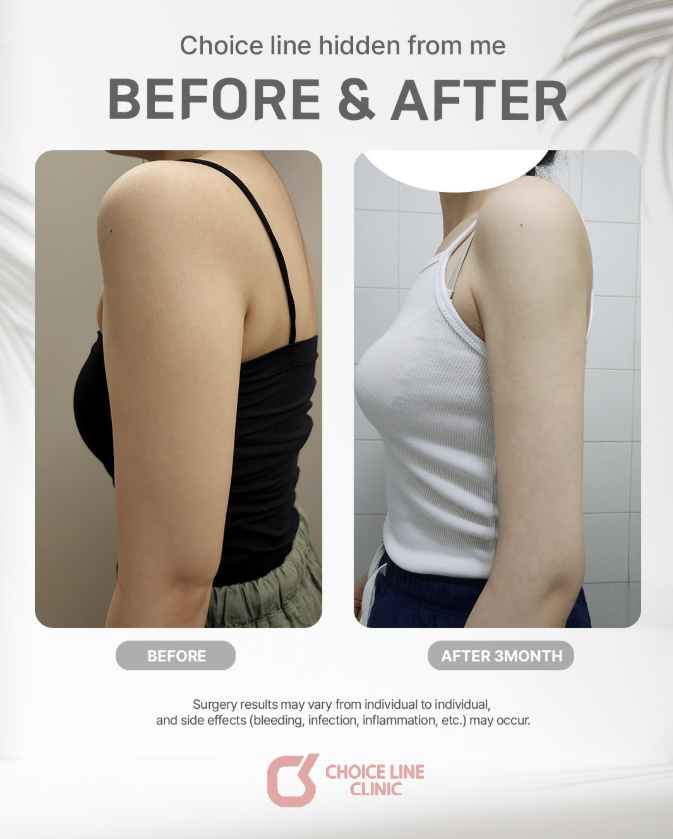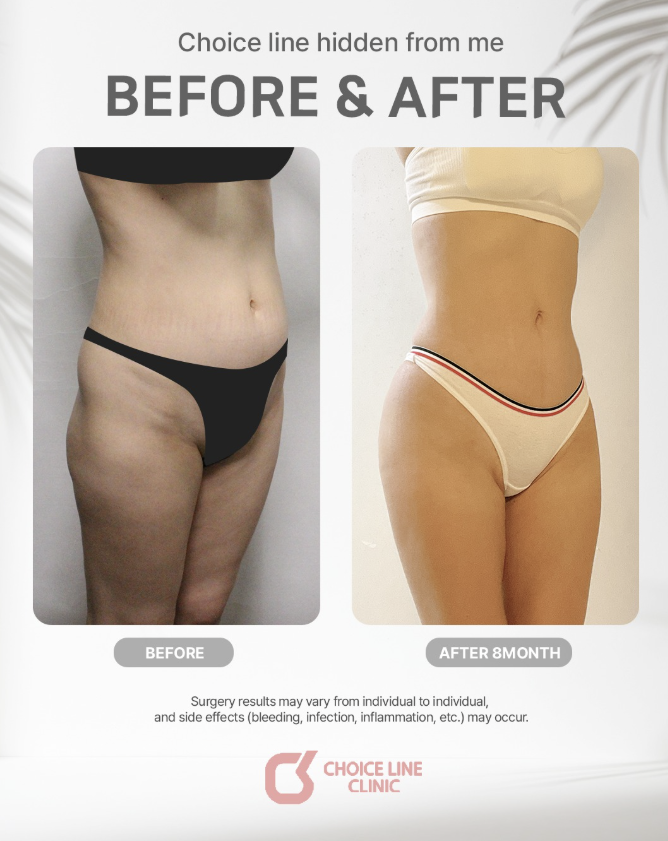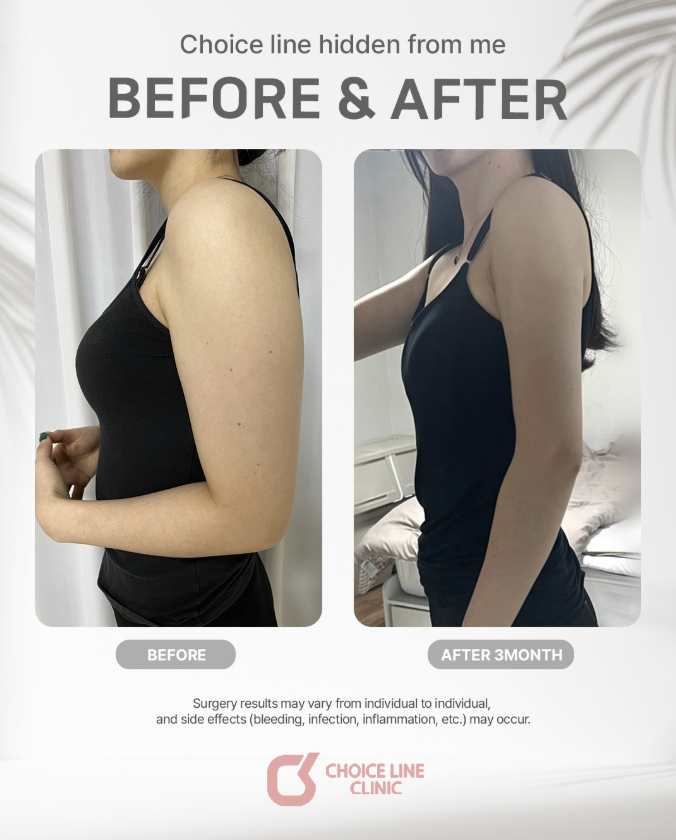




What Happens If Too Much Fat Is Removed During Liposuction?
What Happens If Too Much Fat Is Removed During Liposuction?
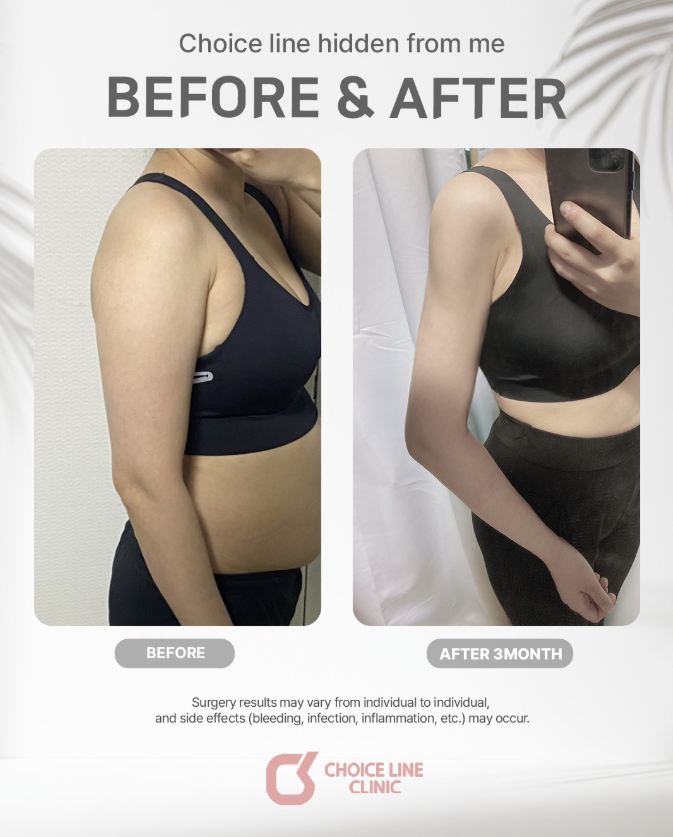
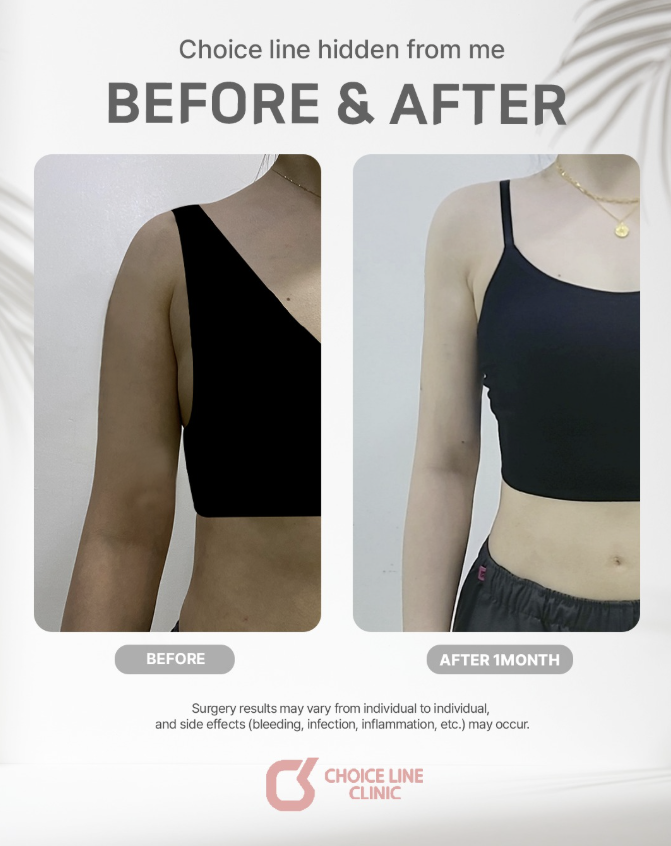
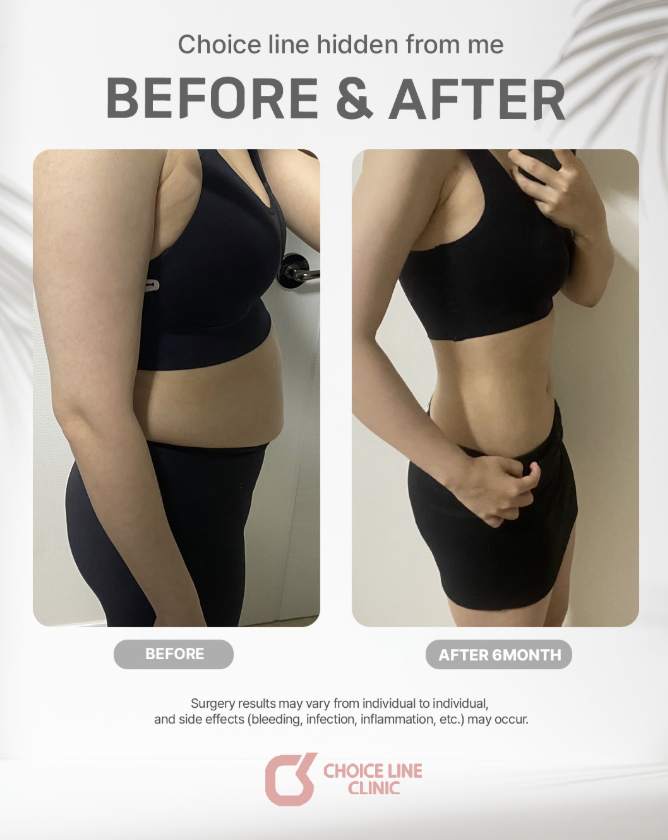
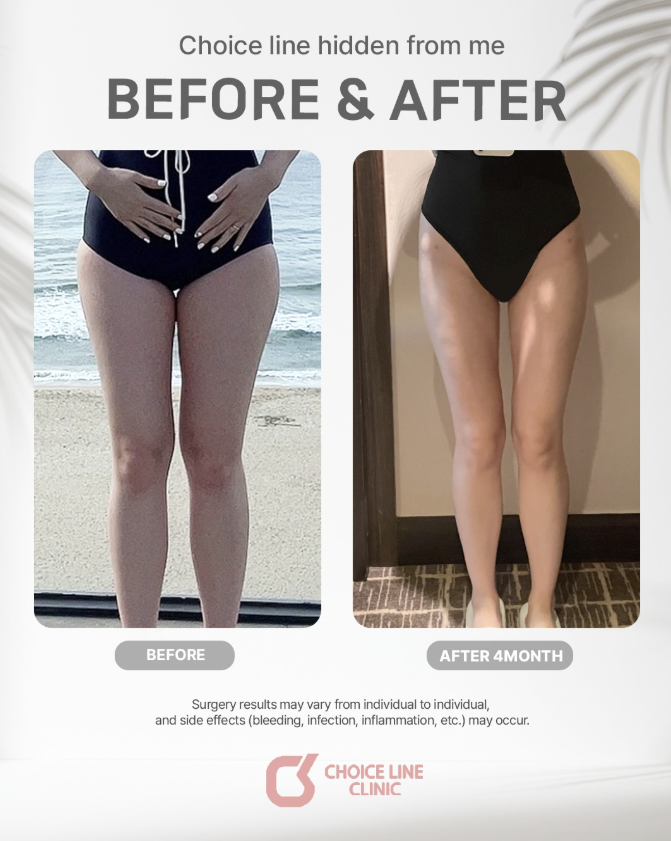
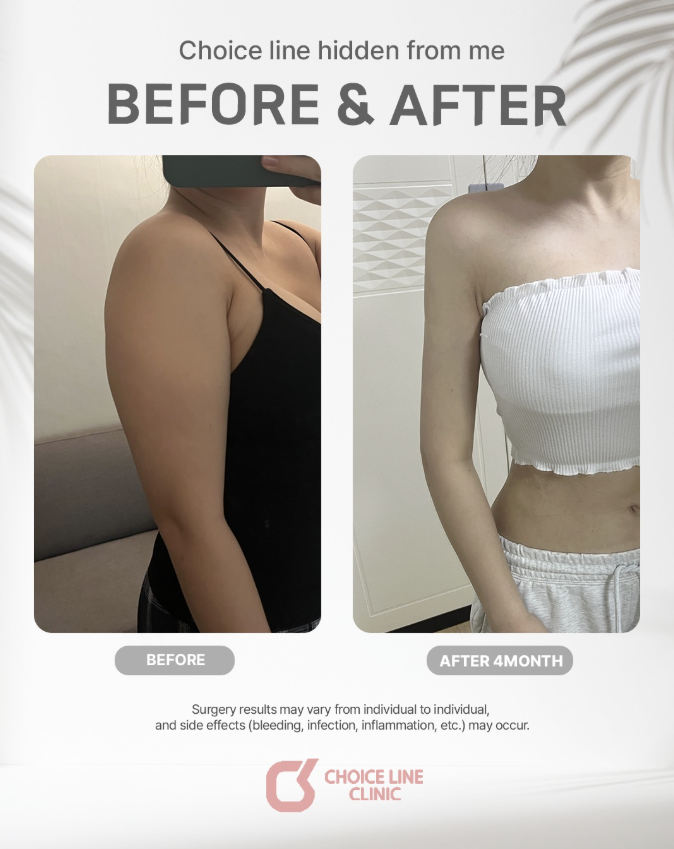
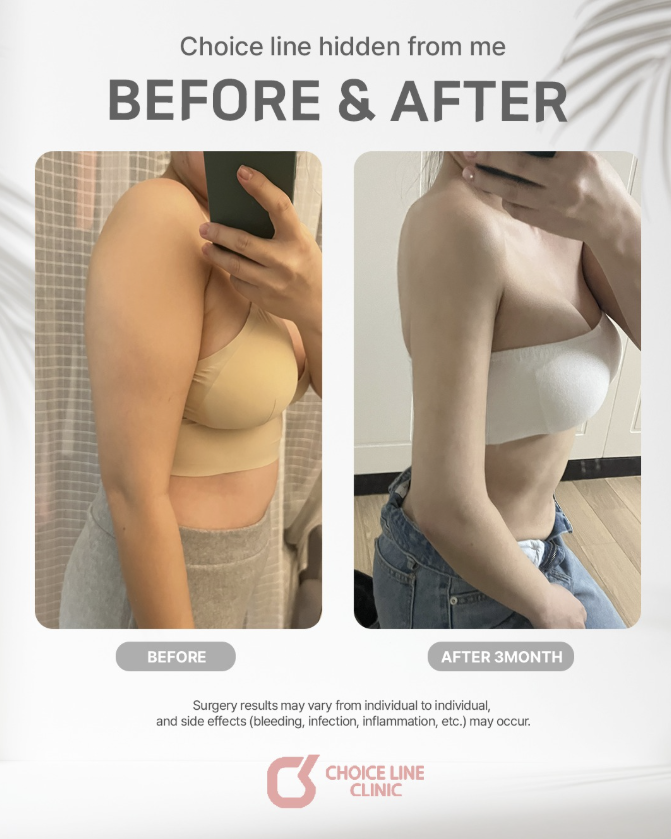
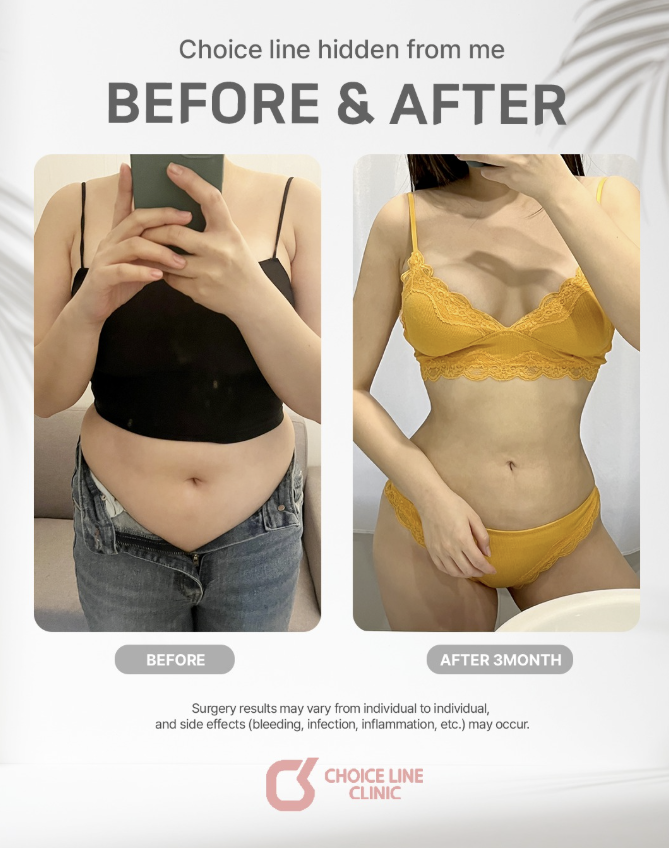
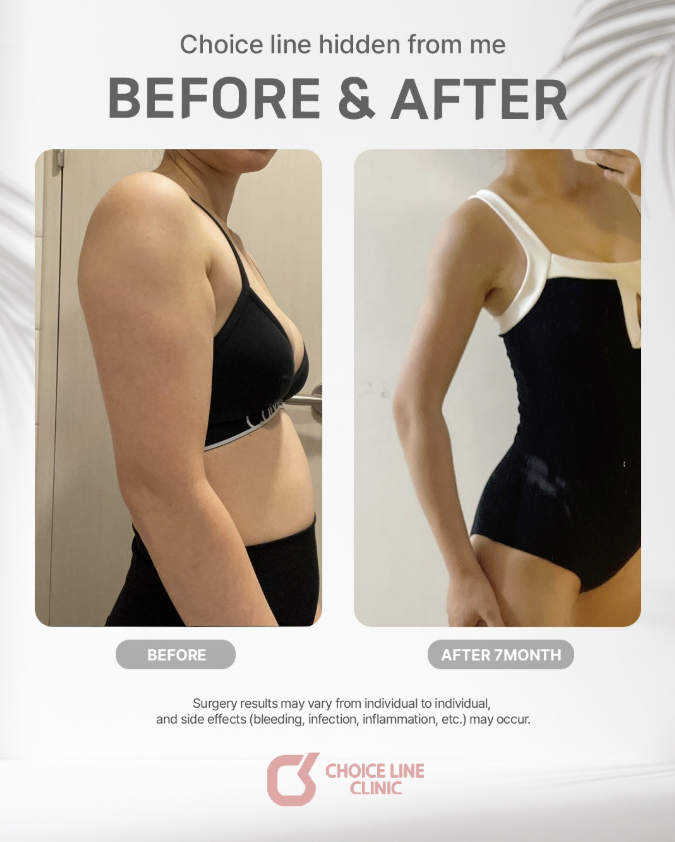
Removing more fat does not always produce a better liposuction result. Excessive fat removal can increase surgical risk and may also create an unnatural or uneven body contour. A well-planned procedure focuses on balanced proportions, safe treatment limits, and preserving enough tissue beneath the skin to create a smooth result.
Why Is There a Limit to Fat Removal?
Liposuction affects more than just fat volume.
During surgery, the body must manage:
- Fluid shifts
- Blood loss
- Anesthesia
- Tissue trauma
- Inflammation
- Postoperative swelling
As the procedure becomes more extensive, the physical stress on the body generally increases.
Can Removing Too Much Fat Be Dangerous?
Yes. High-volume or overly aggressive liposuction may increase the risk of complications.
Possible concerns include:
- Excessive fluid loss
- Blood loss
- Blood-pressure changes
- Longer anesthesia exposure
- Increased swelling
- Difficult recovery
- Blood clots
This is why the amount removed should be based on safety rather than a patient’s desire to remove as much fat as possible.
Can Too Much Liposuction Cause Uneven Results?
Yes. Removing fat too aggressively can create contour irregularities.
These may appear as:
- Dents
- Waves
- Hollow areas
- Uneven thickness
- Asymmetry
- Visible transitions between treated and untreated areas
Once too much tissue has been removed, correcting the contour can be more difficult.
Why Does Some Fat Need to Remain?
A thin layer of fat beneath the skin helps maintain a smooth and natural appearance.
Preserving appropriate tissue can help:
- Prevent visible depressions
- Support the skin
- Maintain natural body proportions
- Create smoother transitions
- Reduce the risk of over-sculpting
The goal is contour improvement rather than complete fat removal.
Can Too Much Fat Removal Cause Loose Skin?
Yes. Removing a large amount of fat can make loose skin more noticeable, especially when skin elasticity is limited.
Patients may develop:
- Sagging
- Wrinkling
- Crepey skin
- Poor skin retraction
- Irregular surface texture
This risk is higher in patients who already have significant skin laxity.
What About the Abdomen and Waist?
Over-aggressive abdominal or waist liposuction can create an unnatural appearance.
Possible problems include:
- Deep hollows
- Sharp contour transitions
- Uneven waistlines
- Visible rib or muscle outlines
- Loose abdominal skin
A balanced waistline usually requires careful shaping rather than maximum fat removal.
Can Too Much Fat Be Removed From the Arms or Thighs?
Yes, and these areas also require conservative contouring.
Excessive removal may result in:
- Thin or hollow-looking arms
- Uneven thighs
- Increased skin laxity
- Visible depressions
- Asymmetry
Natural proportions should be considered alongside the amount of fat removed.
Does High-Volume Liposuction Require More Recovery?
Generally, more extensive liposuction can lead to a more demanding recovery.
Patients may experience:
- Greater swelling
- More bruising
- Increased fatigue
- More discomfort
- Longer compression garment use
- Slower return to normal activity
Patients treating several areas at once should discuss whether staging the procedures would be more appropriate.
Can Too Much Fat Removal Affect Blood Circulation?
Aggressive treatment can cause greater tissue trauma and may affect the health of the skin and underlying tissues.
Although uncommon, serious tissue complications can occur if blood supply is significantly compromised.
Careful surgical technique is important to preserve healthy tissue.
Is There a Safe Maximum Amount of Fat?
There is no single amount that is appropriate for every patient.
Safe treatment planning depends on factors such as:
- Body size
- Overall health
- Treatment areas
- Amount of fat available
- Type of anesthesia
- Surgery duration
- Medical facility
- Postoperative monitoring
The safest amount should be determined individually by the surgical team.
Why Might a Surgeon Recommend Staged Liposuction?
When several large areas need treatment, separating surgery into multiple sessions may sometimes be recommended.
Staging can help reduce:
- Procedure duration
- Overall surgical stress
- Extensive fluid shifts
- Recovery burden
- Risks associated with treating too many areas at once
It may also allow more precise contour planning.
Can Over-Removed Fat Be Corrected?
Some contour problems may be improved, but correction can be more complicated than the original surgery.
Possible revision options may include:
- Fat grafting
- Limited revision liposuction
- Skin-tightening procedures
- Surgical skin removal
Results depend on the amount of tissue remaining, skin quality, and severity of the irregularity.
How Can Patients Reduce the Risk?
Patients should choose a surgeon who prioritizes proportion and safety rather than maximum fat removal.
Before surgery, it is helpful to discuss:
- How much fat is expected to be removed
- Why that amount is appropriate
- Which areas will be treated
- Whether multiple areas should be staged
- How skin elasticity may affect the result
Patients should be cautious of promises to remove an unusually large amount of fat simply to create a dramatic change.
Final Thoughts
Removing too much fat during liposuction can increase medical risks and may lead to uneven contours, loose skin, hollows, or unnatural body proportions. Successful liposuction is not about removing the largest possible amount of fat but about creating a balanced shape while preserving healthy tissue. For patients considering liposuction in Korea, discussing realistic fat-removal limits, treatment areas, and whether staged surgery is appropriate can help support both safety and natural-looking results.