



When Can I Fly After Liposuction in Korea?
When Can I Fly After Liposuction in Korea?
International patients traveling to Korea for liposuction often want to know how soon they can safely fly home. While the appropriate timing depends on the size of the procedure, recovery progress, and individual risk factors, flying too soon after surgery can increase swelling and the risk of blood clots. Patients should therefore build enough recovery time into their stay in Korea before taking a long-haul flight.
How Soon Can You Fly After Liposuction?
There is no single timeline that applies to every patient.
The American Society of Plastic Surgeons has advised allowing at least 5–7 days after body procedures such as liposuction before flying, while some surgeons recommend waiting longer—particularly for long-distance travel or extensive procedures.
Timing depends on:
- Treatment area
- Amount of fat removed
- Number of areas treated
- Length of the flight
- Individual healing
- Risk of blood clots
Your surgeon should provide final clearance based on your recovery.
Why Is Flying Too Soon a Concern?
Both surgery and prolonged sitting during air travel can increase the risk of blood clots.
Recent surgery is itself a risk factor, and long periods of limited movement can further increase the chance of deep vein thrombosis, or DVT.
Flying too early may also contribute to:
- Increased swelling
- Discomfort
- Fatigue
- Difficulty managing compression garments
- Limited access to medical care during travel
Does the Size of the Procedure Matter?
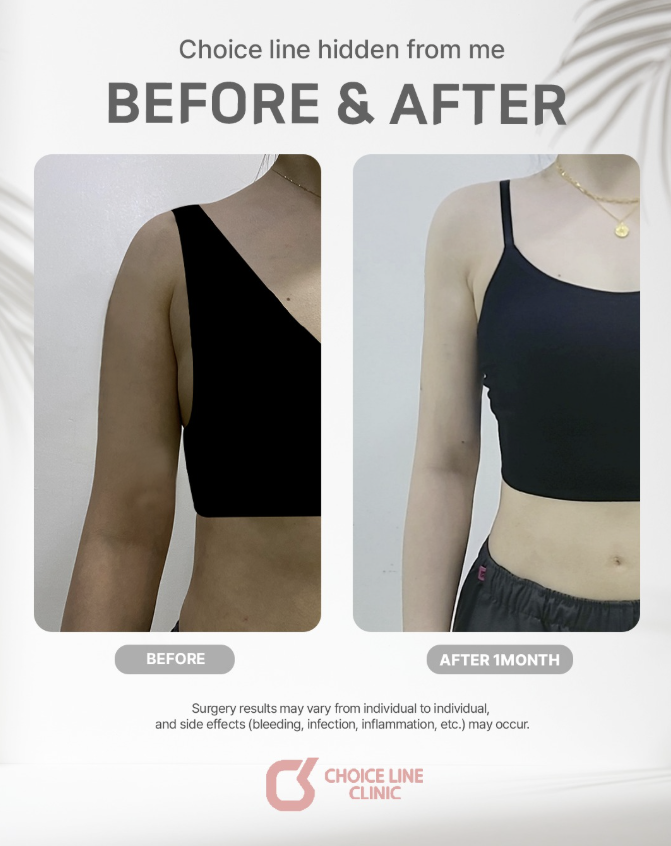
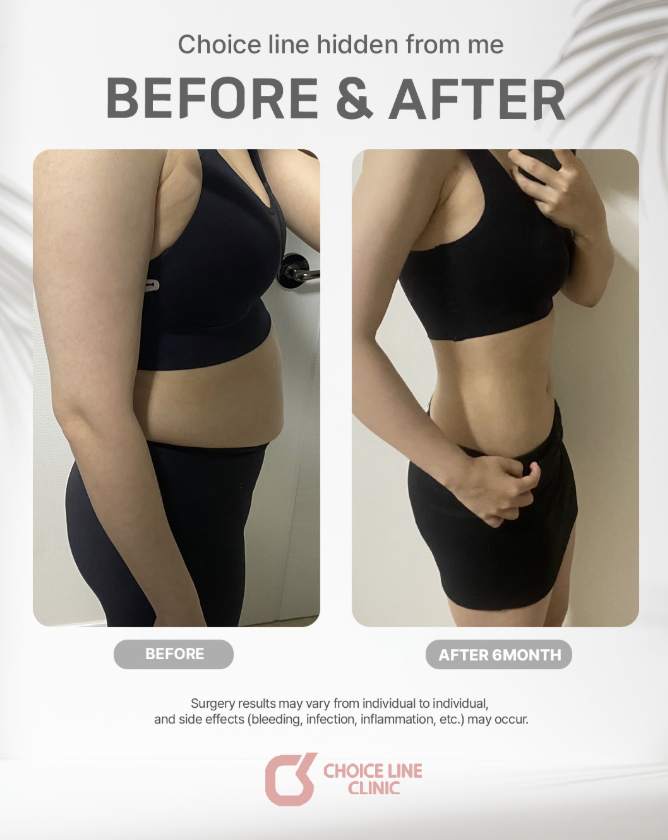
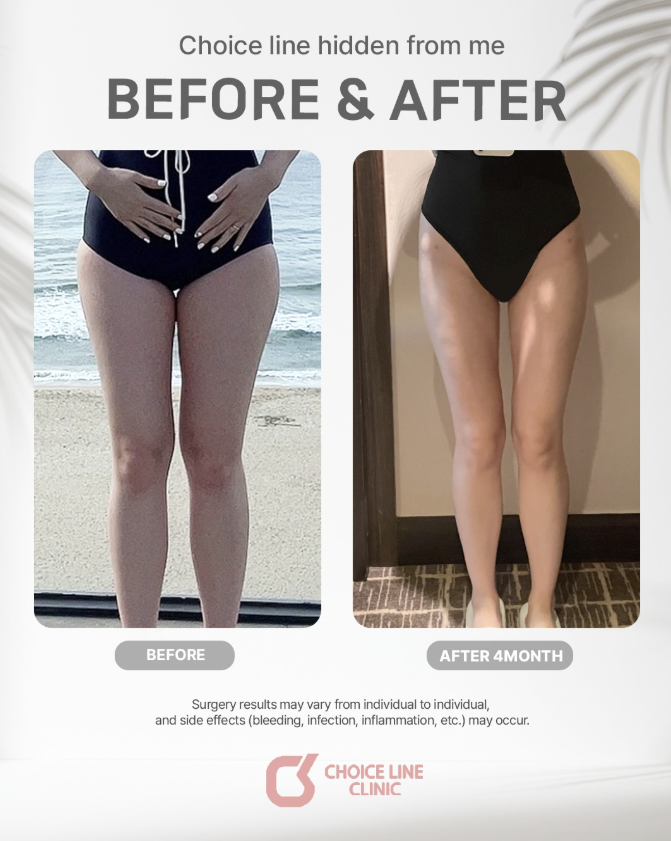
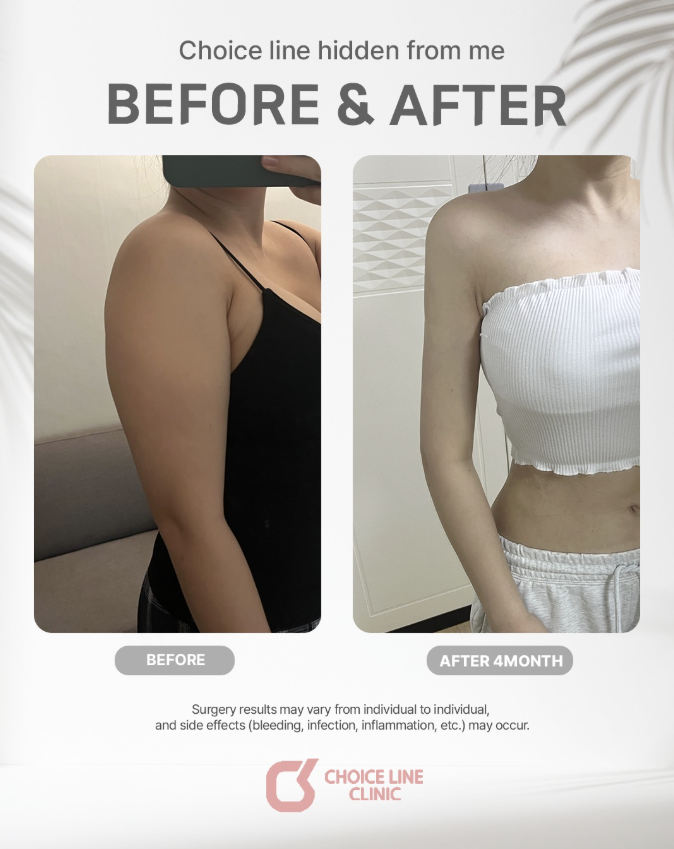
Yes. Small-area liposuction generally involves less recovery than extensive body contouring.
For example:
- Chin liposuction may require less recovery
- Arm liposuction may allow easier mobility
- Abdomen liposuction may require more rest
- Thigh liposuction can make walking uncomfortable
- 360° or full-body liposuction may require a longer stay
Patients undergoing several large areas should expect more recovery before long-distance travel.
What About Long-Haul International Flights?
Long flights require additional caution because patients remain seated for extended periods.
The CDC notes that recent surgery increases the risk of travel-related blood clots and recommends getting up and walking periodically during long journeys.
For long-haul flights, patients may need more recovery time than they would for a short domestic flight.
How Long Should You Stay in Korea?
International patients should plan enough time for both early recovery and postoperative checkups.
Depending on the procedure, the stay may include:
- Surgery day
- Initial recovery
- Dressing or wound checks
- Swelling evaluation
- Follow-up consultation
- Medical clearance before departure
For elective surgery patients traveling long distances, some plastic surgeons recommend remaining locally for around one to two weeks depending on the procedure.
Can You Fly After 360° or Full-Body Liposuction?
Yes, but these procedures usually require more careful travel planning.
Extensive liposuction may involve:
- More swelling
- Greater fatigue
- Multiple compression garments
- Reduced mobility
- Longer recovery
Patients should not assume the same flight timeline as someone who had a small-area procedure.
How Can You Reduce Risk During the Flight?
When the surgeon has cleared you to travel, several precautions may help during a long flight.
These may include:
- Walking periodically
- Moving the ankles and calves while seated
- Staying appropriately hydrated
- Wearing compression garments as instructed
- Choosing an aisle seat when possible
- Avoiding prolonged immobility
The CDC recommends walking periodically and performing calf and leg movements during long travel.
Should You Wear Compression Garments on the Plane?
Many patients are still wearing postoperative compression garments when they fly home.
Compression garments may help:
- Support treated tissues
- Manage swelling
- Improve comfort
- Maintain postoperative support
However, patients should follow their surgeon’s specific instructions about garment use during travel.
What Should You Avoid Before Flying Home?
Patients should avoid turning the recovery period into a busy sightseeing schedule.
During early recovery, it is generally better to avoid:
- Long walking tours
- Heavy luggage
- Strenuous exercise
- Excessive alcohol
- Activities that increase swelling or fatigue
ASPS specifically cautions against extensive tourism activities during recovery from cosmetic surgery.
When Should You Delay Your Flight?
Travel plans may need to change if recovery is not progressing normally.
Patients should contact their medical team if they experience:
- Significant one-sided leg swelling
- Increasing pain
- Severe swelling
- Fever
- Chest pain
- Shortness of breath
Symptoms that may suggest a blood clot or another complication require prompt medical evaluation.
Why Follow-Up Before Flying Matters
A postoperative visit allows the medical team to check healing before the patient leaves Korea.
The surgeon may evaluate:
- Swelling
- Incision healing
- Bruising
- Mobility
- Signs of complications
- Readiness for travel
International patients should ideally complete important early follow-up appointments before returning home.
Final Thoughts
Many patients may be able to fly after liposuction once early recovery is progressing normally, but the appropriate timing depends on the extent of surgery and the length of the flight. Guidance cited by the American Society of Plastic Surgeons suggests waiting at least 5–7 days after body procedures such as liposuction, while longer waits may be appropriate after extensive surgery or before long-haul travel. For international patients having liposuction in Korea, allowing enough time for recovery, postoperative checks, and medical clearance is safer than scheduling the earliest possible flight home.