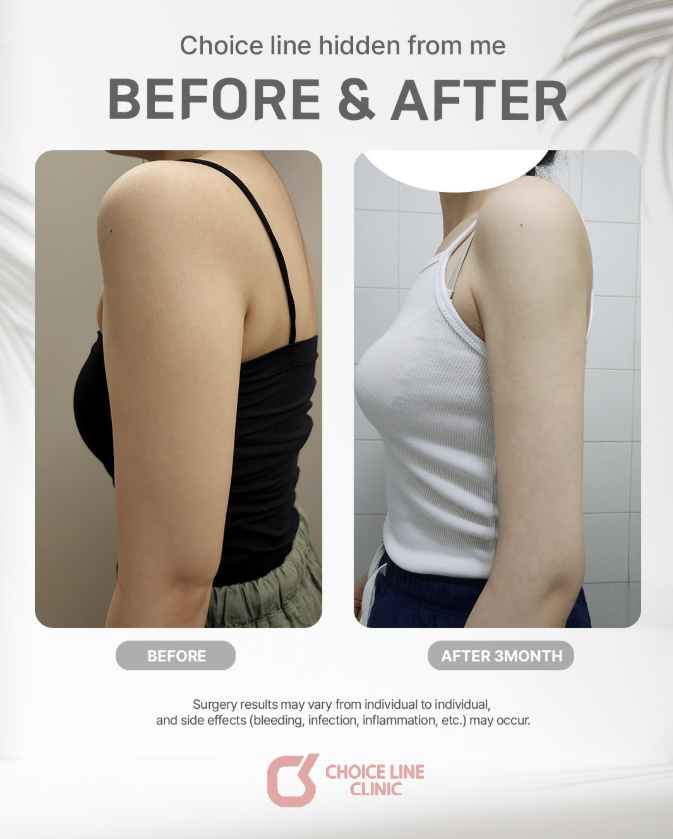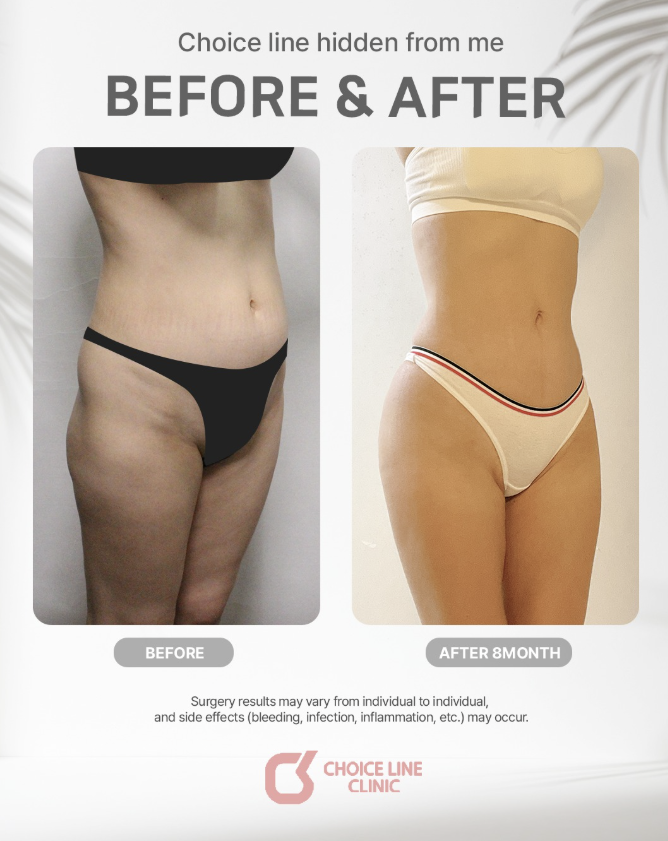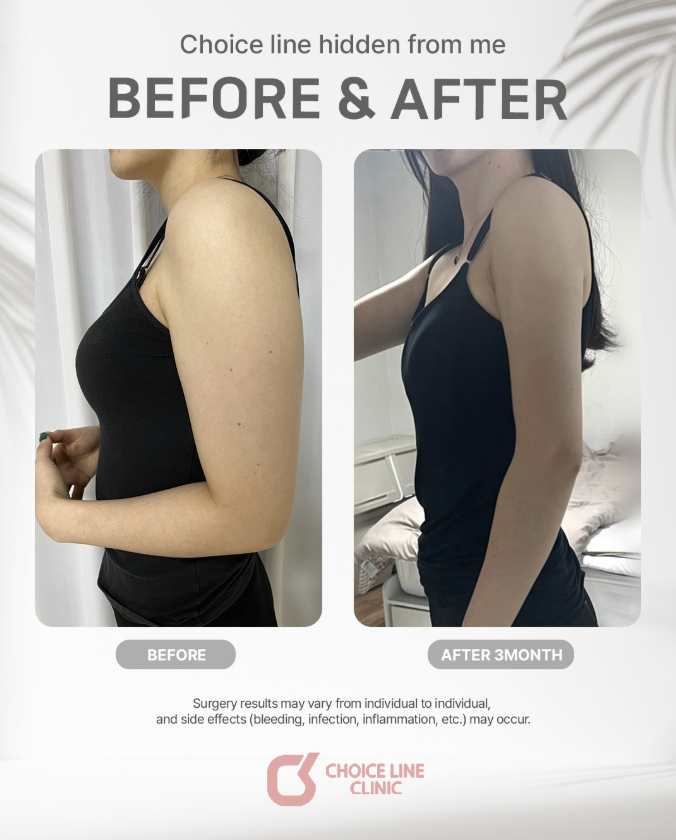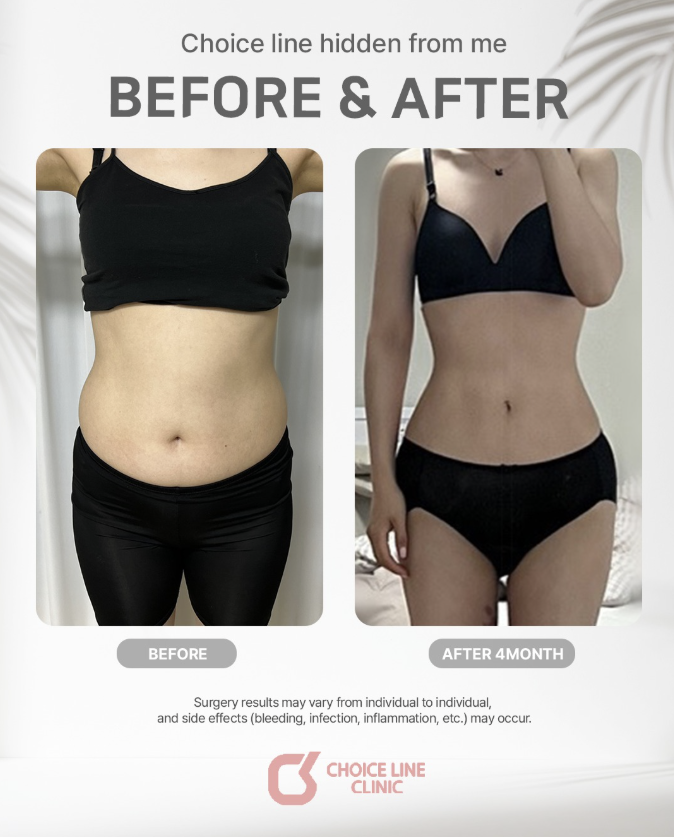




Can You Gain Weight After Liposuction?
Can You Gain Weight After Liposuction?
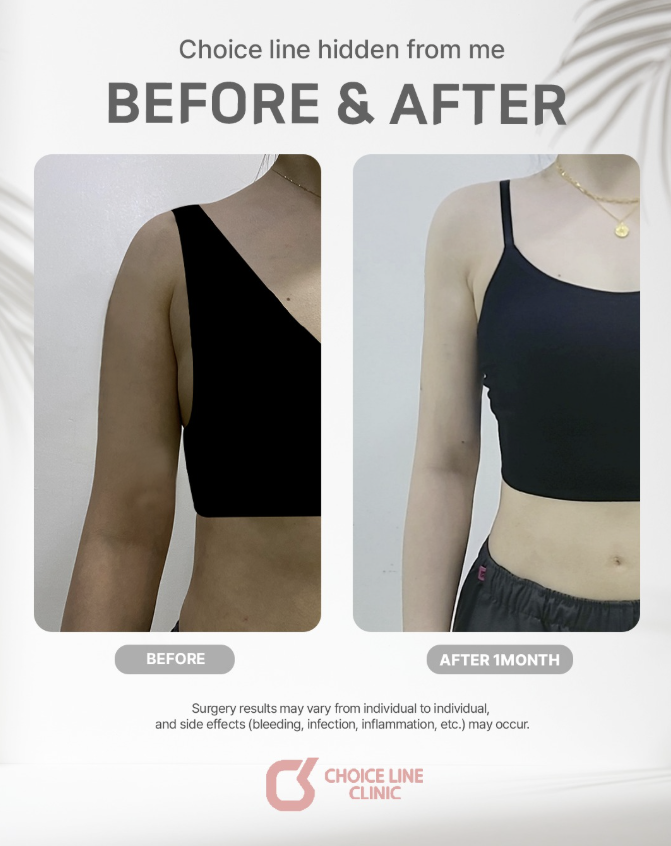
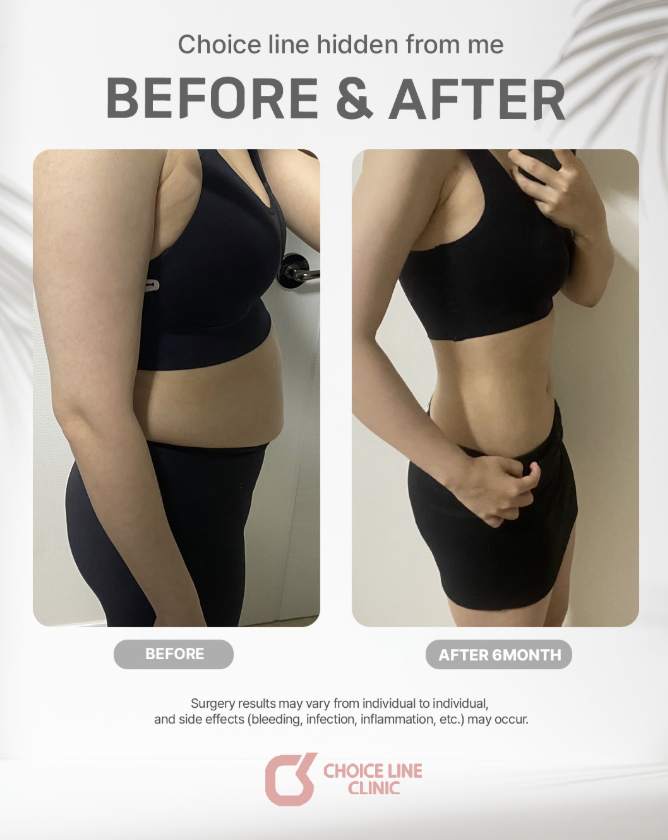
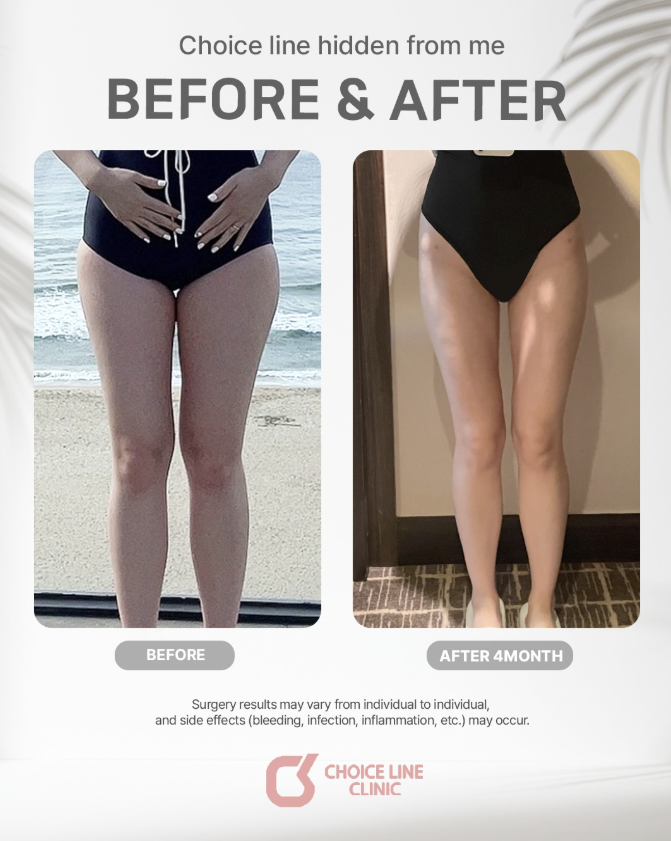
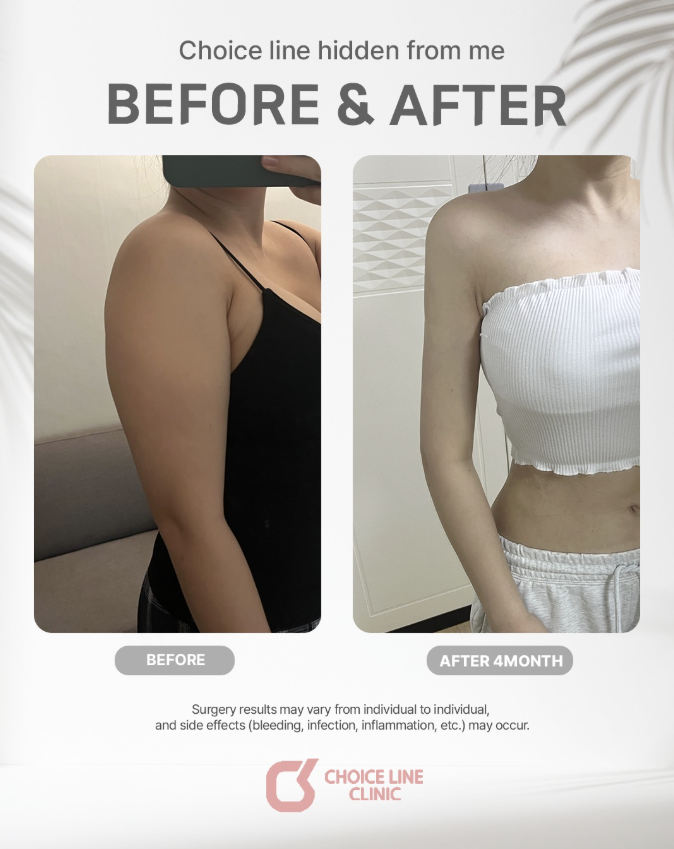
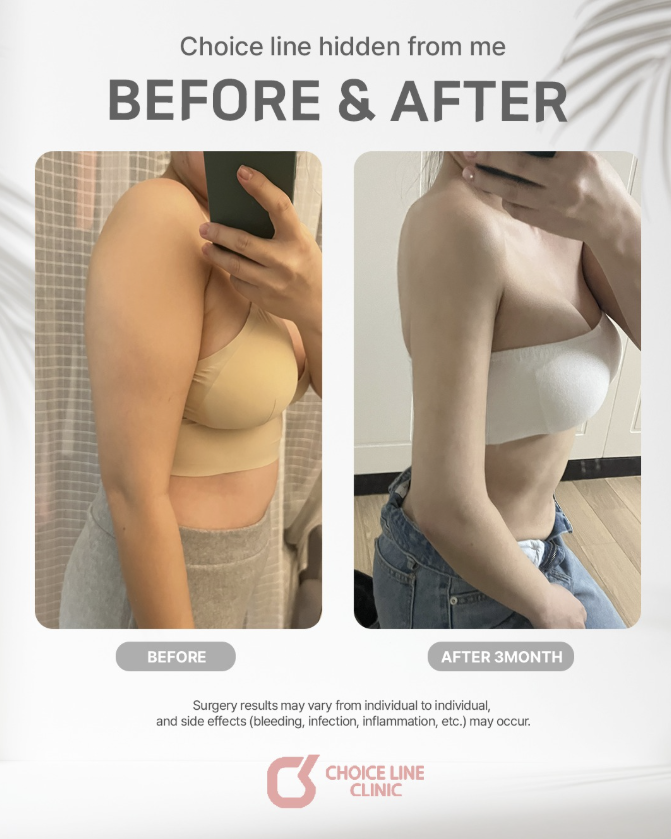
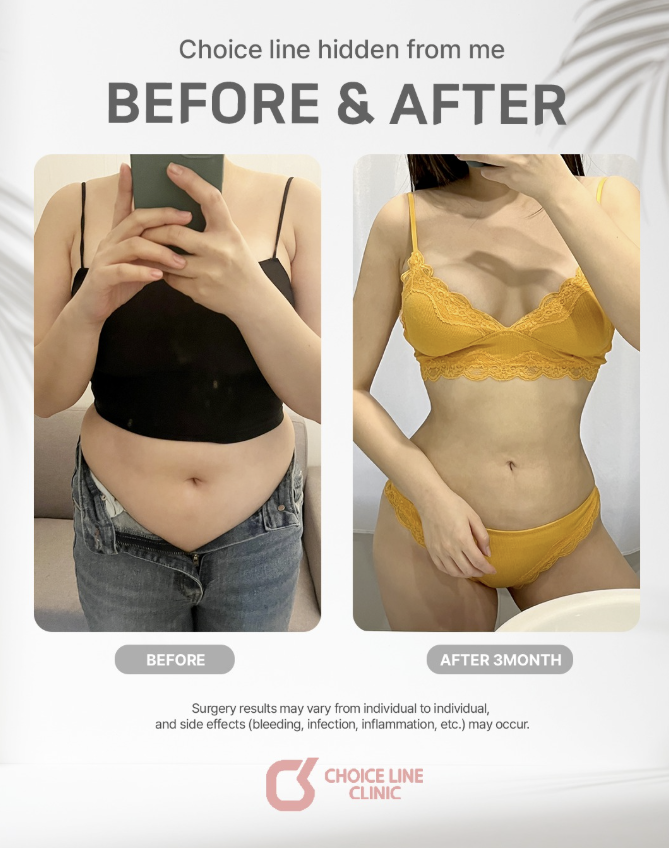
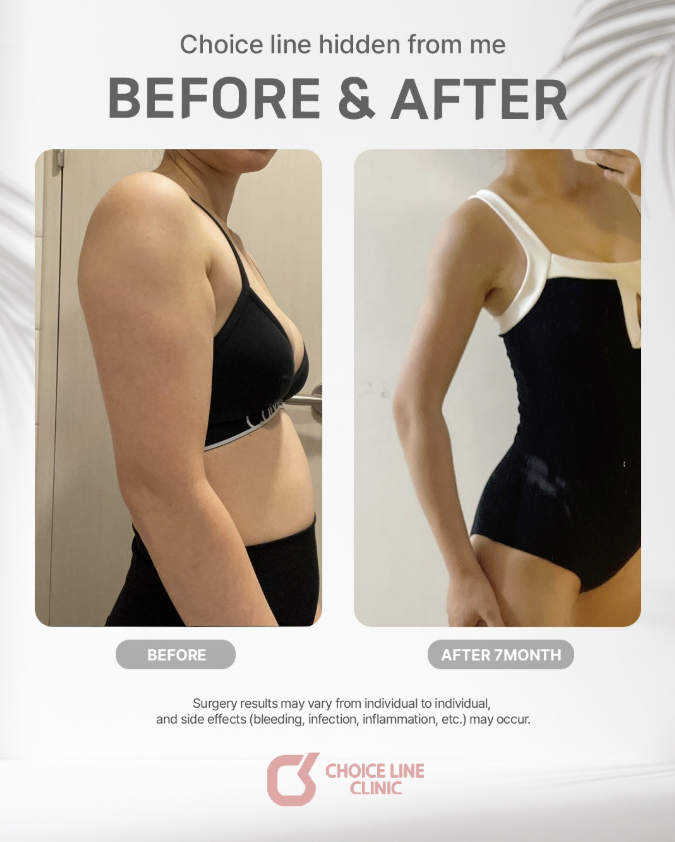
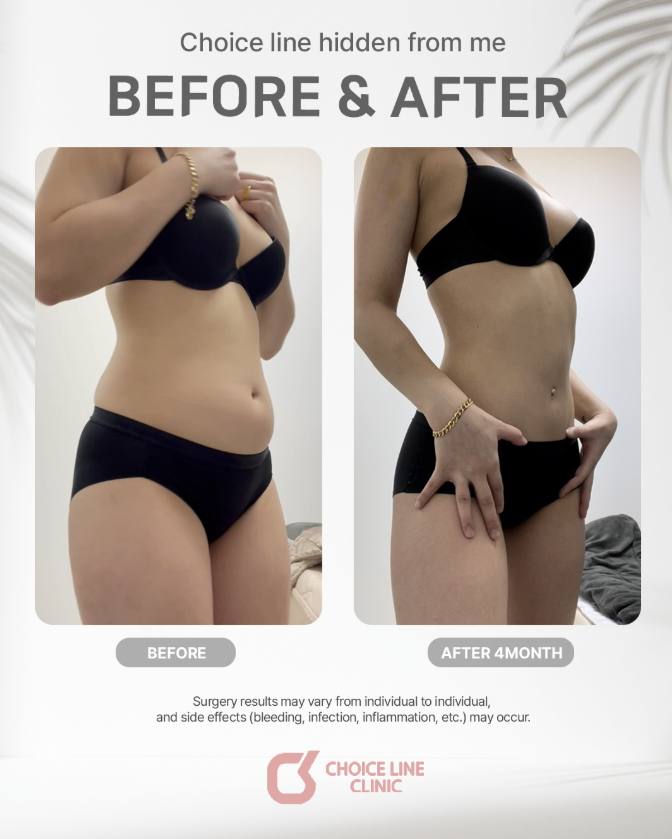
Yes, you can gain weight after liposuction. The procedure permanently removes some fat cells from the treated area, but it does not prevent the remaining fat cells from becoming larger if your body weight increases. Maintaining a relatively stable weight after surgery is therefore important for preserving the improved body contour.
What Happens to Fat Cells After Liposuction?
Liposuction removes a portion of the fat cells from the treated area.
Common treatment areas include:
- Abdomen
- Waist
- Arms
- Thighs
- Back
- Chin
The removed fat cells do not normally grow back, but some fat cells remain in every treated area.
Can the Treated Area Gain Fat Again?
Yes. Remaining fat cells can still enlarge when weight is gained.
This may cause:
- Increased fullness
- Reduced definition
- Changes in body proportions
- Less noticeable liposuction results
The area may still retain some improvement compared with before surgery, depending on the amount of weight gained.
What Happens With Small Weight Gain?
Minor weight fluctuations usually do not completely reverse the results.
Patients may still maintain:
- Better waist definition
- Reduced localized fullness
- Smoother body contours
- Improved overall proportions
Keeping weight changes relatively small can help preserve the surgical result.
What Happens With Significant Weight Gain?
Larger weight gain can noticeably affect body shape.
Possible changes include:
- Enlargement of remaining fat cells
- Increased fat in treated areas
- New fullness in untreated areas
- Reduced contour definition
- Changes in overall silhouette
The more significant the weight change, the more noticeable the effect may be.
Does Fat Go to Different Areas After Liposuction?
Fat does not simply move from the treated area to another location.
However, because fewer fat cells remain in the treated area, future weight gain may appear more noticeable in untreated areas.
This can affect areas such as:
- Abdomen
- Back
- Arms
- Thighs
- Hips
Individual fat distribution still depends on genetics, hormones, and lifestyle.
Does Liposuction Change Your Metabolism?
No. Liposuction is a body contouring procedure and does not significantly change the body’s basic metabolism.
It does not directly change:
- Appetite
- Calorie requirements
- Metabolic rate
- Exercise habits
- Hormonal weight regulation
Long-term weight management still depends on overall lifestyle.
Can You Lose Weight After Liposuction?
Yes. Patients can still lose weight normally after recovery.
However, aggressive dieting immediately after surgery is usually not ideal because the body needs adequate nutrition during healing.
After recovery, gradual weight management may help:
- Maintain results
- Improve overall body composition
- Support long-term health
- Preserve balanced proportions
How Soon Should You Focus on Weight Management?
Early recovery should usually focus on healing rather than weight loss.
Important priorities include:
- Adequate nutrition
- Hydration
- Light activity
- Compression garment use
- Following postoperative instructions
Exercise and more structured weight management can gradually return as recovery progresses.
Can Pregnancy Affect Liposuction Results?
Yes. Pregnancy can change body shape even after successful liposuction.
Possible changes include:
- Weight gain
- Abdominal stretching
- New fat distribution
- Skin laxity
- Changes in waist definition
The removed fat cells remain gone, but the overall body contour can still change.
Can Aging Affect the Results?
Natural aging continues after liposuction.
Over time, patients may experience:
- Changes in skin elasticity
- Muscle changes
- New fat distribution
- Gradual skin laxity
These changes can affect the appearance of the treated area even when body weight remains relatively stable.
How Can You Maintain the Results?
Long-term maintenance usually depends on sustainable lifestyle habits.
Helpful habits include:
- Maintaining a stable weight
- Regular exercise
- Balanced nutrition
- Adequate hydration
- Avoiding major weight fluctuations
The goal is consistency rather than maintaining an exact number on the scale.
What If You Gain Weight Years Later?
Weight gain years after liposuction does not mean the procedure has failed.
The body can naturally change over time because of:
- Aging
- Lifestyle changes
- Hormonal changes
- Pregnancy
- Reduced physical activity
Returning to a stable weight may help restore some of the improved contour.
Final Thoughts
You can gain weight after liposuction because the remaining fat cells can still enlarge, even though the fat cells removed during surgery are permanently gone. Small weight fluctuations usually do not erase the result, while significant weight gain can reduce contour definition and change overall body proportions. Maintaining a relatively stable weight, staying active, and following balanced lifestyle habits are the best ways to preserve liposuction results over the long term.