



Does Liposuction Remove Cellulite?
Does Liposuction Remove Cellulite?
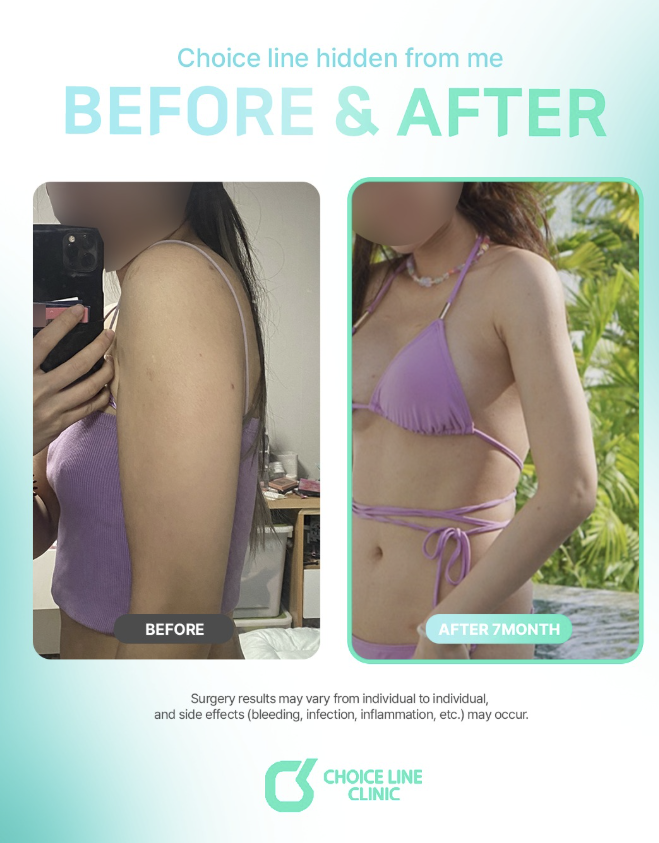
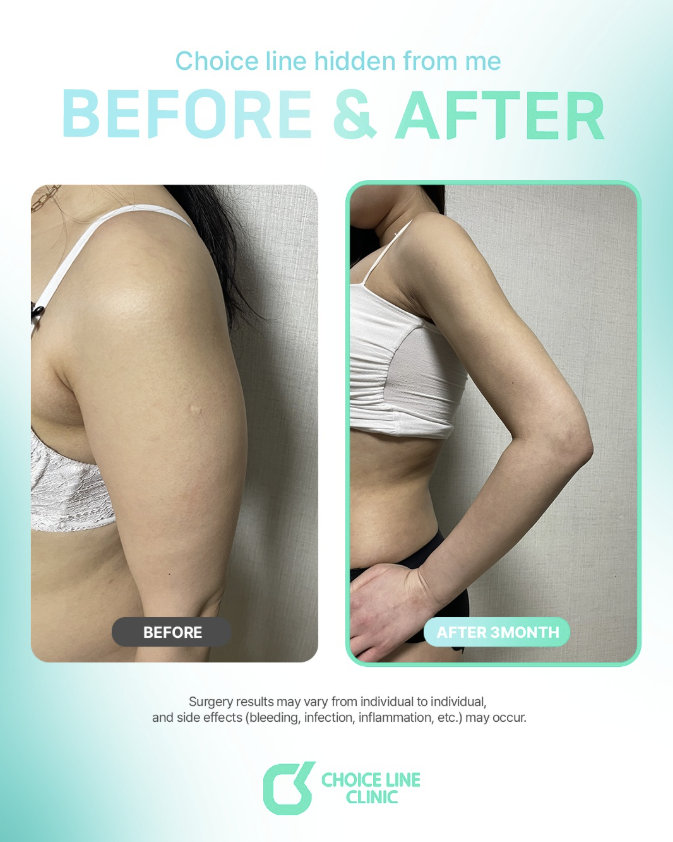
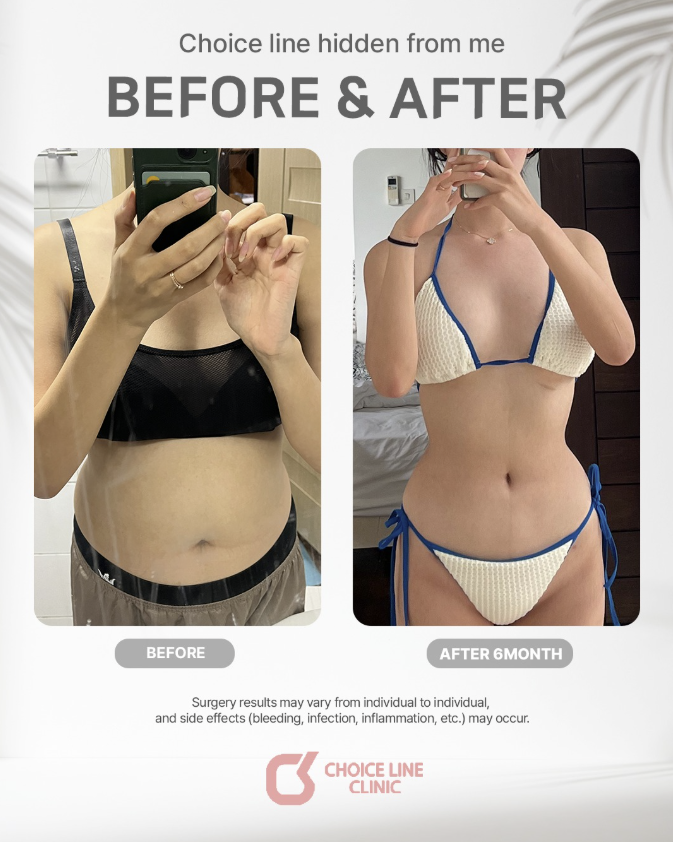
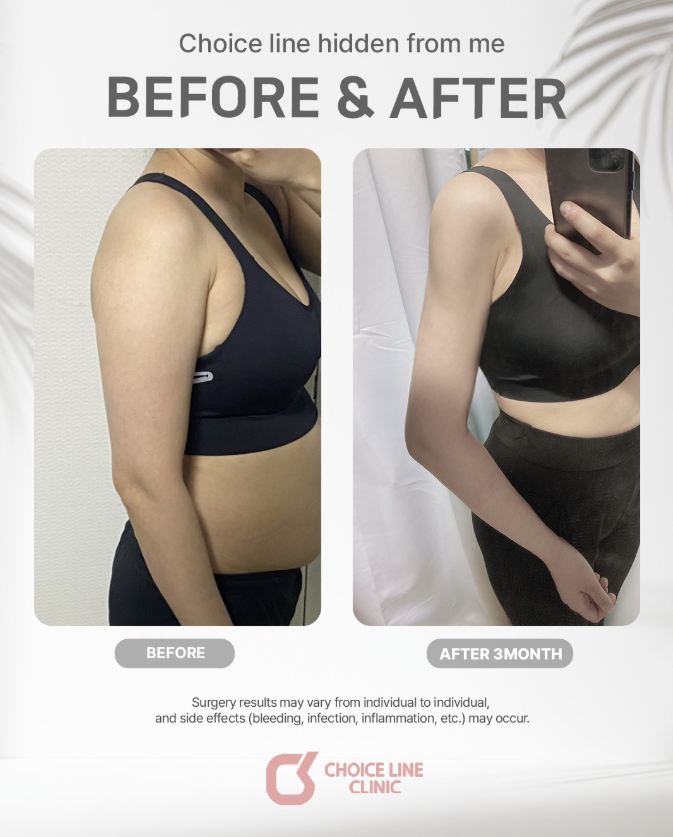
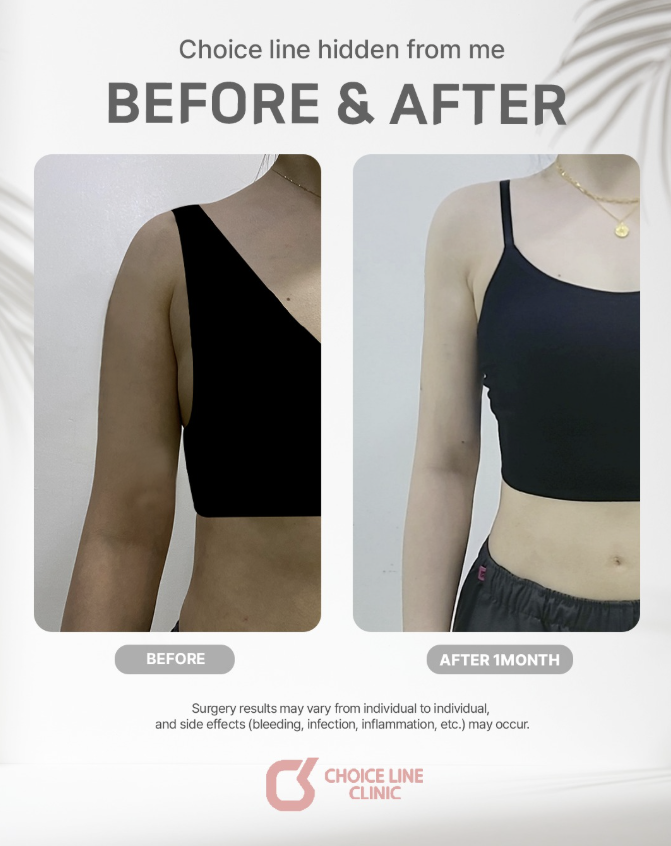
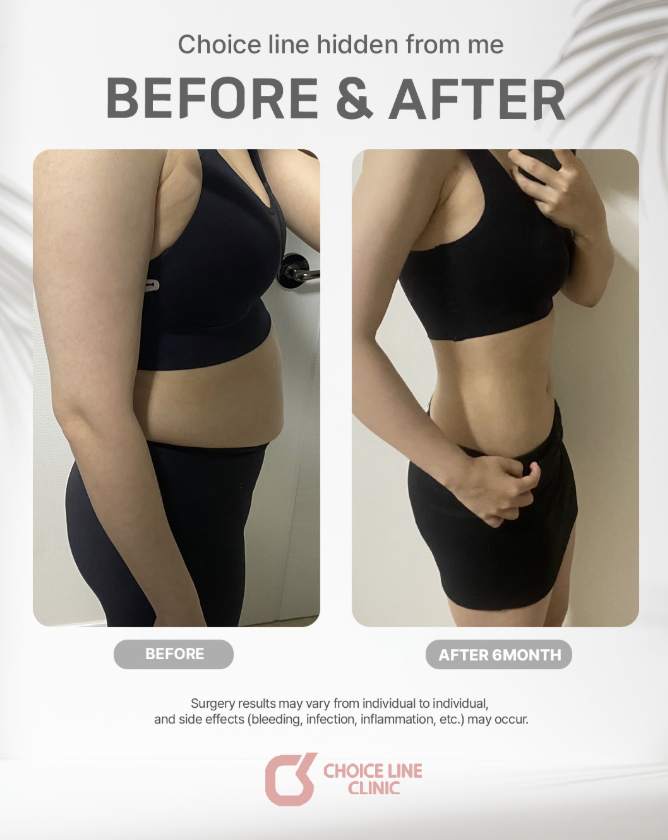
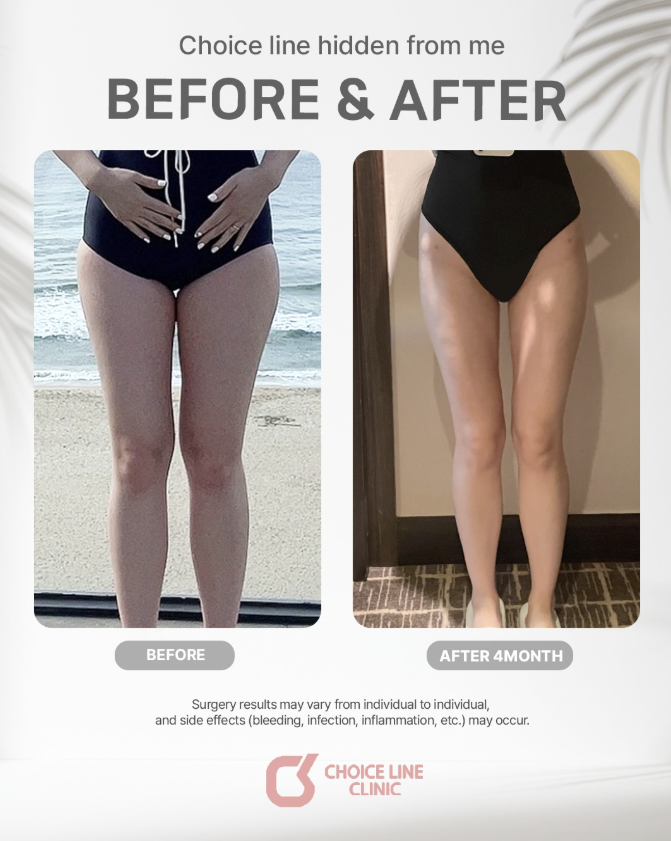
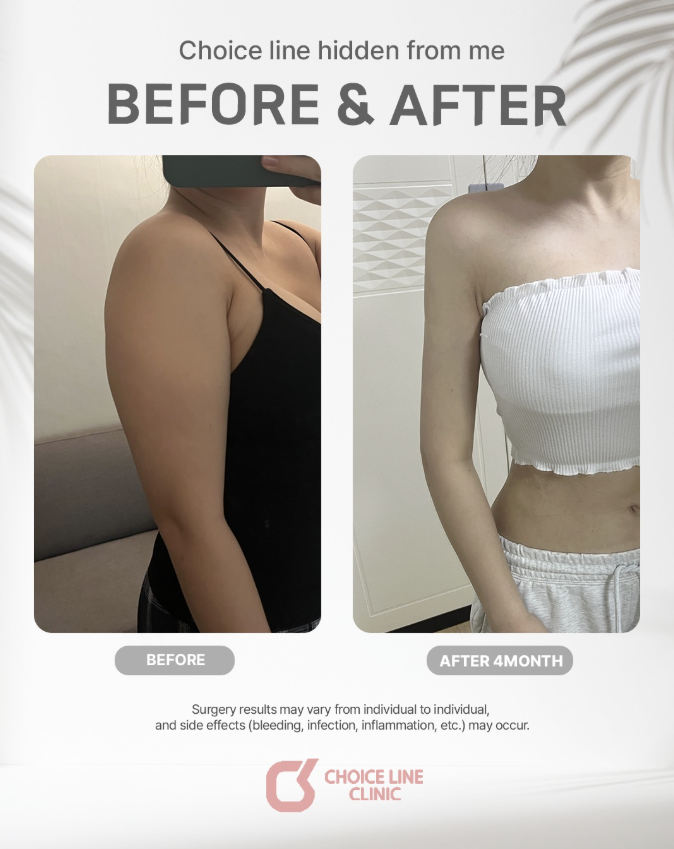
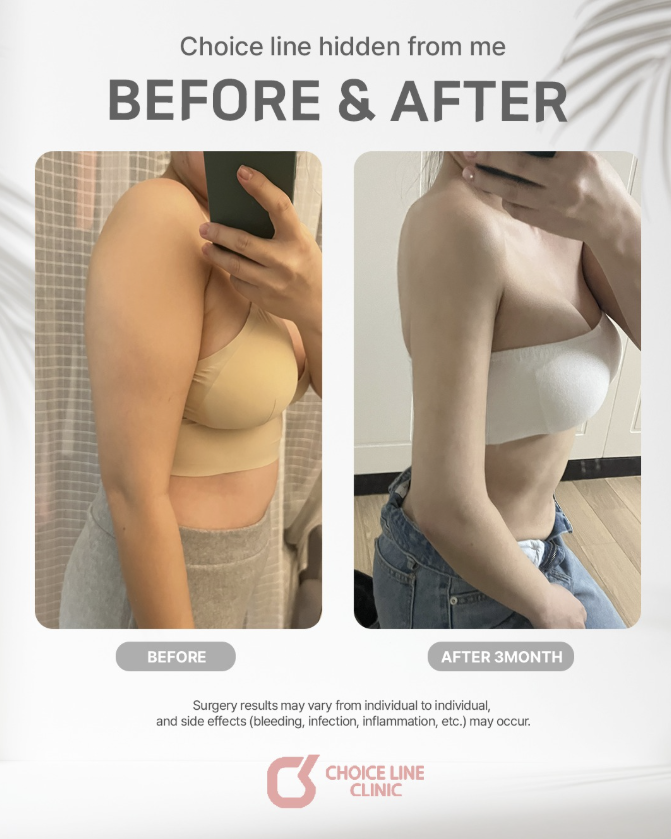
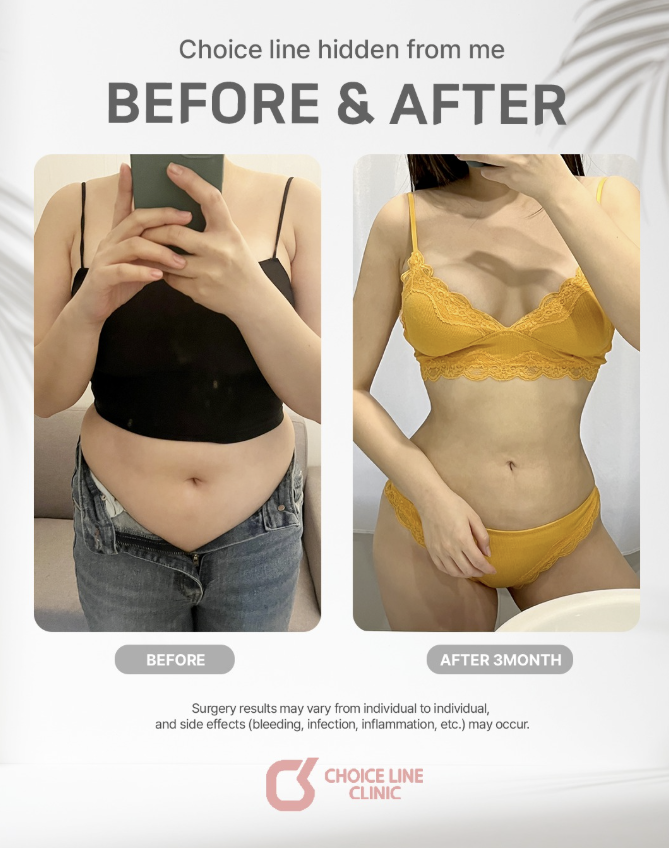
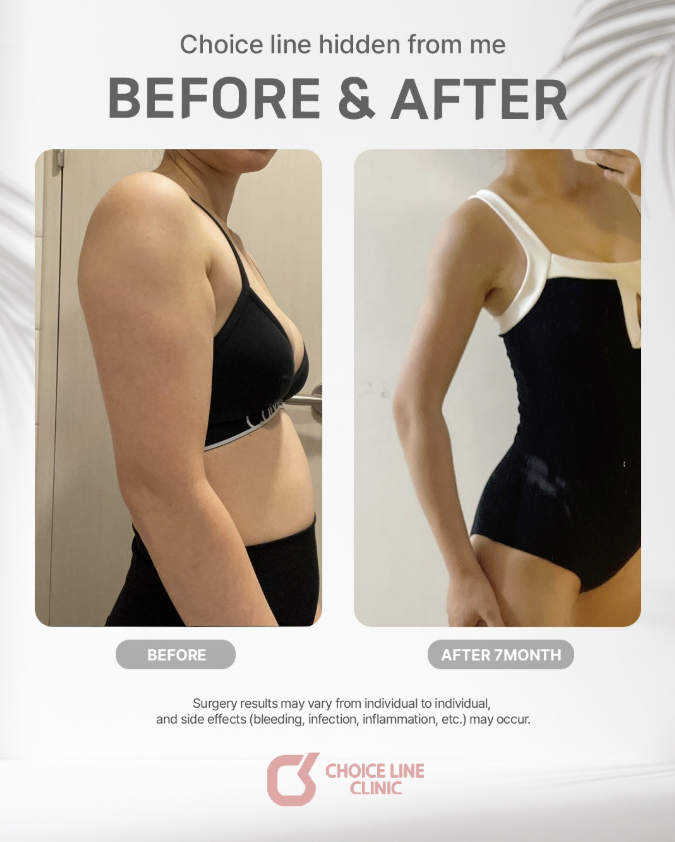
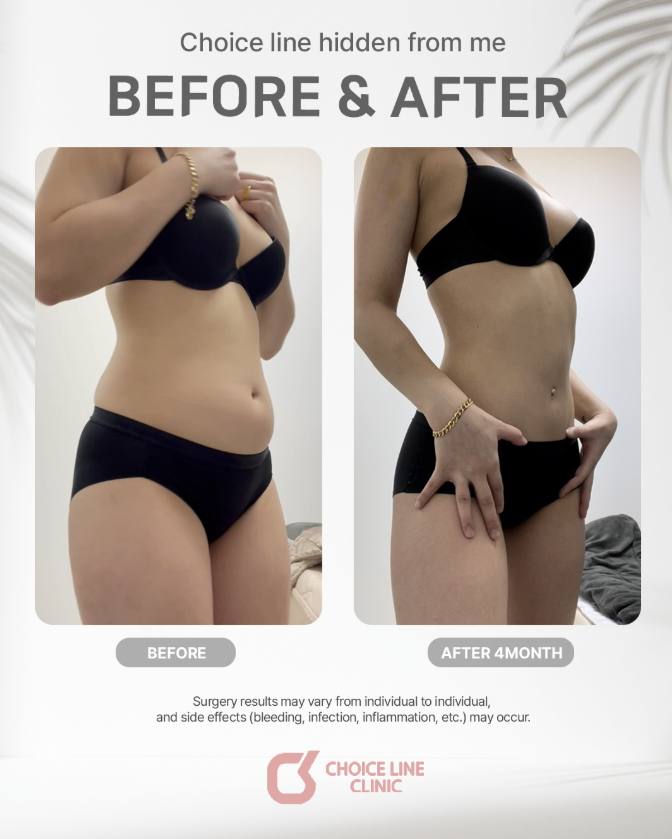
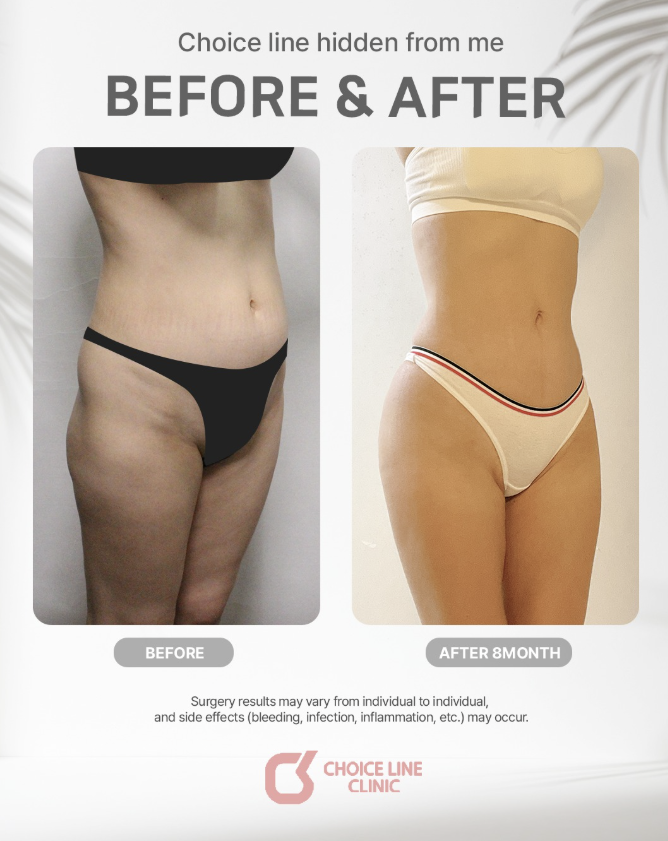
Liposuction can reduce localized fat and improve body contours, but it is not designed specifically to remove cellulite. Cellulite is caused by the way fat, connective tissue, and skin interact beneath the surface, so removing fat alone does not always smooth the dimpled appearance. In some cases, cellulite may look slightly better after contouring, while in others it may remain unchanged or even become more noticeable.
What Is Cellulite?
Cellulite is the dimpled or uneven skin texture commonly seen on the thighs, hips, and buttocks.
It is influenced by:
- Connective tissue structure
- Fat distribution
- Skin thickness
- Genetics
- Hormonal factors
- Skin elasticity
Cellulite can occur even in people who are relatively slim.
Why Doesn’t Liposuction Remove Cellulite?
Liposuction mainly removes subcutaneous fat, while cellulite involves fibrous bands beneath the skin.
These bands can pull the skin downward and create:
- Dimples
- Uneven texture
- Small depressions
- Orange-peel appearance
Removing fat does not directly release these connective tissue bands.
Can Cellulite Improve After Liposuction?
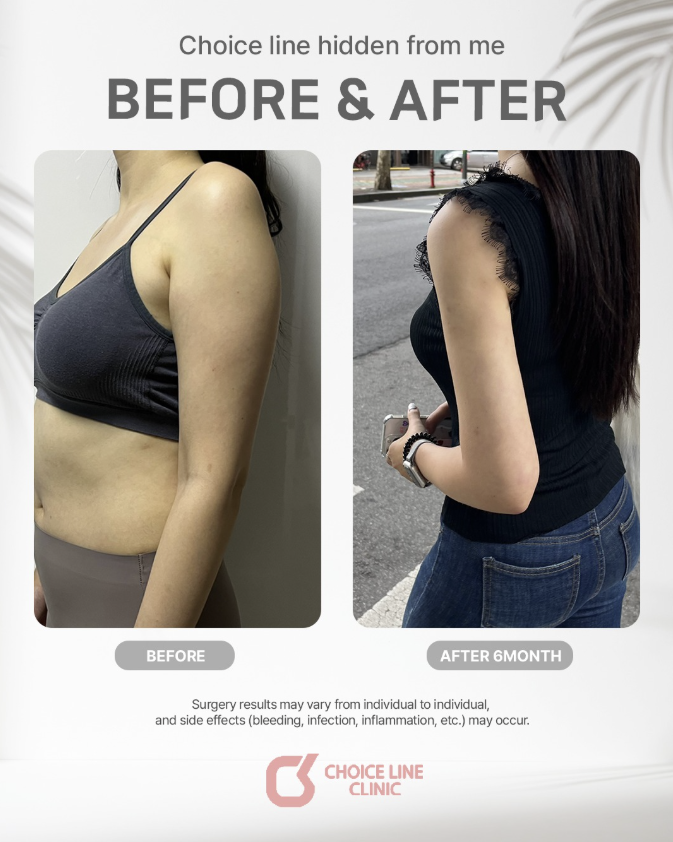
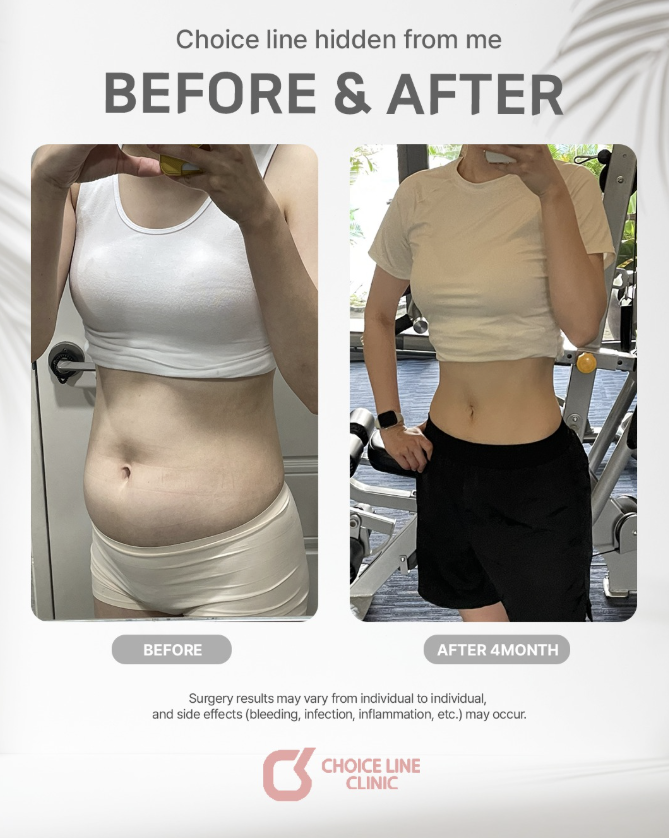
Some patients may notice a smoother overall shape after fat reduction.
Possible improvements may include:
- Reduced bulky fat
- Smoother body contours
- Better thigh definition
- Improved overall proportions
However, these changes do not mean the cellulite itself has been eliminated.
Can Liposuction Make Cellulite Worse?
In some cases, cellulite may become more noticeable after fat removal.
This may happen when:
- Too much fat is removed
- Skin elasticity is poor
- Significant cellulite existed before surgery
- Skin becomes looser after fat reduction
- Contour irregularities develop
Careful and conservative treatment planning is important.
Which Areas Commonly Have Cellulite?
Cellulite is most frequently seen around the lower body.
Common areas include:
- Outer thighs
- Inner thighs
- Buttocks
- Hips
- Back of the thighs
These areas may still show skin texture changes even after successful liposuction.
Does Skin Elasticity Affect Cellulite?
Yes. Skin quality plays an important role in how smooth the treated area looks.
Better skin elasticity may help:
- Skin adapt after fat removal
- Improve overall smoothness
- Reduce visible looseness
- Create cleaner contours
Poor skin elasticity may make existing cellulite more noticeable.
What Treatments Target Cellulite More Directly?
Cellulite-focused treatments may target the connective tissue or skin rather than simply removing fat.
Depending on the patient, options may include:
- Subcision-based treatments
- Radiofrequency procedures
- Laser-based treatments
- Skin-tightening treatments
- Other cellulite-specific technologies
Results vary, and no treatment can guarantee completely smooth skin.
Can Liposuction and Cellulite Treatment Be Combined?
Yes. Some patients may benefit from treating fat and cellulite as separate concerns.
A combined plan may focus on:
- Liposuction for localized fat
- Cellulite treatment for dimpling
- Skin tightening for mild laxity
- Overall contour refinement
The need for combination treatment depends on the patient’s skin and tissue structure.
Who Is a Good Candidate for Liposuction?
Liposuction may still be appropriate for patients who have cellulite if their main concern is excess localized fat.
Good candidates often have:
- Stable body weight
- Localized fat deposits
- Reasonable skin elasticity
- Realistic expectations
- Understanding that cellulite may remain
Patients should discuss skin texture separately during consultation.
What Results Should You Expect?
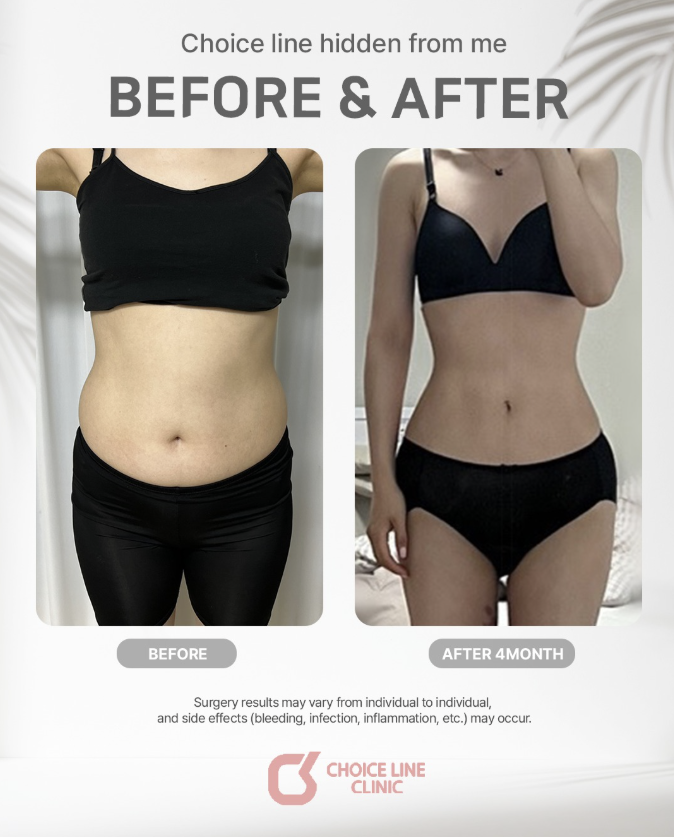
Liposuction should primarily be expected to improve shape rather than skin texture.
Realistic improvements may include:
- Slimmer thighs
- Reduced saddlebag fullness
- Better waist or hip definition
- Smoother overall body proportions
Cellulite dimpling may still be visible after the contour has improved.
Can Weight Loss Remove Cellulite?
Weight loss may reduce the amount of fat beneath the skin, but cellulite can remain.
This is because cellulite is also affected by:
- Connective tissue
- Skin quality
- Genetics
- Hormonal factors
- Natural anatomy
Even very fit individuals can have cellulite.
Final Thoughts
Liposuction does not directly remove cellulite because cellulite is caused by more than excess fat alone. The procedure can reduce localized fat and improve overall body contours, but dimpling and uneven skin texture may remain after surgery. For patients considering liposuction in Korea, the best approach is to treat fat reduction and cellulite as separate concerns and discuss whether additional skin or cellulite-focused treatments may be appropriate.