



Does Fat Come Back After Liposuction?
Does Fat Come Back After Liposuction?
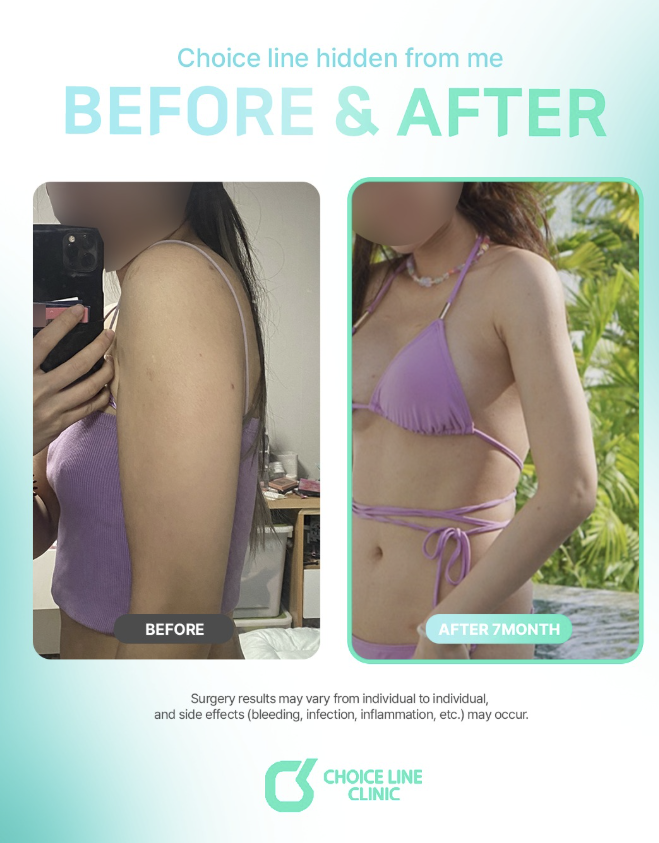
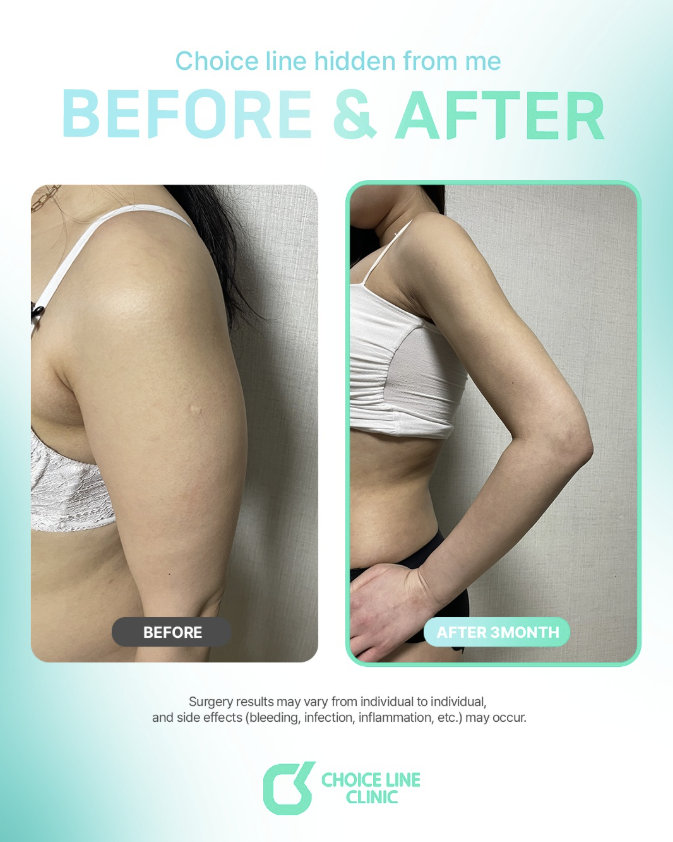
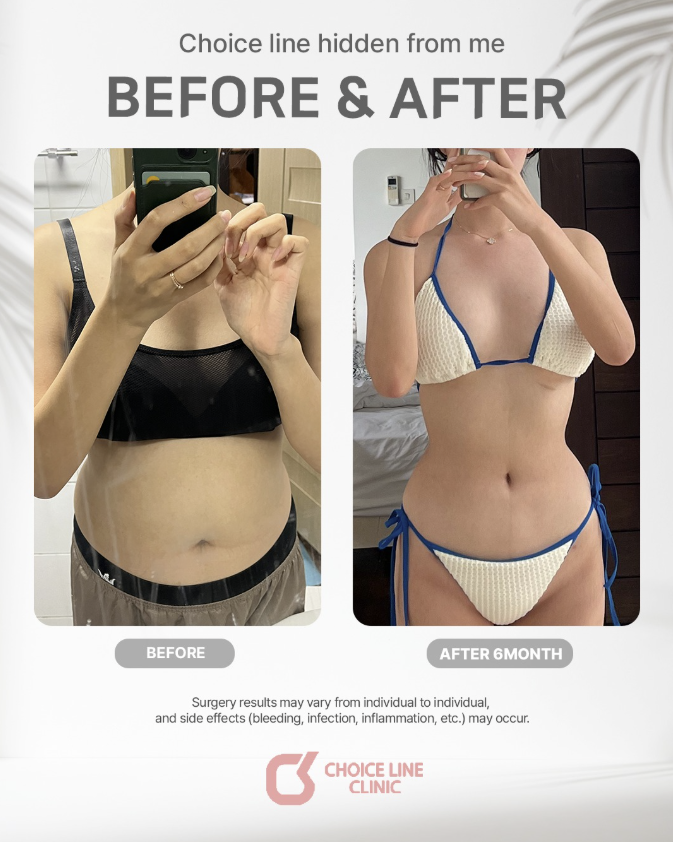
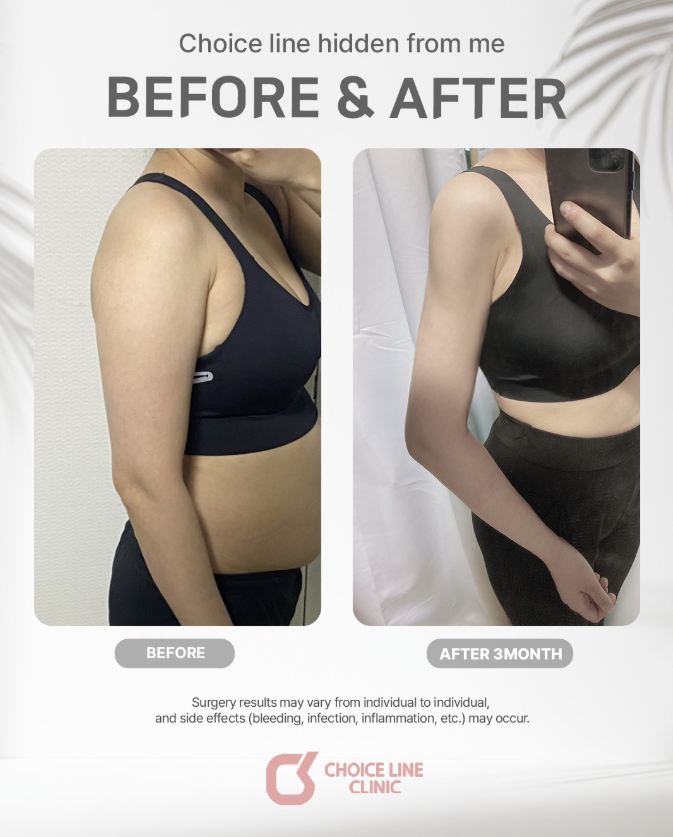
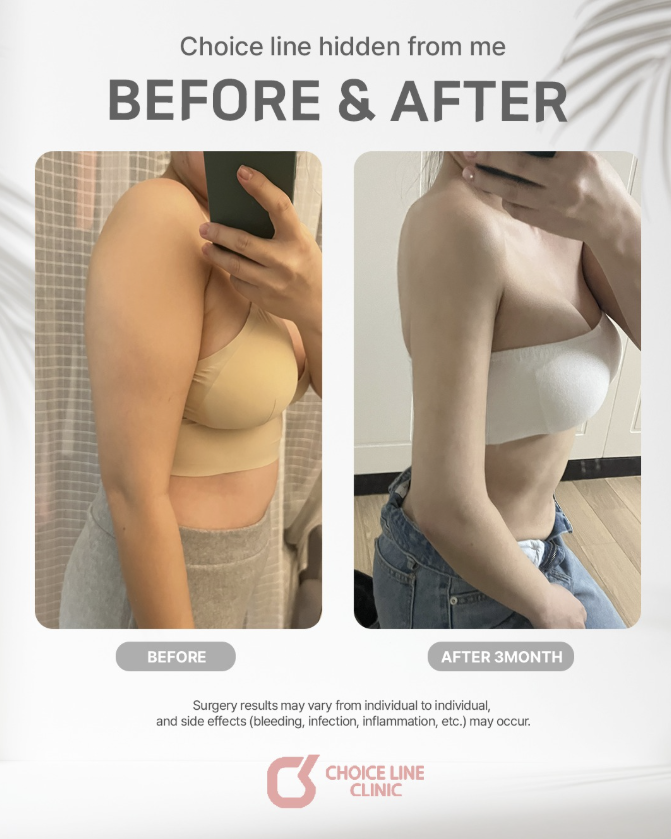
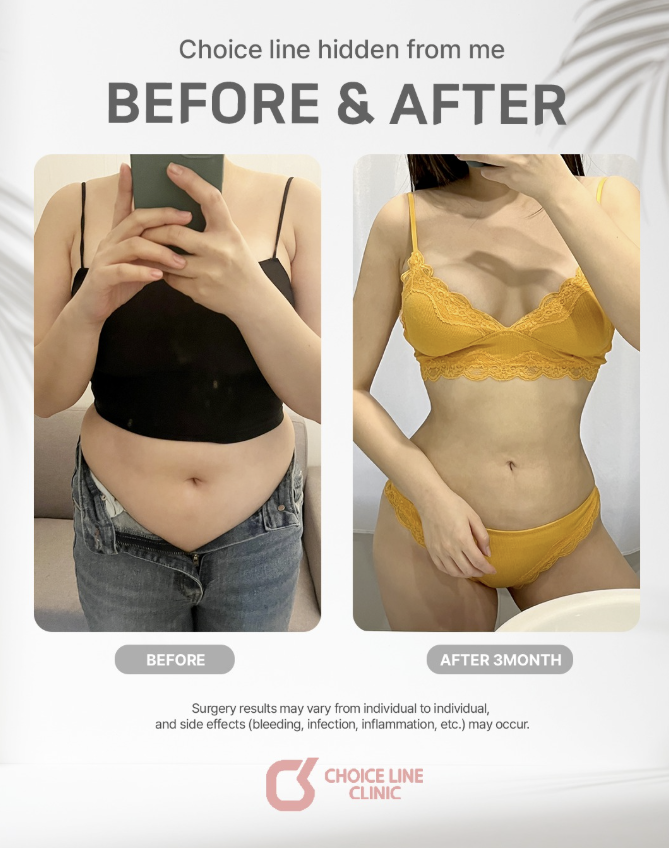
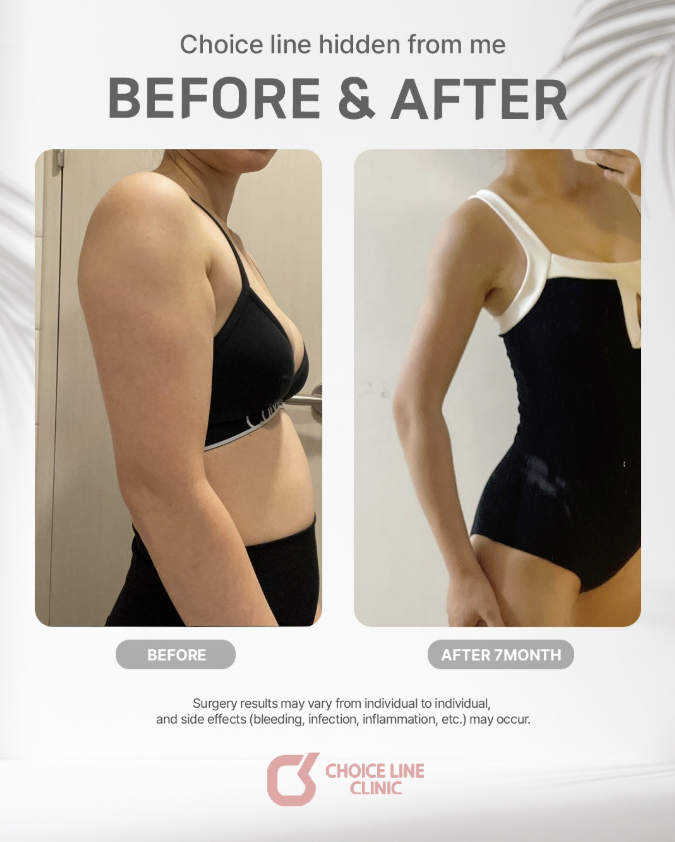
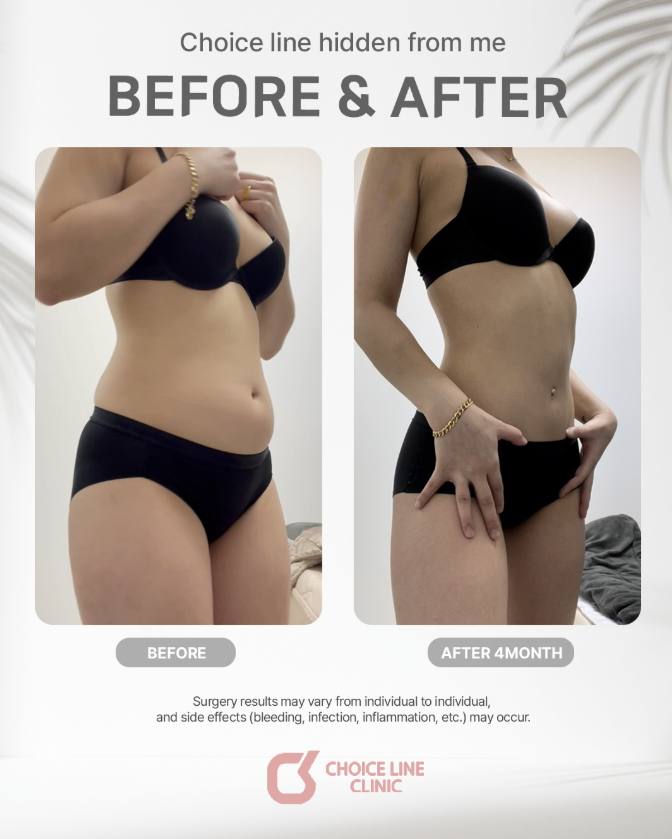
Liposuction permanently removes fat cells from the treated area, but it does not prevent future weight gain. If a patient gains weight after surgery, the remaining fat cells can still become larger, and fat may accumulate in both treated and untreated areas. Understanding how fat behaves after liposuction can help patients maintain their results more realistically.
Are Fat Cells Permanently Removed?
Yes. Fat cells that are physically removed during liposuction do not grow back in the same way.
Liposuction can permanently reduce the number of fat cells in areas such as:
- Abdomen
- Waist
- Arms
- Thighs
- Back
- Chin
However, some fat cells always remain in the treated area.
Can You Gain Fat in the Same Area Again?
Yes. The remaining fat cells can enlarge if the patient gains weight.
This means the treated area may become fuller again, although its fat-cell distribution may still differ from before surgery.
Future changes depend on:
- Amount of weight gained
- Genetics
- Lifestyle
- Hormonal factors
- Natural fat distribution
Liposuction does not make a body area permanently resistant to fat gain.
What Happens If You Gain a Small Amount of Weight?
Minor weight fluctuations usually do not completely erase the result.
If weight gain is modest, patients may still maintain:
- Better waist definition
- Reduced localized fullness
- Improved body proportions
- Smoother contour transitions
Maintaining a relatively stable weight helps preserve the original surgical result.
What Happens After Significant Weight Gain?
Larger weight gain can noticeably change the body contour.
Patients may experience:
- Enlargement of remaining fat cells
- Increased fullness in treated areas
- More fat in untreated areas
- Reduced waist or body definition
- Changes in overall proportions
The result may therefore become less noticeable over time.
Does Fat Move to Other Areas After Liposuction?
Fat does not literally move from the treated area to another part of the body.
However, if weight is gained after surgery, fat may become more noticeable in untreated areas because fewer fat cells remain in the treated zone.
This can sometimes change:
- Body proportions
- Fat distribution patterns
- Waist-to-hip balance
- Overall silhouette
The degree of change varies between patients.
Can Liposuction Prevent Future Weight Gain?
No. Liposuction is a body contouring procedure, not a weight-management treatment.
It does not change:
- Appetite
- Metabolism
- Eating habits
- Exercise habits
- Hormonal influences on weight
Long-term weight management still depends on lifestyle and overall health.
How Long Do Liposuction Results Last?
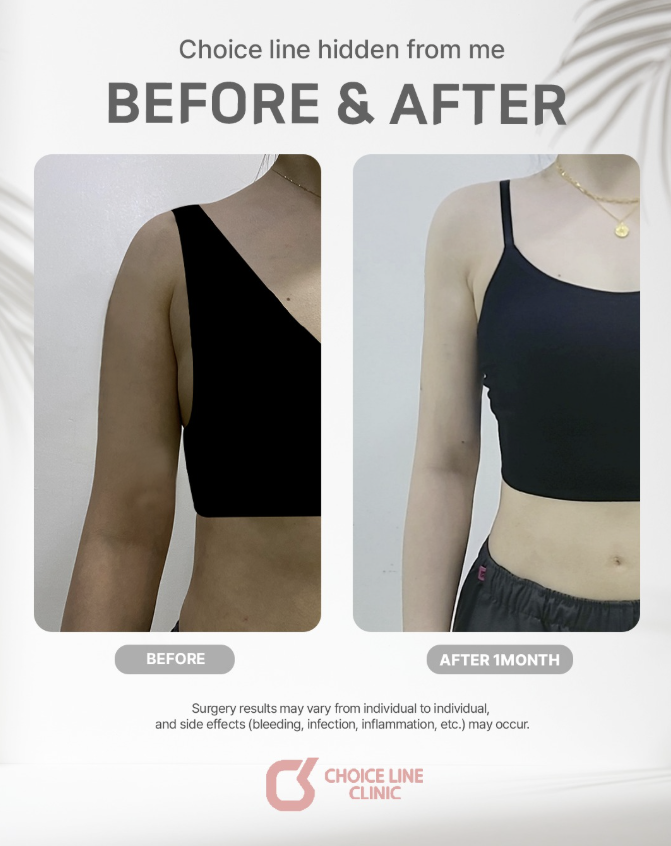
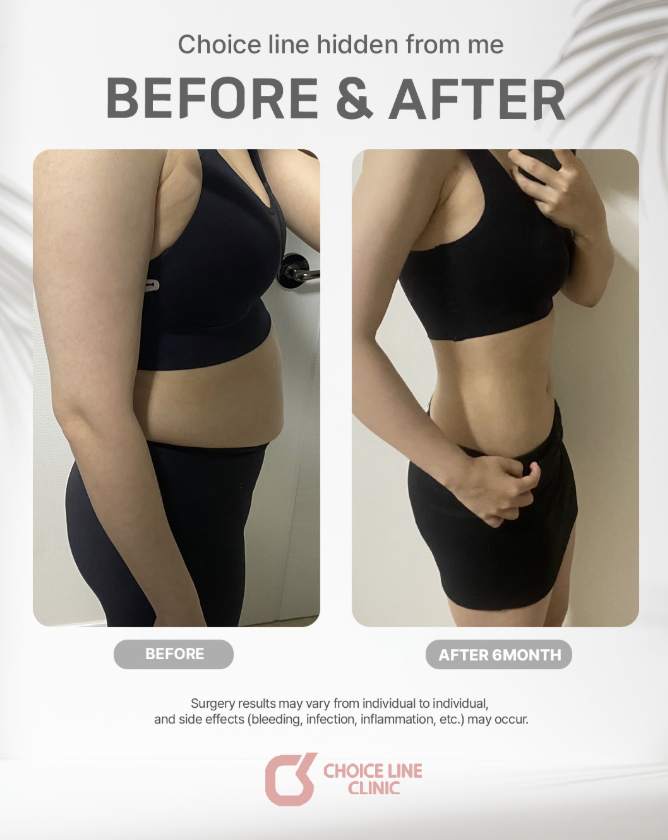
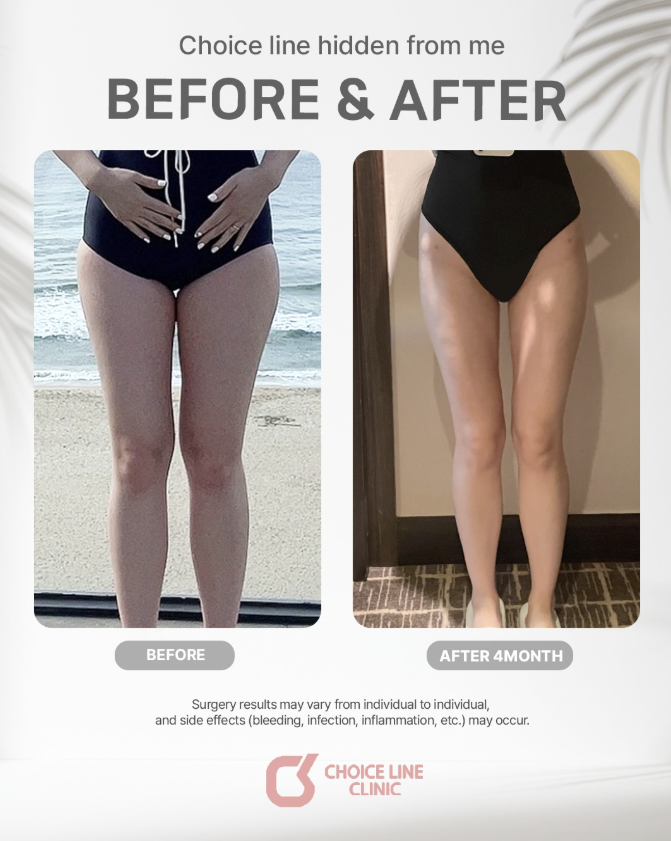
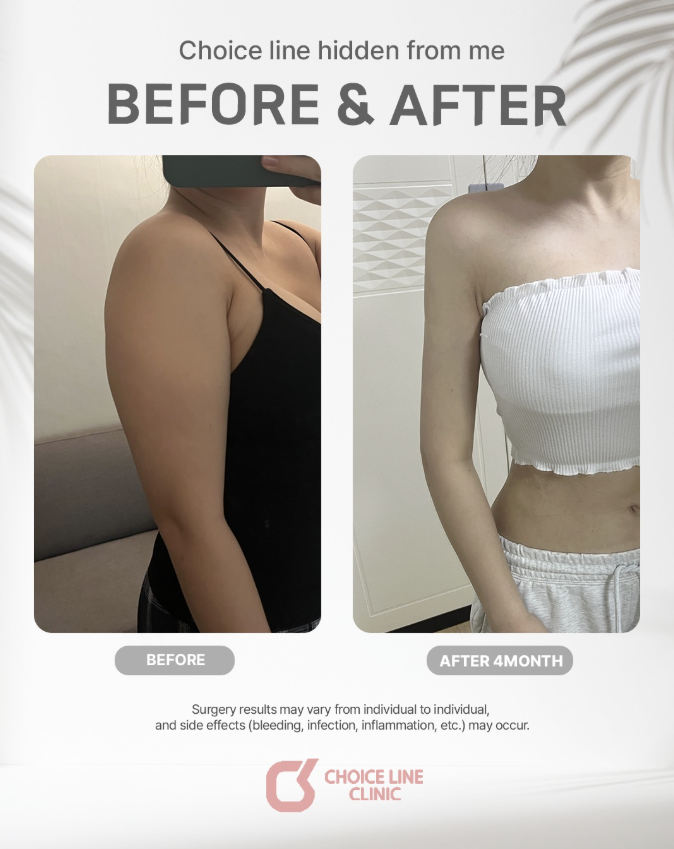
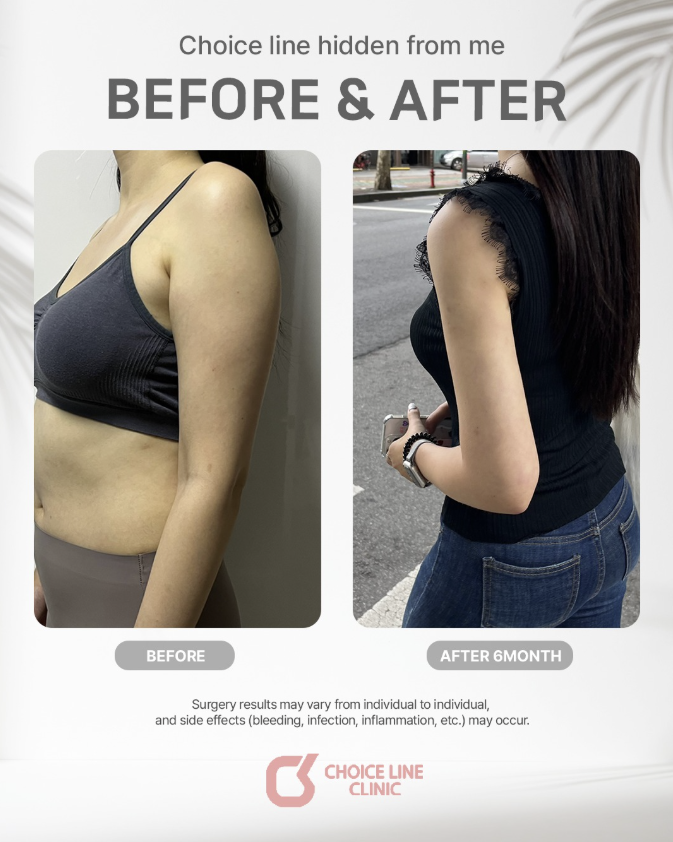
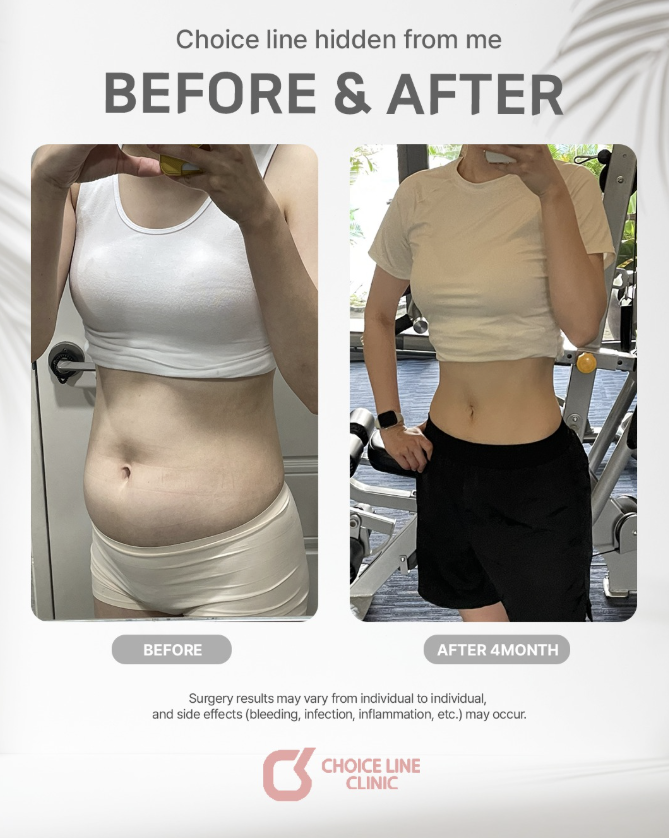
Results can be long-lasting when body weight remains relatively stable.
Patients may maintain their contour for many years if they follow habits such as:
- Regular exercise
- Balanced nutrition
- Stable weight management
- Consistent daily activity
- Healthy lifestyle routines
Natural aging can still gradually affect body shape over time.
What About Pregnancy After Liposuction?
Pregnancy can change body contours even after successful liposuction.
Possible changes may include:
- Abdominal stretching
- New fat distribution
- Skin laxity
- Weight gain
- Changes in waist definition
The fat cells removed previously remain removed, but pregnancy can still alter the overall result.
Can Hormonal Changes Affect the Result?
Yes. Hormonal changes can influence where the body stores fat.
Changes related to:
- Aging
- Pregnancy
- Menopause
- Weight fluctuations
may affect body shape even after liposuction.
This does not mean the removed fat cells have returned.
Can You Have Liposuction Again?
Revision or additional liposuction may sometimes be considered if new localized fat develops or the patient wants further contour refinement.
However, repeat treatment depends on:
- Remaining fat thickness
- Skin elasticity
- Scar tissue
- Previous surgical areas
- Overall health
Repeated aggressive fat removal may increase the risk of contour irregularities.
How Can You Maintain Liposuction Results?
Long-term maintenance usually focuses on keeping body weight relatively stable.
Helpful habits include:
- Regular physical activity
- Balanced meals
- Adequate protein
- Good hydration
- Avoiding large weight fluctuations
The goal is not extreme dieting but maintaining a sustainable lifestyle.
What If Your Weight Changes Naturally Over Time?
Small changes in weight are normal and do not necessarily ruin the surgical result.
The body may still maintain improved proportions if weight changes remain moderate.
Patients should focus on:
- Overall stability
- Healthy habits
- Realistic expectations
- Long-term consistency
Perfect weight maintenance is not required.
Final Thoughts
Fat cells removed through liposuction are permanently removed, but the remaining fat cells can still enlarge if weight is gained. Liposuction can therefore provide long-lasting body contour improvement, but it does not prevent future changes in weight or fat distribution. Patients who maintain a relatively stable weight, stay active, and follow balanced lifestyle habits are more likely to preserve their results over the long term.