



Does Liposuction Leave Scars?
Does Liposuction Leave Scars?
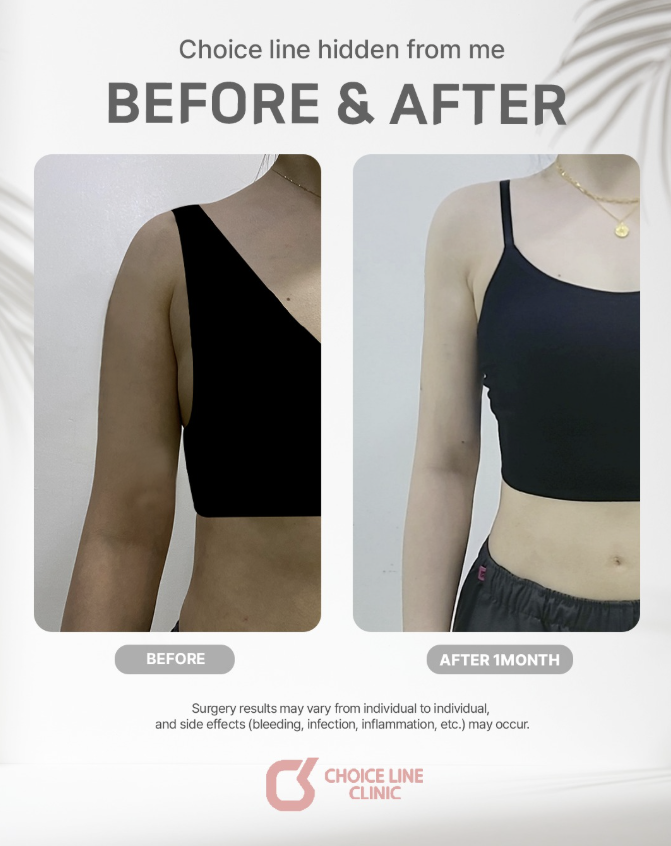
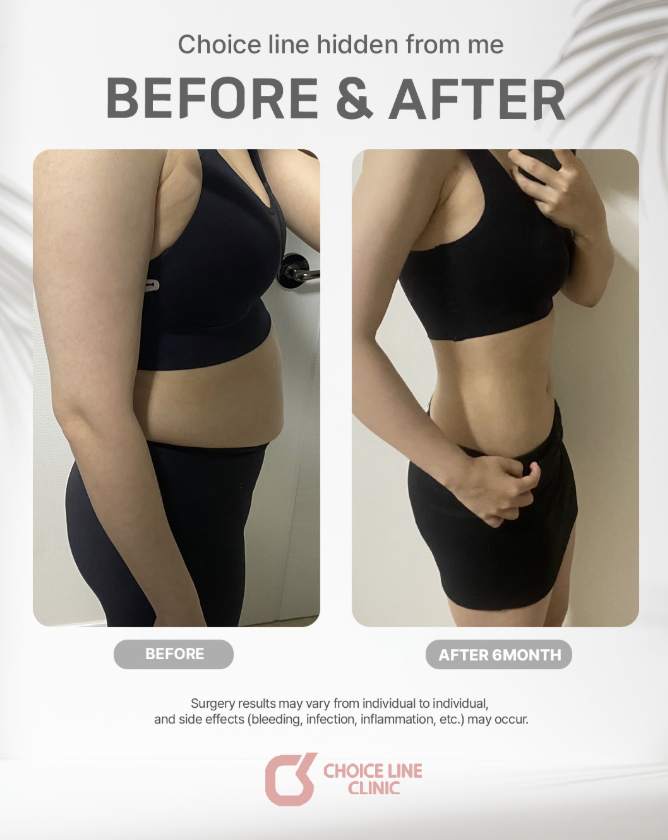
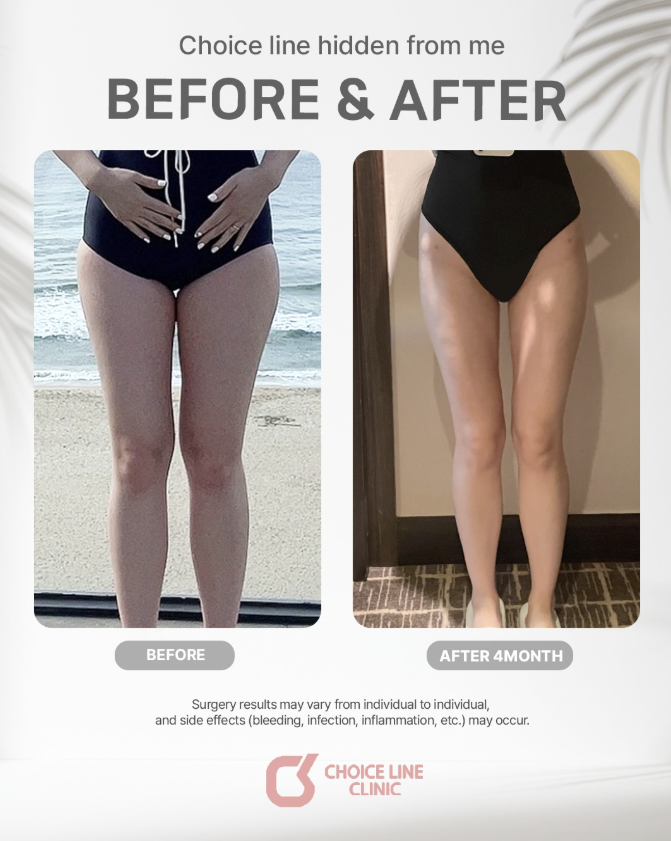
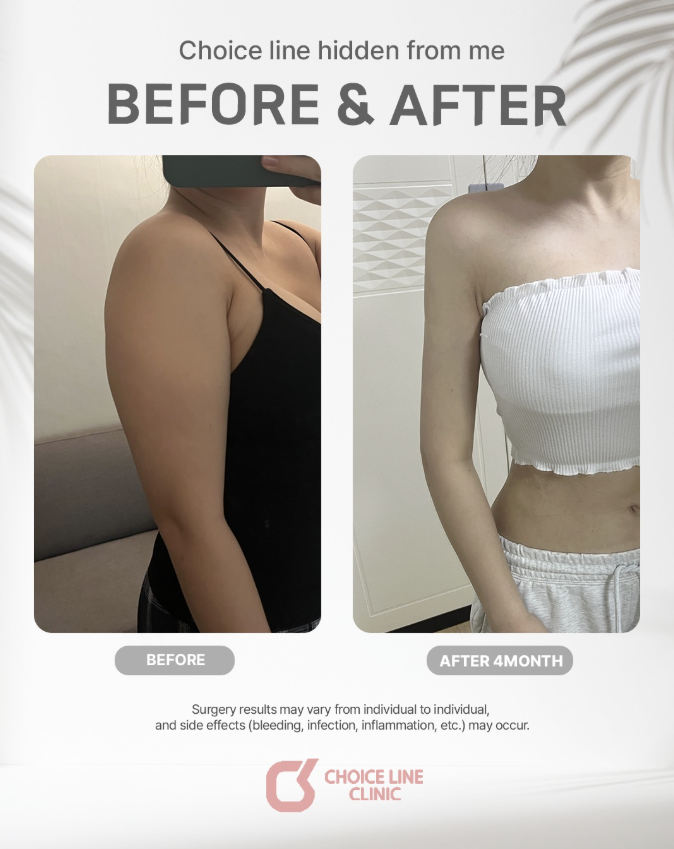
Liposuction does require small incisions, so some degree of scarring is possible. However, the incisions used for liposuction are usually much smaller than those required for procedures such as a tummy tuck or arm lift. In Korea, surgeons often place these incisions in less noticeable areas whenever possible. For most patients, scars gradually fade as healing progresses.
Why Does Liposuction Cause Scars?
During liposuction, a thin tube called a cannula is inserted beneath the skin to remove fat.
This requires small incisions that allow the cannula to enter the treatment area.
Incisions are generally:
- Small
- Placed near natural skin folds when possible
- Located around the treatment area
- Designed to minimize visible scarring
The number of incisions depends on how many areas are treated.
How Big Are Liposuction Scars?
Liposuction scars are usually relatively small compared with scars from procedures that remove excess skin.
Their size may depend on:
- Cannula size
- Surgical technique
- Treatment area
- Number of access points
- Individual healing
Most scars become less noticeable over time.
Where Are Liposuction Scars Usually Located?
Surgeons generally try to place incisions in areas that are easier to conceal.
Possible locations include:
- Natural skin folds
- Around the belly button
- Near the bikini line
- Under the arms
- Behind the knees
- Beneath the chin
Exact placement depends on the area being treated.
Do Scars Look Noticeable at First?
Yes. Early scars may appear darker, pink, red, or slightly raised.
During healing, patients may notice:
- Redness
- Mild firmness
- Darker pigmentation
- Temporary sensitivity
These changes often improve gradually over the following months.
How Long Do Liposuction Scars Take to Fade?
Scar maturation is a gradual process.
Patients may notice:
- Early redness during the first weeks
- Gradual fading over several months
- Softer and flatter scars over time
- Continued improvement for up to a year or longer
Final scar appearance varies between individuals.
Does Skin Type Affect Scarring?
Yes. Some patients naturally develop more visible scars than others.
Factors may include:
- Genetics
- Skin tone
- History of raised scars
- Healing response
- Sun exposure
- Incision care
Patients with a history of hypertrophic or keloid scars should discuss this with their surgeon before treatment.
Can Liposuction Cause Dark Scars?
Post-inflammatory pigmentation can sometimes make scars appear darker, especially in certain skin types.
Darkening may be influenced by:
- Sun exposure
- Skin irritation
- Individual pigmentation
- Healing response
Protecting healing scars from strong sunlight may help reduce noticeable pigmentation.
Do Different Body Areas Scar Differently?
Yes. Scar visibility can depend on the location of the incision.
For example:
- Chin incisions may be hidden beneath the jaw
- Abdominal scars may be placed near natural folds
- Arm scars may be positioned near the armpit
- Thigh scars may be placed around the groin crease
- Back scars may be positioned where clothing can cover them
The surgeon should explain likely incision locations before surgery.
How Can You Help Scars Heal Well?
Good postoperative care can support normal scar healing.
Patients should generally:
- Keep incisions clean
- Follow wound-care instructions
- Avoid picking at scabs
- Protect scars from strong sunlight
- Avoid unnecessary friction
- Attend follow-up appointments
Scar creams or silicone products should only be used according to medical guidance.
Can Scars Be Completely Invisible?
No surgeon can guarantee completely invisible scars.
However, liposuction scars are usually small and may become difficult to notice after healing.
Final visibility depends on:
- Incision placement
- Skin type
- Scar tendency
- Surgical technique
- Postoperative care
The realistic goal is usually minimal and well-positioned scarring rather than no scar at all.
How Does Liposuction Scarring Compare With Other Procedures?
Liposuction usually creates smaller scars than procedures involving skin removal.
For comparison:
- Liposuction uses several small access incisions
- Tummy tuck requires a longer lower-abdominal incision
- Arm lift requires a longer upper-arm incision
- Thigh lift may involve longer groin or thigh scars
This is one reason patients with good skin elasticity may prefer liposuction when fat is the main concern.
When Should a Scar Be Checked by a Doctor?
Patients should contact their medical team if an incision shows unusual changes.
These may include:
- Increasing redness
- Significant swelling
- Severe pain
- Persistent drainage
- Opening of the incision
- Signs of infection
Early evaluation can help prevent minor wound problems from becoming more serious.
Final Thoughts
Liposuction does leave small scars because incisions are necessary to insert the cannula, but these scars are generally much smaller than those associated with skin-removal surgery. Most gradually fade and become less noticeable over several months. Careful incision placement, proper wound care, sun protection, and individual healing all influence the final appearance. For international patients considering liposuction in Korea, discussing incision locations and scar expectations during consultation can help ensure more realistic expectations before surgery.