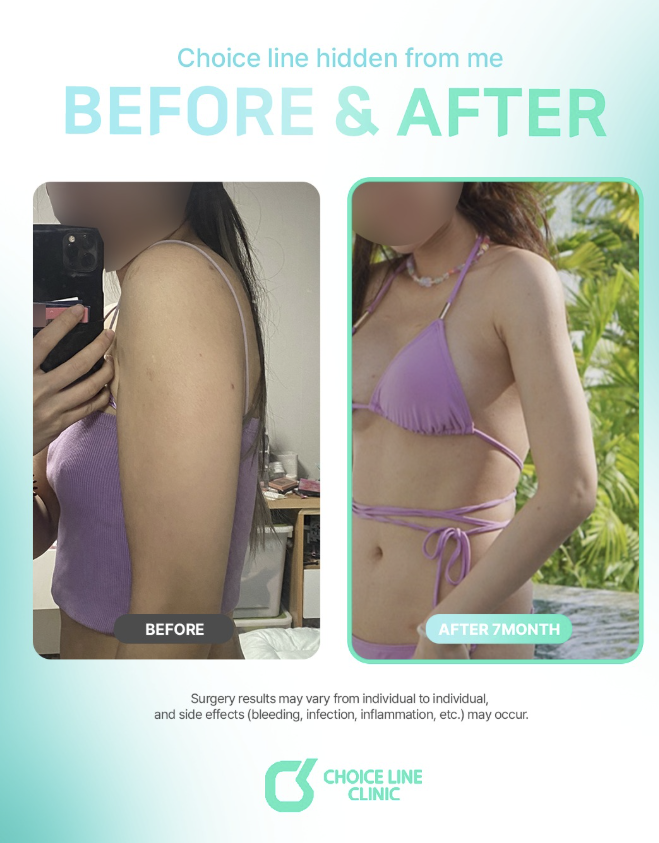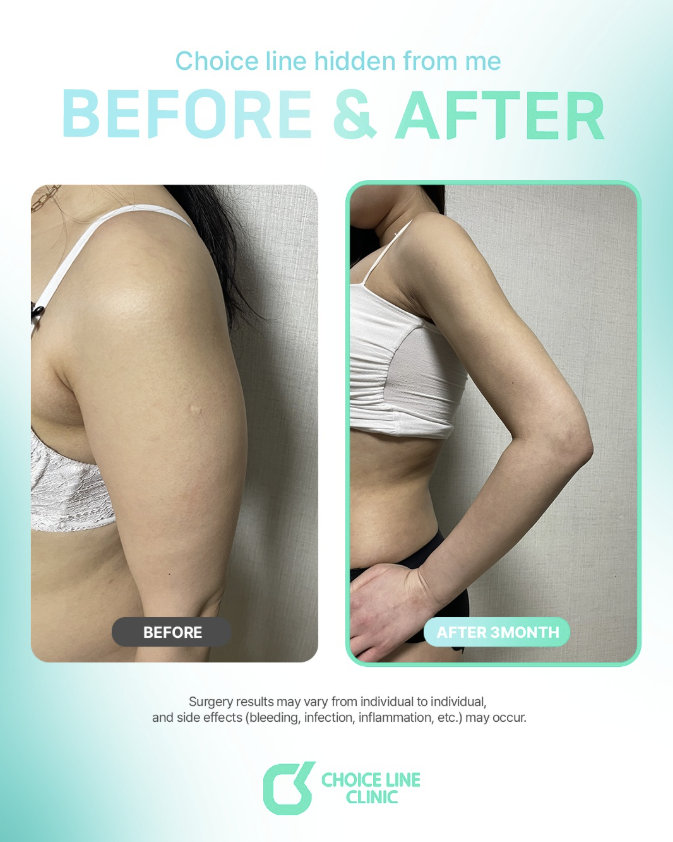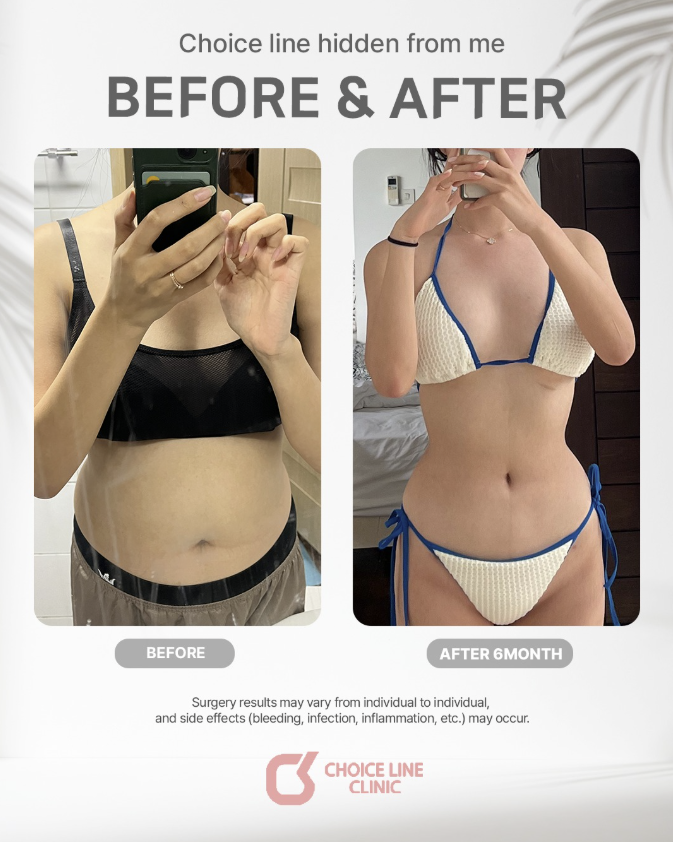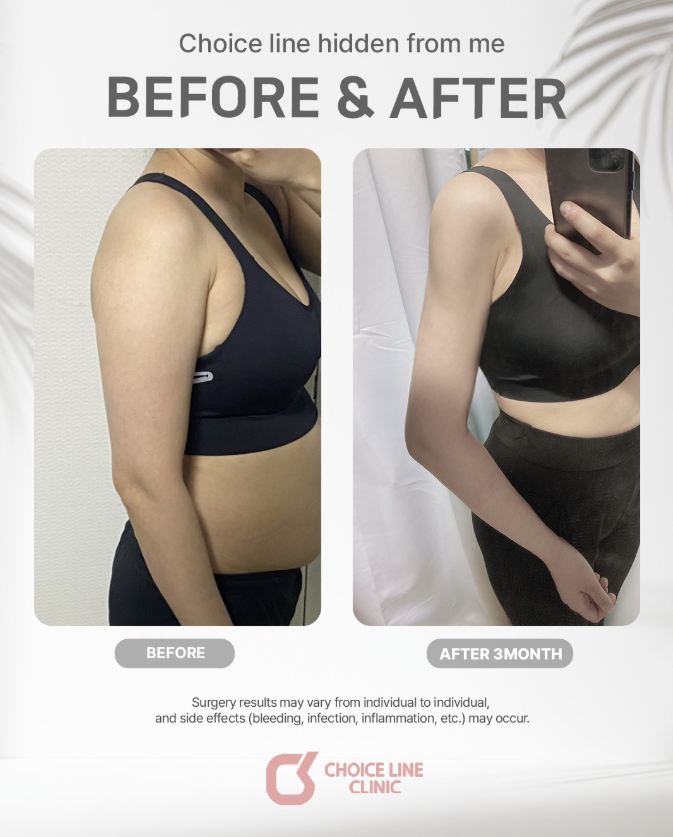




Hip Liposuction in Korea: Creating Balanced Body Proportions
Hip Liposuction in Korea: Creating Balanced Body Proportions
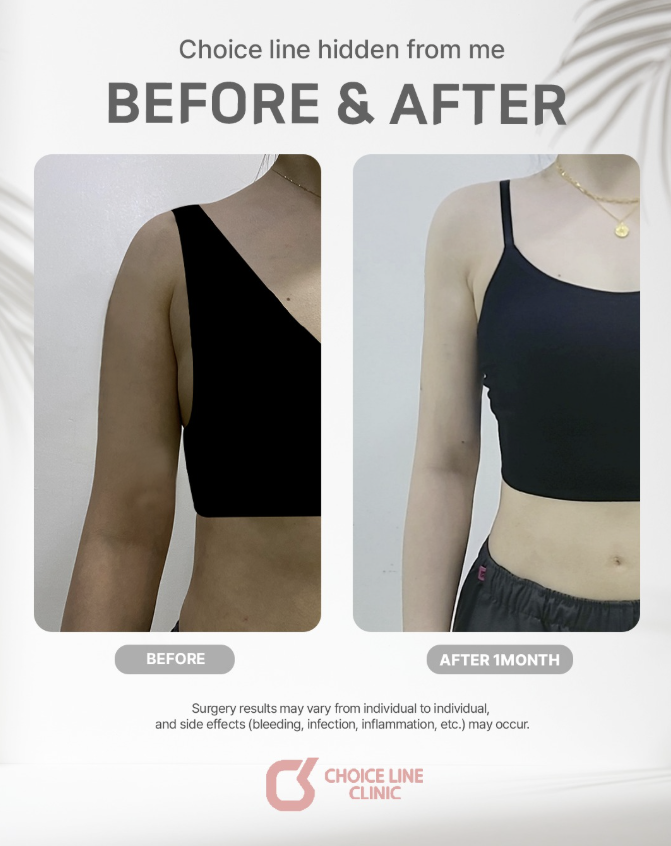
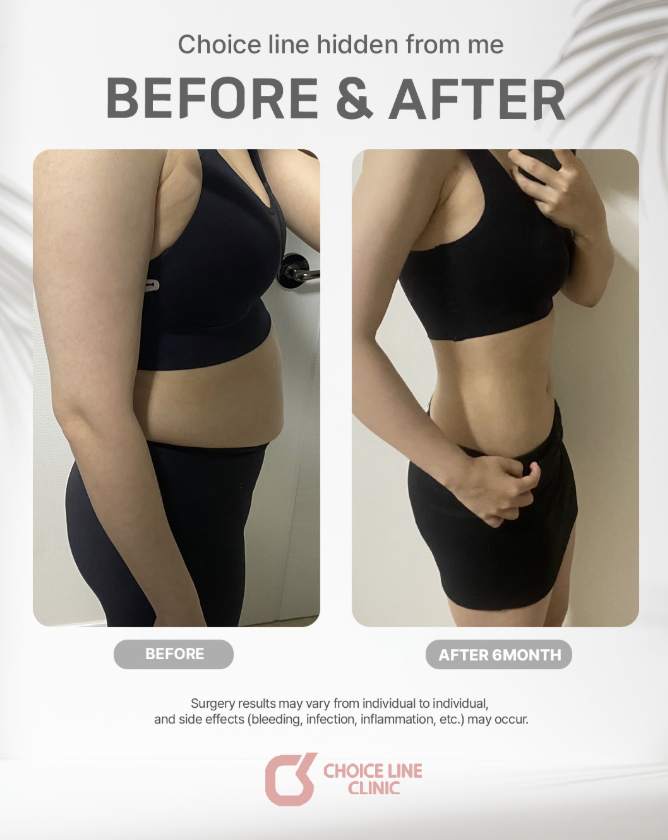
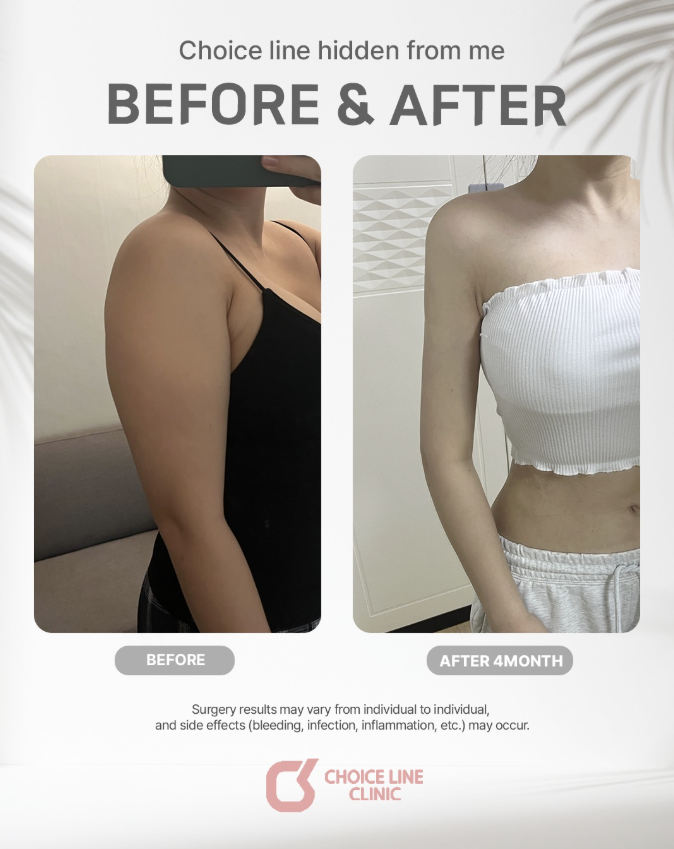
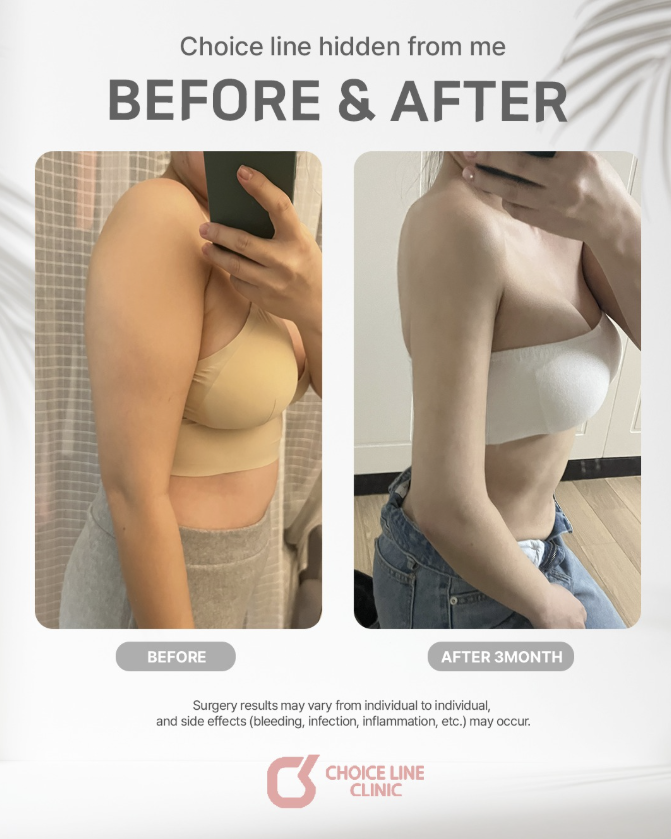
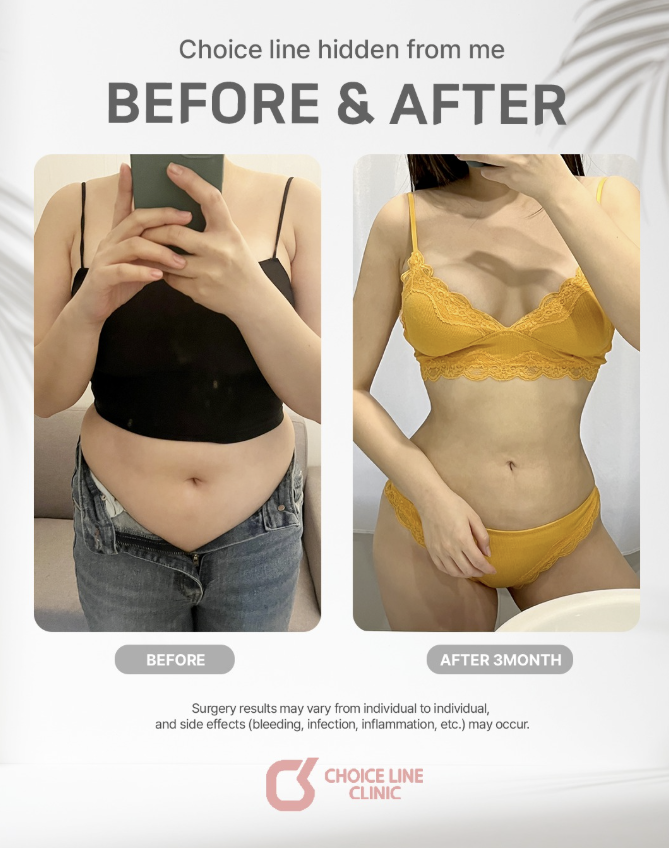
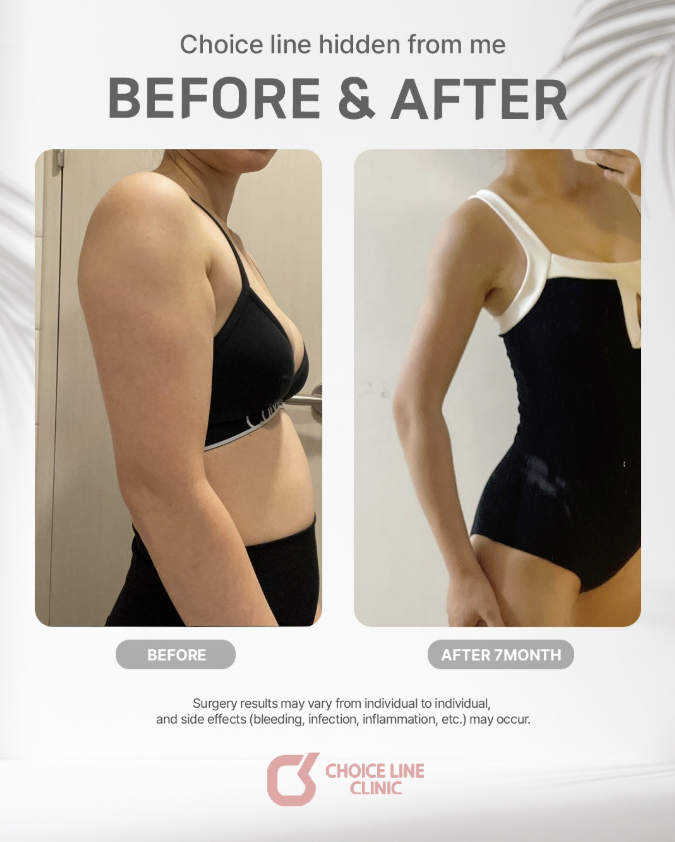
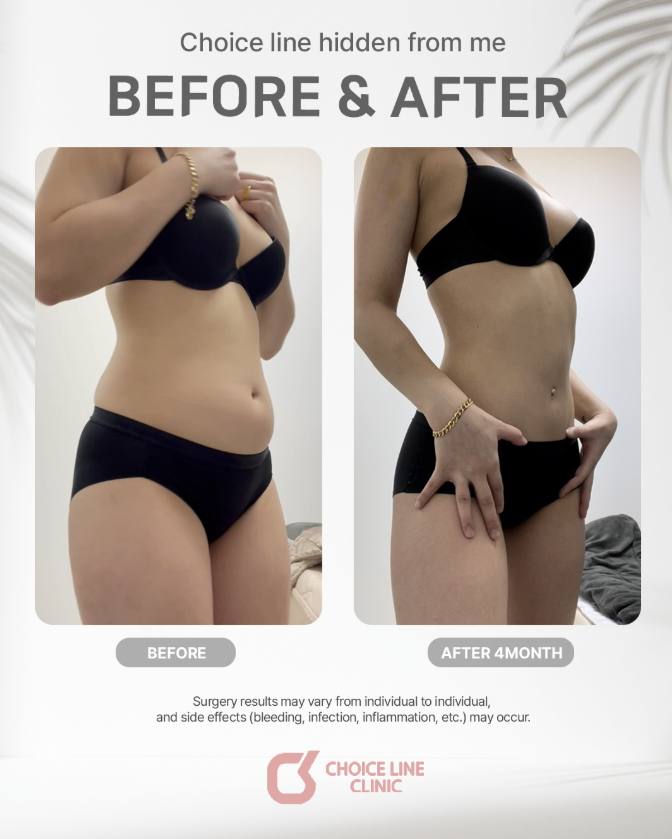
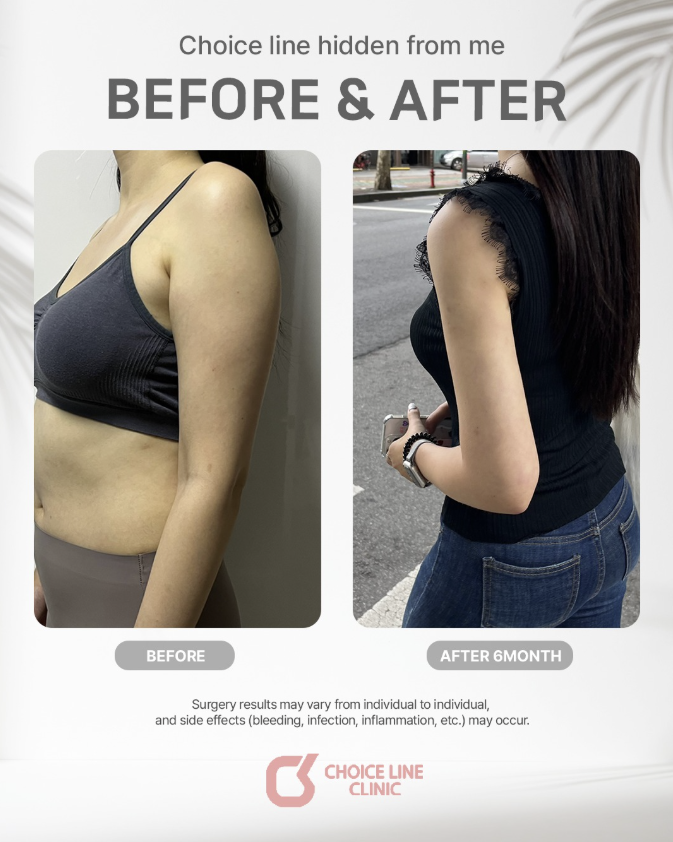
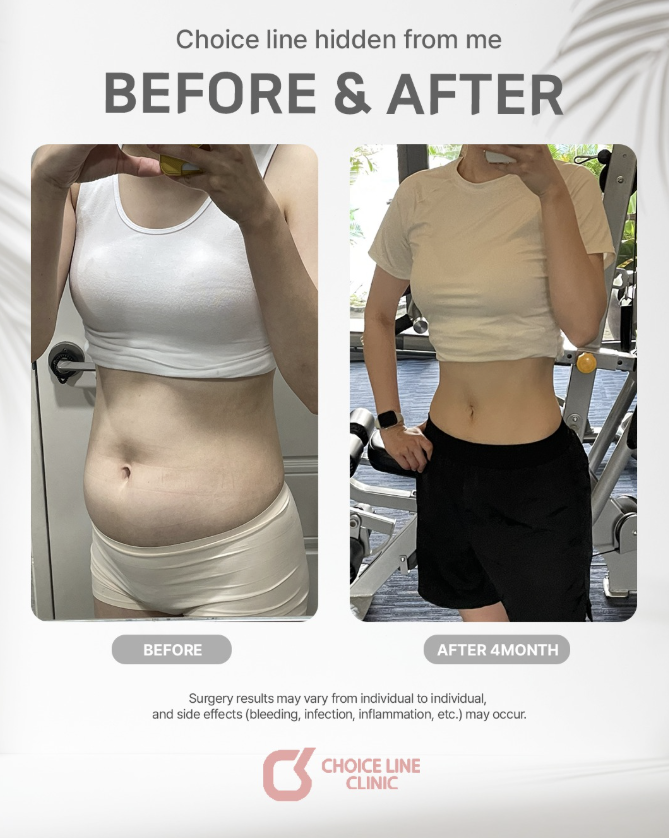
Hip liposuction in Korea is a body contouring procedure designed to reduce localized fat around the hips and improve the transition between the waist, thighs, and lower back. In Seoul and Gangnam, treatment often focuses on creating balanced proportions rather than simply making the hips smaller. Understanding how hip contouring works can help international patients set realistic expectations and choose the right treatment plan.
What Is Hip Liposuction?
Hip liposuction removes localized subcutaneous fat using a thin cannula.
Common treatment areas may include:
- Outer hips
- Upper hips
- Love handle area
- Areas above the buttocks
- Hip-to-thigh transition
The exact treatment zone depends on the patient’s natural body shape and fat distribution.
Why Is Hip Contouring Important?
The hips play an important role in overall body proportions.
Treatment may help:
- Reduce bulky side contours
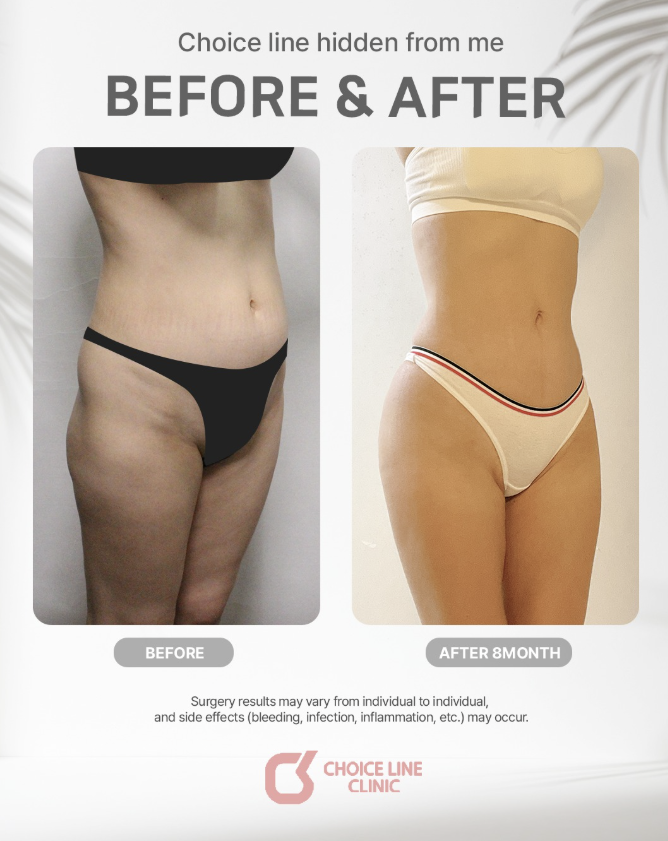
- Create a smoother waist-to-hip transition
- Improve lower-body balance
- Refine the silhouette from the front and side
- Create more proportional body lines
The goal is usually harmony between the waist, hips, and thighs.
Can Hip Liposuction Make the Waist Look Smaller?
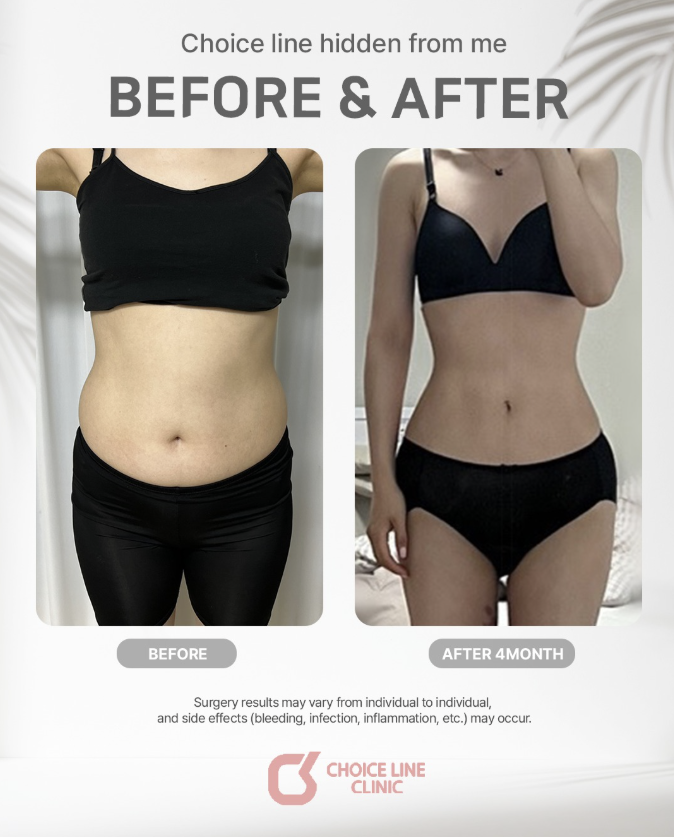
Yes. Reducing fullness around the upper hips and flanks can sometimes make the waist appear more defined.
This may help:
- Improve waist contrast
- Reduce love handle fullness
- Create a smoother side profile
- Enhance overall torso proportions
For some patients, waist and hip contouring are planned together.
Can Hip and Thigh Liposuction Be Combined?
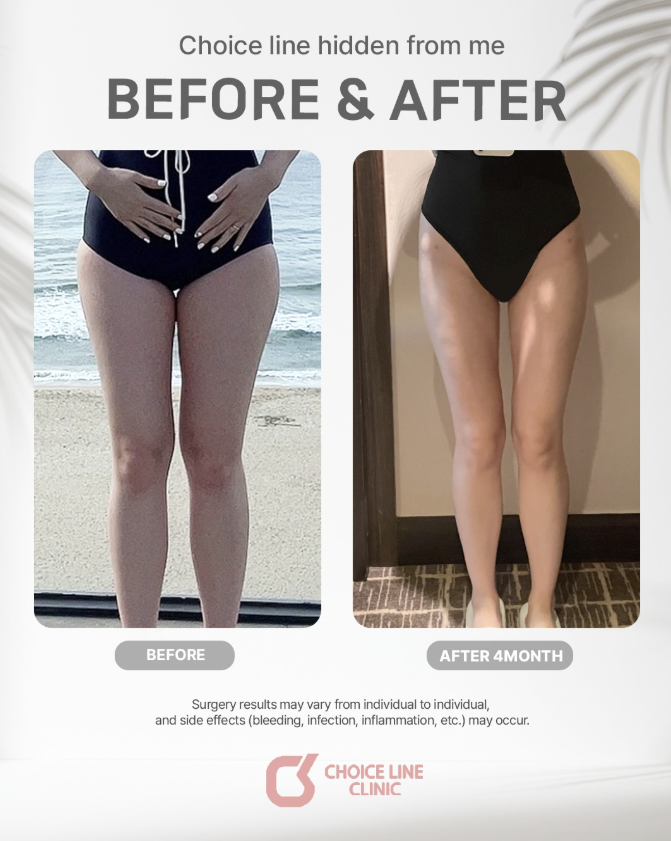
Yes. Hip fat often connects visually with outer-thigh fat.
Combined treatment may help:
- Smooth hip-to-thigh transitions
- Reduce saddlebag fullness
- Create straighter leg contours
- Improve lower-body balance
- Avoid uneven contour changes
The surgeon may recommend treating both areas when fat is distributed across connected zones.
Who Is a Good Candidate?
Hip liposuction is generally most suitable for patients with localized fat and relatively good skin elasticity.
Good candidates often have:
- Persistent hip fullness
- Stable body weight
- Reasonable skin firmness
- Good overall health
- Realistic expectations
The procedure is intended for contouring rather than significant weight loss.
How the Procedure Works
During surgery, small incisions are made near the treatment area and a cannula is used to remove targeted fat.
The procedure generally involves:
- Marking the hip and surrounding areas
- Administering anesthesia
- Removing localized fat
- Refining contour transitions
- Applying postoperative compression
The amount of fat removed is planned according to the patient’s overall proportions.
What Is Recovery Like?
Swelling and bruising are common during early recovery.
Patients may experience:
- Swelling
- Bruising
- Tightness
- Tenderness
- Temporary numbness
- Mild unevenness
Compression garments are commonly recommended during the healing period.
When Will Results Be Visible?
Initial changes may be noticeable relatively early, but swelling can temporarily hide the final contour.
Results usually become clearer as:
- Swelling decreases
- Firmness softens
- Hip contours become smoother
- Waist definition improves
- Treated tissues settle
Final refinement may continue for several months.
Does Hip Liposuction Change Natural Curves?
Hip liposuction can refine curves, but it does not change the underlying pelvic or bone structure.
Final shape depends on:
- Pelvic width
- Waist-to-hip ratio
- Muscle structure
- Fat distribution
- Skin elasticity
Careful planning helps preserve natural curves while reducing unwanted fullness.
Can Too Much Fat Be Removed?
Yes. Excessive fat removal can sometimes create hollow or unnatural-looking areas.
Balanced treatment usually focuses on:
- Smooth transitions
- Natural curves
- Proportionate fat reduction
- Symmetry
- Overall silhouette harmony
Removing the maximum amount of fat is not always the best approach.
How to Maintain the Results
Fat cells removed through liposuction are permanently removed, but remaining fat cells can still enlarge with future weight gain.
Long-term maintenance usually involves:
- Stable body weight
- Regular exercise
- Balanced nutrition
- Healthy lifestyle habits
Maintaining a consistent weight helps preserve balanced hip contours.
Final Thoughts
Hip liposuction in Korea can help reduce localized fullness and create smoother transitions between the waist, hips, and thighs. The best results usually come from treatment planning that considers the entire body silhouette rather than focusing on the hips alone. For international patients, realistic expectations, balanced fat removal, good skin elasticity, and careful postoperative recovery are important for achieving natural-looking and proportionate results.