



How Long Do You Wear Compression Garments After Liposuction?
How Long Do You Wear Compression Garments After Liposuction?
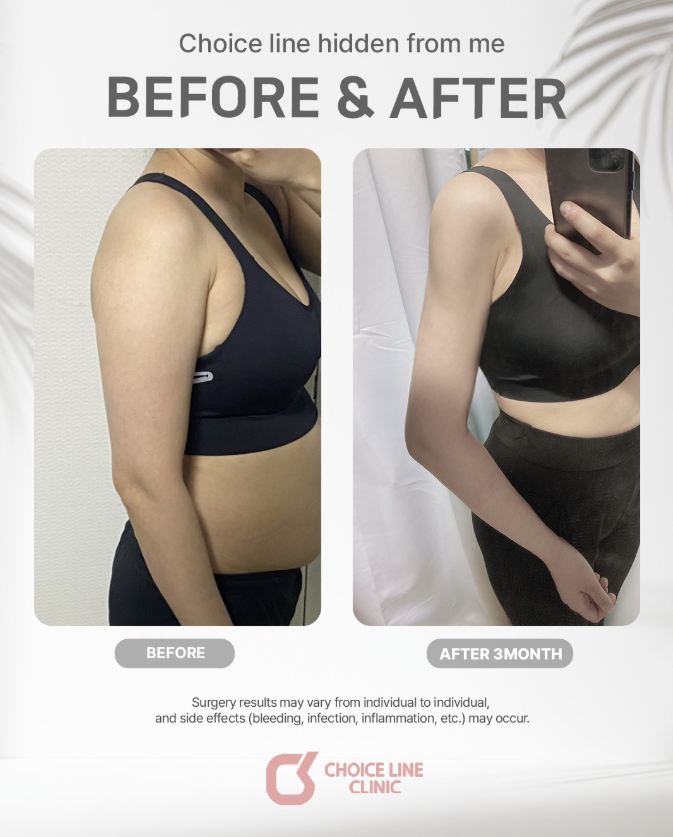
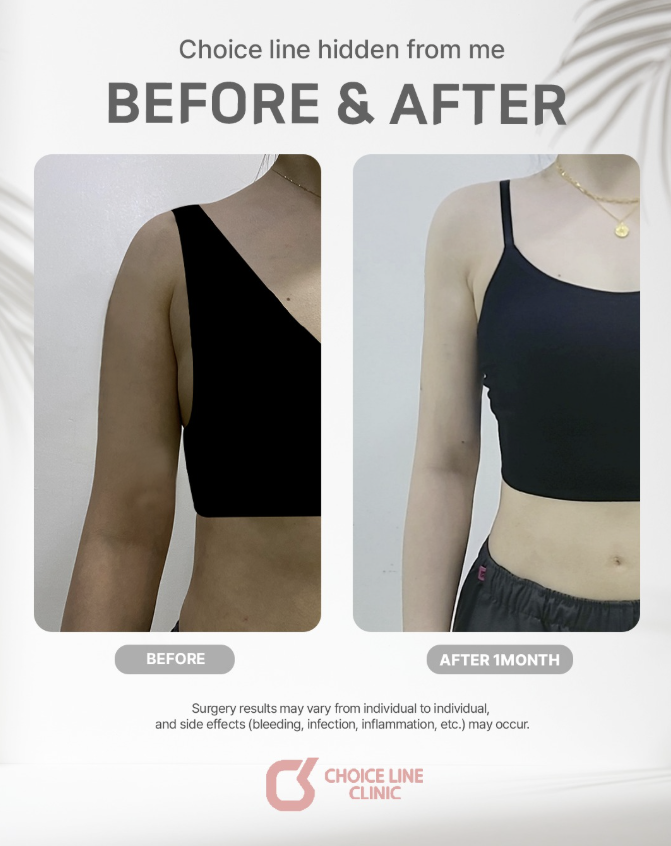
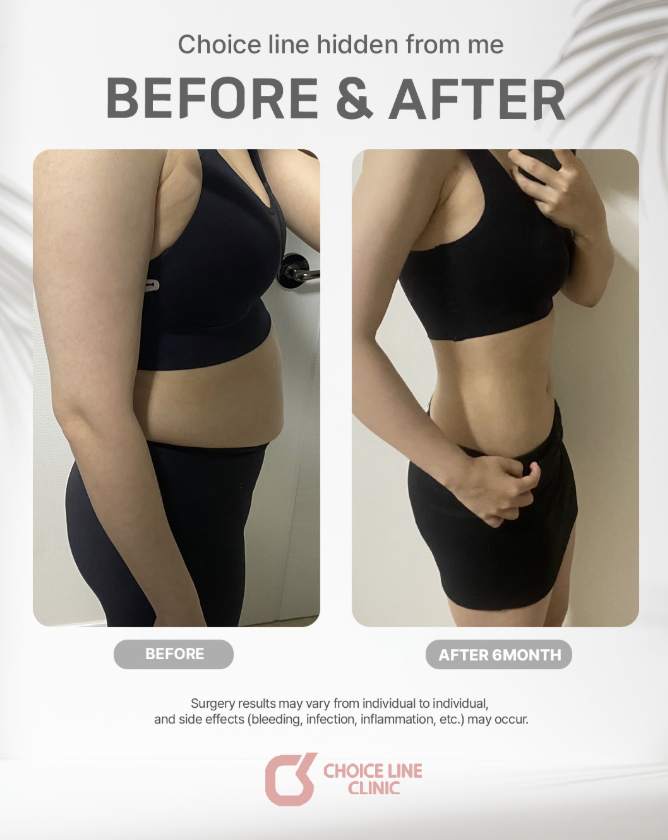
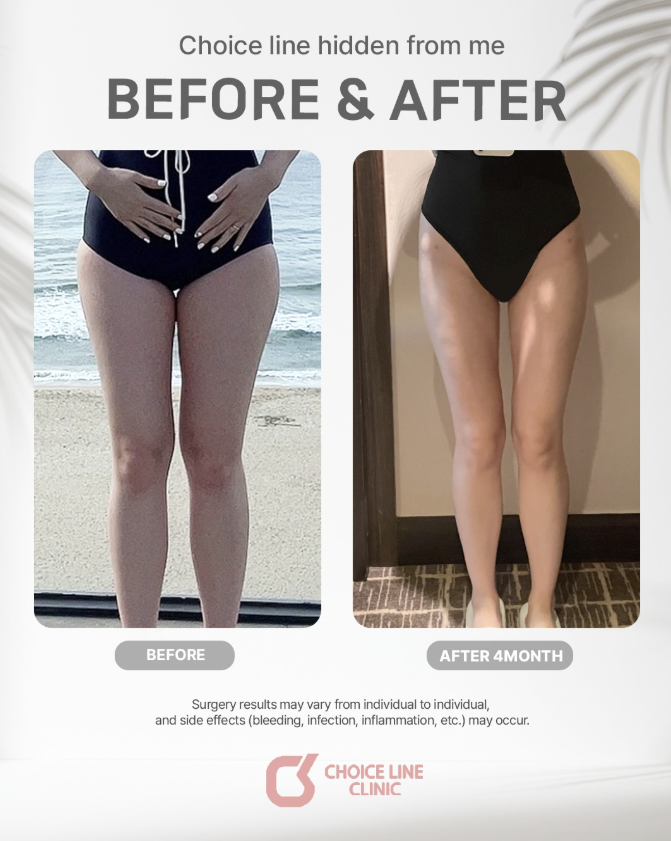
Compression garments are commonly recommended after liposuction to support healing tissues, manage swelling, and improve comfort during recovery. The exact length of time varies depending on the treatment area, amount of fat removed, and surgeon’s postoperative protocol. Some patients may need compression for only a few weeks, while others may be advised to continue longer after extensive body contouring.
Why Are Compression Garments Used?
Compression garments provide gentle pressure over the treated areas after liposuction.
They may help:
- Manage postoperative swelling
- Support healing tissues
- Improve comfort
- Reduce fluid accumulation
- Support smoother contour development
They are an important part of recovery for many body liposuction procedures.
How Long Are Compression Garments Usually Worn?
A common recovery plan may involve wearing compression for several weeks.
A typical timeline may include:
- First 1–2 weeks: worn most of the day
- Weeks 3–4: continued compression as instructed
- Weeks 4–6: reduced use depending on swelling
- Beyond 6 weeks: sometimes recommended after extensive procedures
The exact schedule should always follow the treating surgeon’s instructions.
Do You Wear Compression Garments All Day?
During early recovery, patients may be advised to wear compression garments for most of the day.
They may usually be removed temporarily for:
- Showering
- Washing the garment
- Skin checks
- Wound care
Patients should avoid leaving the garment off for long periods unless their medical team recommends it.
Does the Treatment Area Affect How Long You Wear Compression?
Yes. Compression requirements can vary depending on the area treated.
For example:
- Chin liposuction may use a facial compression band
- Arm liposuction may require arm sleeves
- Abdominal liposuction may use a torso garment
- Thigh liposuction may require lower-body compression
- 360° liposuction may require a larger full-torso garment
More extensive treatment may require longer or more consistent compression.
What About Compression After Full-Body Liposuction?
Patients undergoing multiple-area or full-body liposuction may need compression for longer because several areas are healing at the same time.
Recovery may involve:
- More widespread swelling
- Multiple compression zones
- Greater tissue firmness
- Longer contour refinement
The surgeon may adjust garment use as swelling decreases.
How Tight Should the Garment Be?
A compression garment should feel supportive but should not cause excessive pressure.
It should not normally cause:
- Severe pain
- Significant numbness
- Difficulty breathing
- Deep skin marks
- Changes in skin color
An excessively tight garment may create discomfort or pressure problems.
Can Compression Garments Reduce Swelling?
Compression can help manage swelling during recovery, but it does not make swelling disappear immediately.
Swelling usually improves gradually as:
- Inflammation decreases
- Fluid is reabsorbed
- Tissues heal
- Activity returns to normal
Compression is one part of the overall recovery process.
Do Compression Garments Improve the Final Result?
Compression garments may support tissues while the body heals and can make the recovery period more comfortable.
They may help support:
- Smoother healing
- Swelling control
- Better tissue support
- More comfortable movement
However, final results also depend on surgical technique, skin elasticity, fat removal, and individual healing.
Can You Sleep in Compression Garments?
Many patients are instructed to sleep in their compression garment during the early recovery period.
This may be recommended to:
- Maintain consistent support
- Control overnight swelling
- Protect treated tissues
The duration of nighttime use varies depending on the procedure and surgeon.
When Can You Stop Wearing Compression?
Compression is usually reduced gradually rather than stopped suddenly.
Patients may be advised to reduce use when:
- Swelling has improved
- Tenderness has decreased
- Tissues feel more stable
- The surgeon confirms healing is progressing normally
Some patients transition from full-time wear to daytime-only use before stopping completely.
What If the Garment Feels Uncomfortable?
Mild pressure is expected, but significant discomfort should be discussed with the clinic.
Contact the medical team if the garment causes:
- Severe pain
- Persistent numbness
- Skin irritation
- Pressure wounds
- Significant swelling below the garment
- Difficulty breathing
A different size or garment style may sometimes be needed.
How Should International Patients Prepare?
Patients traveling to Korea for liposuction should ask about compression garments before returning home.
It may be helpful to confirm:
- How long the garment should be worn
- Whether a second garment is needed
- How to wash and care for it
- When compression can be reduced
- What to do if the garment becomes uncomfortable
Having clear instructions is especially useful once the patient has left Korea.
Final Thoughts
Compression garments are often worn for approximately several weeks after liposuction, with more consistent use during the early recovery period and gradual reduction as swelling improves. Patients undergoing larger or multi-area procedures may need compression for longer. The exact schedule varies by treatment area and individual recovery, so patients should follow their surgeon’s specific instructions rather than stopping compression based on a fixed timeline alone.