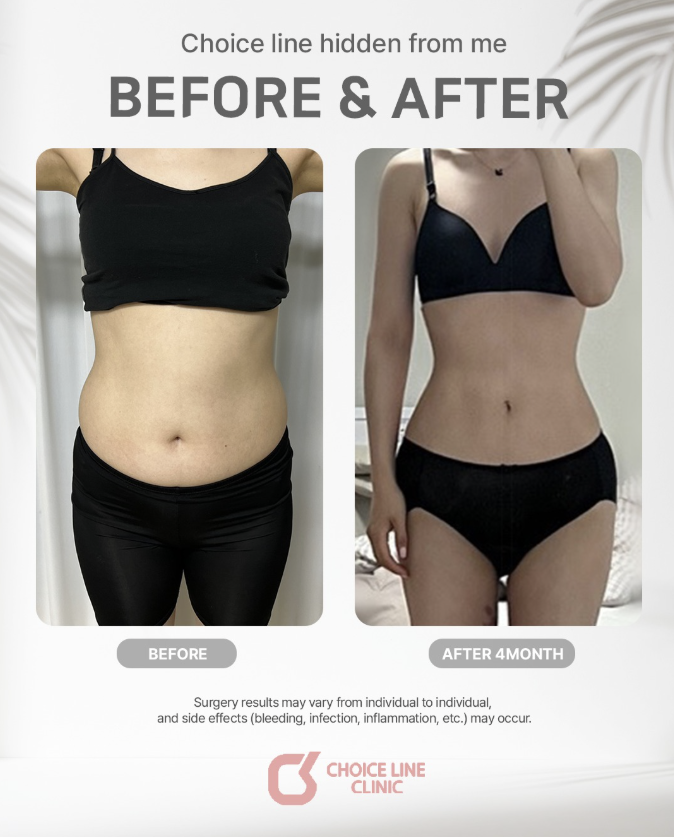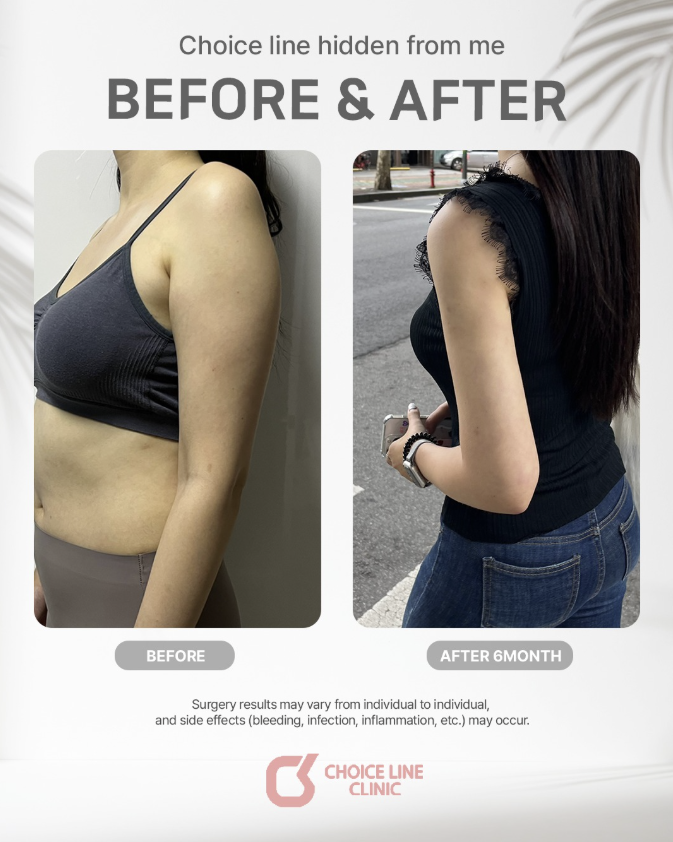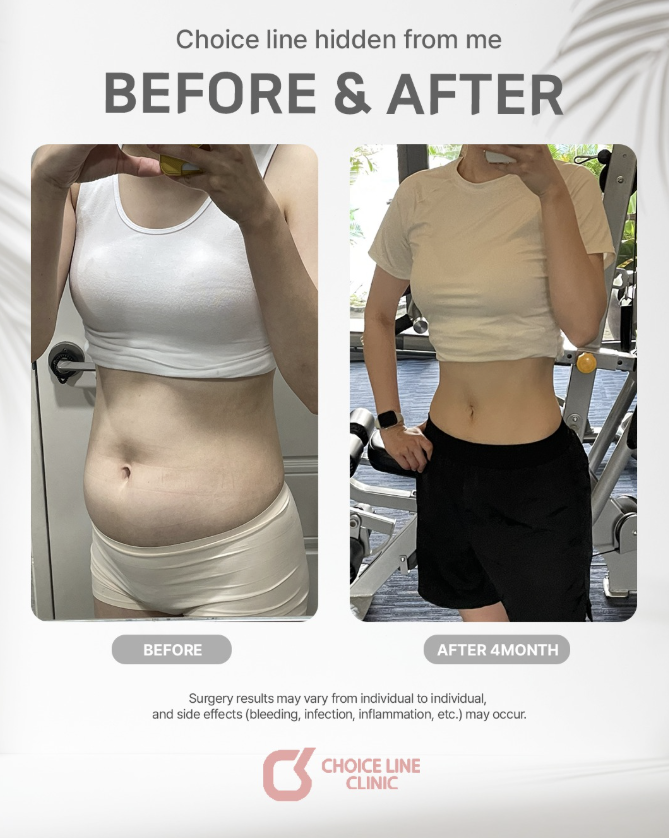



How Long Does Swelling Last After Liposuction?
How Long Does Swelling Last After Liposuction?
Swelling is one of the most common parts of recovery after liposuction. It usually improves gradually over several weeks, but minor swelling can remain for a few months depending on the treatment area and amount of fat removed. Understanding the typical recovery timeline can help patients avoid judging their final results too early.
Why Does Swelling Happen After Liposuction?
Liposuction temporarily affects the tissues beneath the skin, which naturally causes inflammation and fluid retention.
Swelling may be influenced by:
- Amount of fat removed
- Size of the treatment area
- Number of areas treated
- Surgical technique
- Individual healing response
- Postoperative activity
Larger or multiple treatment areas generally produce more swelling.
How Long Does Swelling Usually Last?
A typical recovery pattern may look like:
- First week: swelling is usually most noticeable
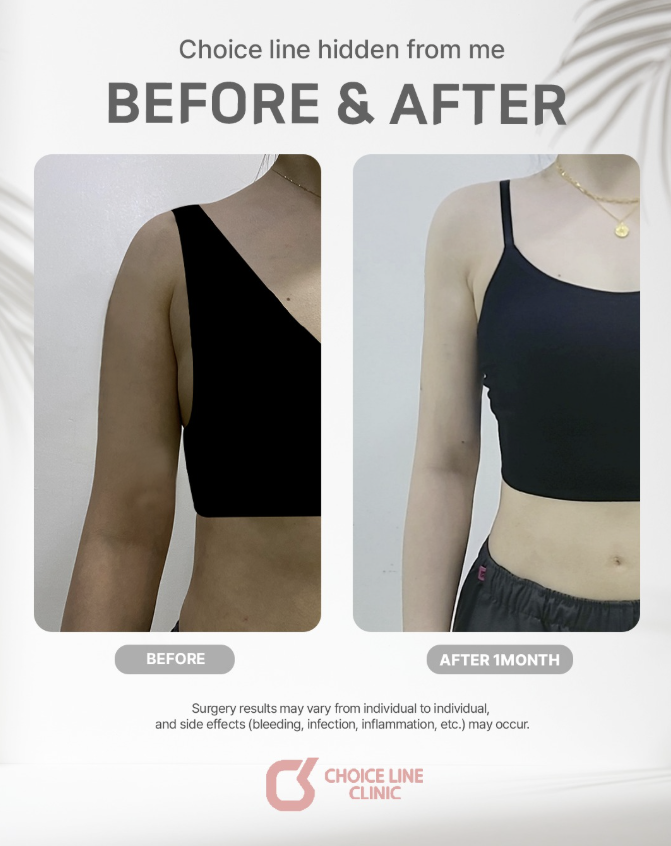
- Weeks 2–4: swelling gradually decreases
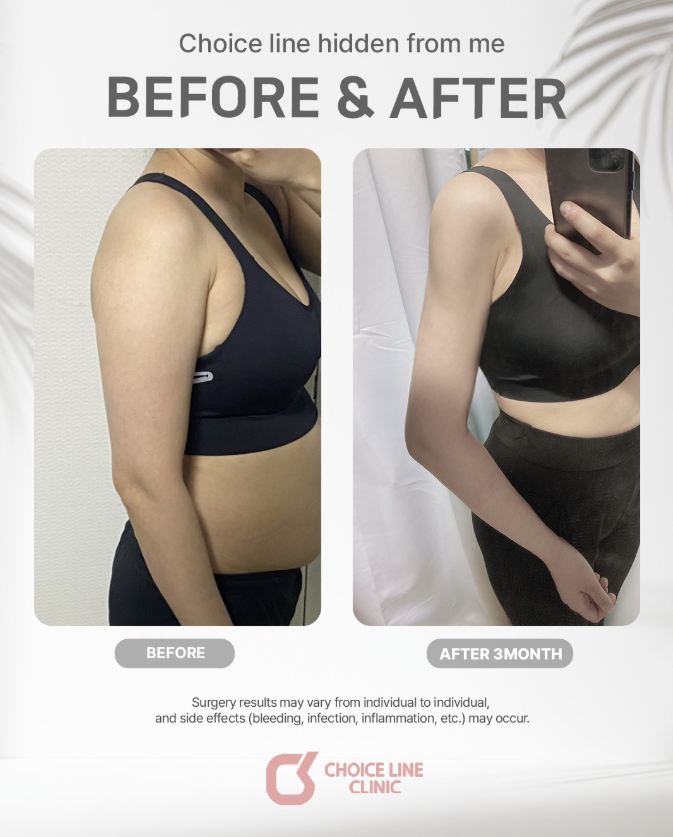
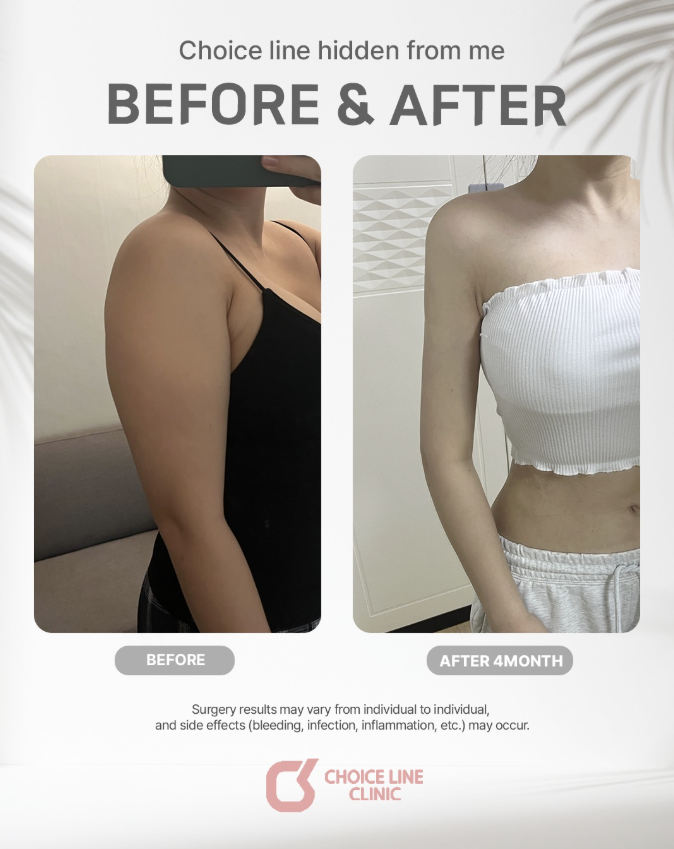
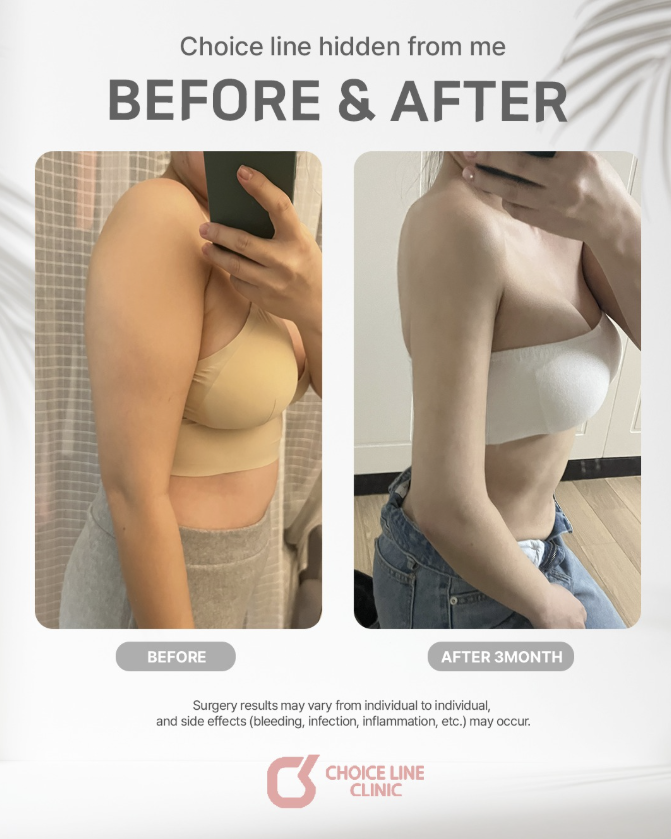
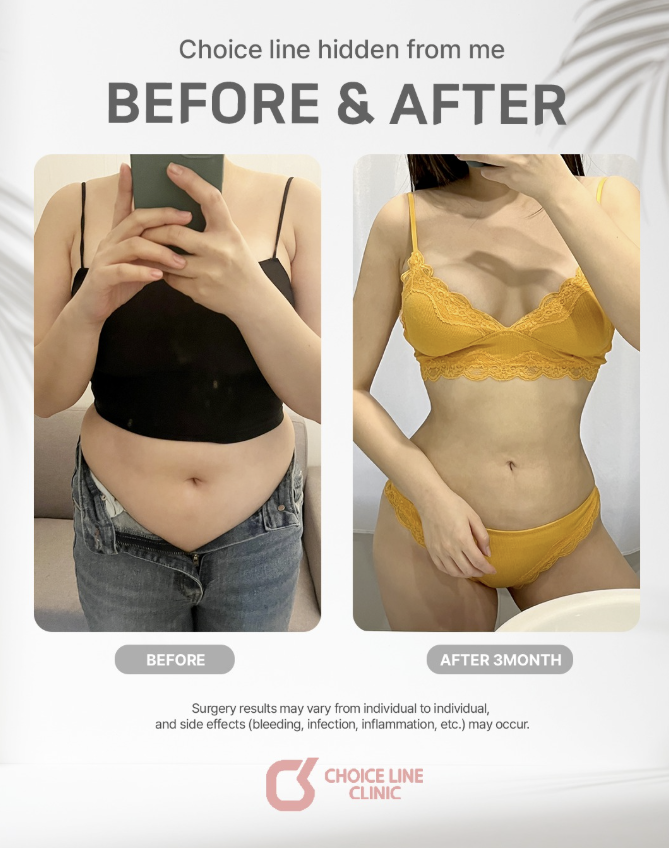
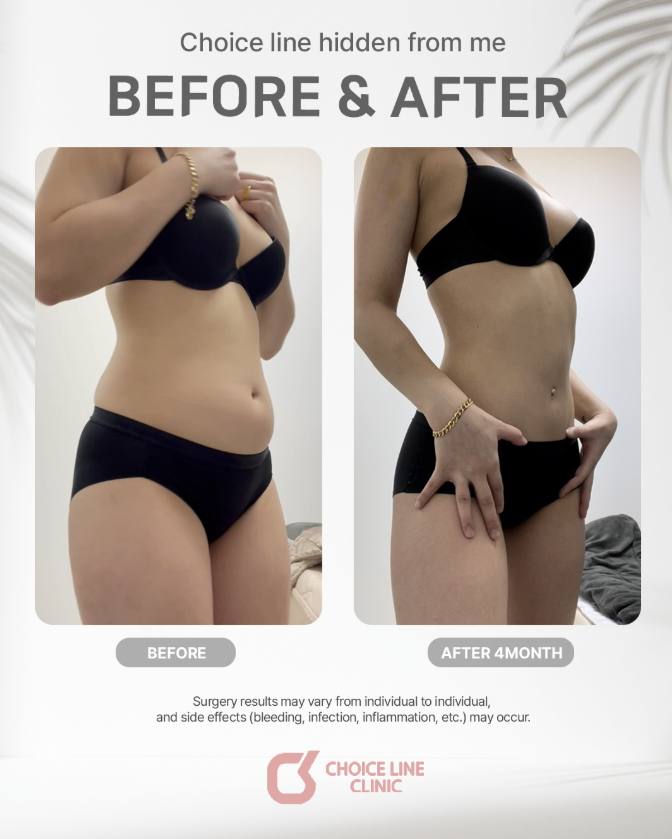
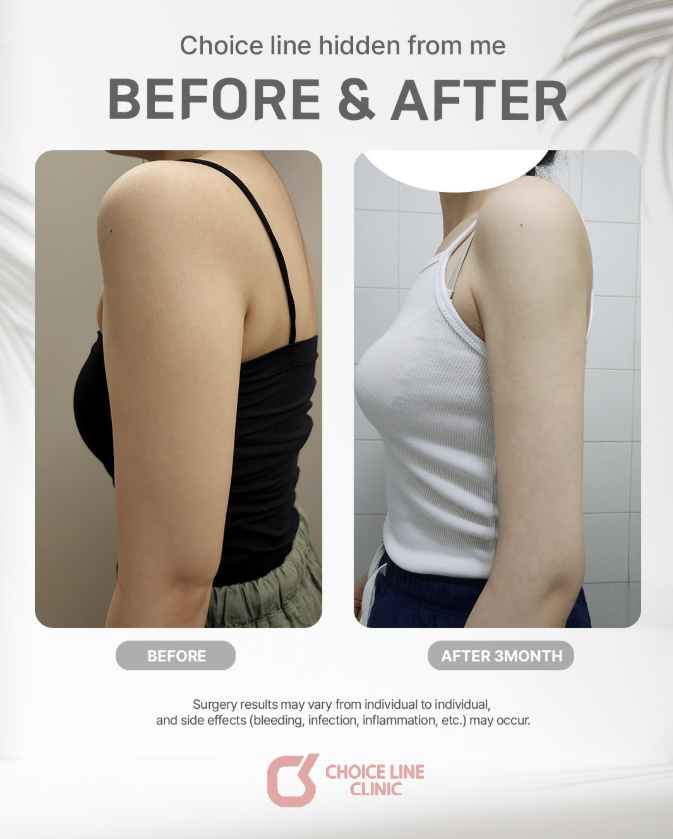
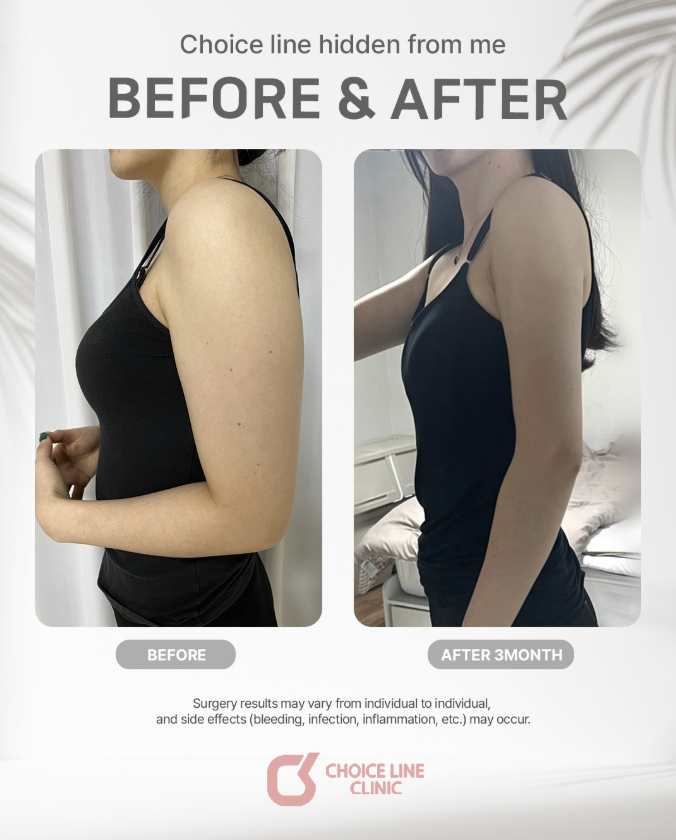
- Months 1–3: contour continues to improve
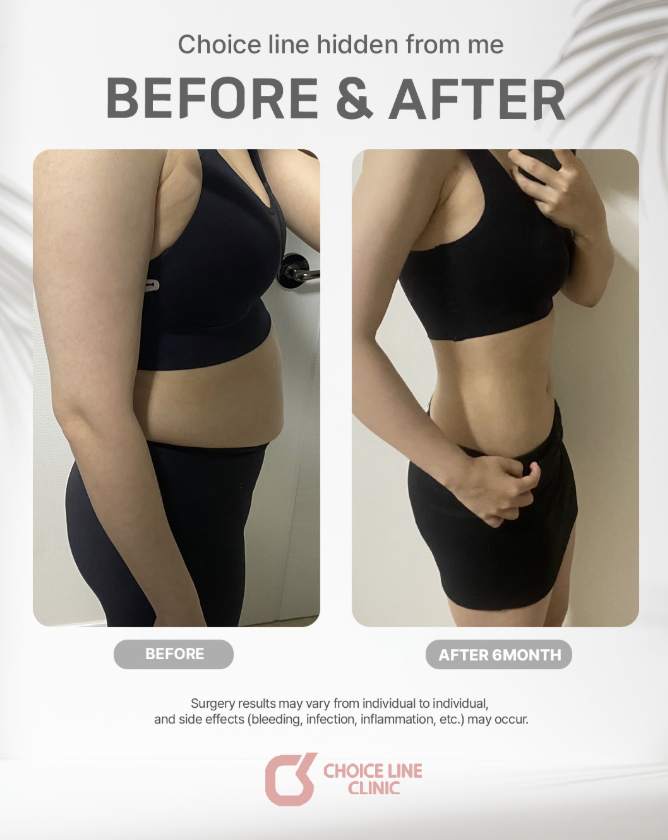
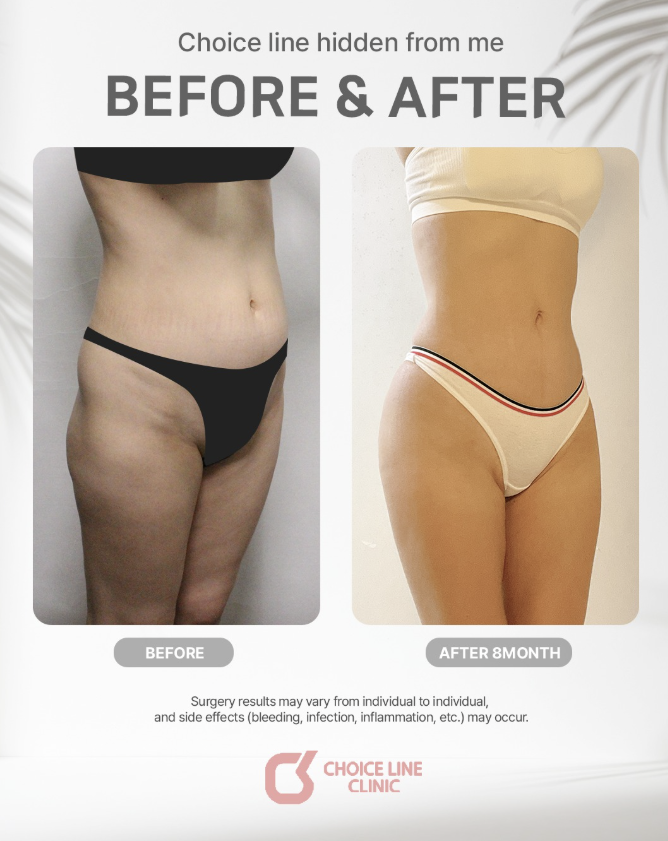
- Several months: minor residual swelling may remain
The exact timeline varies between patients.
Why Can You Look Bigger at First?
Some patients are surprised that the treated area appears temporarily larger after surgery.
This can happen because of:
- Tissue swelling
- Fluid retention
- Inflammation
- Compression garment pressure
- Early uneven healing
This temporary fullness does not represent the final result.
Does Swelling Depend on the Treatment Area?
Yes. Different areas can recover at different speeds.
For example:
- Chin liposuction may have more localized swelling
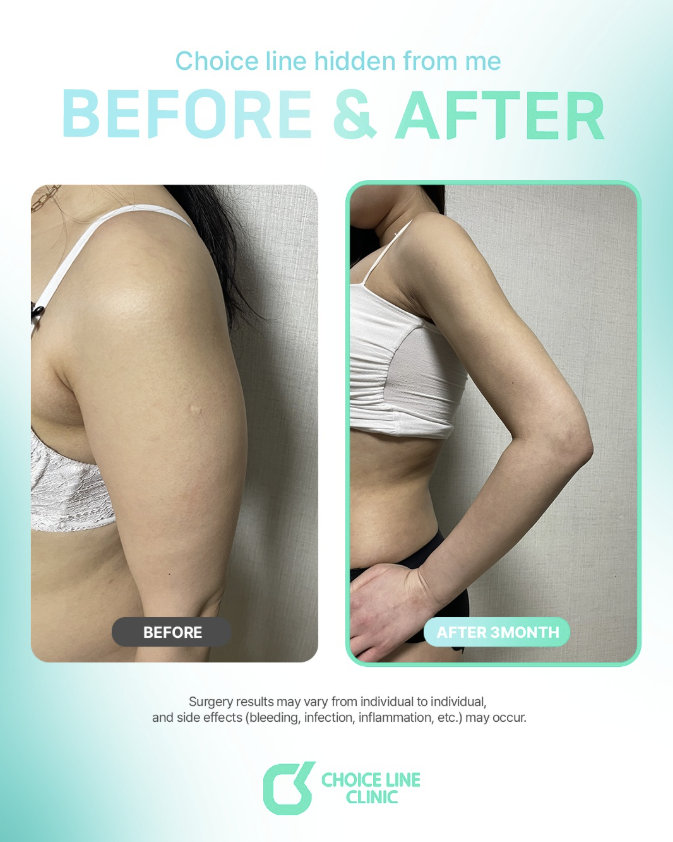
- Arm liposuction may cause upper-arm tightness
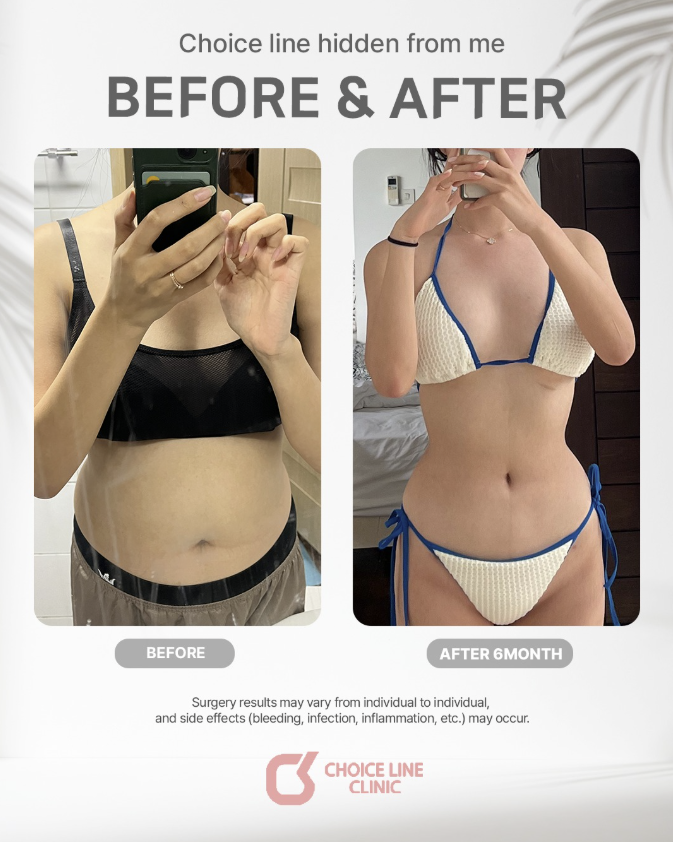
- Abdomen liposuction can produce noticeable midsection swelling
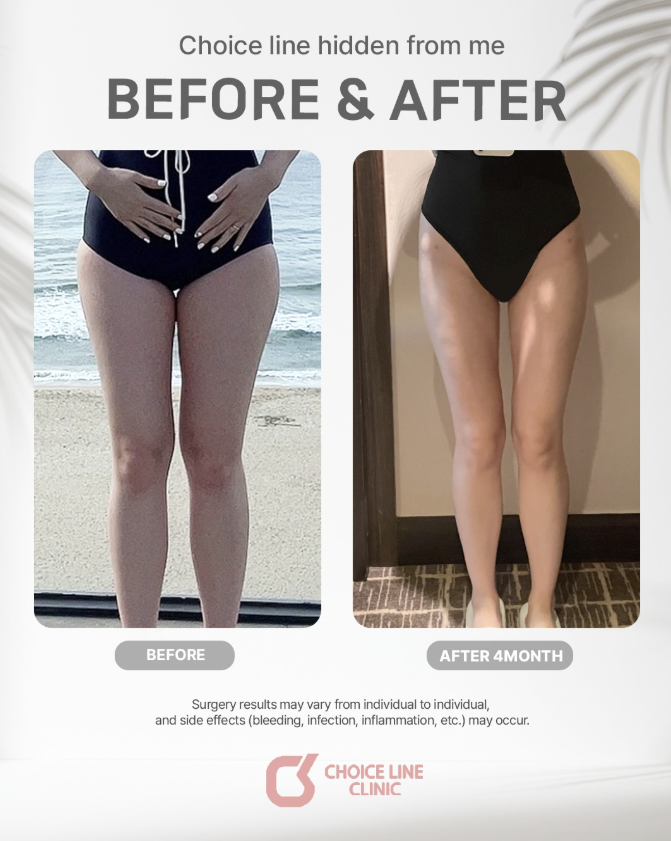
- Thigh liposuction may cause leg heaviness
- Full-body liposuction usually creates more widespread swelling
More extensive procedures generally require longer recovery.
Can One Side Swell More Than the Other?
Yes. Temporary uneven swelling is common during early healing.
One side may appear:
- More swollen
- Firmer
- Slightly larger
- More sensitive
Small differences often improve as the tissues settle.
Do Compression Garments Help With Swelling?
Compression garments are commonly recommended after body liposuction.
They may help:
- Manage swelling
- Support healing tissues
- Improve comfort
- Reduce fluid accumulation
- Support smoother contour development
Patients should follow their surgeon’s instructions regarding fit and duration.
Does Walking Help Reduce Swelling?
Gentle walking is often encouraged during recovery when medically appropriate.
Light movement may help:
- Support circulation
- Reduce stiffness
- Maintain mobility
- Avoid prolonged inactivity
However, excessive walking or exercise too early can temporarily increase swelling.
Can Exercise Make Swelling Worse?
Yes. Returning to intense exercise before healing has progressed may increase swelling and discomfort.
Patients should usually avoid:
- Running
- Heavy lifting
- Intense cardio
- High-impact exercise
- Strenuous strength training
Activity should be increased gradually according to medical guidance.
When Will the Final Result Be Visible?
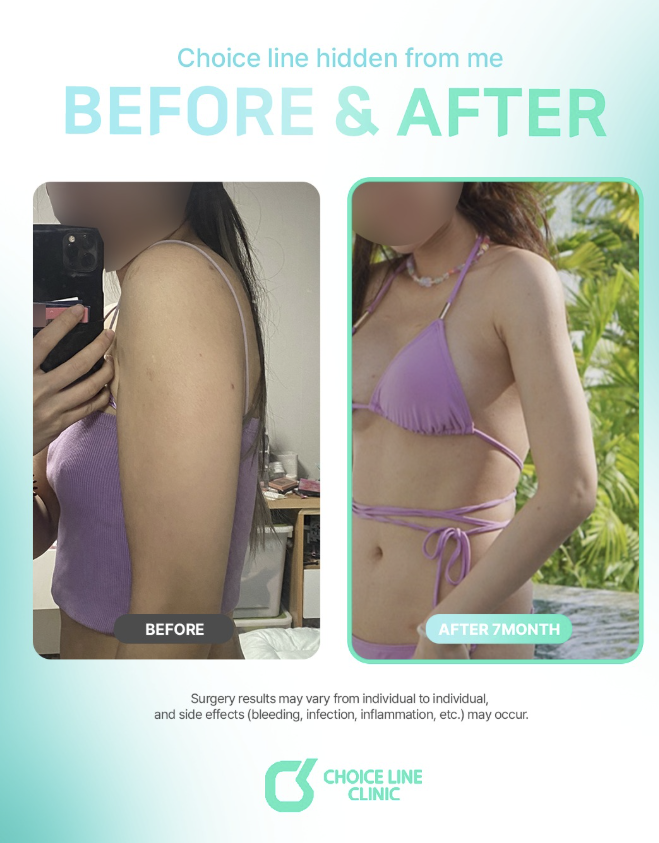
Swelling can hide the final contour for several weeks.
Results usually become clearer as:
- Swelling decreases
- Firmness softens
- Skin adapts to the new shape
- Treated tissues settle
- Contours become more defined
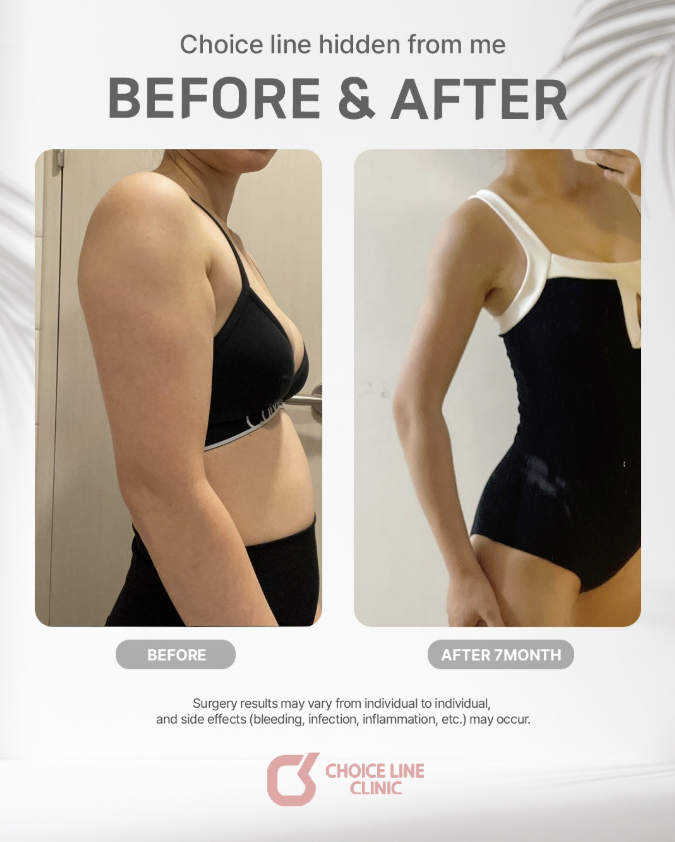
Final refinement may continue for several months.
What Can Help Support Recovery?
Patients can support the healing process by following postoperative instructions carefully.
Common recommendations may include:
- Wearing compression garments
- Walking gently
- Staying hydrated
- Avoiding excessive activity
- Attending follow-up appointments
- Maintaining stable nutrition
Individual instructions from the treating surgeon should always take priority.
When Should Swelling Be Checked by a Doctor?
Some swelling is normal, but unusual or rapidly worsening symptoms should be evaluated.
Patients should contact their medical team if they notice:
- Sudden severe swelling
- Significant one-sided swelling
- Increasing redness
- Severe pain
- Fever
- Shortness of breath
These symptoms should not simply be assumed to be part of normal recovery.
Final Thoughts
Swelling after liposuction is usually most noticeable during the first week and gradually improves over the following weeks. Much of the visible swelling may decrease within the first month, while smaller amounts can remain for several months as the final contour develops. Patients who understand that recovery is gradual, follow postoperative instructions, and avoid judging results too early are better prepared for the healing process.