



How Long Does Swelling Last After Thigh Liposuction?
How Long Does Swelling Last After Thigh Liposuction?
Swelling is a normal part of recovery after thigh liposuction and usually improves gradually rather than disappearing all at once. Because the thighs are relatively large treatment areas, some swelling can remain for several weeks or even months. Understanding the typical recovery timeline can help patients avoid judging their results too early.
What Causes Swelling After Thigh Liposuction?
Liposuction temporarily affects the tissues beneath the skin, which naturally leads to inflammation and fluid retention.
Swelling may be influenced by:
- Amount of fat removed
- Number of thigh areas treated
- Individual healing response
- Surgical technique
- Activity level
- Postoperative care
More extensive thigh contouring may produce more noticeable swelling.
How Long Does Swelling Usually Last?
The most noticeable swelling generally occurs during the early recovery period.
A typical pattern may include:
- First week: noticeable swelling and tightness
- Weeks 2–4: gradual reduction in swelling
- Months 1–3: continued contour improvement
- Several months: remaining minor swelling gradually resolves
Recovery varies significantly between patients.
Why Can the Thighs Look Bigger at First?
It is common for the thighs to temporarily look fuller shortly after surgery.
This can happen because of:
- Postoperative swelling
- Fluid retention
- Inflammation
- Compression garment pressure
- Uneven early healing
This temporary appearance does not necessarily reflect the final result.
Can One Thigh Swell More Than the Other?
Yes. Mild differences in swelling between the left and right thighs can occur during recovery.
Possible reasons include:
- Different fat removal amounts
- Individual circulation
- Sleeping position
- Activity patterns
- Natural asymmetry
Small differences often improve as swelling decreases.
Do Compression Garments Help?
Compression garments are commonly recommended after thigh liposuction.
They may help:
- Manage swelling
- Support healing tissues
- Improve comfort
- Reduce fluid accumulation
- Support smoother contour development
Patients should follow their surgeon’s instructions regarding how long to wear them.
Does Walking Help With Swelling?
Light walking is often encouraged during recovery when medically appropriate.
Gentle movement may help:
- Support circulation
- Reduce stiffness
- Encourage normal mobility
- Lower risks associated with prolonged inactivity
However, excessive walking or strenuous exercise too early may increase swelling.
When Can You Exercise Again?
Exercise should be resumed gradually.
Early recovery usually focuses on:
- Light walking
- Normal daily movement
- Avoiding heavy lower-body exercise
- Following medical clearance
Running, squats, heavy lifting, and intense leg workouts may need to wait until healing has progressed.
When Will the Final Results Be Visible?
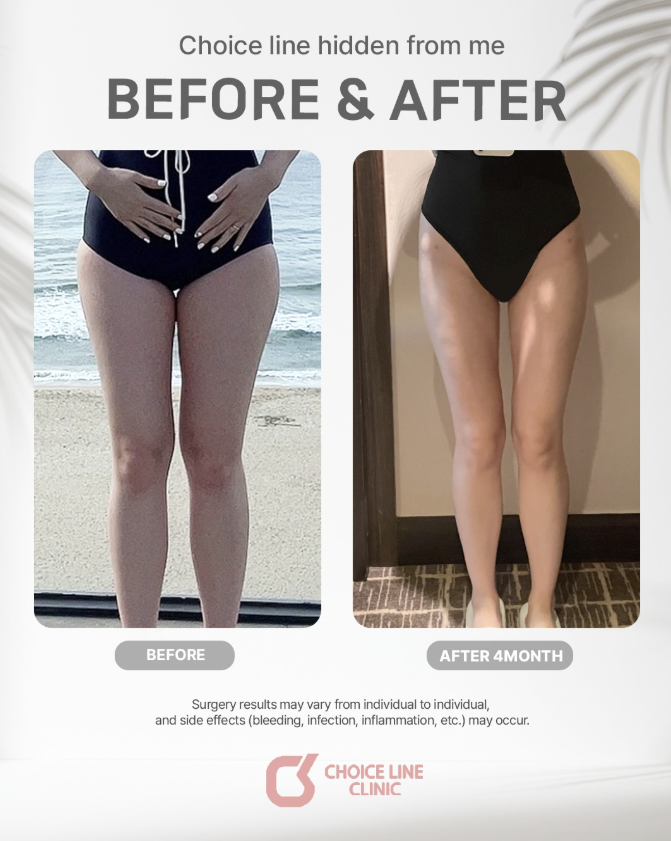
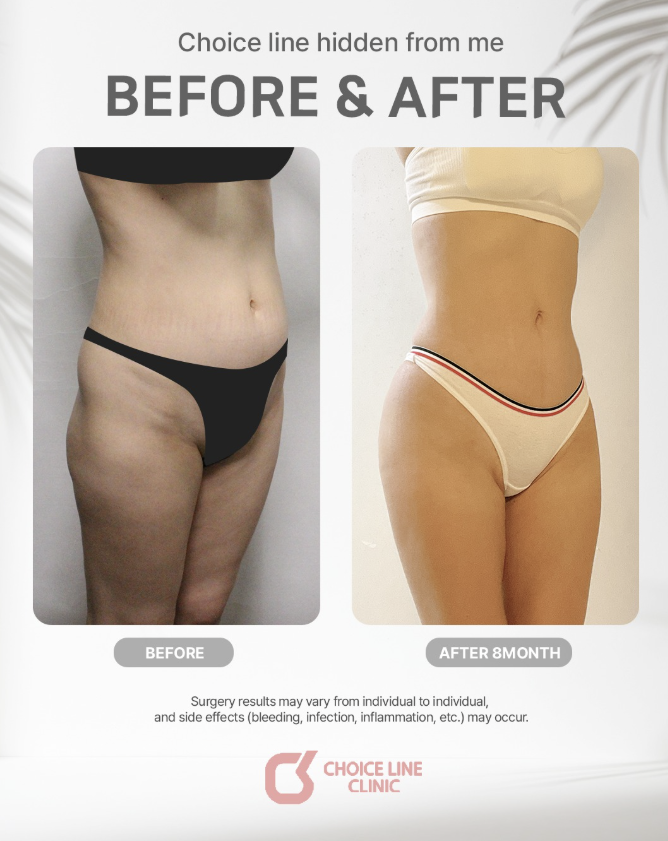
Thigh liposuction results develop gradually as swelling disappears.
Patients may notice:
- Reduced thigh volume
- Smoother leg contours
- Better inner or outer thigh definition
- Improved lower-body proportions
Final refinement may continue for several months after surgery.
What Can Help Reduce Swelling?
Patients can support recovery by following postoperative instructions carefully.
Common recommendations may include:
- Wearing compression garments
- Light walking
- Staying hydrated
- Avoiding excessive activity
- Attending follow-up appointments
- Maintaining stable nutrition
Specific recovery instructions should always come from the treating medical team.
When Should Swelling Be Checked by a Doctor?
Some swelling is expected, but patients should contact their medical team if they notice unusual or worsening symptoms.
These may include:
- Sudden severe swelling
- Significant one-sided swelling
- Increasing redness
- Severe pain
- Fever
- Shortness of breath
Prompt medical evaluation is important when recovery symptoms seem unusual.
Final Thoughts
Swelling after thigh liposuction is usually most noticeable during the first few weeks and gradually improves over the following months. Because the thighs are large treatment areas, final contours may take several months to fully develop. Patients who understand that recovery is gradual, follow compression and activity instructions, and avoid judging results too early are generally better prepared for a smoother recovery experience.