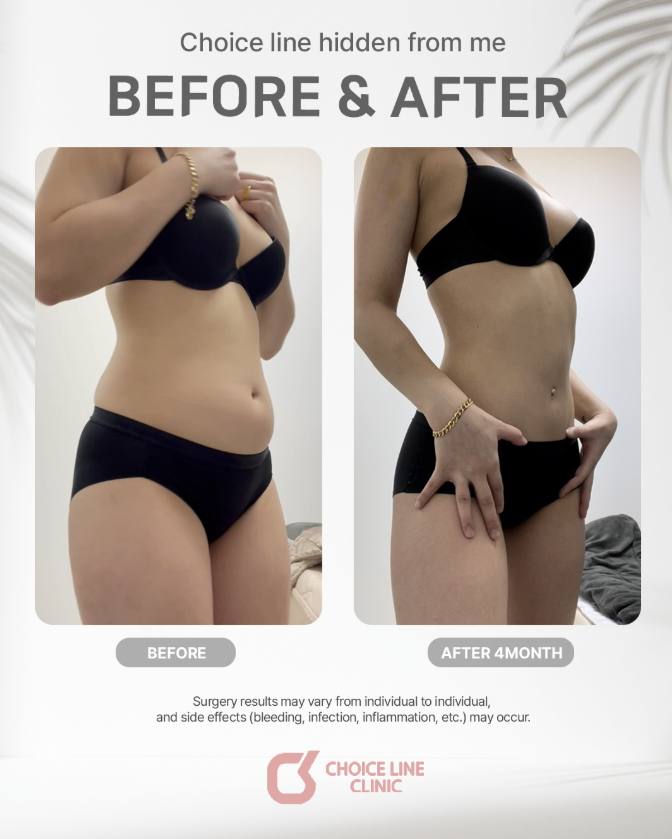




Why Are My Thighs Still Big After Losing Weight?
Why Are My Thighs Still Big After Losing Weight?
Losing weight does not always mean every part of the body becomes slimmer at the same rate. Many people notice that their thighs remain relatively full even after overall weight loss. This can happen because fat distribution is strongly influenced by genetics, hormones, body structure, and individual metabolism. Understanding why thigh fat can be stubborn can help patients decide whether additional body contouring may be appropriate.
Genetics Affect Where You Store Fat
Genetics play a major role in determining where the body naturally stores fat.
Some people are more likely to carry fat around:
- Inner thighs
- Outer thighs
- Hips
- Buttocks
- Lower abdomen
Even after weight loss, these areas may remain proportionally fuller than the rest of the body.
You Cannot Choose Where Fat Comes Off First
Weight loss reduces overall body fat, but the body decides which areas lose fat first.
This means:
- The face may slim before the thighs
- The waist may shrink faster than the legs
- Upper-body fat may decrease earlier
- Thigh fat may remain longer
Spot reduction through diet or exercise is generally not possible.
Hormones Can Influence Thigh Fat
Hormonal patterns can affect lower-body fat storage, especially around the hips and thighs.
This may contribute to:
- Persistent inner-thigh fat
- Outer-thigh fullness
- Hip fat
- Saddlebag areas
These patterns can remain even when overall body weight decreases.
Muscle Can Make the Thighs Look Bigger
Not all thigh size comes from fat.
The thighs also contain large muscle groups, including:
- Quadriceps
- Hamstrings
- Adductors
- Gluteal muscles
Patients with naturally strong or developed leg muscles may still have larger-looking thighs even at a lower body fat level.
Bone Structure Also Matters
Skeletal anatomy plays an important role in leg proportions.
Factors include:
- Pelvic width
- Femur angle
- Hip structure
- Knee alignment
- Overall body frame
Weight loss cannot change these underlying structural features.
Loose Skin Can Add Fullness
After significant weight loss, loose skin may make the thighs appear larger or less defined.
Skin laxity may be influenced by:
- Amount of weight lost
- Age
- Genetics
- Duration of previous weight gain
- Skin elasticity
In these cases, further fat loss alone may not create the desired contour.
Inner Thigh Fat Can Be Particularly Stubborn
The inner thighs are a common area where localized fat remains after weight loss.
This can cause:
- Thigh rubbing
- Limited leg separation
- Inner-leg fullness
- Uneven lower-body proportions
For some patients, the issue is localized fat rather than overall body weight.
Outer Thigh Fat May Also Remain
Outer-thigh fat, often called saddlebags, can also be resistant to weight loss.
It may affect:
- Hip-to-thigh transitions
- Side-body width
- Leg symmetry
- Overall silhouette
This area is strongly influenced by natural fat distribution.
Can More Weight Loss Make the Thighs Smaller?
Additional weight loss may reduce thigh size, but it does not guarantee that the thighs will become proportionally slim.
Continued weight loss may also reduce fat from other areas first.
This can sometimes result in:
- A thinner face
- Less upper-body volume
- Smaller breasts
- Continued thigh fullness
For patients already near a healthy and stable weight, further weight loss may not be the best solution.
Can Exercise Slim the Thighs?
Exercise can improve muscle tone, strength, and overall body composition.
It may help:
- Improve leg definition
- Support fat loss
- Strengthen surrounding muscles
- Improve overall proportions
However, exercise cannot selectively remove fat from the inner or outer thighs.
When Might Thigh Liposuction Help?
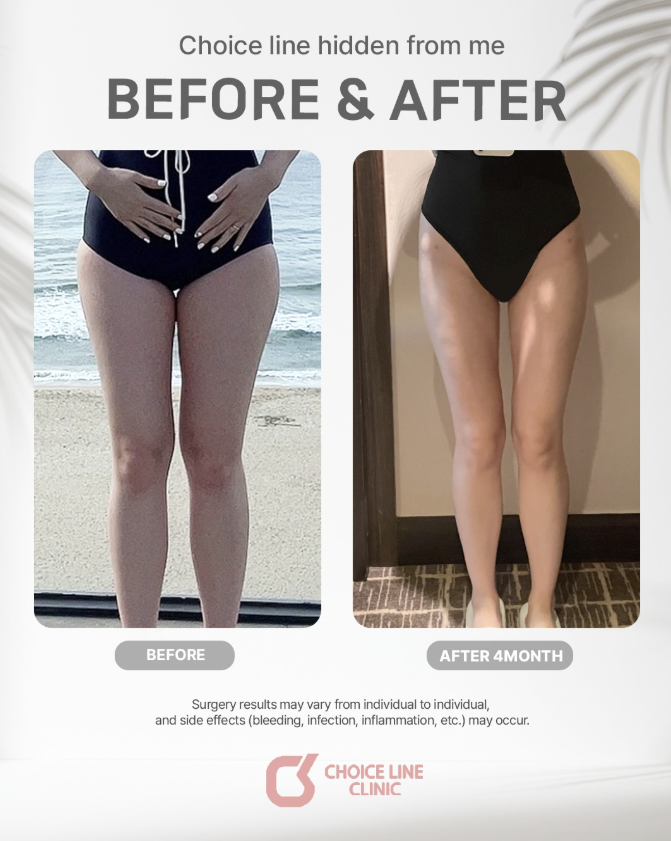
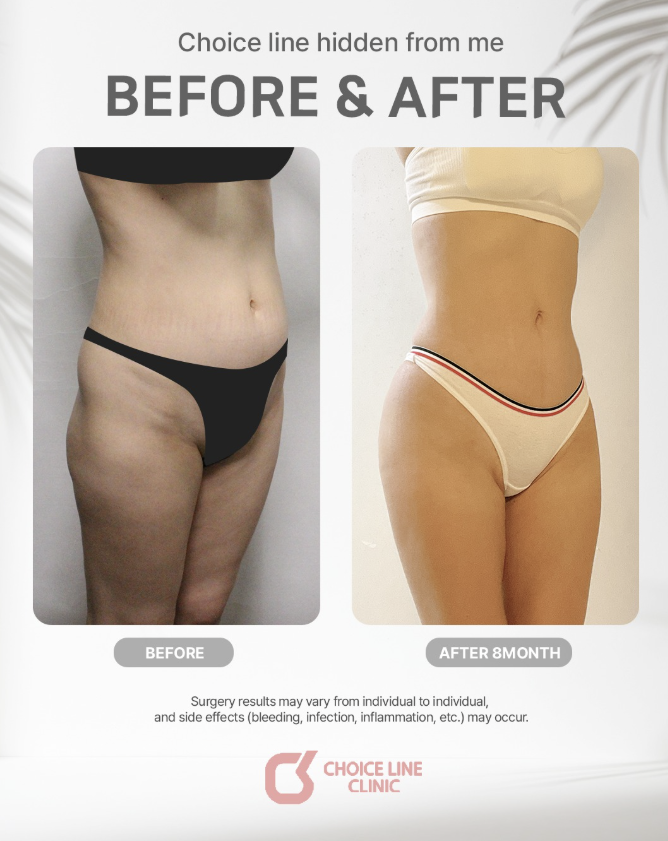
Thigh liposuction may be considered when localized fat remains despite stable weight and healthy lifestyle habits.
It may help reduce:
- Inner-thigh fat
- Outer-thigh fat
- Saddlebags
- Front-thigh fullness
- Fat around the knees
The procedure is intended for body contouring rather than further weight loss.
Who Is a Good Candidate?
Thigh liposuction is generally most suitable for patients who have:
- Stable body weight
- Localized thigh fat
- Reasonable skin elasticity
- Good overall health
- Realistic expectations
A consultation can help determine whether the fullness is mainly caused by fat, muscle, skin, or natural body structure.
Final Thoughts
Thighs can remain relatively large after weight loss because body shape is influenced by much more than total body fat. Genetics, hormones, muscle development, bone structure, skin elasticity, and stubborn localized fat can all affect thigh size. For patients who are already at a stable weight but still have persistent thigh fullness, body contouring options such as liposuction may help refine proportions, but the goal should be a smoother and more balanced leg shape rather than an unrealistic body standard.