



Liposuction vs CoolSculpting: Which Is Better for Stubborn Fat?
Liposuction vs CoolSculpting: Which Is Better for Stubborn Fat?
Liposuction and CoolSculpting can both reduce stubborn fat, but they work very differently. Liposuction surgically removes fat cells and generally produces a larger, more predictable contour change, while CoolSculpting uses controlled cooling to reduce a smaller amount of fat without surgery. The better choice depends on how much fat needs to be treated, the desired result, recovery preferences, and whether the patient is comfortable undergoing a surgical procedure.
How Does Liposuction Work?
Liposuction removes fat through small incisions using a thin tube called a cannula.
It can be used for areas such as:
- Abdomen
- Waist
- Love handles
- Arms
- Thighs
- Back
- Chin
Because the surgeon physically removes fat, the amount and location of reduction can be controlled more directly.
How Does CoolSculpting Work?
CoolSculpting is a form of cryolipolysis, a non-surgical treatment that exposes targeted fat cells to controlled cooling.
The damaged fat cells are gradually processed by the body over the following weeks and months.
It is generally designed for:
- Small localized fat deposits
- Mild body contouring
- Patients close to their ideal weight
- Patients who want to avoid surgery
It is not intended for major fat removal or weight loss.
Which Removes More Fat?
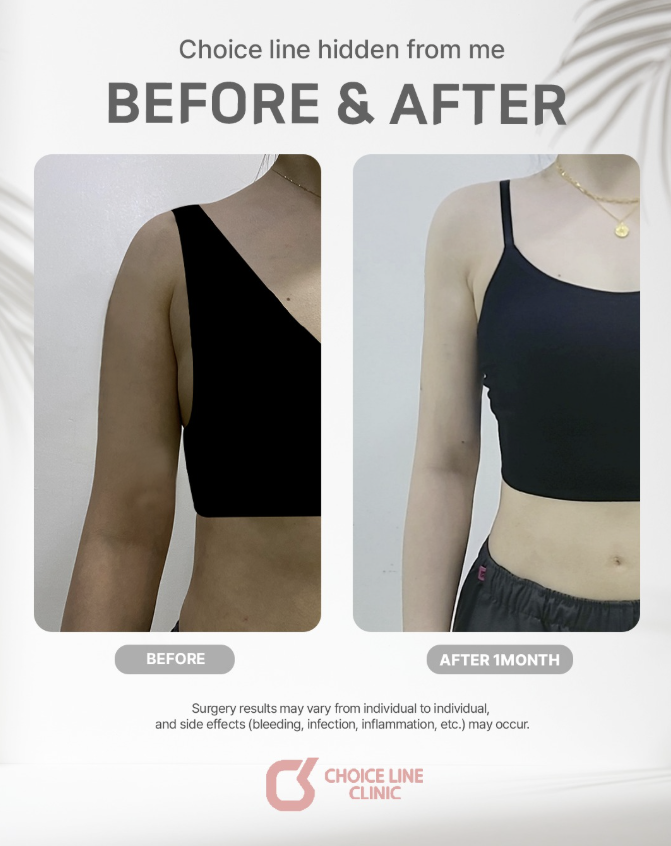
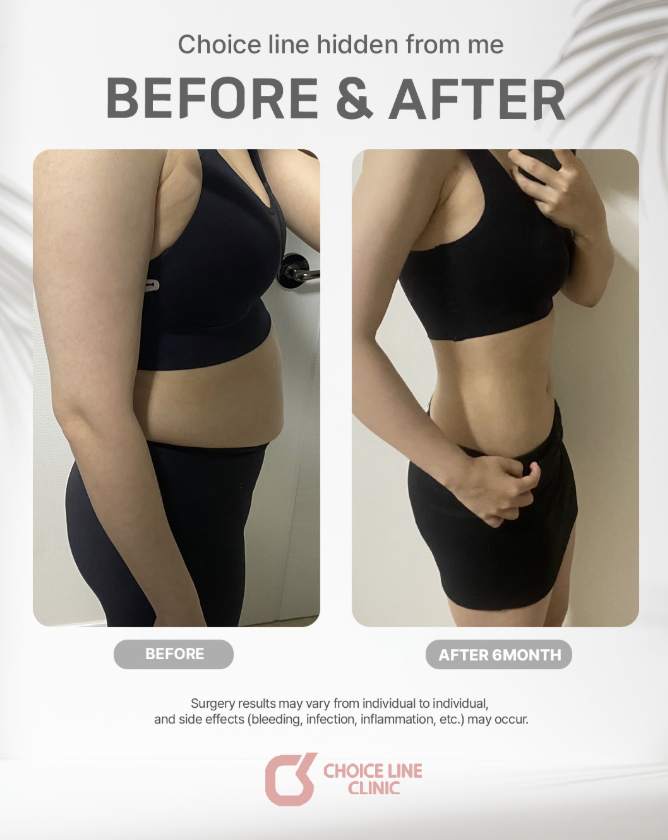
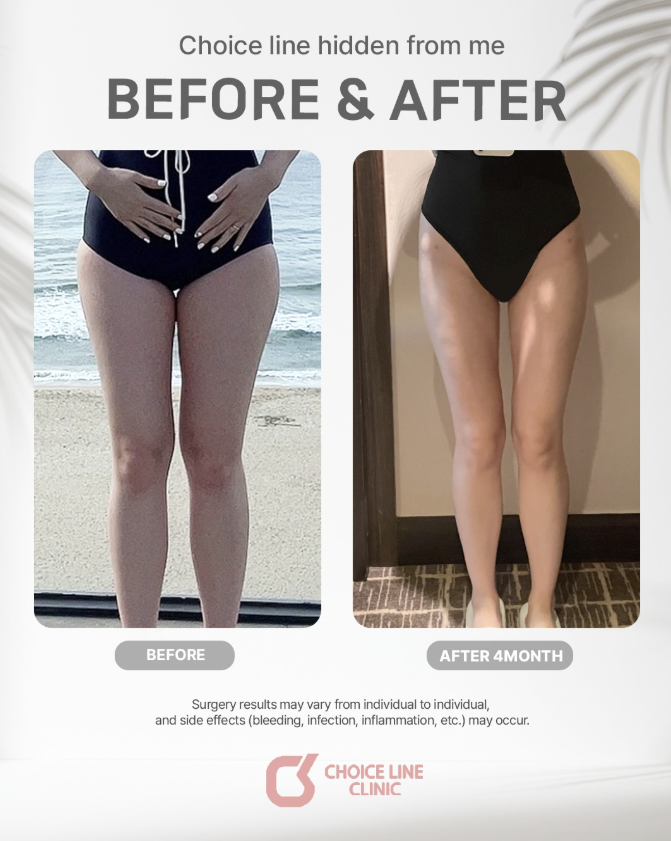
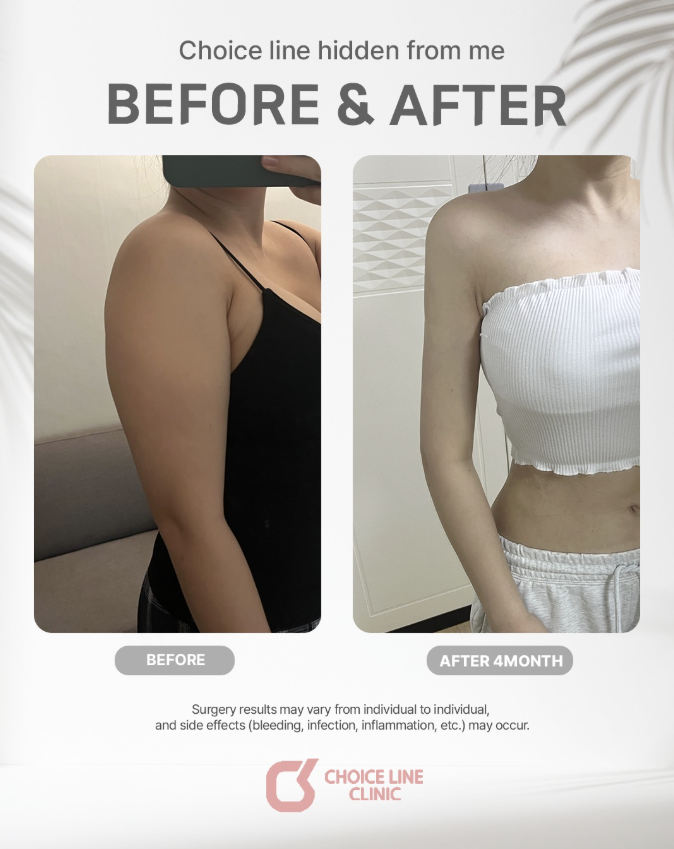
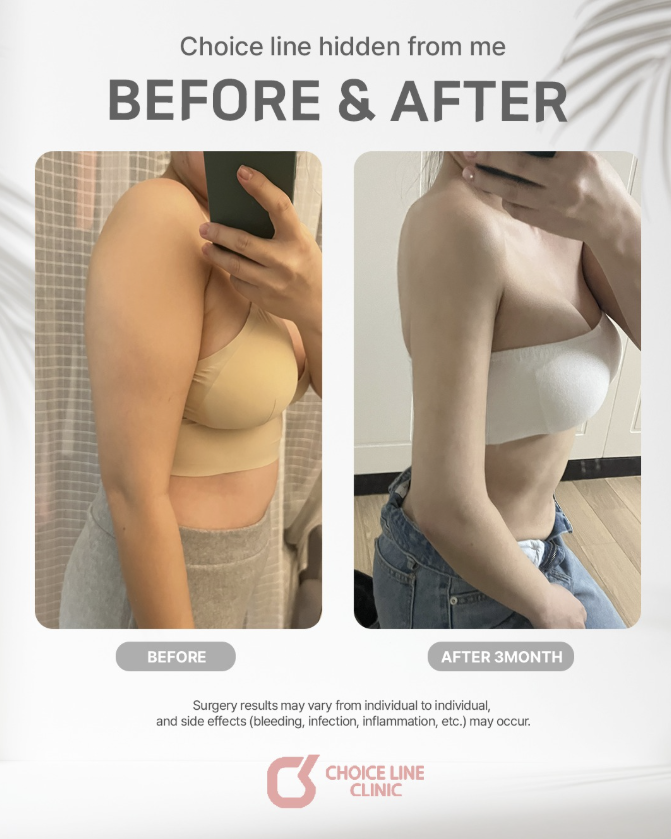
Liposuction generally produces a greater reduction in fat volume.
It may be more appropriate when treating:
- Noticeable abdominal fat
- Larger love handles
- Multiple body areas
- Significant thigh or arm fullness
- More extensive body contouring
CoolSculpting is usually better suited to smaller areas where only moderate improvement is needed.
Which Gives Faster Results?
Liposuction removes fat during the procedure, although swelling means the final result develops gradually.
Patients may notice:
- Early contour changes within weeks
- Continued improvement as swelling decreases
- More defined results over several months
CoolSculpting results develop more gradually because the body needs time to clear treated fat cells.
Multiple sessions may also be required.
Which Has Less Downtime?
CoolSculpting generally involves much less downtime.
Patients can often return to normal activities relatively quickly, although temporary symptoms may include:
- Redness
- Swelling
- Tenderness
- Numbness
- Tingling
Liposuction requires a longer recovery and may involve compression garments, bruising, swelling, and temporary activity restrictions.
Which Gives More Noticeable Results?
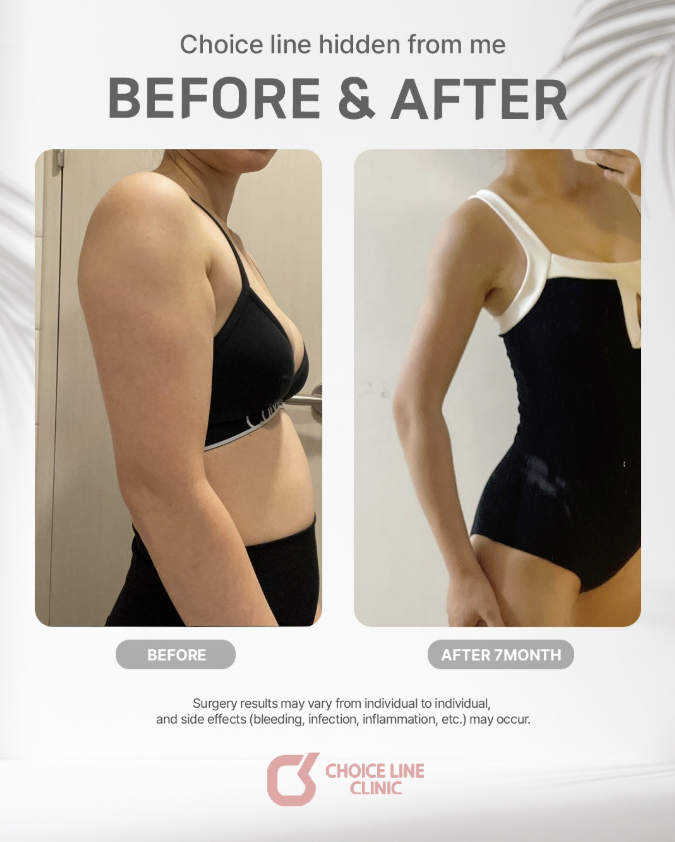
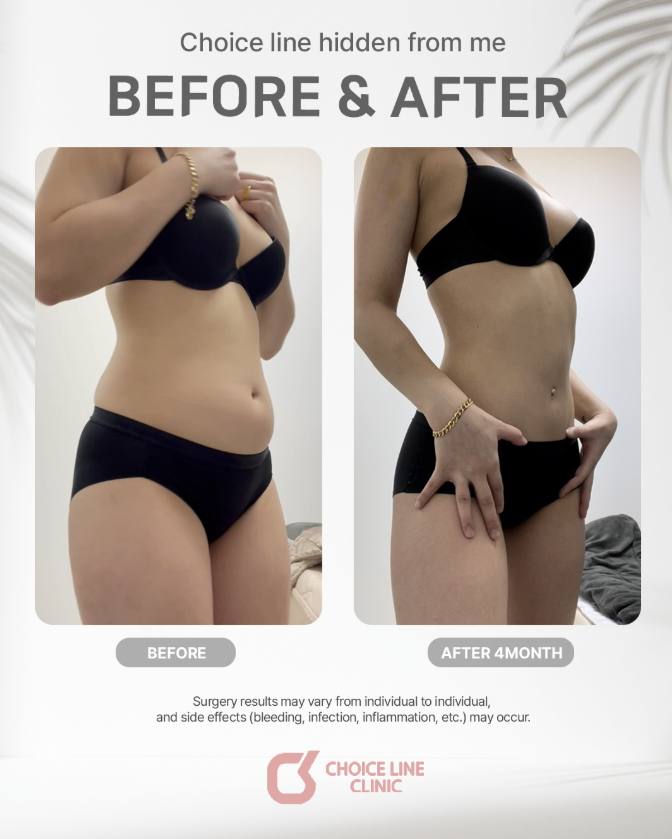
For patients wanting a significant change in body shape, liposuction generally provides more dramatic and predictable results.
It allows the surgeon to:
- Remove larger amounts of fat
- Shape multiple areas
- Create smoother transitions
- Improve overall proportions
- Target specific contour goals
CoolSculpting usually creates a more subtle reduction.
Which Is Better for Belly Fat?
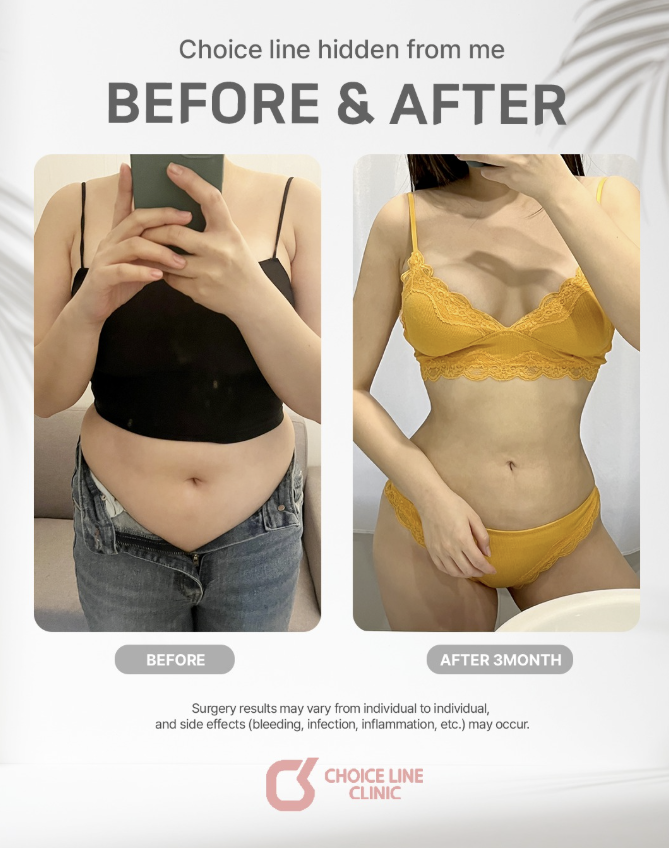
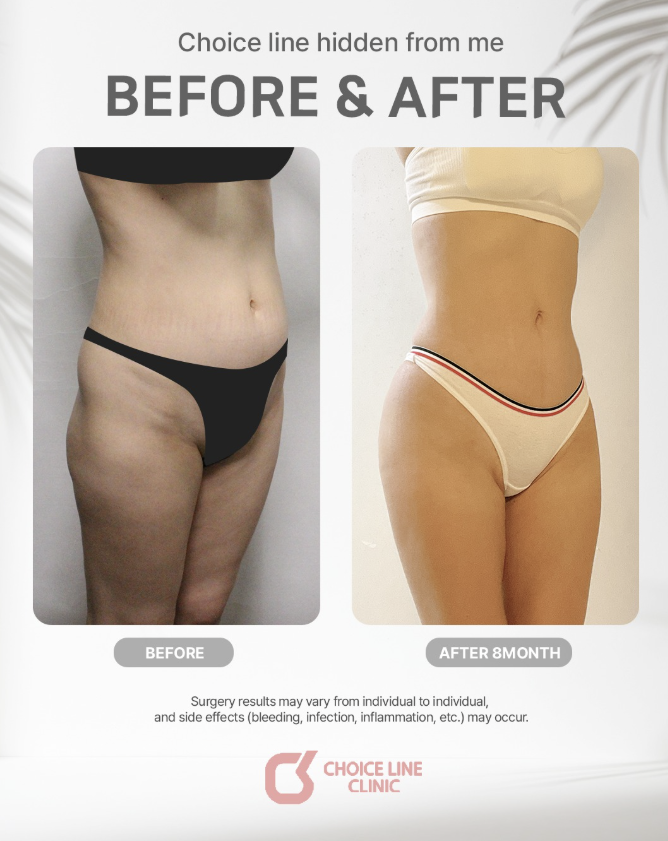
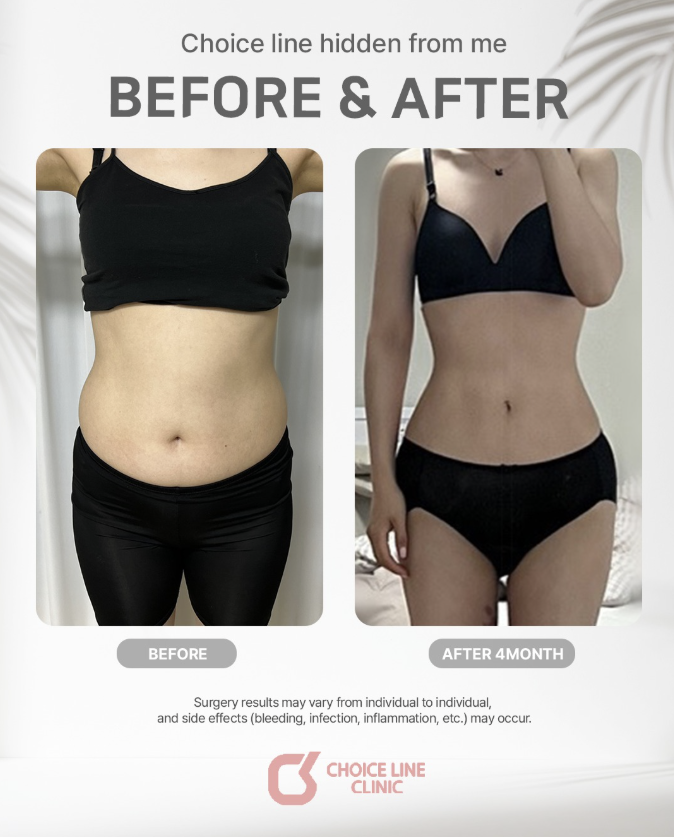
For moderate or larger abdominal fat deposits, liposuction generally provides stronger contouring.
It can treat:
- Upper abdomen
- Lower abdomen
- Waist
- Love handles
- Back
CoolSculpting may be suitable for a smaller abdominal bulge when the patient does not want surgery and accepts a more modest change.
Can CoolSculpting Replace Liposuction?
Not when significant fat removal is needed.
CoolSculpting may be a reasonable alternative for patients who:
- Have mild localized fat
- Prefer non-surgical treatment
- Want minimal downtime
- Accept gradual results
- Do not need major body reshaping
Liposuction remains more appropriate when stronger or more precise contouring is the goal.
What About Skin Tightening?
Neither treatment should be expected to correct significant loose skin.
Skin elasticity affects the final appearance after both procedures.
Patients with substantial laxity may still experience:
- Sagging
- Wrinkling
- Loose skin
- Uneven surface texture
Additional skin-tightening or skin-removal treatment may be required when skin laxity is the main concern.
What Are the Risks?
Because liposuction is surgery, possible risks include:
- Infection
- Bleeding
- Fluid accumulation
- Contour irregularities
- Numbness
- Anesthesia-related complications
CoolSculpting avoids surgical incisions but can still cause side effects such as:
- Temporary pain
- Swelling
- Bruising
- Numbness
- Sensitivity
A rare complication called paradoxical adipose hyperplasia can also occur, where the treated fat area becomes larger instead of smaller.
Which Is More Cost-Effective?
CoolSculpting may have a lower cost per treatment session, but several sessions or applicators may be needed to treat multiple areas.
Liposuction usually involves:
- Higher initial cost
- One main surgical procedure
- Greater fat reduction
- Ability to treat several areas at once
For larger treatment areas, repeated non-surgical sessions may not necessarily be less expensive overall.
Who Is Better Suited for Liposuction?
Liposuction may be more appropriate for patients who:
- Have moderate stubborn fat
- Want a noticeable contour change
- Need several areas treated
- Prefer a more predictable result
- Can accept surgical recovery
Good skin elasticity and stable body weight can also help produce smoother results.
Who Is Better Suited for CoolSculpting?
CoolSculpting may be more appropriate for patients who:
- Have a small amount of localized fat
- Want to avoid surgery
- Prefer little downtime
- Accept gradual improvement
- Have realistic expectations about the amount of reduction
It is generally best suited to contour refinement rather than major body reshaping.
Final Thoughts
Liposuction generally works better for patients who want significant and precise reduction of stubborn fat, while CoolSculpting may be suitable for smaller fat deposits and patients who prefer a non-surgical approach. Liposuction offers stronger contouring but requires more recovery, while CoolSculpting involves less downtime but usually produces more subtle and gradual results. For patients considering body contouring in Korea, the best choice depends on fat volume, skin quality, treatment goals, recovery preferences, and whether surgery is appropriate.