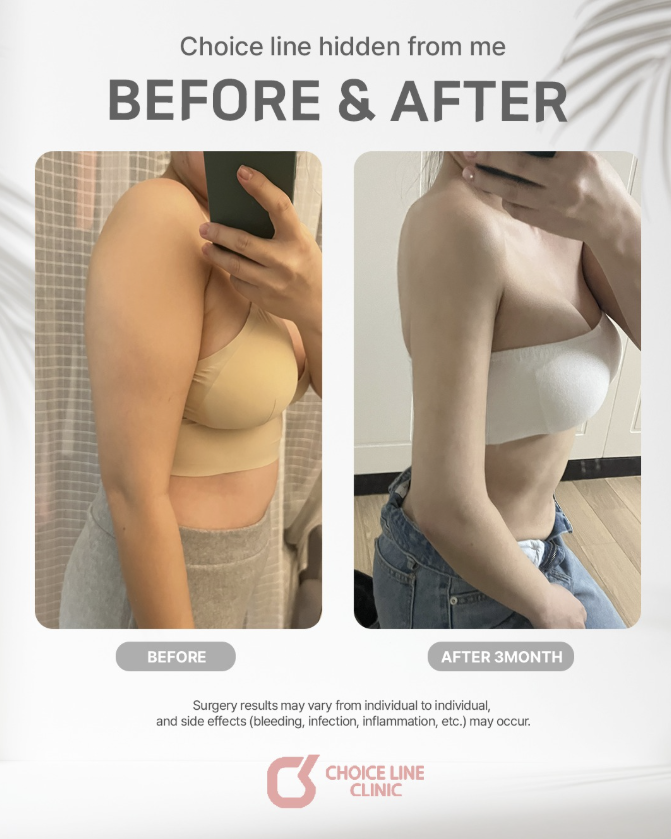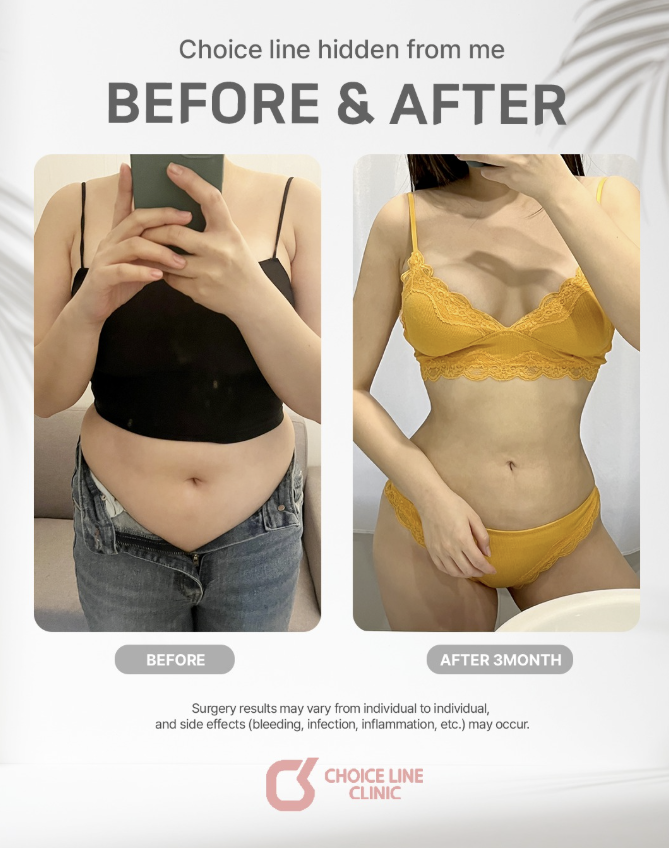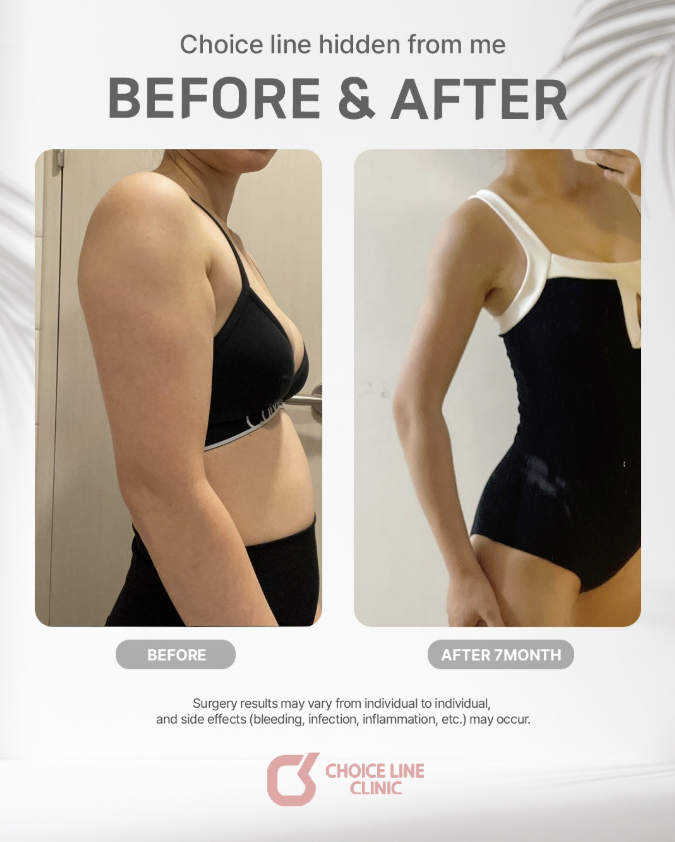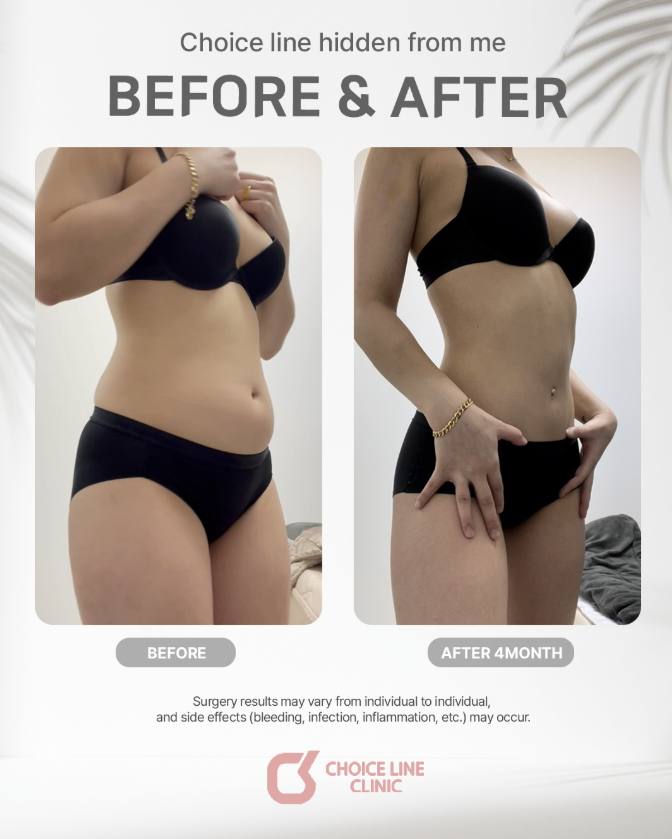




Liposuction vs Fat-Dissolving Injections: Which Works Better?
Liposuction vs Fat-Dissolving Injections: Which Works Better?
Liposuction and fat-dissolving injections can both reduce localized fat, but they are designed for different treatment goals. Liposuction physically removes a larger amount of fat in one procedure, while injections gradually reduce smaller fat deposits over multiple sessions. The better option depends on the treatment area, amount of fat, desired level of change, downtime, and whether the patient wants surgery or a non-surgical approach.
How Does Liposuction Work?
Liposuction removes fat through small incisions using a thin tube called a cannula.
It is commonly used for areas such as:
- Abdomen
- Waist
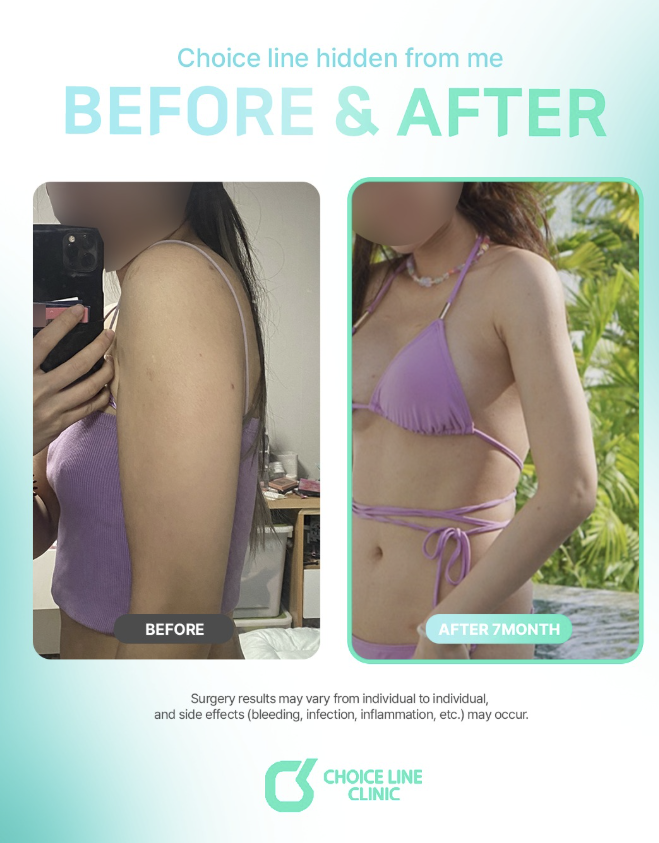
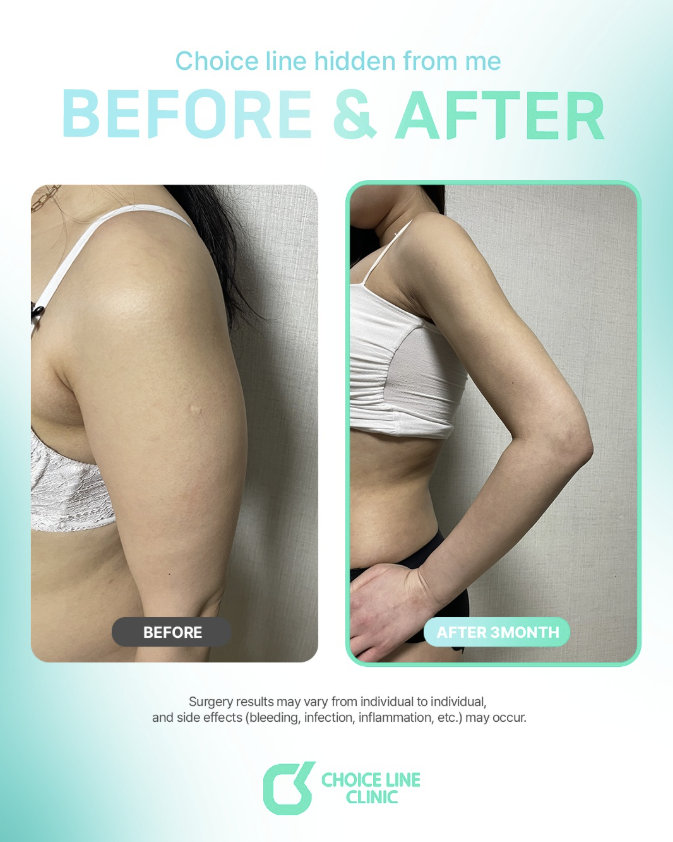
- Arms
- Thighs
- Back
- Chin
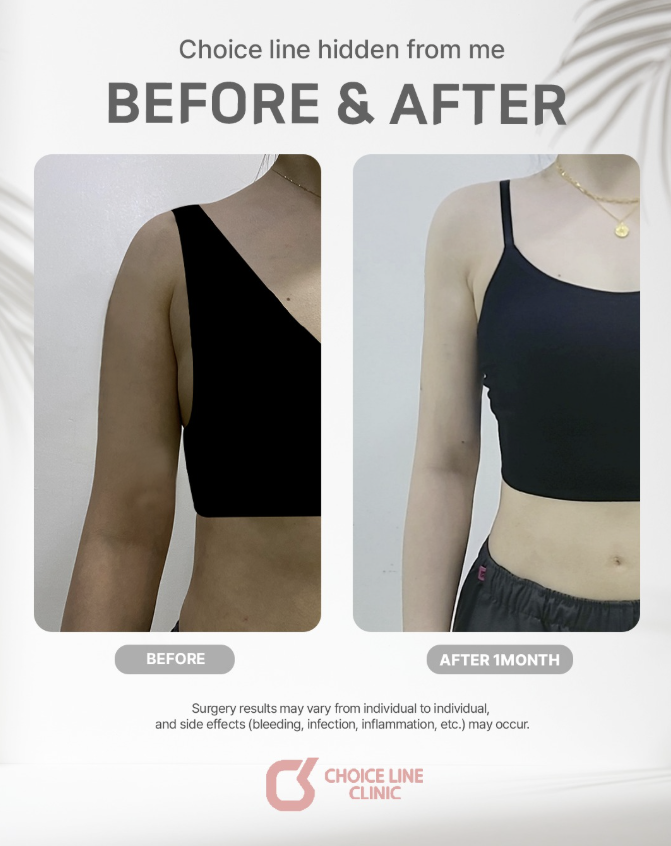
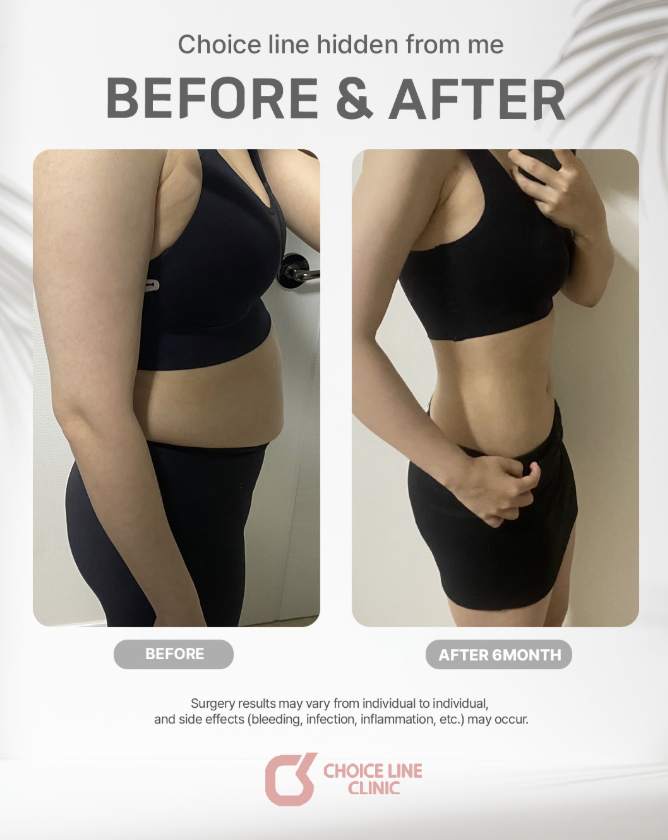
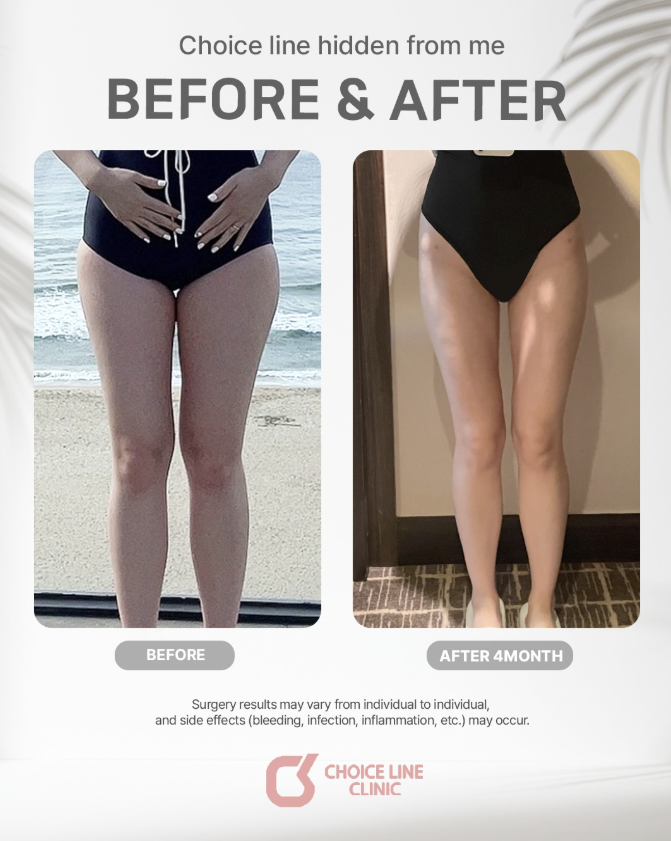
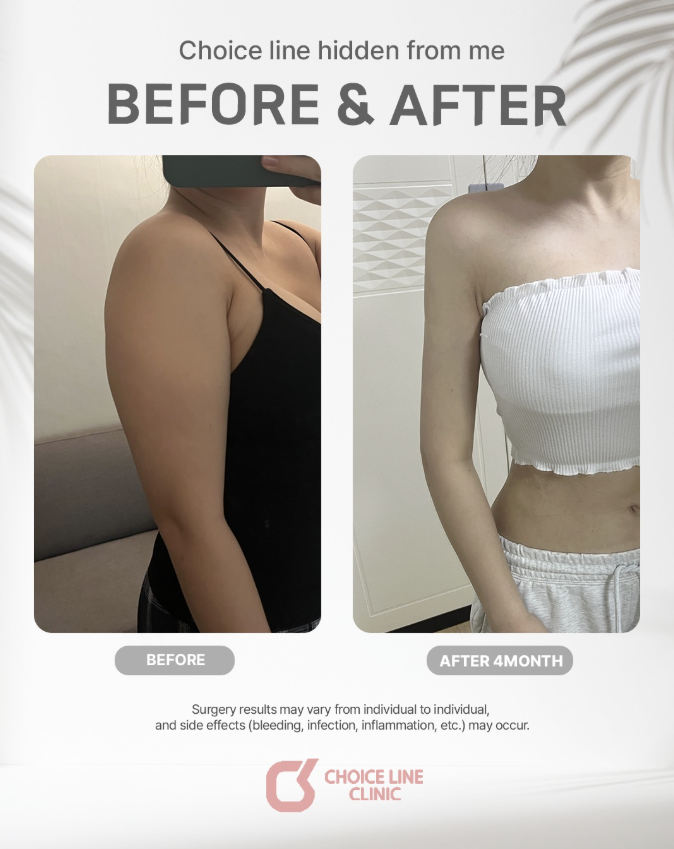
Because fat is physically removed, liposuction usually produces a more noticeable contour change than non-surgical treatments.
How Do Fat-Dissolving Injections Work?
Fat-dissolving injections are placed directly into a localized fat deposit.
Depending on the product and treatment area, they work by damaging or breaking down fat cells, which are then gradually cleared by the body.
They are generally better suited for:
- Small areas of fat
- Mild fullness
- Patients who want to avoid surgery
- Areas where subtle improvement is sufficient
Several treatment sessions may be required.
Which Removes More Fat?
Liposuction generally removes significantly more fat in a single treatment.
It may be more appropriate when the patient has:
- Moderate localized fat
- Larger treatment areas
- Multiple areas to contour
- A desire for more visible change
Fat-dissolving injections are usually intended for smaller deposits rather than extensive body contouring.
Which Gives Faster Results?
Liposuction usually creates a more immediate reduction in fat volume, although postoperative swelling initially hides the final contour.
With liposuction:
- Fat is removed during surgery
- Early changes may be visible within weeks
- Results continue improving as swelling decreases
With injections:
- Fat reduction develops gradually
- Multiple treatments may be needed
- Results may take several weeks or months
Patients wanting a more significant change may prefer liposuction.
Which Has Less Downtime?
Fat-dissolving injections usually involve less downtime because they do not require surgery.
Patients may experience:
- Swelling
- Tenderness
- Redness
- Firmness
- Bruising
Liposuction generally involves a longer recovery and may require:
- Compression garments
- Activity restrictions
- Incision care
- Several weeks of swelling
The tradeoff is that liposuction usually produces a greater amount of fat reduction.
Which Is Better for the Double Chin?
Both treatments may be used for submental fat, depending on the amount of fullness.
Fat-dissolving injections may suit patients with:
- Mild double chin
- Small fat deposits
- Good skin elasticity
- Preference for non-surgical treatment
Chin liposuction may be better for patients with:
- More noticeable fat
- Stronger contouring goals
- Desire for clearer jawline definition
- Preference for a single procedure
Skin laxity also needs to be considered.
Which Is Better for the Abdomen?
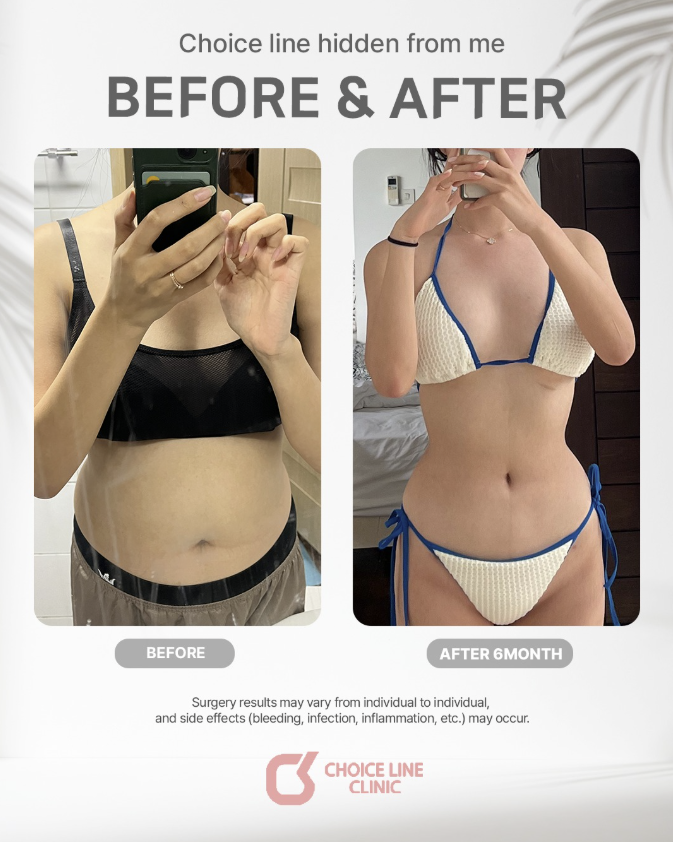
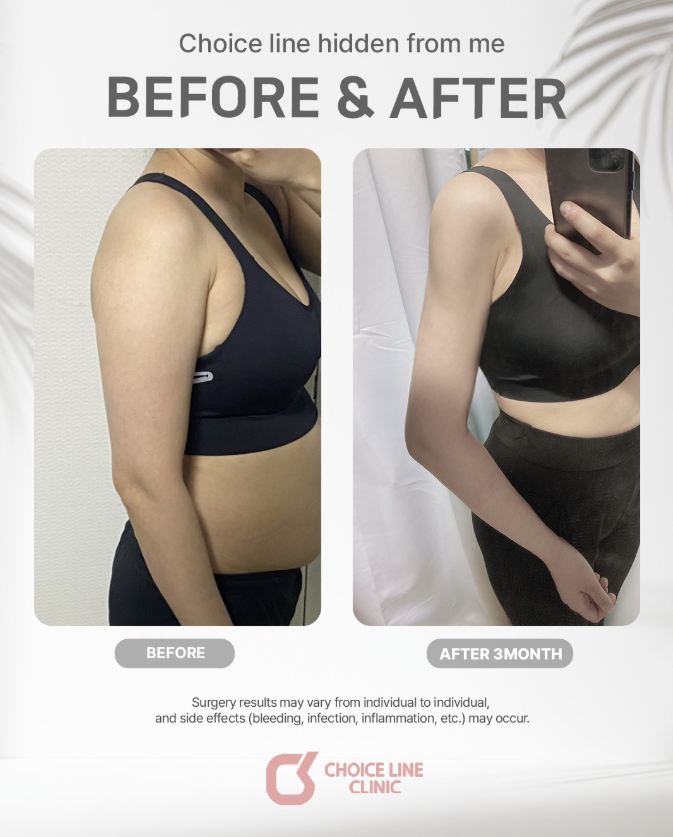
For abdominal fat, liposuction usually produces a larger and more predictable reduction.
Fat-dissolving injections may be considered for very small pockets, but treating a large abdominal area can require many injections and several sessions.
Liposuction may be more practical for:
- Lower belly fat
- Upper abdomen
- Love handles
- Waist contouring
- 360° body contouring
Can Fat-Dissolving Injections Replace Liposuction?
Not usually when the goal is significant body contouring.
Injections may be helpful for small areas, but they generally cannot reproduce the degree of fat removal possible with surgery.
They are better viewed as:
- A non-surgical alternative for mild concerns
- A treatment for small localized deposits
- An option for patients unwilling to undergo surgery
The two treatments serve different purposes.
Which Gives More Predictable Results?
Liposuction generally allows the surgeon to directly control where and how much fat is removed.
This can provide:
- Greater contour precision
- More visible reduction
- Better treatment of larger areas
- More dramatic shape changes
Injection results can vary depending on treatment response, dosage, number of sessions, and fat thickness.
Which Is More Cost-Effective?
The answer depends on the treatment area and number of sessions required.
Fat-dissolving injections may cost less per session, but repeated treatments can increase the total expense.
Liposuction usually has:
- Higher upfront cost
- One main procedure
- Greater fat reduction per treatment
For larger areas, repeated injections may not necessarily be the more economical option.
What Are the Risks?
Liposuction involves surgical risks such as:
- Infection
- Bleeding
- Fluid accumulation
- Contour irregularities
- Anesthesia-related complications
Fat-dissolving injections can cause:
- Significant swelling
- Bruising
- Pain
- Temporary numbness
- Firmness
- Uneven response
Certain injection products and areas may also carry specific risks, so treatment should be performed by an appropriately qualified medical professional.
Does Skin Elasticity Matter?
Yes. Neither option automatically fixes significant loose skin.
Patients with poor skin elasticity may still notice:
- Sagging
- Wrinkling
- Loose skin
- Uneven texture
If skin laxity is the main concern, a skin-tightening or skin-removal procedure may be more appropriate.
Who Should Consider Liposuction?
Liposuction may be better for patients who:
- Have moderate localized fat
- Want a more noticeable change
- Prefer one main treatment
- Are comfortable with surgical recovery
- Have realistic expectations
It is particularly useful when several body areas need contouring.
Who Should Consider Fat-Dissolving Injections?
Injections may be more suitable for patients who:
- Have a small amount of localized fat
- Want to avoid surgery
- Accept gradual improvement
- Can attend multiple sessions
- Prefer shorter recovery periods
They are generally not intended for major body reshaping.
Final Thoughts
Liposuction generally works better when the goal is significant fat reduction and more visible body contouring, while fat-dissolving injections may be suitable for small localized areas and patients who prefer a non-surgical approach. Liposuction offers greater fat removal in one procedure but requires more recovery, while injections involve less downtime but usually produce more gradual and limited changes. For patients considering treatment in Korea, the best option depends on fat volume, treatment area, skin quality, recovery preferences, and the degree of improvement desired.