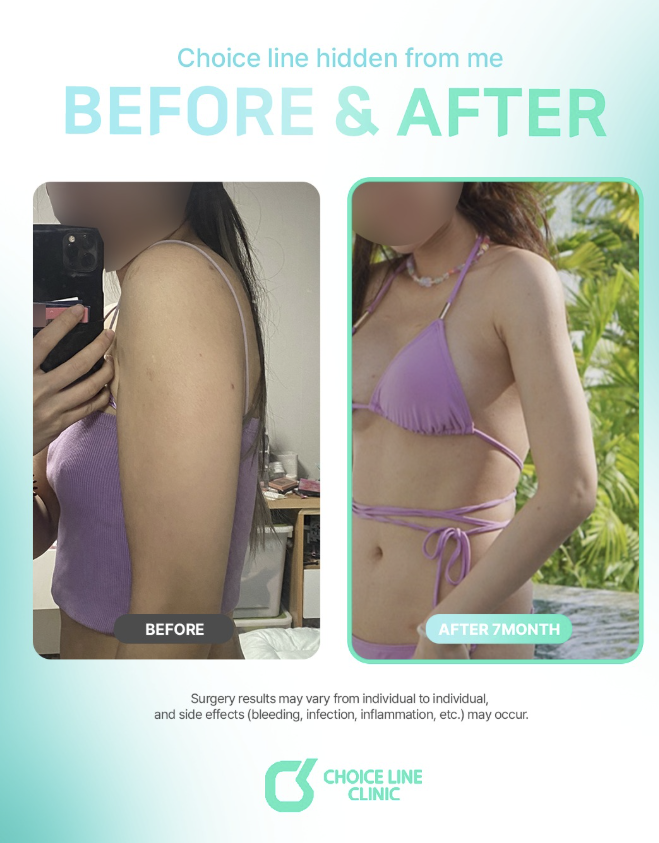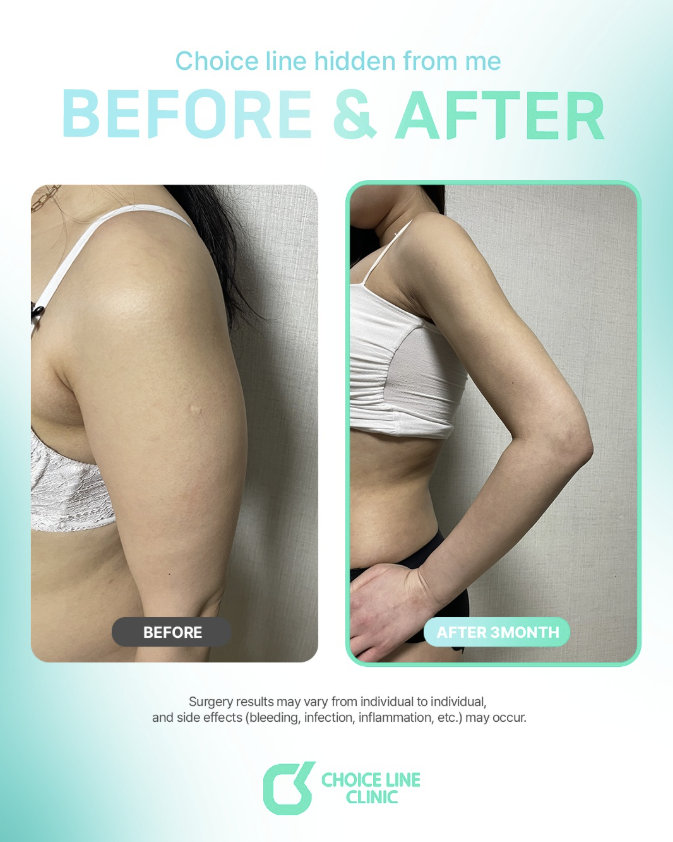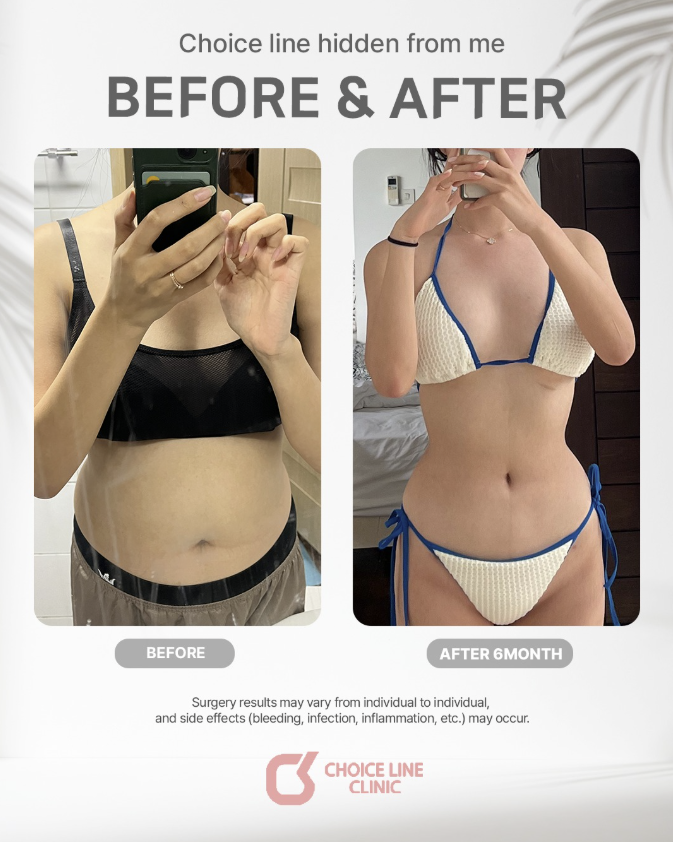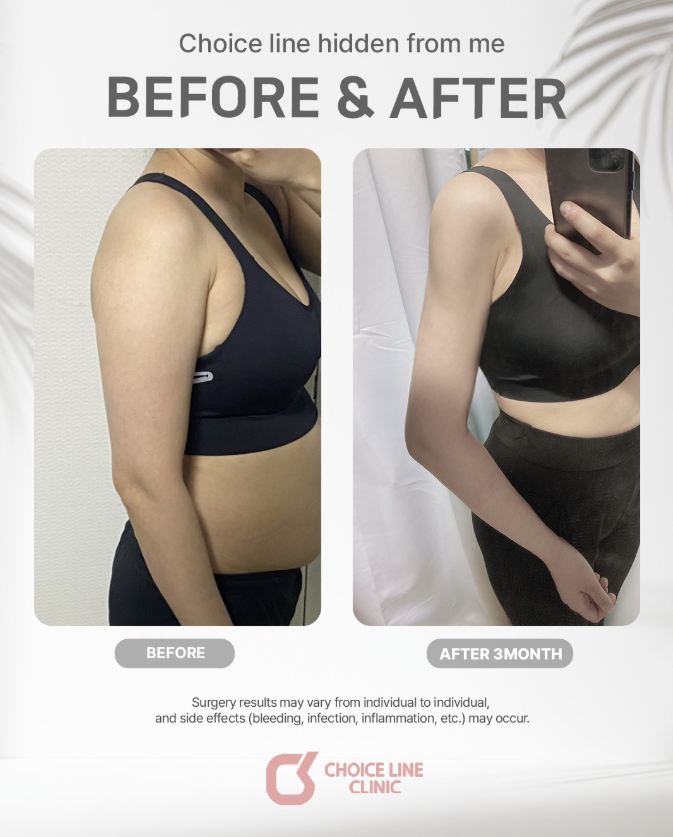




Liposuction vs Weight Loss: What’s the Difference?
Liposuction vs Weight Loss: What’s the Difference?
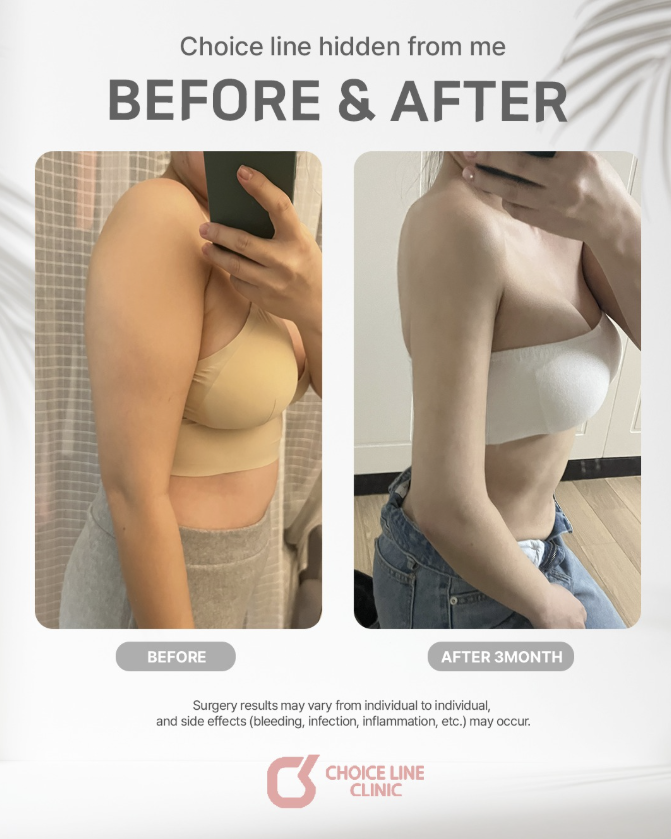
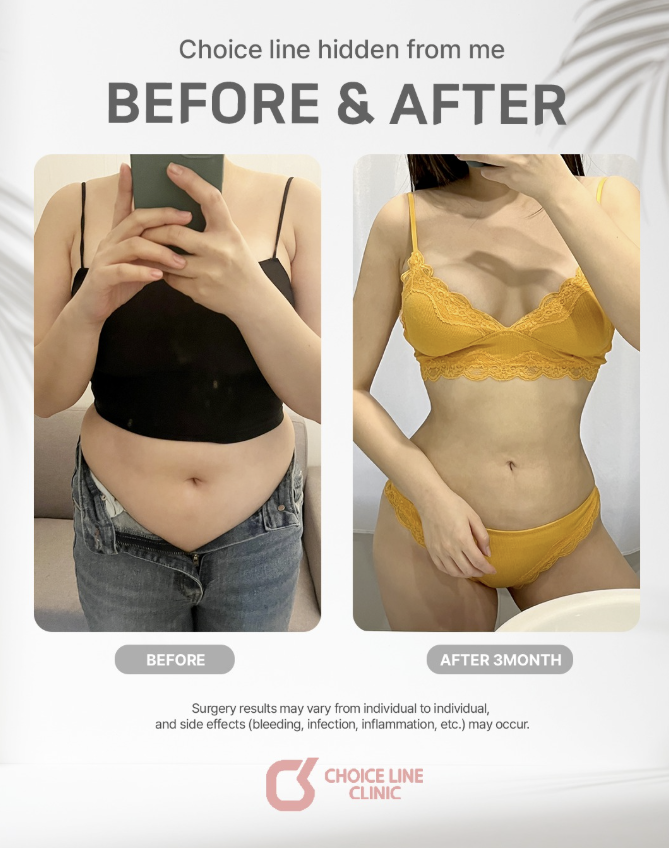
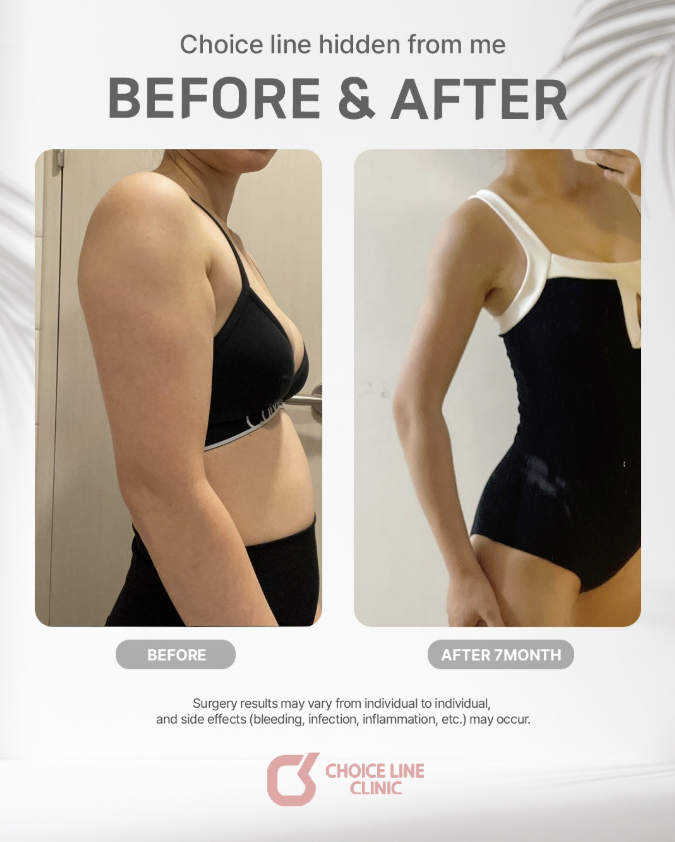
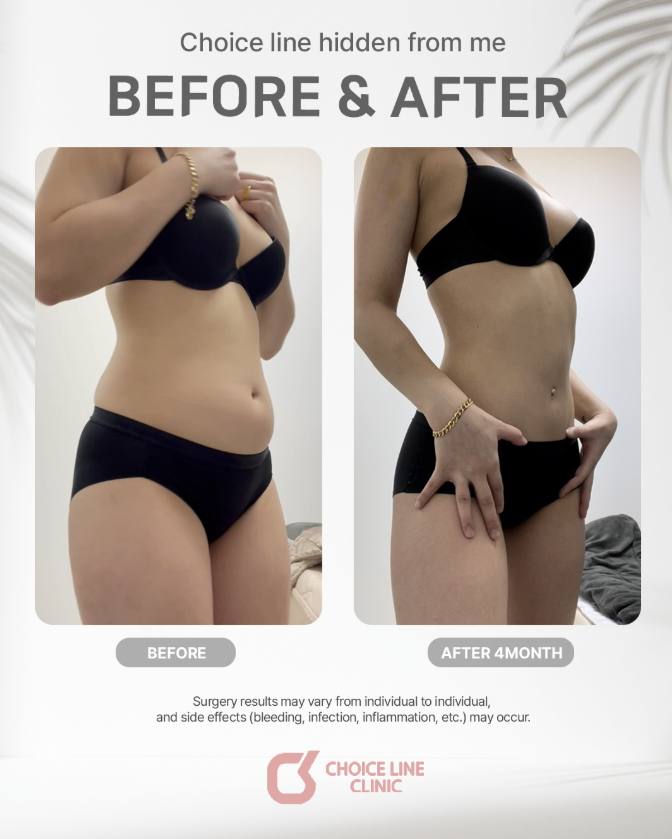
Liposuction and weight loss can both change the appearance of the body, but they work in very different ways. Weight loss reduces the size of fat cells throughout the body, while liposuction physically removes fat cells from specific areas. For this reason, liposuction is mainly a body-contouring procedure rather than a method for achieving major weight loss.
How Does Weight Loss Work?
When you lose weight through diet, exercise, or medical treatment, existing fat cells generally become smaller.
Weight loss can affect:
- Abdomen
- Arms
- Thighs
- Face
- Back
- Hips
- Overall body size
The exact areas that become slimmer first or last are largely influenced by genetics and hormones.
How Does Liposuction Work?
Liposuction removes fat cells from selected areas using a thin tube called a cannula.
Common treatment areas include:
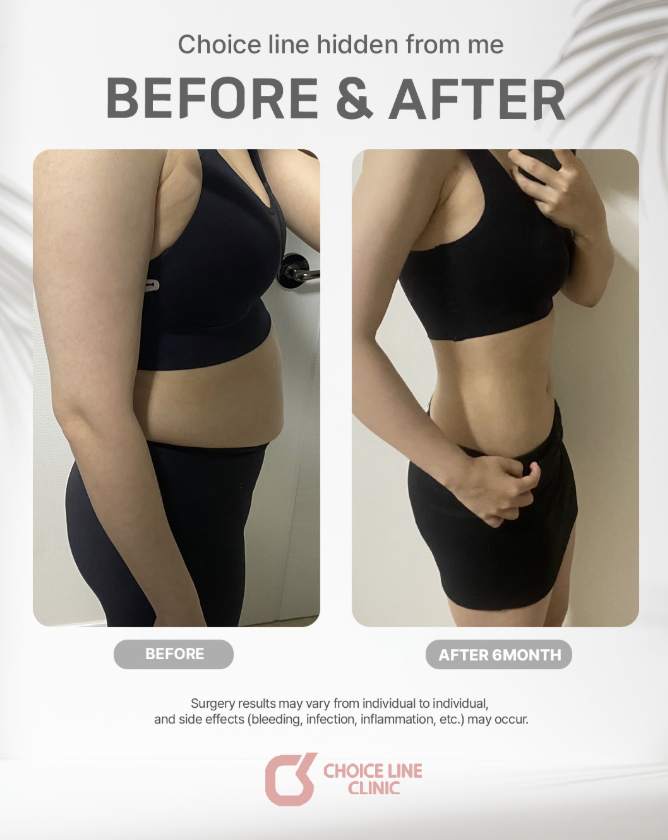
- Abdomen
- Waist
- Love handles
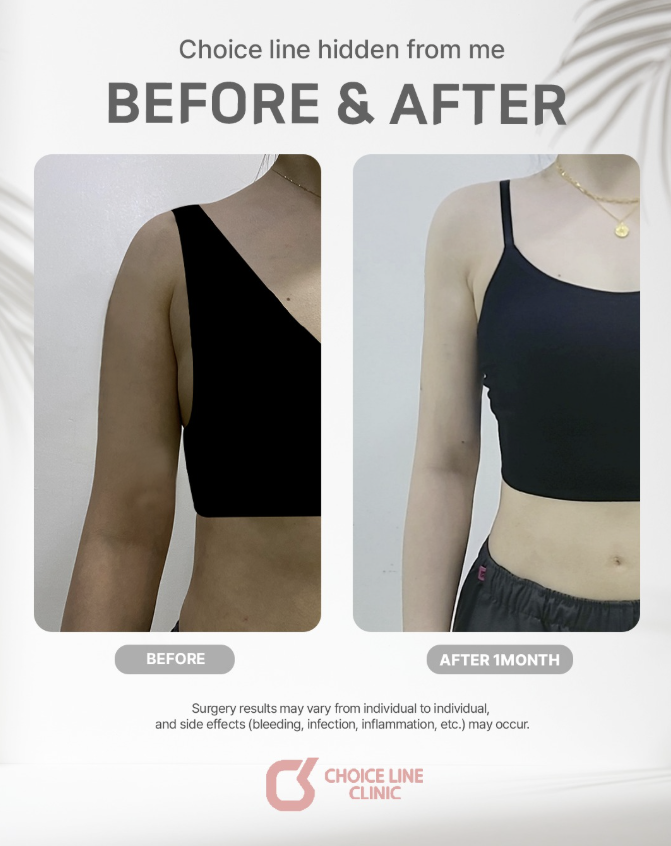
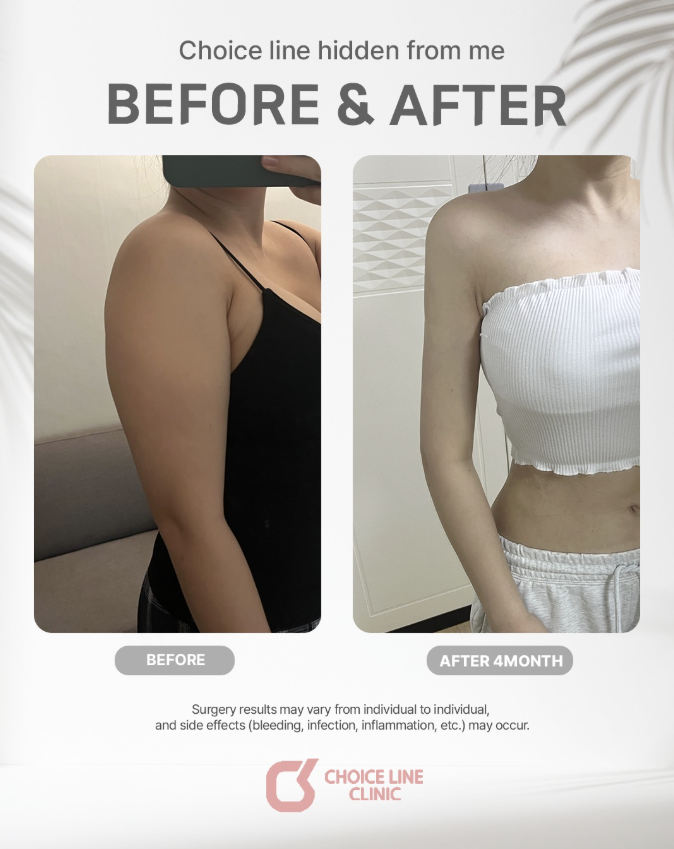
- Arms
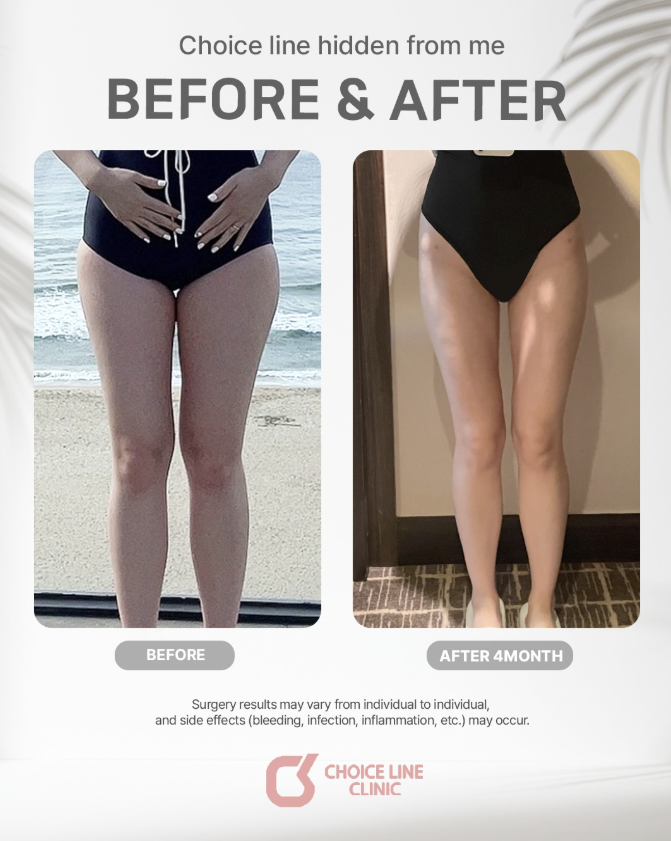
- Thighs
- Back
- Chin
The goal is usually to improve shape and proportions rather than significantly reduce body weight.
Does Liposuction Make You Lose Weight?
Some weight reduction can occur because fat is physically removed, but this is not the main purpose of the procedure.
Liposuction is better suited for:
- Localized fat deposits
- Resistant areas
- Body contour refinement
- Improving proportions
Patients seeking substantial weight reduction should generally focus on weight-management strategies first.
What Happens to Fat Cells During Weight Loss?
During normal weight loss, fat cells usually shrink rather than disappear.
If weight is regained later, these cells can enlarge again.
This means weight loss changes the volume of fat throughout the body without selectively removing fat cells from one specific area.
What Happens to Fat Cells During Liposuction?
Fat cells removed by liposuction are permanently eliminated from the treated area.
However, remaining fat cells can still become larger if weight is gained.
Liposuction therefore does not prevent:
- Future weight gain
- Changes in fat distribution
- Aging-related body changes
- Pregnancy-related changes
Long-term weight stability remains important.
Which Gives a Bigger Change on the Scale?
Weight loss usually has a much greater effect on body weight.
A person losing significant weight may notice changes in:
- BMI
- Waist circumference
- Clothing size
- Overall body mass
- General health markers
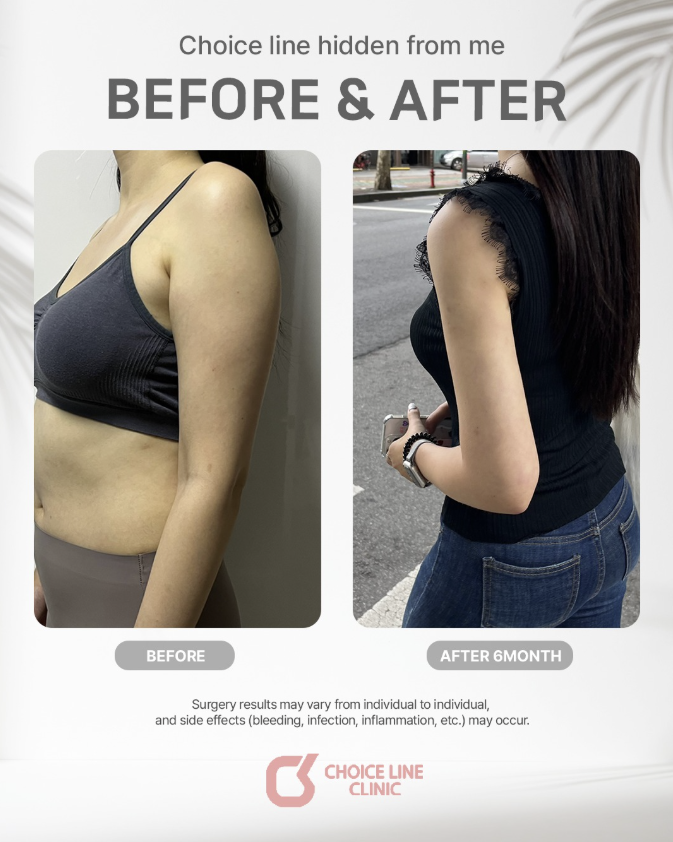
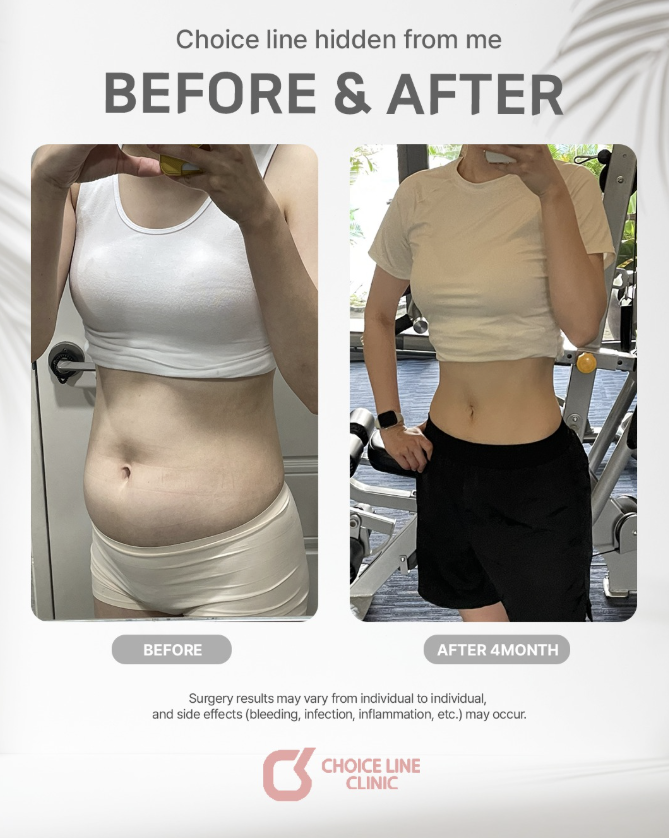
Liposuction may create a noticeable visual change while producing only a relatively small difference on the scale.
Which Gives Better Body Contouring?
Liposuction can be more precise when the main problem is a localized area that remains disproportionate despite a stable weight.
For example, a patient may be relatively slim but still have:
- Lower belly fullness
- Love handles
- Inner thigh fat
- Upper arm fullness
- Double chin
Targeted fat removal may improve these areas more predictably than trying to lose additional overall weight.
Should You Lose Weight Before Liposuction?
If you plan to lose a significant amount of weight, it is often better to do so before considering liposuction.
Reaching a relatively stable weight can help:
- Reveal remaining stubborn fat
- Improve surgical planning
- Reduce treatment volume
- Create more predictable proportions
- Make results easier to maintain
Extreme dieting immediately before surgery is not recommended.
Can Liposuction Replace Diet and Exercise?
No. Liposuction should not replace healthy lifestyle habits.
It does not improve:
- Cardiovascular fitness
- Muscle strength
- Metabolism
- Eating habits
- Overall physical conditioning
Diet, exercise, and appropriate medical weight management address different goals from liposuction.
Can You Combine Weight Loss and Liposuction?
Yes, but timing matters.
A common approach may be:
- Achieve a sustainable weight
- Maintain it for a period of time
- Identify remaining resistant fat
- Use liposuction for contour refinement
This often produces more predictable long-term results than having liposuction during major weight changes.
What If You Have Loose Skin After Weight Loss?
Liposuction removes fat but does not directly remove loose skin.
After significant weight loss, some patients may have:
- Abdominal skin laxity
- Loose upper-arm skin
- Sagging thighs
- Wrinkled or stretched skin
In these cases, skin-removal procedures such as a tummy tuck, arm lift, or thigh lift may be more appropriate than liposuction alone.
Which Option Is Right for You?
Weight loss may be more appropriate when your goal is:
- Lower overall body weight
- Reduce BMI
- Improve general health
- Reduce body fat throughout the body
Liposuction may be more appropriate when your goal is:
- Target stubborn fat
- Improve body proportions
- Create more definition
- Refine a specific area
Some patients may benefit from both approaches at different stages.
Does Weight Still Matter After Liposuction?
Yes. Maintaining a relatively stable weight helps preserve the contour created by surgery.
Significant weight gain can:
- Enlarge remaining fat cells
- Reduce definition
- Change body proportions
- Make untreated areas appear fuller
Liposuction can create long-lasting changes, but lifestyle still influences the final result over time.
Final Thoughts
Weight loss and liposuction are not interchangeable. Weight loss reduces fat-cell size throughout the body and is the better approach for reducing overall weight, while liposuction removes fat cells from selected areas to improve shape and proportions. For patients considering liposuction in Korea, the best results are usually achieved when body weight is already relatively stable and surgery is used to refine stubborn areas rather than replace weight management.