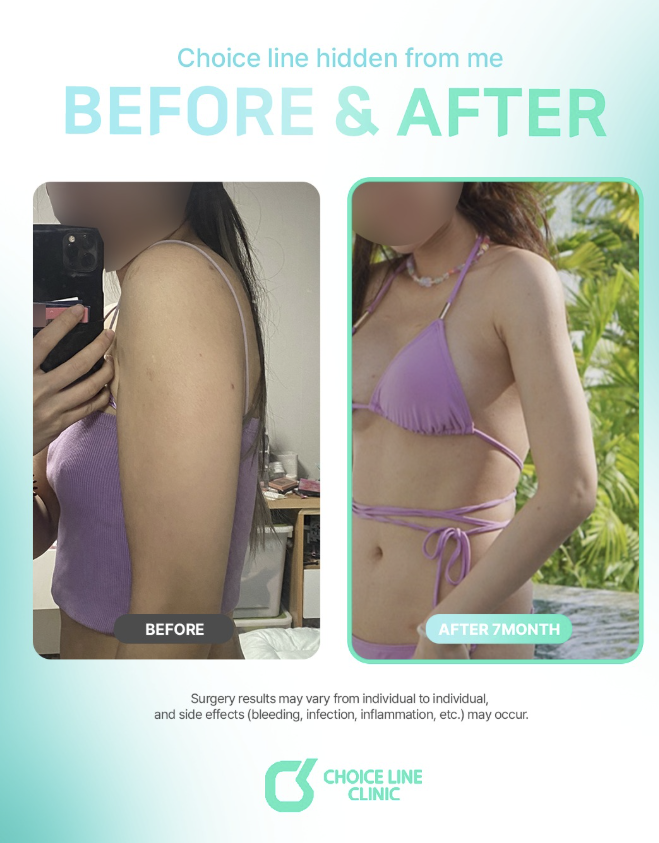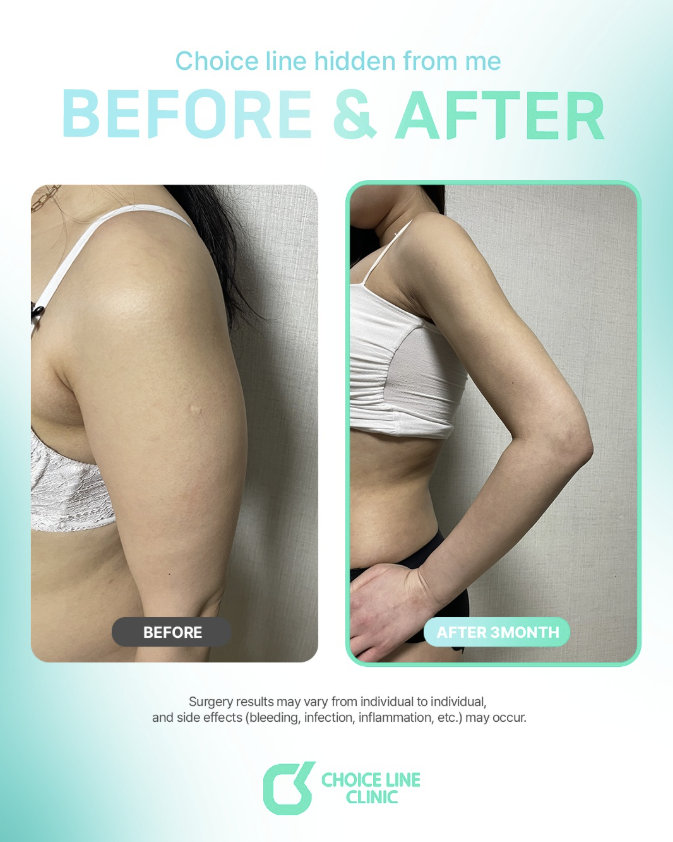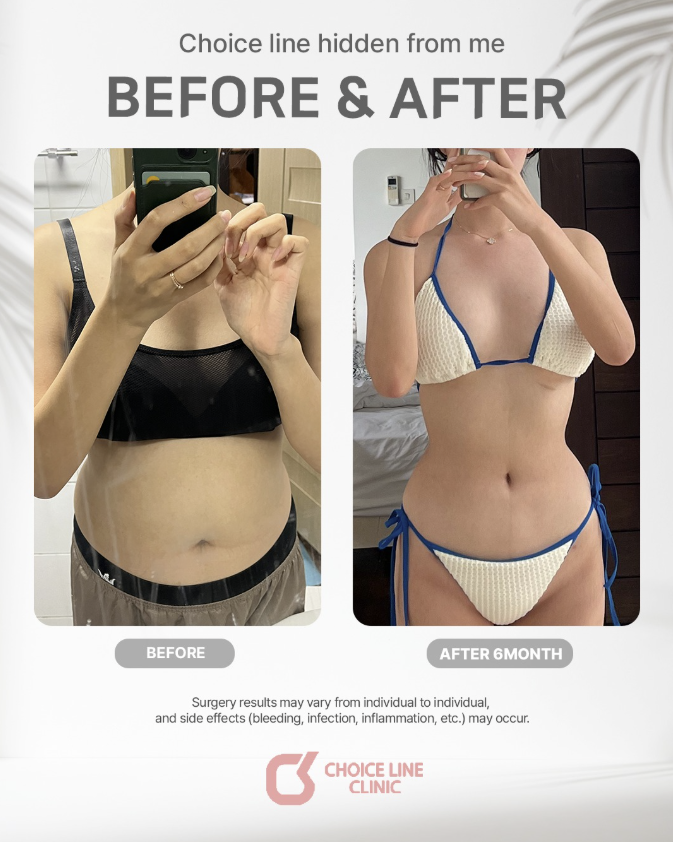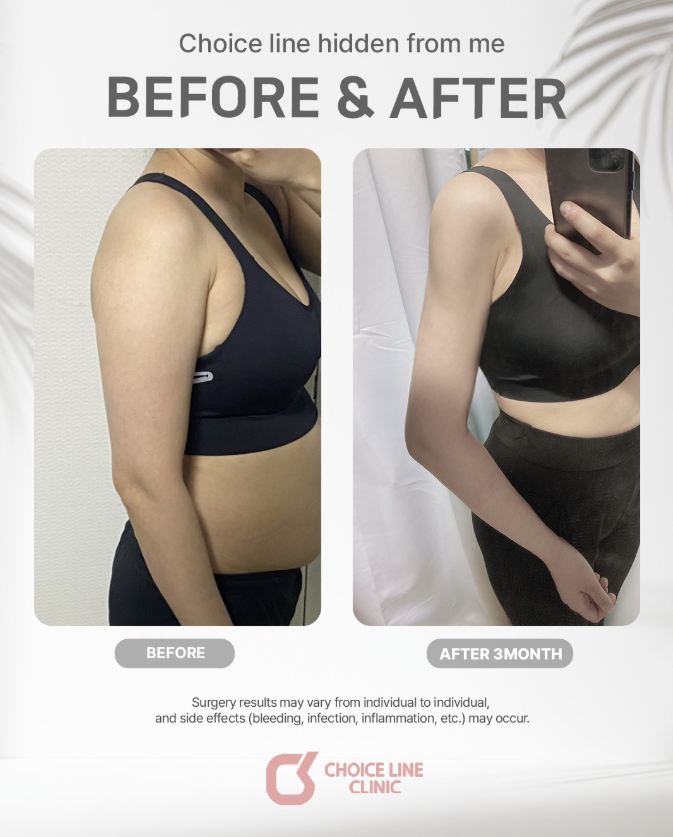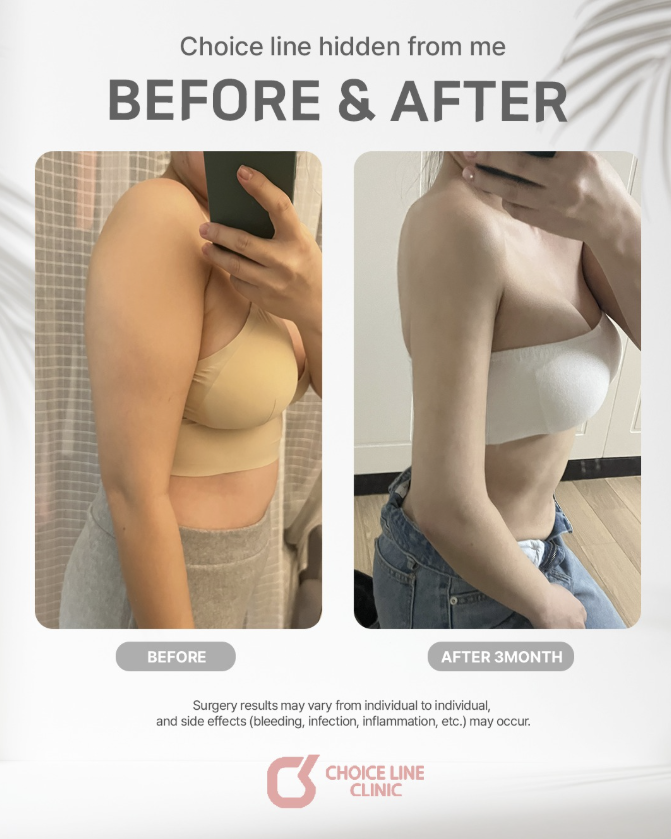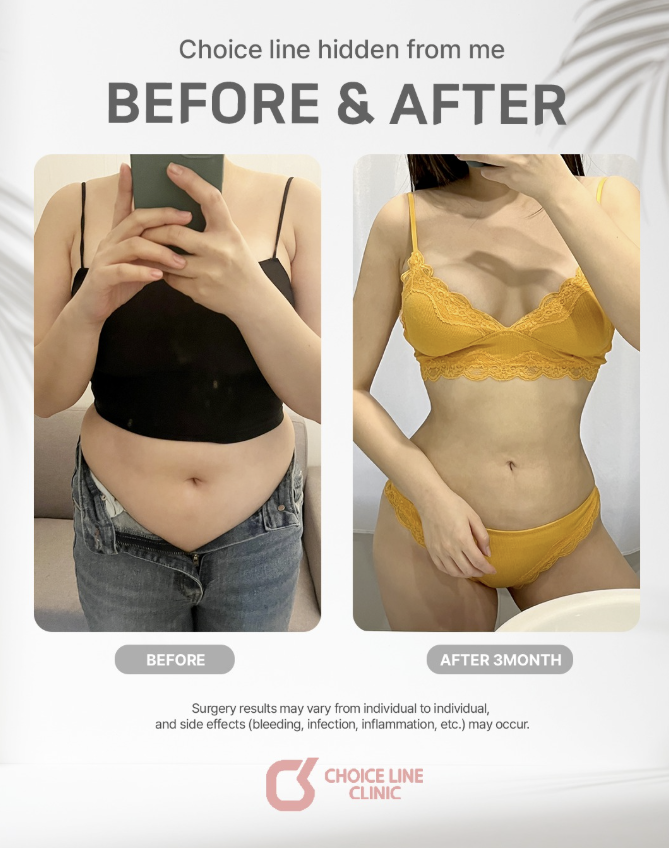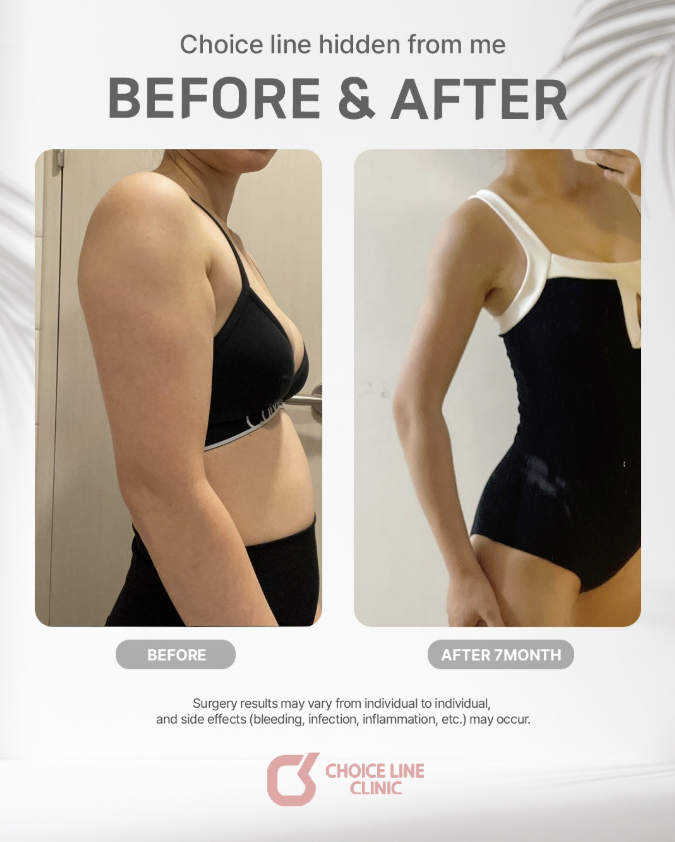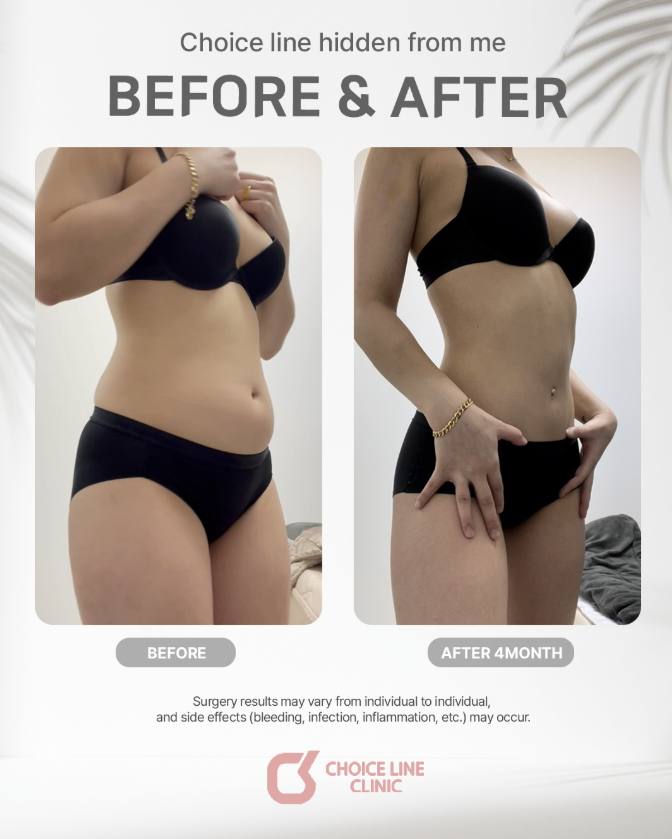




What Is the Best BMI for Liposuction?
What Is the Best BMI for Liposuction?
There is no single “best” BMI for liposuction. The procedure is generally most suitable for people who are close to a stable, healthy weight and have localized fat that does not respond well to diet and exercise. BMI can be useful during surgical planning, but surgeons also consider overall health, fat distribution, skin elasticity, and the amount of liposuction required.
Does Liposuction Have a Specific BMI Limit?
There is no universal BMI cutoff that applies to every patient.
The American Society of Plastic Surgeons describes ideal candidates as adults who are within about 30% of their ideal weight, have firm and elastic skin, and are generally healthy.
Individual clinics may use their own BMI limits depending on:
- Anesthesia protocols
- Medical conditions
- Treatment volume
- Facility capabilities
- Surgeon preference
What BMI Is Usually Considered Ideal?
Many surgeons prefer patients to be relatively close to their goal weight before liposuction.
A lower or moderate BMI can often make it easier to:
- Identify localized fat deposits
- Create more precise contours
- Limit the amount of fat removed
- Reduce surgical stress
- Maintain results afterward
However, BMI alone does not determine whether someone is a good candidate.
Can You Have Liposuction With a BMI Over 25?
Yes. A BMI above 25 does not automatically prevent someone from having liposuction.
Some patients with higher BMI may still have:
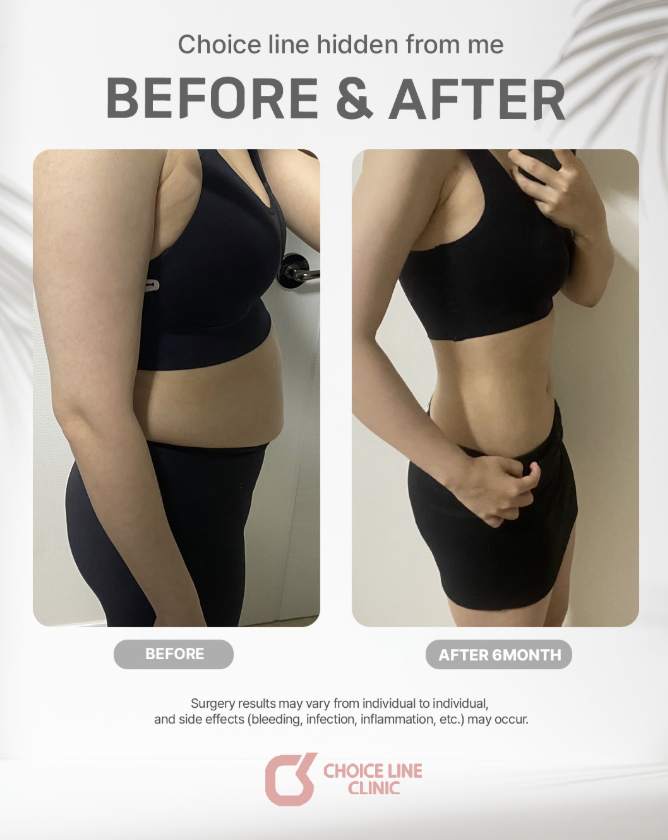
- Localized abdominal fat
- Love handles
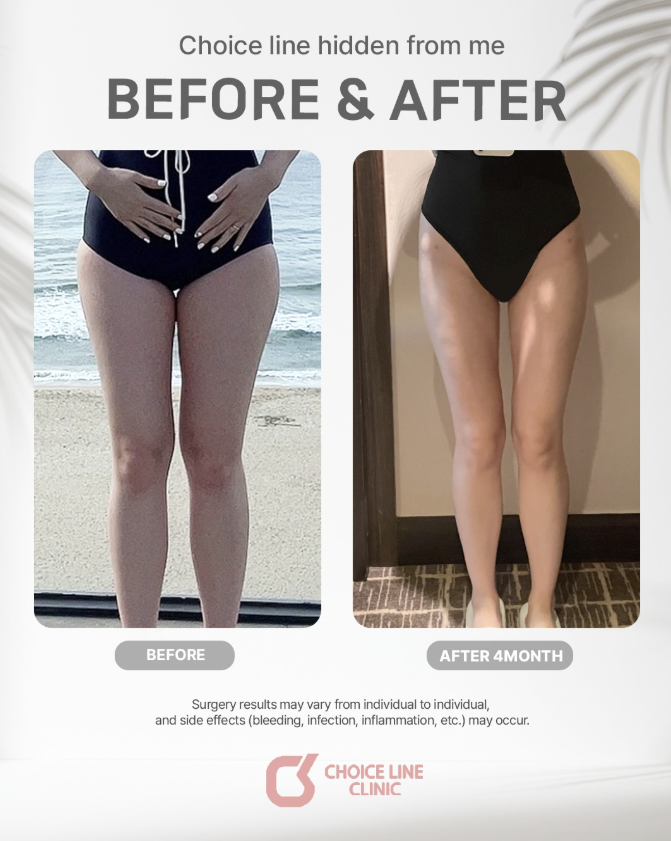
- Large thighs
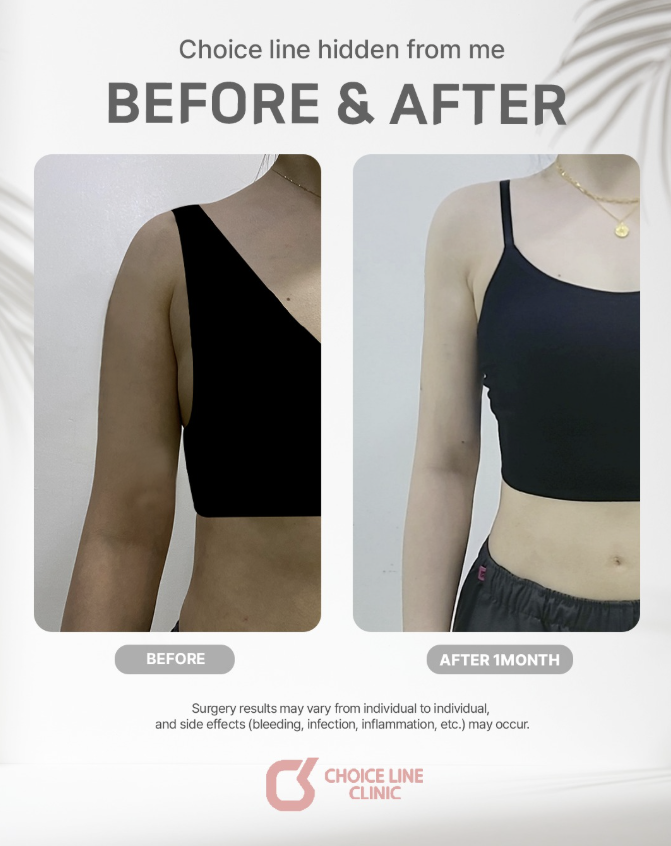
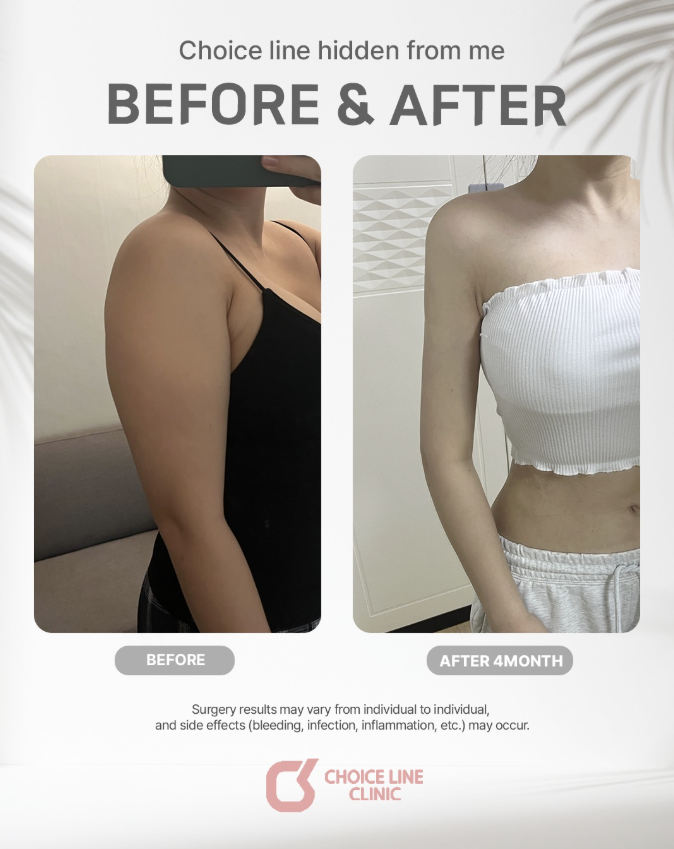
- Upper arm fullness
- Back fat
Their suitability depends on overall health and the extent of surgery required rather than BMI alone.
What About a BMI Around 30?
Patients around or above a BMI of 30 may still be considered in selected cases, but additional evaluation is often important.
Surgeons may consider:
- Blood pressure
- Blood sugar
- Cardiovascular health
- Sleep apnea
- Blood-clot risk
- Expected fat-removal volume
Liposuction should still be used for contouring rather than as a primary weight-loss treatment.
Why Can Higher BMI Increase Surgical Concerns?
As body weight and treatment volume increase, surgery may become more extensive.
Potential concerns can include:
- Longer procedure time
- Greater fluid shifts
- Increased anesthesia demands
- More postoperative swelling
- Greater recovery burden
- Higher risk of certain complications
Research cited by ASPS has also suggested that complication risk should be considered in relation to both BMI and the amount of liposuction performed.
Is Liposuction a Good Way to Lower BMI?
No. Liposuction is not intended to significantly reduce BMI or treat obesity.
Its main purpose is to reshape areas of localized fat rather than produce major overall weight loss. Both ASPS and the NHS emphasize that liposuction is a body-contouring procedure rather than a substitute for weight management.
Should You Lose Weight Before Liposuction?
If a patient plans to lose a substantial amount of weight, reaching a stable weight before surgery may produce more predictable results.
Weight loss beforehand may help:
- Reduce the amount of fat requiring surgery
- Improve body proportions
- Clarify which areas remain resistant
- Make postoperative results easier to maintain
Patients should avoid extreme dieting immediately before surgery.
Why Is Stable Weight More Important Than a Perfect BMI?
A stable weight often matters more than reaching one specific BMI number.
Frequent or major weight changes after liposuction can:
- Enlarge remaining fat cells
- Change body proportions
- Affect skin elasticity
- Reduce contour definition
A sustainable weight that can be maintained long term is generally more useful than temporarily reaching a lower BMI.
Does BMI Show Where Your Fat Is Located?
No. BMI measures weight relative to height, but it does not show fat distribution.
Two patients with the same BMI may have very different bodies.
One may have:
- Localized abdominal fat
- Good muscle tone
- Firm skin
Another may have:
- More generalized body fat
- Significant skin laxity
- Different medical risk factors
This is why an in-person body evaluation is important.
Does Skin Elasticity Matter More Than BMI?
In some cases, skin quality can be just as important as body weight.
Good skin elasticity allows the skin to adapt more smoothly after fat removal.
Patients with significant loose skin may not achieve the desired result from liposuction alone, even if their BMI is relatively low.
Can Someone With a Low BMI Have Liposuction?
Yes. Slim patients sometimes undergo liposuction to treat small areas of genetically resistant fat.
Examples include:
- Lower abdomen
- Inner thighs
- Arms
- Chin
- Waist
However, very aggressive fat removal in a thin patient can increase the risk of hollows or contour irregularities.
What Should International Patients Ask Before Surgery?
Patients traveling to Korea should ask how their BMI affects the proposed surgical plan.
Useful questions include:
- Is my weight appropriate for this procedure?
- How much fat is expected to be removed?
- How many areas can be treated safely?
- Should I lose weight before surgery?
- Would staged treatment be more appropriate?
- How does my skin elasticity affect the result?
The answer should be based on an individual medical assessment rather than a fixed BMI number.
Final Thoughts
There is no single best BMI for liposuction. The procedure generally works best for patients who are relatively close to a stable goal weight, have localized fat deposits, reasonable skin elasticity, and good overall health. BMI is only one part of the evaluation. For patients considering liposuction in Korea, the safest and most effective treatment plan should be based on body composition, medical condition, treatment volume, and realistic contouring goals rather than trying to reach one specific BMI.